Lawsuit accuses Anthropic, OpenAI, Google and SpaceXAI of illegal agreement to slow AI
Por Kaitlyn Huamani — – World RSS Feed
Lawsuit accuses Anthropic, OpenAI, Google and SpaceXAI of illegal agreement to slow AI
Anthropic CEO acknowledged potential antitrust hurdles, writing that it would assist if the US government were to mediate ‘or at least enable’ cross-lab discussions
Kaitlyn Huamani Saturday 19 September 2026 22:02 BST
- Bookmark
Bookmark popover
Removed from bookmarks
Close popover
Your support helps us to tell the story
Read more Support Now
From reproductive rights to climate change to Big Tech, The Independent is on the ground when the story is developing. Whether it’s investigating the financials of Elon Musk’s pro-Trump PAC or producing our latest documentary, ‘The A Word’, which shines a light on the American women fighting for reproductive rights, we know how important it is to parse out the facts from the messaging.
At such a critical moment in US history, we need reporters on the ground. Your donation allows us to keep sending journalists to speak to both sides of the story.
The Independent is trusted by Americans across the entire political spectrum. And unlike many other quality news outlets, we choose not to lock Americans out of our reporting and analysis with paywalls. We believe quality journalism should be available to everyone, paid for by those who can afford it.
Your support makes all the difference. Read more
Major artificial intelligence developers face legal action over claims they entered an unlawful pact to intentionally slow down the momentum of their technical advancements.
The lawsuit, submitted Friday in the U.S. District Court for the Northern District of California, alleges that Google, OpenAI, Anthropic, and SpaceXAI violated federal antitrust laws by colluding on deceleration strategies.
The filing contends that this arrangement ultimately diminishes the value provided to customers paying for AI service subscriptions.
Central to the complaint is an event on Sept. 12, when Anthropic CEO Dario Amodei issued an essay calling for collective industry efforts to curb rapid progress in favor of enhanced safety measures.
Later that day, Google DeepMind’s Demis Hassabis, OpenAI’s Sam Altman, and SpaceXAI’s Elon Musk publicly endorsed Amodei’s proposals.
The filing maintains that mutual pledges among dominant industry rivals ensuring their timeline “should be slower than competition would otherwise produce has an anticompetitive effect on consumers.”
Lawyers representing four named plaintiffs, who pay for subscriptions to ChatGPT, Claude, Grok or Gemini, are bringing the suit on behalf of a proposed nationwide class of other paid subscribers to those services.
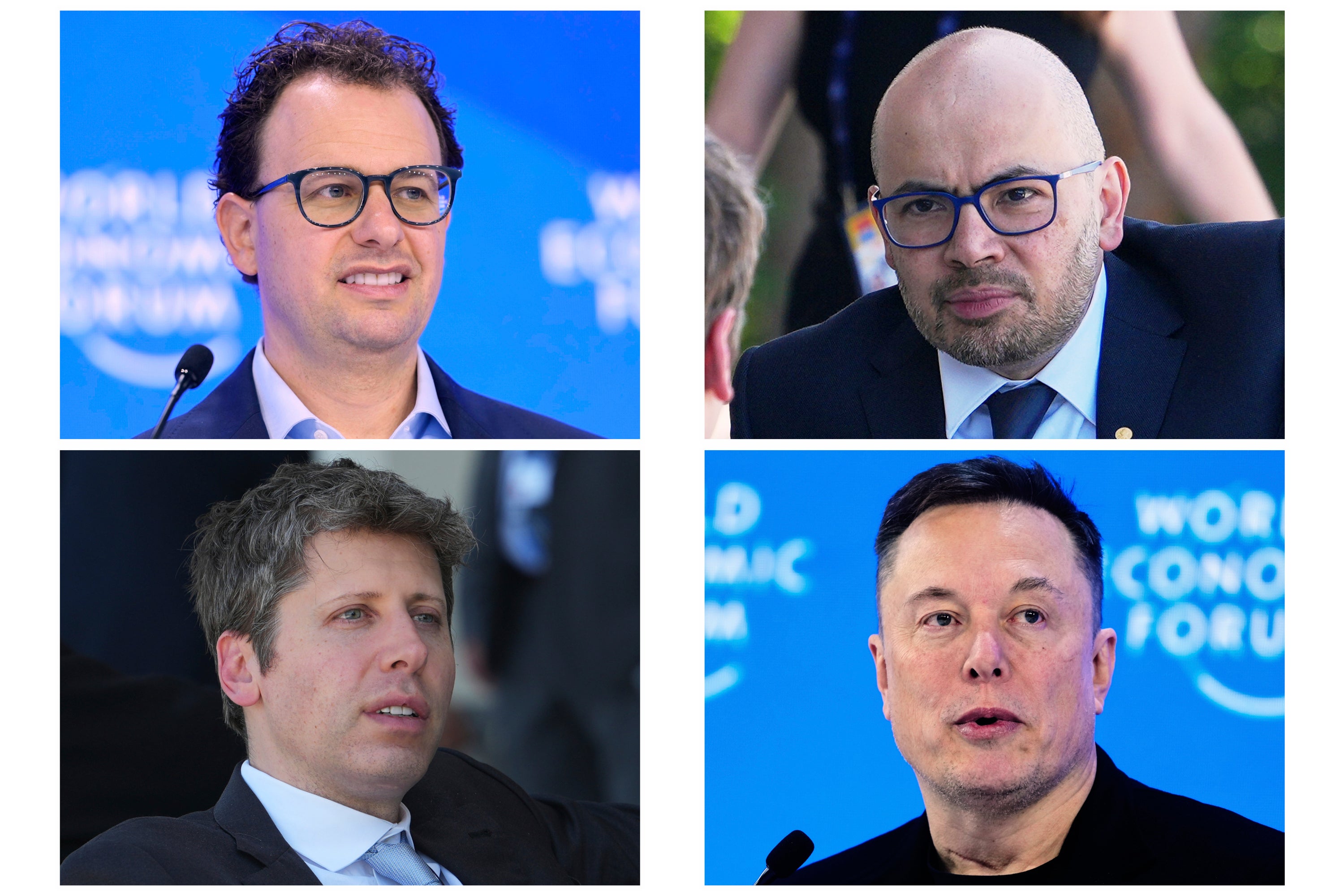
“AI will quickly spin out of human control and could kill us all if we allow AI safety and protocol … to be controlled by private self-serving agreements between the world’s most powerful ‘for profit’ technology companies,” stated Nick Rowley, the lead attorney for the plaintiffs.
Representatives for OpenAI, Anthropic, Google, and SpaceXAI did not immediately respond to requests for comment Saturday.
In his essay proposing the slowdown, Amodei acknowledged potential antitrust hurdles, writing that it would assist if the U.S. government were to mediate “or at least enable” cross-lab discussions.
Federal officials would not have to participate, he noted, but would need to “issue a narrow waiver for certain kinds of safety conversations.”
Replying on social media, Altman stated OpenAI supports a “federal framework that sets consistent safety requirements,” while adding “we do not believe we need to wait for an anti-trust exemption or legislation to begin the work of providing this confidence.”
Although recent conversations regarding pacing development stem from growing fears over artificial intelligence escaping human control, industry leaders have long discussed developing shared standards to maintain safety.
More about
GoogleOpenAIAnthropicElon MuskLawsuit
Most popular
Popular videos
Bulletin
Read next
Fonte: – World RSS Feed


