Partnership is key to ending AIDS – UK leadership can get us there faster
Por Comment — – World RSS Feed
comment Partnership is key to ending AIDS – UK leadership can get us there faster
Ending AIDS as a public health threat is still possible by 2030, writes Courtenay Howe. But we need a renewed commitment to all the things that have helped create the progress we have made over the last few decades
Saturday 19 September 2026 07:00 BST
- Bookmark
- Comments Go to comments
Bookmark popover
Removed from bookmarks
Close popover
Your support helps us to tell the story
Read more Support Now
From reproductive rights to climate change to Big Tech, The Independent is on the ground when the story is developing. Whether it’s investigating the financials of Elon Musk’s pro-Trump PAC or producing our latest documentary, ‘The A Word’, which shines a light on the American women fighting for reproductive rights, we know how important it is to parse out the facts from the messaging.
At such a critical moment in US history, we need reporters on the ground. Your donation allows us to keep sending journalists to speak to both sides of the story.
The Independent is trusted by Americans across the entire political spectrum. And unlike many other quality news outlets, we choose not to lock Americans out of our reporting and analysis with paywalls. We believe quality journalism should be available to everyone, paid for by those who can afford it.
Your support makes all the difference. Read more
I t’s not about one country having all the answers and another having all the questions,” Kirsty McNeill, the minister for international development and Africa, said this week, describing the UK’s approach to partnerships, “but instead, bringing together different strengths to achieve far more than either of us could alone.”
Many of us who work in international development and advocacy will resonate with this framing. Shifting from hierarchical forms of aid to a system based on solidarity and partnership is something that many of us have tirelessly advocated for, and has long been a driving principal of the global HIV response.
Community involvement and leadership have been central to the response and the resulting progress speaks for itself. In 2002, the year the UK co-founded the Global Fund partnership, only 102,000 people had access to HIV treatment, less than 1 per cent of people living with HIV.
New data from the Global Fund to Fight AIDS, Tuberculosis and Malaria released this week shows that last year 26.9 million people, in countries where the Global Fund invests, had access to antiretroviral therapy for HIV. The number of AIDS-related deaths in 2025 was 57 per cent lower than in 2010, from 1.3 million to 570,000.
But the current environment in which communities and organisations such as the Global Fund advance efforts towards ending AIDS as a public health threat cannot be overlooked.
In 2025, donor government funding for HIV decreased by $2.1 billion (£1.6bn) compared to 2024, representing a 25 per cent cut. Funding cuts globally have had a significant impact particularly on HIV prevention efforts and women are disproportionately affected. In sub-Saharan Africa women account for 6 out of 10 new acquisitions and adolescent girls and young women (aged 15-24 years) remain at high risk with 3000 new HIV acquisitions per week in 2025.
The UK’s own funding cuts, reducing the ODA budget to 0.3 per cent last year, raises concerns about a step back from international political and financial leadership in global health. The welcome shift in international development towards a new collaborative and solidaristic model still requires the UK’s important commitment to advocating for and supporting partnership and community leadership on the global stage.
Recommended
 $1.3bn in US health funds left unspent by Trump ‘could lead to 150,000 preventable deaths’
 Fiji declares national crisis as HIV infects one in every 60 adults
UK commits more than £100m from aid budget to cutting-edge health research
The communities that had been at the forefront of the HIV response have been impacted hardest by these funding cuts. For many community-led organisations, their delivery of critical HIV prevention and provision of support to people living with HIV has reduced by 50 per cent. Alongside devastating funding cuts, we also see a rollback on human rights and the criminalisation of marginalised communities increasing for the first time since UNAIDS began tracking these trends.
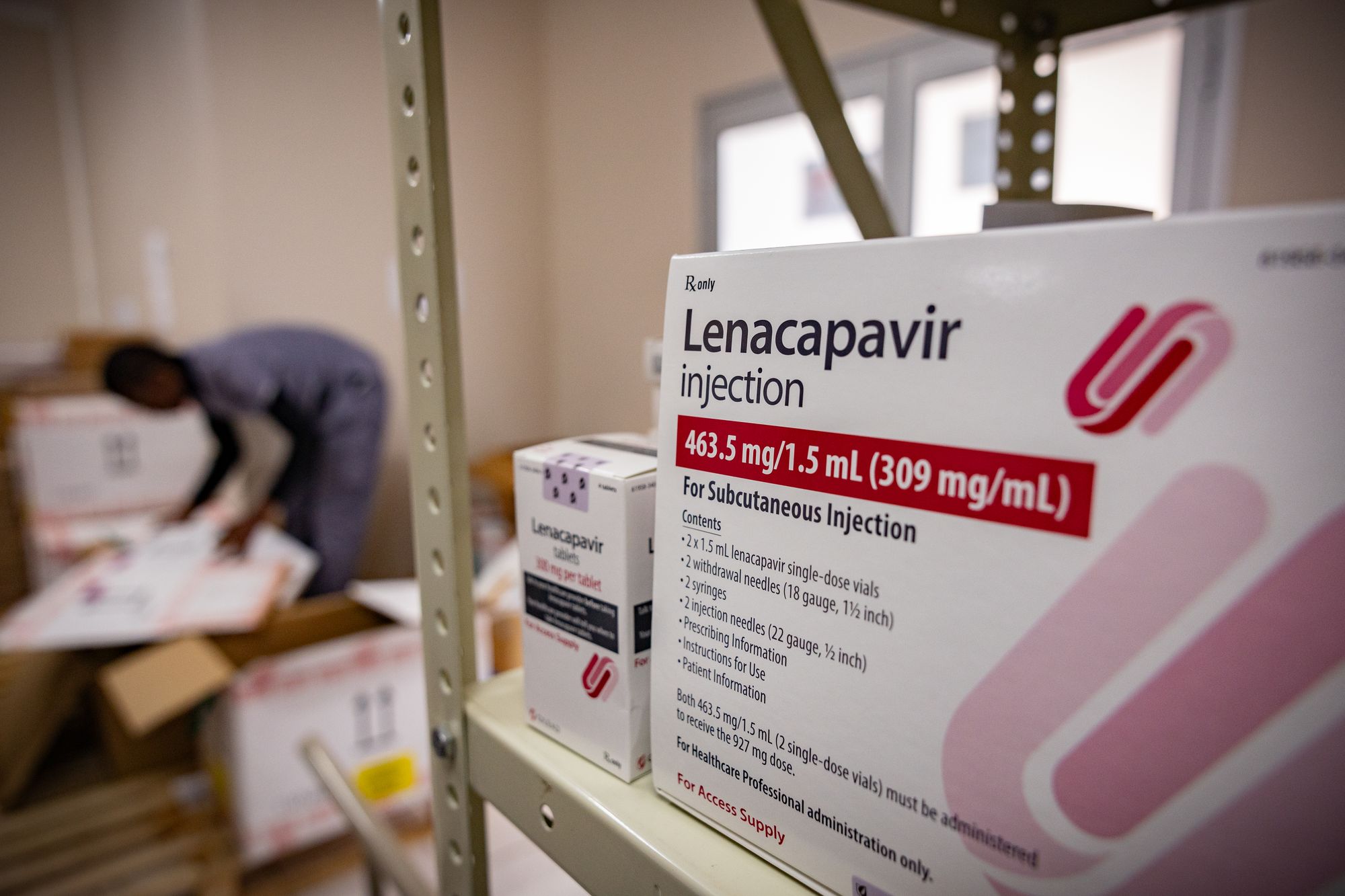
Ending AIDS as a public health threat is still possible by 2030. But we need a renewed commitment to community leadership and human rights. We need scale-up and rollout of innovations such as the twice-yearly jab for HIV prevention, lenacapavir, and continued partnership to support more sustainable and self-reliant country responses to the HIV response.
We need scientific and medical advances to be accessible to low- and middle-income countries. Over the next few years, UK political leadership and sustainable funding will be critical in determining whether we stay on track to meet this goal.
Courtenay Howe is head of advocacy at STOPAIDS
This article has been produced as part of The Independent’s Rethinking Global Aid project
More about
HIVAIDSRethinking Global AidUKUNAIDS
Join our commenting forum
Join thought-provoking conversations, follow other Independent readers and see their replies
Most popular
Popular videos
Bulletin
Read next
Fonte: – World RSS Feed