‘We don’t want to cry again’: Yanomami women launch manifesto against Flávio Bolsonaro
Por Carlos Juliano Barros — Repórter Brasil
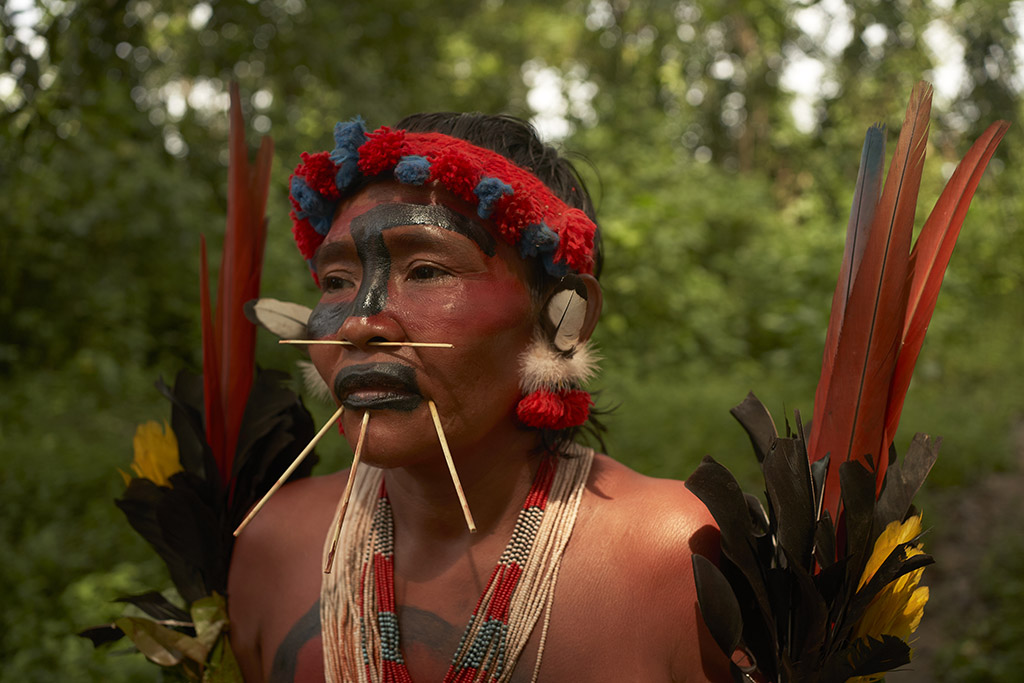
YANOMAMI INDIGENOUS TERRITORY, AMAZON — “I don’t want Bolsonaro’s son. I don’t want our children to be full of malaria again,” warns Noemia, the first woman to speak in a video recorded by Yanomami women opposing Flávio Bolsonaro’s election in late September. The video is part of a manifesto launched by female Indigenous leaders ahead of the runoff in this year’s general election.
Noemia lives in the Papiu community, one of the areas hardest hit by illegal mining in the Yanomami Indigenous Territory — Brazil’s largest Indigenous territory by area, home to 31,000 people and roughly the size of Portugal.
She fears the candidate could bring back the health crisis and illegal economic activities, including mining, that took hold of the territory during Jair Bolsonaro’s presidency.
Between 2019 and 2022, 420 children under the age of five died from preventable causes such as malaria, malnutrition and parasitic infections. The number of deaths was nearly twice as high as in the previous four years, according to Siasi, the Indigenous Health Care Information System of Brazil’s public health system (SUS). Of the total, 47 children died of malaria. Another 115 were malnourished.
“Bolsonaro’s trail is contaminated by disease. It is filled with malaria, diarrhea, worms, wounds, pneumonia, malnutrition, vomiting and itching. That is Bolsonaro’s path. That is why we, the women of the forest, do not want his son Flávio to sit in the president’s chair,” says a letter signed by 60 Yanomami women.
Gathered in the Rokoari community, the leaders recalled the impact of illegal mining on their territory. In the video manifesto, they fear Flávio could follow his father Jair’s “dirty path” and declare their support for Lula’s reelection.
In January 2023, the first month of Lula’s third term, the collapse of the healthcare system led the government to declare a state of emergency. “We don’t want to cry again,” says Adneia Yanomami.
ASSINE NOSSA NEWSLETTER
Submit
At least 4,000 Indigenous people left without medical care
At the height of the mining invasion, at least six health posts were closed or destroyed, cutting off medical care to 72 communities with more than 4,000 Indigenous people, according to a report by the Federal Public Prosecutor’s Office (MPF).
“The socio-environmental disaster caused by illegal mining, coupled with the Brazilian state’s failure to ensure territorial security for the Yanomami people, ultimately had the disruptive effect of collapsing the already fragile healthcare system in the territory,” the report says.
One of the health posts was Homoxi, which served around 250 Indigenous people. Located next to a mining pit, the facility was set on fire in December 2022, with illegal miners suspected of being responsible.
Another facility that was shut down was Kayanau. Health workers who remained in the area estimated that 1,600 illegal miners were operating there, alongside an “intense flow of aircraft, prostitution and the abandonment of agriculture.”
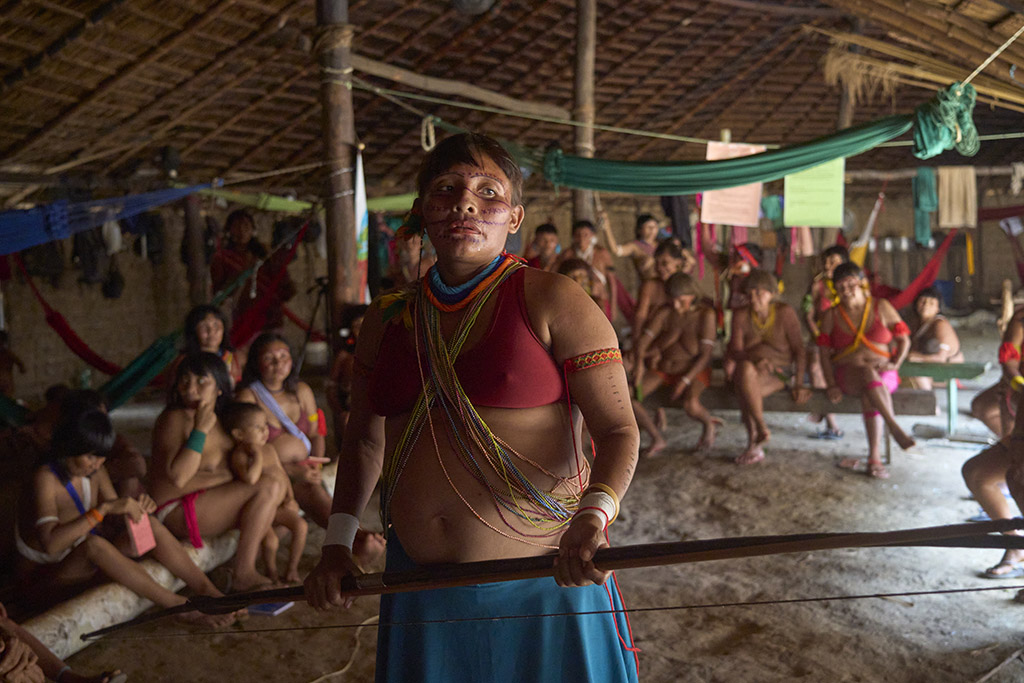
Illegal mining and violence also hampered the delivery of medicines to areas accessible only by air.
Repórter Brasil obtained a September 2022 letter from Hutukara Yanomami Association describing medicine shortages at health posts near two invaded areas: Xitei and Surucucu.
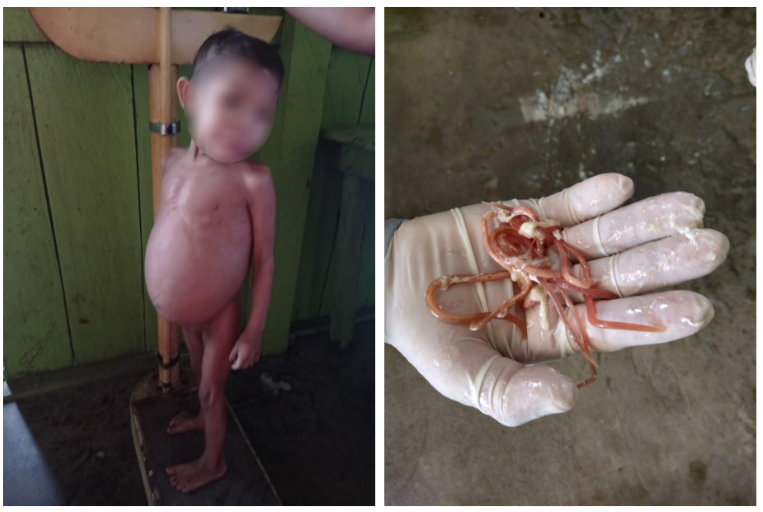
Over a three-week period between August and September, six children died — one from a form of pneumonia caused by a “massive worm infestation.” According to the association, there were no “medications needed to control parasitic infections, making treatment and prevention impossible in entire communities.”
In addition to supply problems, MPF investigations found evidence of an alleged scheme involving fraud and the diversion of public health funds in the Indigenous territory.
According to the agency, the Yanomami Special Indigenous Health District allocated R$3 million in 2021 to purchase essential medicines.
There are suspicions, however, that only a fraction of the medicines were delivered, despite invoices being paid in full. According to the MPF report, more than 10,000 Indigenous children may have been left without treatment for parasitic infections, leading to severe cases — including reports of children expelling worms through their mouths.
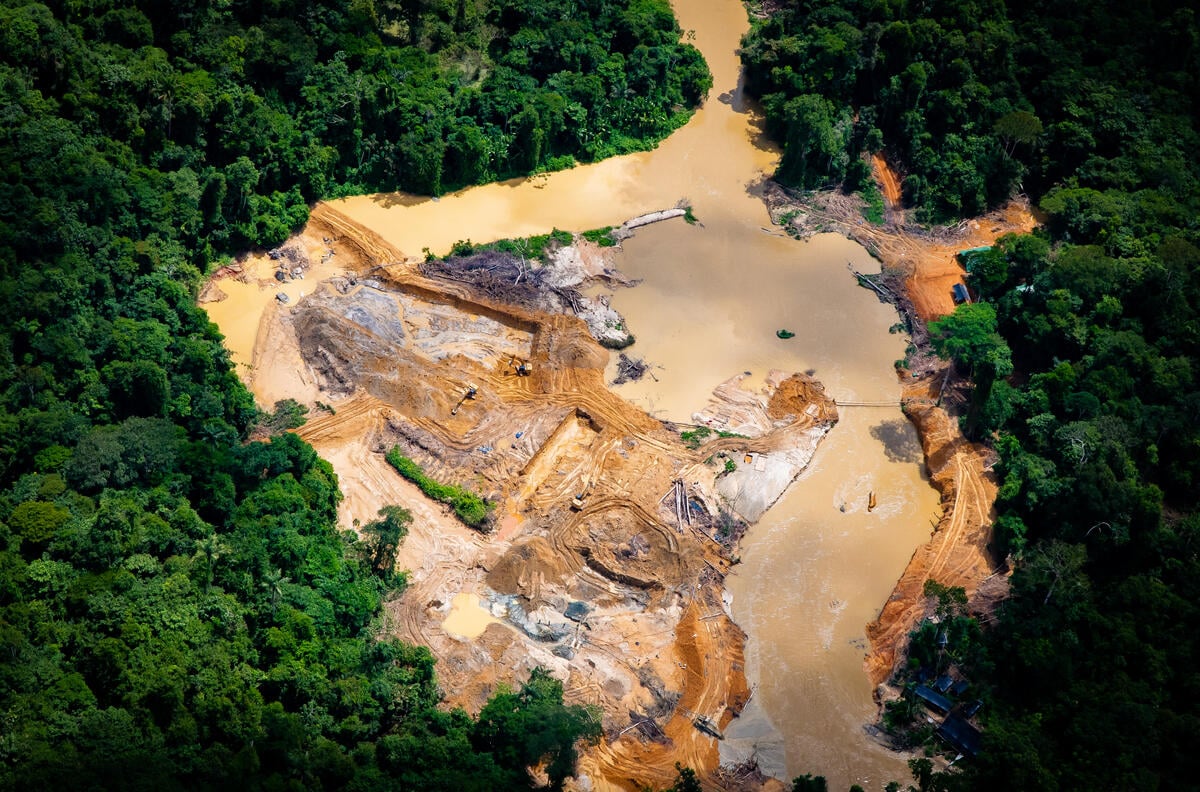
An estimated 20,000 illegal miners invaded the territory, according to a February 2023 estimate by Brazil’s Indigenous Peoples Foundation (Funai). More than 1,500 illegal mining sites were operating between 2020 and 2022, according to the Amazon Protection System’s Operational Management Center. In total, 2,200 hectares were devastated during the period.
25 anos investigando para mudar.
A Repórter Brasil já ajudou a impulsionar leis, fortalecer direitos e combater o trabalho escravo.
Em 2026, fazemos 25 anos — e vem muito mais por aí!
Leia também
The post ‘We don’t want to cry again’: Yanomami women launch manifesto against Flávio Bolsonaro appeared first on Repórter Brasil.
Fonte: Repórter Brasil