The Netherlands is bracing for potentially devastating U.S. sanctions against ICC
The Hindu – International
You are logged in
Loading…
You don’t have any Active Subscription.
Subscribed with another email? Logout and Login with that one.
Your active subscription(s)
Account subscription benefits alongside Premium Stories, Editorials,
Opinions and more. Unlock these with Subscription
Products you’ve access to
Additional Subscription Benefits
Account Settings
Need help with your subscription?
Weather News September 21, 2026 e-Paper
The View From India
Looking at World Affairs from the Indian perspective.
First Day First Show
News and reviews from the world of cinema and streaming.
Today's Cache
Your download of the top 5 technology stories of the day.
Science For All
The weekly newsletter from science writers takes the jargon out of science and puts the fun in!
Data Point
Decoding the headlines with facts, figures, and numbers
THEdge
At the cutting edge of education and careers
Health Matters
Ramya Kannan writes to you on getting to good health, and staying there
Gender Agenda
Stories from beyond the binary.
The Hindu On Books
Books of the week, reviews, excerpts, new titles and features.
Weather News September 21, 2026 e-Paper
Updated – September 21, 2026 07:03 pm IST – Tha Hague
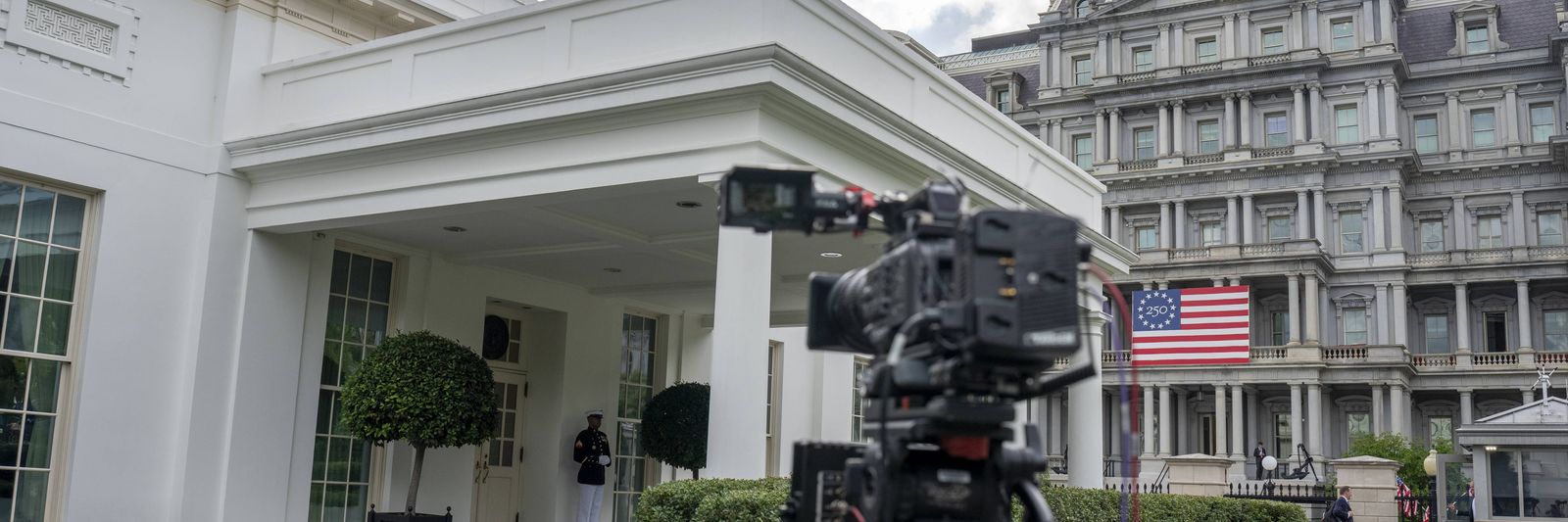
A view of the exterior of the International Criminal Court.
| Photo Credit: AP
The Netherlands is preparing for the United States to impose sanctions on the International Criminal Court in the latest escalation of the Trump administration's attacks on the global tribunal.
Dutch officials have been told by the United States that potentially devastating sanctions on the institution are forthcoming, diplomatic and government officials with knowledge of the briefings told The Associated Press. They spoke on condition of anonymity because they were not authorised to speak publicly.
The Netherlands is looking at ways to help the court maintain payments to staff and to protected witnesses, and to ensure that security at the detention facility is not disrupted.
Washington has already sanctioned more than a dozen current and former staff members, including half of the court's sitting judges, in what Secretary of State Marco Rubio has described as a “sweeping campaign to dismantle the threat posed by the International Criminal Court.”
The sanctions are retaliation for the court's investigations of officials from the U.S. and Israel, which aren't among the Hague-based court's 125 member states. The court has issued arrest warrants for top Israeli officials, including Prime Minister Benjamin Netanyahu, over the war in Gaza. Netanyahu and Israel strongly deny the allegations.
Typically reserved for autocrats, terrorists and cartels, sanctions can be devastating. They could prevent the court from accessing financial and IT services, and even paying its U.S. employees.
When the court's former chief prosecutor was sanctioned in 2025, he lost access to his Microsoft email, his bank accounts were frozen and he was barred from entering the United States.
According to two sources familiar with the situation, U.S. officials warned their Dutch counterparts that sanctions would be levied as early as Monday (September 21, 2026) and encouraged the court's host state to withdraw from the institution. The United States, along with other major global powers including Russia, China and India, is not a member.
The ICC has been preparing for months for the possibility of sanctions. Earlier this year, the court migrated off Microsoft products onto a German software provider, according to three ICC staff members who were not authorised to speak on the record. It has also changed insurance and other financial providers to companies without a footprint in the United States.
Dutch and court officials are hoping for a six-month grace period before the sanctions come into effect, arguing the institution needs time to sever itself from American companies which could face huge financial penalties if they are found to be in violation.
Beyond migrating to European-based alternatives, the Netherlands and the European Union have few options to protect the institution.
The EU “blocking statute” can be used to protect European court staff by preventing European companies from complying with the US measures, though it's unclear whether the statute would shield the ICC itself, because it's an international body, not a European one. EU citizens are entitled to a basic bank account, but that doesn't provide access to credit cards or U.S. payment facilities.
A small but growing number of the global tribunal's member states have announced plans to leave the institution in recent months, including Venezuela and Chad.
Chad specifically cited the United States in its decision to withdraw. Foreign Minister Abdoulaye Sabre Fadoul said in a statement that during a phone call with a U.S. official in July, “the American side expressed its concerns regarding the functioning of this institution and requested that Chad reconsider” its membership.
Published – September 21, 2026 06:58 pm IST
Copyright© 2026, THG PUBLISHING PVT LTD. or its affiliated companies. All rights reserved.
BACK TO TOP
Terms & conditions | Institutional Subscriber
Comments have to be in English, and in full sentences. They cannot be abusive or personal. Please abide by our community guidelines for posting your comments.
We have migrated to a new commenting platform. If you are already a registered user of The Hindu and logged in, you may continue to engage with our articles. If you do not have an account please register and login to post comments. Users can access their older comments by logging into their accounts on Vuukle.
Fonte: The Hindu – International