The Climate Emergency Must Take Center Stage on the Campaign Trail
umsoplaneta
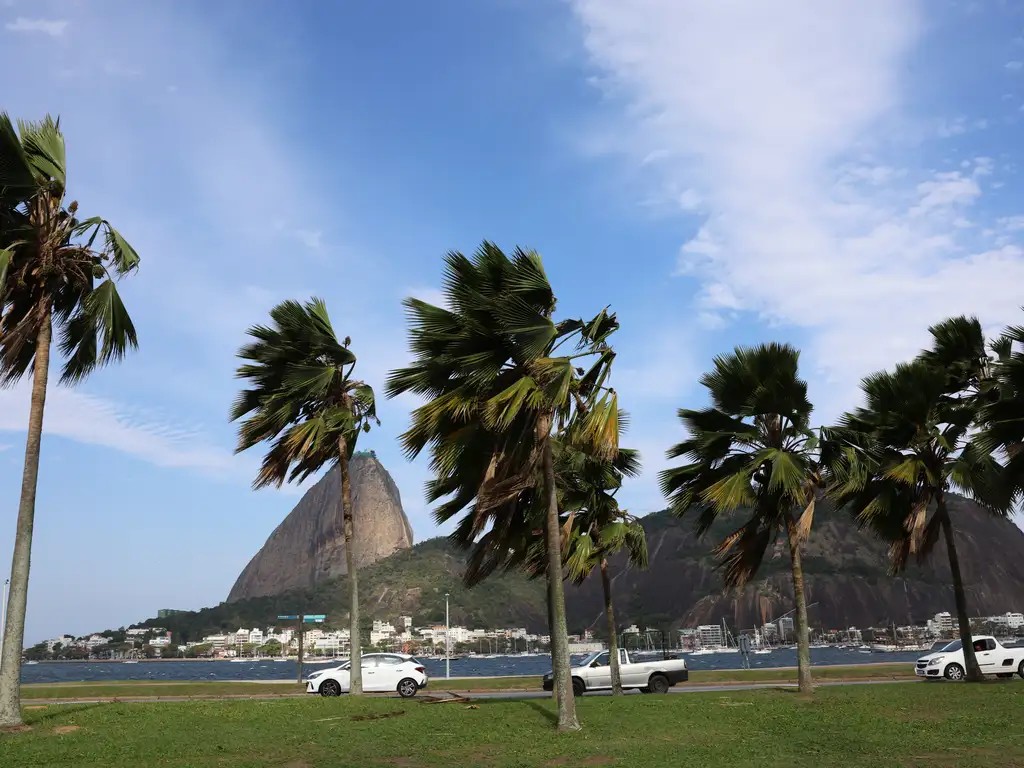
Well, we have entered the election season, and every day, alongside the scandals and mutual accusations among candidates, we are confronted, whether we turn on the television or open our phones, with dramatic images that are already becoming part of our routine: cities underwater, forests on fire, suffocating heat waves, prolonged droughts, and increasingly violent storms.
Thousands of families have lost their homes, loved ones, and children have been unable to attend school. Families and small business owners have watched the work of an entire lifetime disappear within a matter of hours. The climate crisis is no longer a threat for the future. It is knocking on our doors and, all too often, entering without asking permission in the form of floods. At other times, it reduces thousands of homes to rubble.
The numbers help illustrate the scale of the problem. Data from Fiocruz show that, in 2025 alone, more than 336,000 Brazilians were directly affected by extreme weather events. In 2024, the tragedy in Rio Grande do Sul left more than 180 people dead, affected approximately 2.4 million people, and caused losses estimated at nearly R$90 billion.
Numbers alone, however, cannot convey the full extent of human suffering. Those who have seen their lives devastated, lost loved ones, or spent days without electricity know what this means. During the recent windstorm that hit Rio de Janeiro, approximately 1.9 million properties were left without power at the height of the storm. Just a few months earlier, another historic storm left more than 3 million properties without electricity in the São Paulo metropolitan area. Hospitals, schools, small businesses, and millions of people saw their daily lives profoundly disrupted.
The most concerning aspect is that these events do not represent the peak of the crisis, but only its early warning signs. The scientific community is unanimous that, without a rapid reduction in greenhouse gas emissions and sustained investment in climate adaptation, extreme events will become increasingly frequent, intense, deadly, and costly for society.
This means more deaths, more people left homeless, greater pressure on healthcare systems, mounting agricultural losses, rising food prices, damage to infrastructure, and a sharp increase in public spending to respond to disasters and rebuild afterward. In other words, the climate crisis is no longer merely an environmental problem. It is also a serious economic, social, and humanitarian threat.
Another troubling reality is that we are in an election period, yet we watch debates, interviews, and campaign advertisements every day that seem disconnected from reality, as if they were taking place on another planet. They simply fail to mention the climate emergency or other issues related to the country’s future, such as the challenges facing healthcare, education, employment, and public safety. Even less attention is paid to the climate emergency and its potential for devastation.
Superficiality and low-quality political discourse occupy much of the available space, pushing into the background the issues that will truly shape the country’s future, including the climate crisis, which is not merely an environmentalist cause. It affects the rich and the poor, large and small cities, farmers, business owners, workers, families, entire regions, and entire communities.
That is why the climate emergency must take center stage on the campaign trail. We must demand concrete proposals from candidates to protect lives, prepare our cities, strengthen Civil Defense, invest in climate adaptation, and accelerate the transition to a more sustainable economy. Every vote is an opportunity to ask your candidate: how do you intend to protect our families, jobs, and very survival?
Climate change has already become part of all our lives, and it is more than time for it to become part of the electoral debate. More than ever, organized civil society, social movements, business sectors, and every citizen must pressure candidates and political parties to put the climate emergency at the center of the political agenda.
In these and future elections, choosing representatives who make genuine commitments to the climate agenda, integrating it with the economy and with the other issues vital to Brazil, is the only way to prevent the country from collapsing under the extreme events that are already, literally, invading our homes, destroying property, and putting the lives of millions of Brazilians at risk.
Sérgio Guimarães* is a civil engineer and an environmental policy specialist.
Mais Lidas
Fonte: umsoplaneta