New Social Security bill would lower retirement age to 60 for some workers
Por Rachel Dobkin — – World RSS Feed
New Social Security bill would lower retirement age to 60 for some workers
Workers in physically demanding jobs, such as construction and nursing, would be eligible for full retirement benefits by 60 under the bill
Rachel Dobkin in New York Thursday 24 September 2026 21:15 BST
- Bookmark
- Comments Go to comments
Bookmark popover
Removed from bookmarks
Close popover

Become an Independent member to bookmark this article
Want to bookmark your favourite articles and stories to read or reference later? Start your Independent Membership today.
Already a member?
Log in
Your support helps us to tell the story
Read more Support Now
From reproductive rights to climate change to Big Tech, The Independent is on the ground when the story is developing. Whether it’s investigating the financials of Elon Musk’s pro-Trump PAC or producing our latest documentary, ‘The A Word’, which shines a light on the American women fighting for reproductive rights, we know how important it is to parse out the facts from the messaging.
At such a critical moment in US history, we need reporters on the ground. Your donation allows us to keep sending journalists to speak to both sides of the story.
The Independent is trusted by Americans across the entire political spectrum. And unlike many other quality news outlets, we choose not to lock Americans out of our reporting and analysis with paywalls. We believe quality journalism should be available to everyone, paid for by those who can afford it.
Your support makes all the difference. Read more
A new Social Security bill would lower the retirement age to 60 for workers with physically demanding jobs.
The Blue Collar Social Security Fairness Act was introduced by Representative Haley Stevens, a Michigan Democrat, Thursday. The bill would allow Americans who work with their hands to collect full Social Security retirement benefits when they turn 60.
Currently, Americans born after 1960 can begin collecting full benefits at age 67 or they can opt for reduced benefits starting at 62. But manual labor strains the body, making it more difficult for workers to keep their jobs as they get older.
“Michiganders who work with their hands shouldn’t be forced to wait until their bodies give out to retire,” Stevens, who lost her US Senate primary to progressive Democrat Abdul El-Sayed last month, said in a press release.
 open image in gallery
“If we want to honor the dignity of work in this country, we need to lower the retirement age for physical laborers,” the congresswoman said.
“I look forward to bringing together my colleagues in Congress to fix this glaring issue for Michigan workers, strengthen Social Security, and ensure its solvency for generations of Americans to come.”
Those eligible for full retirement benefits at 60 would include workers in construction, roofing, nursing, manufacturing and other physically demanding jobs.
The bill directs the Social Security Administration to create a full list of physically demanding jobs covered under the new law. The list would be updated every three years.
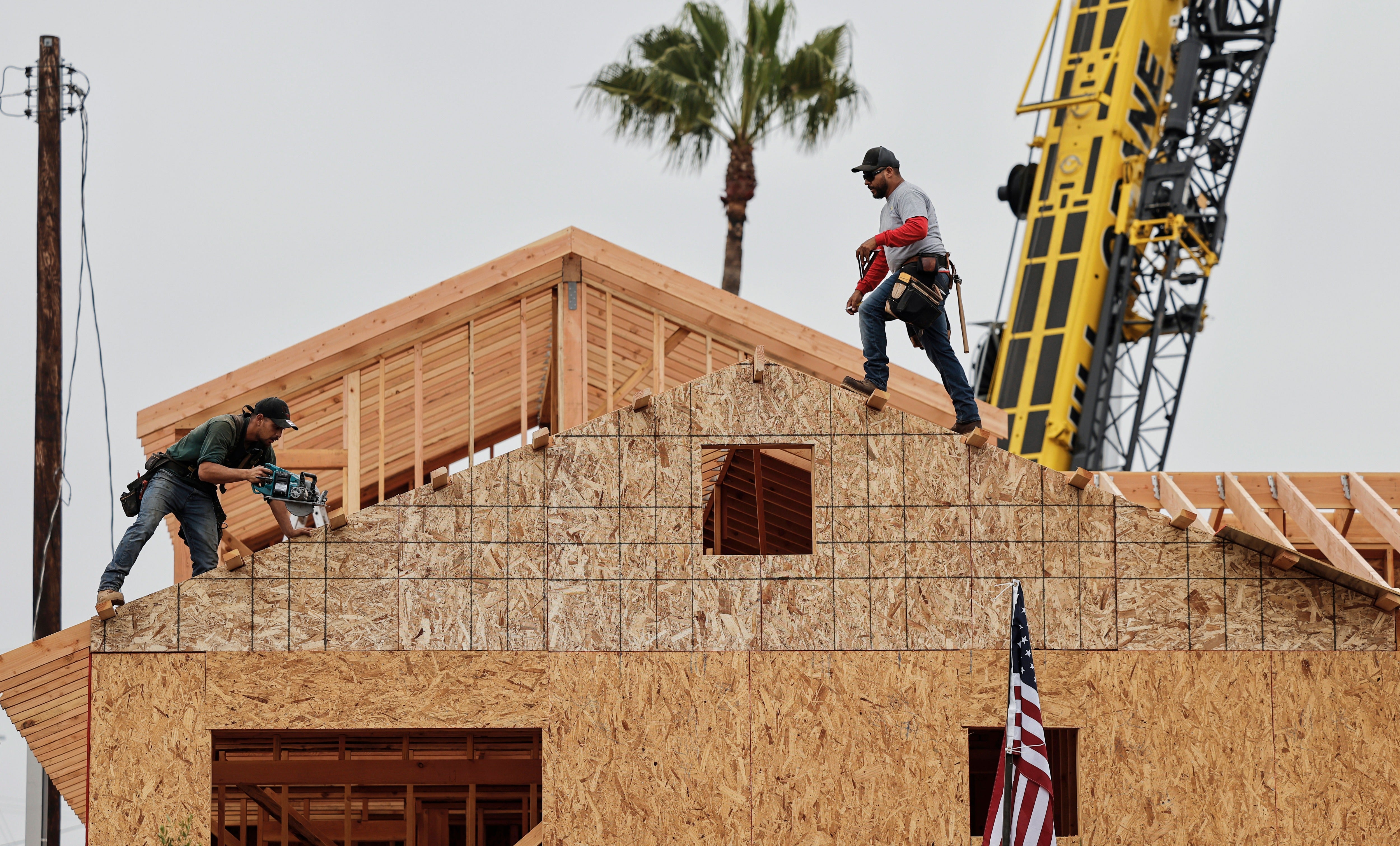 open image in gallery
Stevens’ office said the bill will provide a new incentive for Americans to pursue the trades at a time when the country needs more skilled workers in the sector.
Employment of both construction laborers and nurses is projected to grow 6 percent over the next decade or so — faster than the average for all careers, according to the U.S. Bureau of Labor Statistics.
Stevens’ bill still has to pass through Congress, where she could face some challenges given that Social Security funds are already running low.
The trust fund that pays for recipients’ benefits may run out by late 2032, according to a federal report released in June.
More about
Join our commenting forum
Join thought-provoking conversations, follow other Independent readers and see their replies
Most popular
Popular videos
Bulletin
Read next
Fonte: – World RSS Feed
