After each mass shooting, Americans respond in the same way
Por James C. Reynolds — – World RSS Feed
in focus After each mass shooting, Americans respond in the same way
As many as 370 mass shooting events have already occurred this year. Experts say the tragedies fuel even more gun purchases, writes James C. Reynolds
Friday 16 October 2026 12:26 BST
- Bookmark
- Comments Go to comments
Bookmark popover
Removed from bookmarks
Close popover

Become an Independent member to bookmark this article
Want to bookmark your favourite articles and stories to read or reference later? Start your Independent Membership today.
Already a member?
Log in
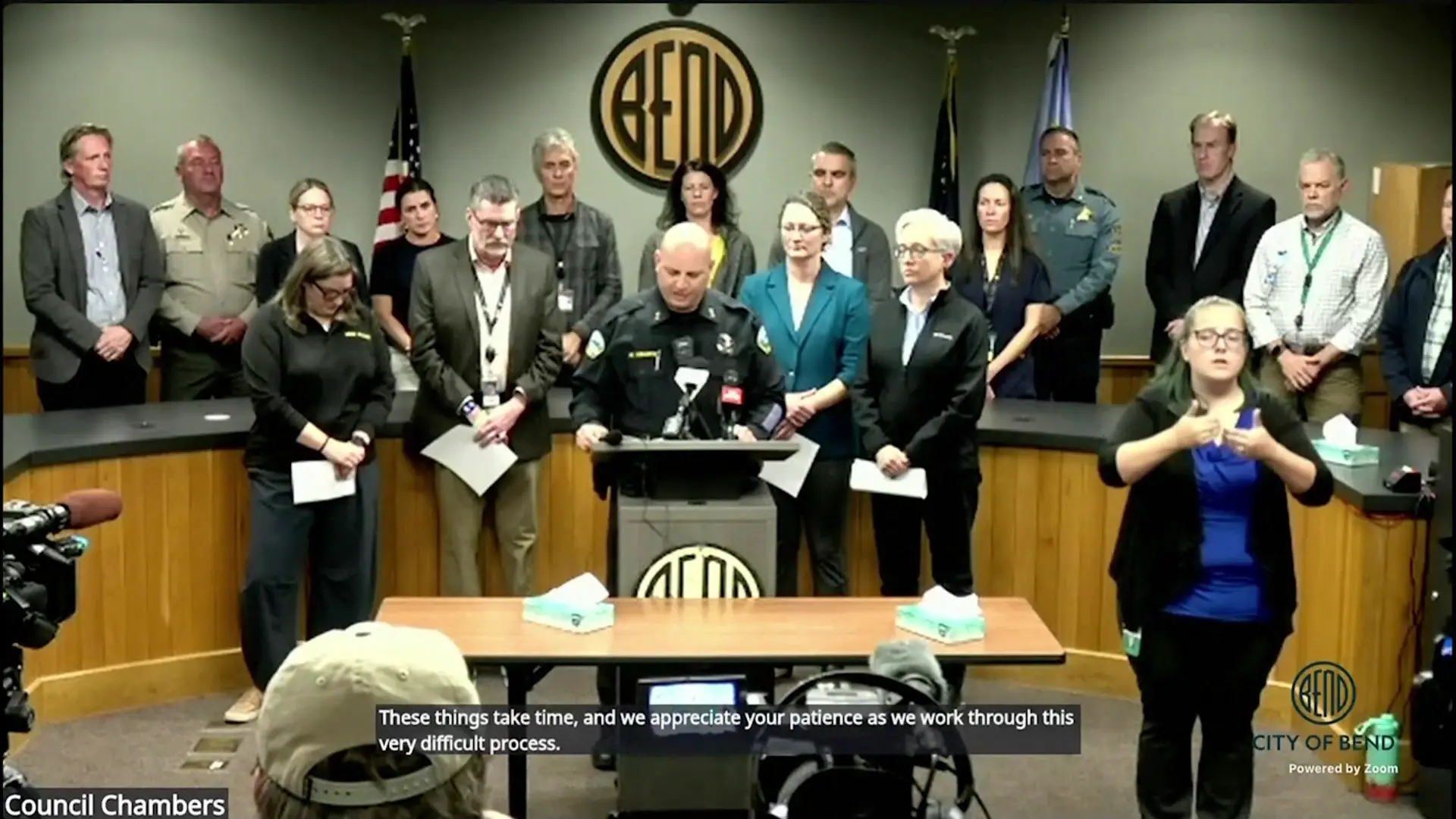
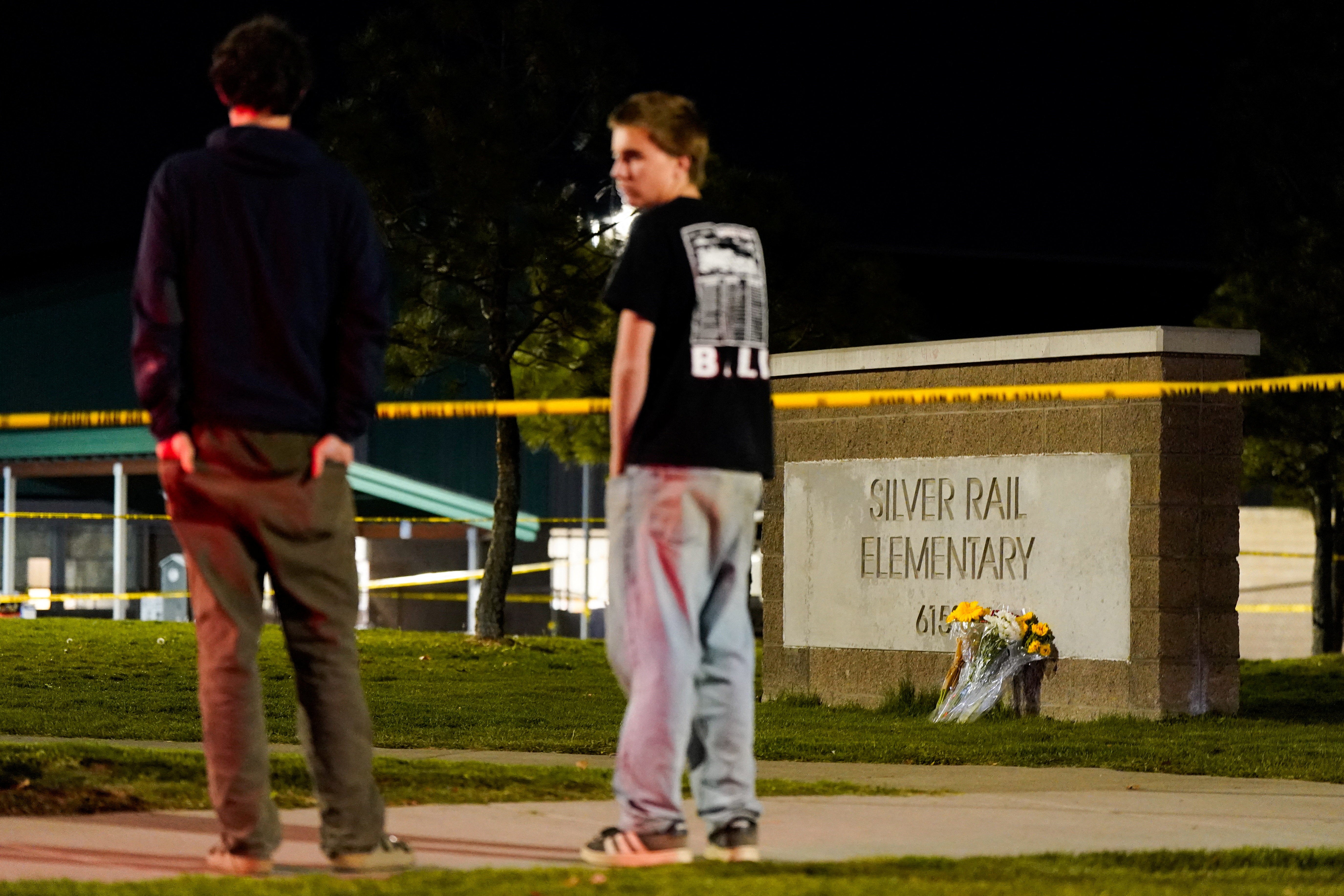
A 16-year-old shooter killed three children and a teacher at an elementary school in Oregon on Thursday before being shot dead by an armed local who had pursued the attacker into the school.
Children aged five, eight and 11 were among those killed, while a seven-year-old student and a teacher were taken to hospital with critical injuries, police said.
Oregon governor Tina Kotek thanked the member of the public who “heroically intervened to stop further loss of life”.
School shootings have become a recurring feature of American life, and each tragedy revives debates over gun laws in a country where gun rights are protected under the Constitution’s second amendment.
 open image in gallery
As of 15 October, as many as 370 mass shooting events – defined as four or more people injured or killed, not including the shooter – have already occurred this year, according to a tally by the Gun Violence Archive.
Research shows that gun sales increase following mass shootings and in response to the law changes that follow, contributing to an ever-growing economy of violence.
Why do people buy guns after a shooting?
A 2022 study in the Journal of Policy Modeling found a significant rise in gun sales immediately after an attack, a trend that typically lasts for as long as three to six months.
The effect is larger following attacks with a higher number of casualties, they note. But most of the purchases come from current owners stockpiling weapons, which suggests they may be motivated by fears of impending gun control measures, the authors suggest.
Academics say that uncertainty and anxiety around future attacks also contribute to sales.
David Studdert, a professor of law and medicine at Stanford University, told the International Business Times (IBT) that while some are motivated by fears of new legislation in light of the event, others “are motivated by elevated feelings of insecurity and concerns for personal safety”.
 open image in gallery
Prof. Studdert said that there was limited research to suggest that gun purchases also increase following international terrorism events and unexpected election results, at least in California.
The authors of a 2019 study noted that gun sales went up after the 2001 World Trade Center attacks. But an increased fear of an attack does not always translate into gun sales, they noted.
Who buys guns after a shooting?
After the killing of George Floyd in 2020, and through the period of uncertainty that lingered through the Covid-19 pandemic, the percentage of US adults living in a home with a gun stood at 46 per cent.
According to a survey from NORC at the University of Chicago, one in five households bought a gun between March 2020 and March 2022. One in 20 adults in America bought a gun for the first time.
“Increasing gun sales during the pandemic were driven in nearly equal parts by people purchasing a gun for the first time and existing gun owners purchasing additional firearms,” said John Roman of NORC.
 open image in gallery
“New gun owners during the pandemic were much more likely to be younger and People of Color compared to pre-pandemic gun owners in America,” he added. The research showed that 86 per cent of first time buyers during Covid were under 45, compared to just 41 per cent before the pandemic.
NORC found that both groups had similar views on gun-control policies. Both first-time and pre-pandemic owners supported more permissive gun policies than non-gun owners, they reported.
A 2015 study found demand for guns rose with the likelihood of Barack Obama being elected in 2008. The authors suggested the increase was partially driven by fears of a future Obama gun-control policy.
The states that saw the biggest increase in demand were 20 per cent more likely to experience a shooting event after the election, the authors noted.
How are gun sales changing?
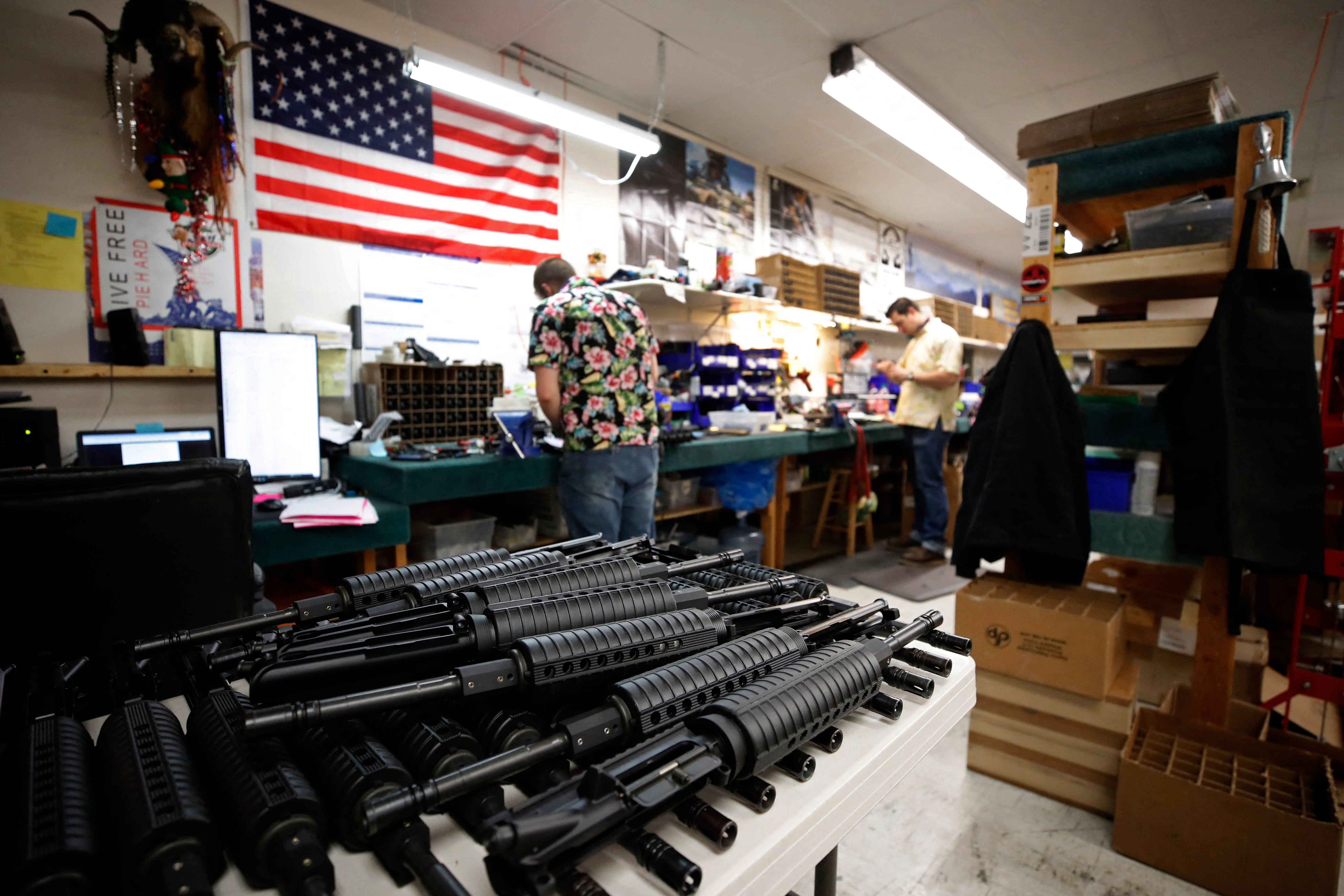
Gun sales in the US reached a record 23 million in 2020, up 65 per cent from 2019.
By comparison, an estimated 7.7 million guns were sold in the first six months of this year, up three per cent from the same period in 2025.
But the 15.5 million sold last year reflects a four per cent drop from 2024 and a steady trend away from the pandemic-era highs.
 open image in gallery
The figure is still higher than the 2010-2019 average, when around 13 million guns were sold legally in the US each year, according to the FBI.
Mass shooting events also hit a recent high during the pandemic. The number of events in which four or more people were killed or injured by gunshots, not including the shooter, in 2024 was 504. But that was a decrease from the 611 events seen in 2020, 689 in 2021 and 644 in 2022.
In 2019, there were 414 such events, up from 335 the year prior and 346 in 2017.
The first six months of this year saw a total 6,458 shooting deaths and 11,781 related injuries, according to the Gun Violence Archive. Those figures are the lowest since 2015.
More about
OregonUnited StatesSecond AmendmentFBIschool shootings
Join our commenting forum
Join thought-provoking conversations, follow other Independent readers and see their replies
Most popular
Popular videos
Bulletin
Read next
Fonte: – World RSS Feed