White House looking to Europe to release diesel from strategic reserves
Por Ben Lefebvre, James Bikales and Mike Soraghan — POLITICO – TOP Stories

The oil industry executives and White House energy advisers are pitching ideas to bring down record high diesel prices in a bid to persuade President Donald Trump not to impose an outright export ban on the fuel, four people familiar with the issue said.
Trump is expected to decide in the coming days what steps the administration can take to lower the cost of a fuel that has skyrocketed amid wars in the Middle East and Europe. Trump has multiple times voiced support for an export ban, an idea that the oil industry strongly opposes and that government officials in Europe and Latin America worry would leave them without a major source of the fuel that is crucial to their economies.
The idea pits the agriculture sector against the oil industry, whose arguments have been backed by Energy Secretary Chris Wright. Oil and gas executives and analysts have said a ban wouldn’t work and would eventually drive up fuel prices.
‘The motivation is to stop a ban,” said one oil industry executive familiar with the conversations.
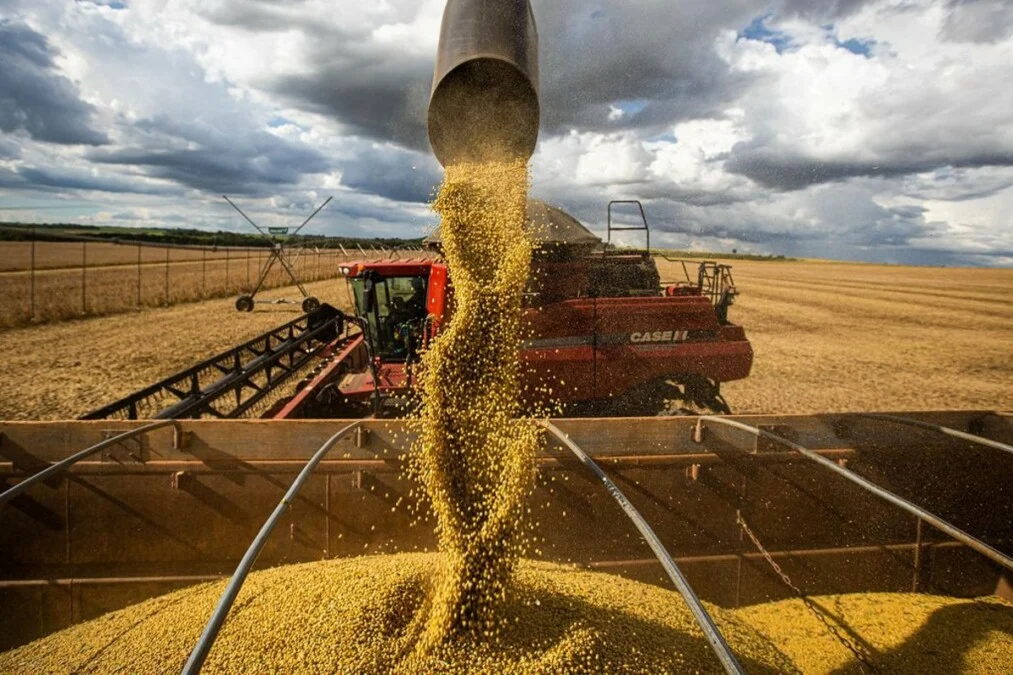
The average price of diesel was $6.44 on Tuesday, according to AAA, $2.75 higher than it was a year ago. The high price is hurting farmers during harvest season, angering a key GOP constituency with the mid-term elections just over a month away.
Among the ideas being floated is to ask European governments to release diesel from their own strategic reserves, said two people familiar with the discussions who were granted anonymity to discuss conversations with the White House.
The White House referred questions to the Energy Department, which announced Tuesday afternoon it was soliciting proposals for the remainder of its planned 172 million-barrel release from the U.S. Strategic Petroleum Reserve.
Wright said in a statement that the SPR move shows the U.S. “continues to lead the coordinated efforts to stabilize oil markets for the benefit of Americans and people around the world.”
“While the United States and Japan are delivering on their commitments, several European member countries have released only a fraction of the crude oil and petroleum products they pledged,” Wright said. “We urge every member country to fulfill its commitments.”
Interior Secretary Doug Burgum also separately suggested Tuesday morning that the administration is eyeing Europe’s stockpiles.
“The administration is discussing a lot of options and I don’t want to get ahead of anybody, but it is a fact that the Europeans have a lot of diesel reserves,” Burgum told reporters at an event in Washington.
Europe reportedly holds the world’s largest combined commercial and government diesel reserves, with more than 350 million barrels of the fuel held in various countries, said Paul Hickin, chief economist and editor-in-chief at Petroleum Economist, a London-based journal.
A diesel release from reserves “could shave the winter risk premium and ease the pull on US barrels, so it may well help Washington avoid a ban,” Hickin said. “But it would buy a few months, not solve anything. It also asks Europe to spend its insurance to fix a US political problem, at a moment when its own commercial stocks are near multi-year lows.“
A spokesperson for the German Ministry for Economic Affairs and Energy said the government there would be unlikely to agree to releasing diesel from its reserves short of physical scarcity.
“We do not speculate about future events,” the spokesperson said. “What is clear is that releases will only occur in the event of potential shortages. The release…is not intended to stabilize prices; that would lead to speculation in the market. No further releases are currently planned.”
The administration is also asking European Union member states if they could help coordinate releases from diesel stockpiles held by private companies, said one government official familiar with the conversations.
The White House has been considering other ideas that staff could present to Trump include allowing more use of tax-exempt dyed diesel and directing states to reduce or cut their diesel taxes, people familiar with the talks told POLITICO last week. Alabama, Louisiana and other southern states have said they would make dyed diesel more widely available. Diesel and gasoline prices have dropped slightly this week, easing some immediate pressure to act.
Some GOP lawmakers have criticized the idea of cutting taxes on diesel, which help to pay for road repairs.
“Yeah, you can do that, but you’re going to be leaving a deficit,” Sen. Alan Armstrong (R-Okla.) said in an interview on whether states should temporarily suspend excise taxes on fuel. “It’s not like we’ve got a bunch of states that are overfunded right now … You’re playing games with that and I think the real answer is to get our permitting reform bill done.”
Joana Lehner, Pavan Acharya and Scott Waldman contributed to this report.
Fonte: POLITICO – TOP Stories