Fish are tweaking on antidepressants — here’s how they’re getting them
Por Julia Musto — – World RSS Feed
Fish are tweaking on antidepressants — here’s how they’re getting them
Fish might not be the only animals affected, too.
Julia Musto in New York Monday 21 September 2026 21:16 BST
- Bookmark
- Comments Go to comments
Bookmark popover
Removed from bookmarks
Close popover
Your support helps us to tell the story
Read more Support Now
From reproductive rights to climate change to Big Tech, The Independent is on the ground when the story is developing. Whether it’s investigating the financials of Elon Musk’s pro-Trump PAC or producing our latest documentary, ‘The A Word’, which shines a light on the American women fighting for reproductive rights, we know how important it is to parse out the facts from the messaging.
At such a critical moment in US history, we need reporters on the ground. Your donation allows us to keep sending journalists to speak to both sides of the story.
The Independent is trusted by Americans across the entire political spectrum. And unlike many other quality news outlets, we choose not to lock Americans out of our reporting and analysis with paywalls. We believe quality journalism should be available to everyone, paid for by those who can afford it.
Your support makes all the difference. Read more
We’re exposing fish to our antidepressants — and it’s messing them up, a new study shows.
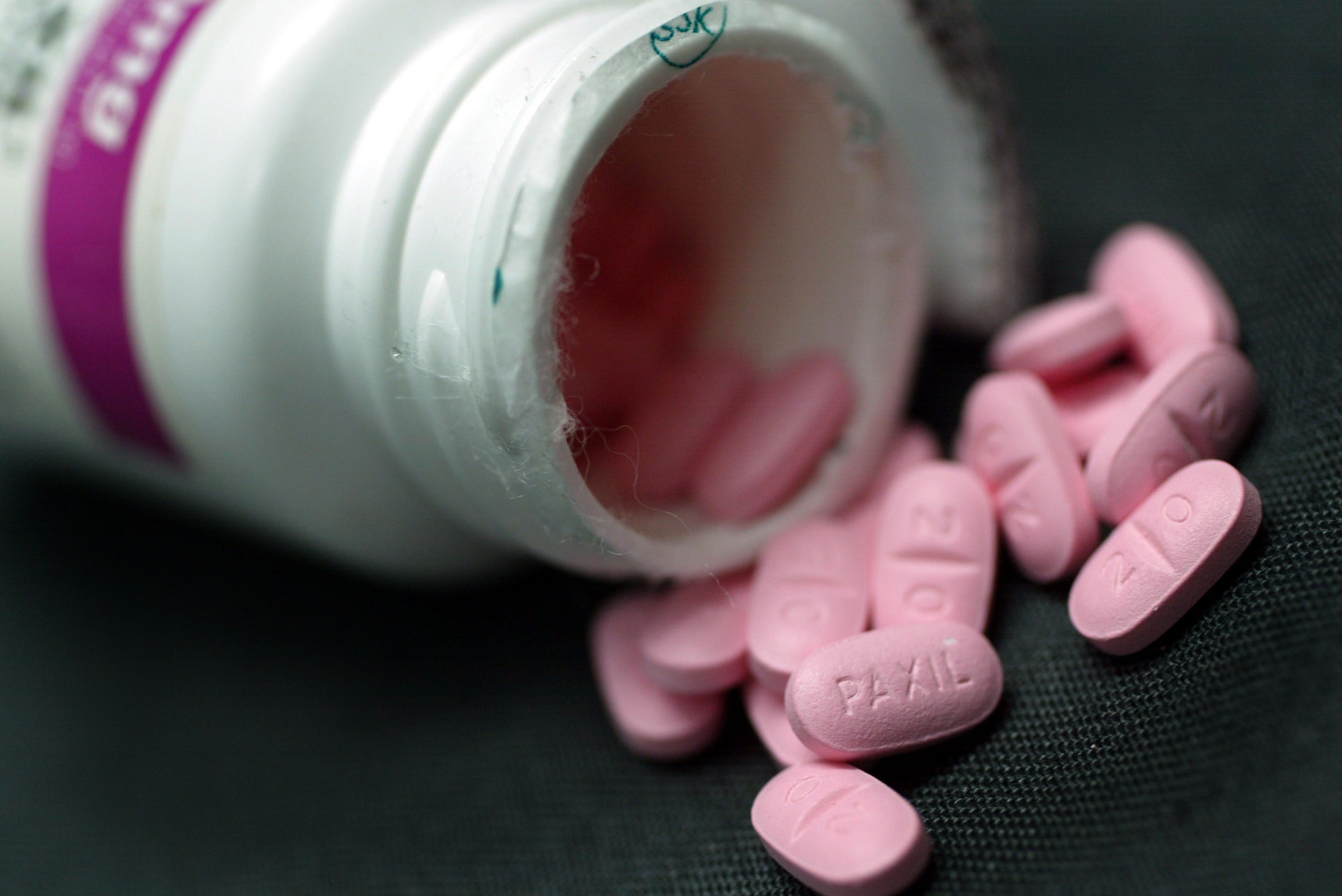
One in six American adults take the drugs. Later, they pee them out — but antidepressants are still effective when they leave the body, according to Japanese researchers.
When that wastewater ends up in an ocean or river, the meds can cause changes in fish brain chemistry. And the research reveals that fish are more sensitive to the drugs than humans, with possibly broader implications for marine ecosystems.
“By demonstrating that key molecular targets in fish can be more sensitive than their human equivalents, our work offers crucial insights into the potential risks of pharmaceutical exposure to aquatic wildlife,” Shinichi Miyagawa, a professor at Japan’s Tokyo University of Science, said in an August statement.
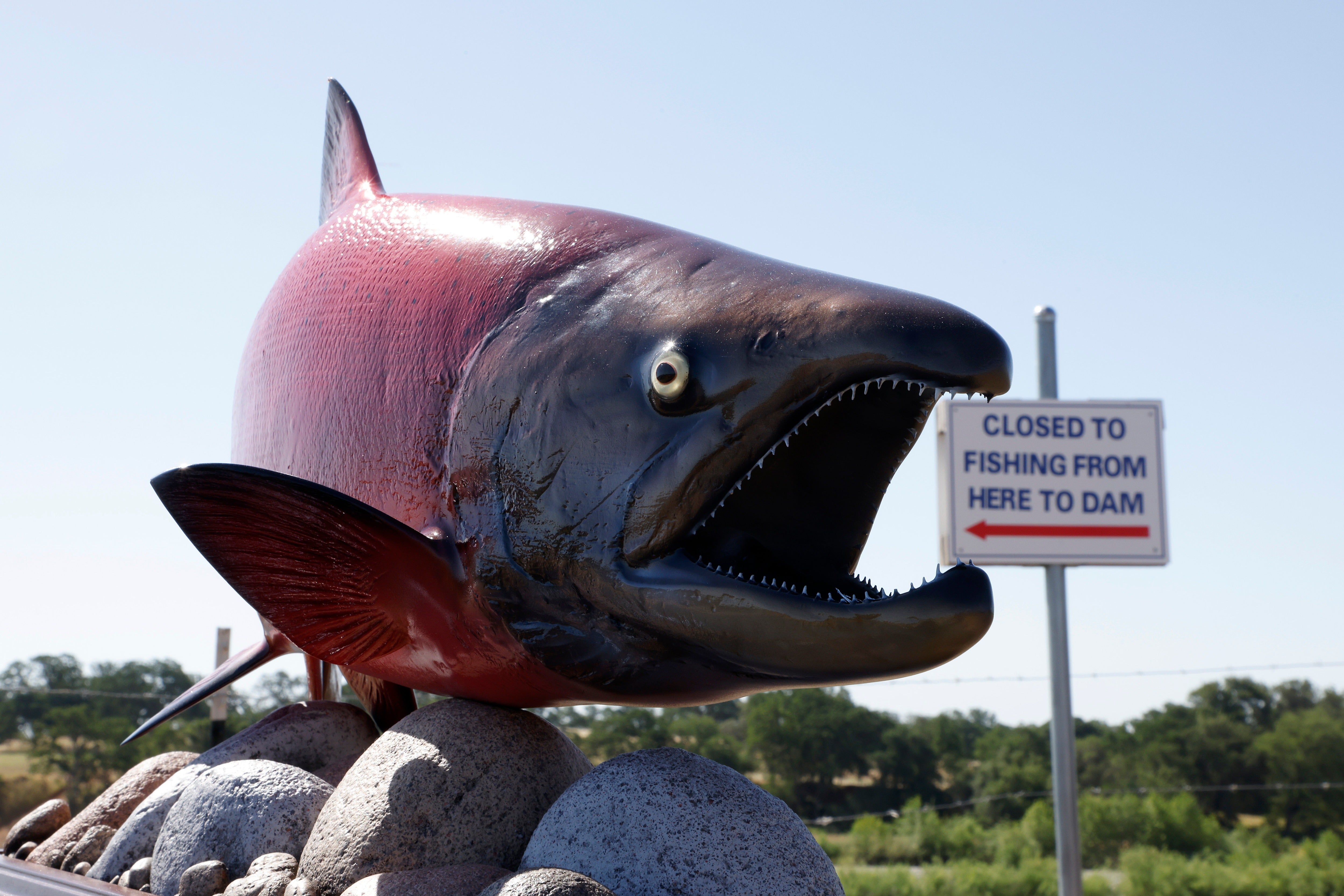
The researchers looked at the impact of the antidepressants on two species of Japanese fish: medaka and ayu.
 open image in gallery
Fish use the same neurotransmitters as humans – the body’s chemical messengers, including the happy hormones dopamine and serotonin – which is why the drugs can also interfere with a fish’s behavior and body function.
The drugs often work in humans to change levels of these hormones by engaging with proteins that regulate neurotransmitters, called “monoamine transporters.”
There are three types of these proteins: one known as SERT for its regulation of serotonin, another known as DAT for dopamine and a third called NET for norepinephrine: a messenger that triggers a fight or flight response.
Fish also have versions of these proteins, but it had been unclear if they responded to drugs in similar ways.
 open image in gallery
To better understand this, the researchers cloned genes from the fish and created genetically-engineered human cells.
The cells were exposed to antidepressants and the researchers were able to see that proteins in the fish – especially serotonin – were more sensitive to the drugs.
The tests showed that it took drug concentrations that were sometimes more 10 times lower to shut down the fish version of the SERT protein than in the human ones.
And some drugs not typically believed to engage these proteins in humans still affected fish proteins. That may indicate there could be more unforeseen side effects in fish or other animals that are exposed to the water.
.jpeg) open image in gallery
open image in gallery“Fish can be seen as the canaries in the coal mine,” Sigal Balshine, a professor at Canada’s McMaster University who worked on similar research, said in a release in 2017.
The researchers also found that the concentrations of the drugs needed to engage the proteins in the tests has been measured in polluted waterways.
Future studies will look at how drugs can impact ecosystems and biology.
Previous and separate studies have found fish in Texas were on the antidepressant Prozac, some has tested positive for opioids and become more aggressive.
More about
Join our commenting forum
Join thought-provoking conversations, follow other Independent readers and see their replies
Most popular
Popular videos
Bulletin
Read next
Fonte: – World RSS Feed