The US has a new species of mosquito – but little is known about it
Por Julia Musto — – World RSS Feed
The US has a new species of mosquito – but little is known about it
What is known? The species – previously only seen in Mexico – bites humans
Julia Musto in New York Wednesday 09 September 2026 21:53 BST
- Bookmark
- Comments Go to comments
Bookmark popover
Removed from bookmarks
Close popover
Your support helps us to tell the story
Read more Support Now
From reproductive rights to climate change to Big Tech, The Independent is on the ground when the story is developing. Whether it’s investigating the financials of Elon Musk’s pro-Trump PAC or producing our latest documentary, ‘The A Word’, which shines a light on the American women fighting for reproductive rights, we know how important it is to parse out the facts from the messaging.
At such a critical moment in US history, we need reporters on the ground. Your donation allows us to keep sending journalists to speak to both sides of the story.
The Independent is trusted by Americans across the entire political spectrum. And unlike many other quality news outlets, we choose not to lock Americans out of our reporting and analysis with paywalls. We believe quality journalism should be available to everyone, paid for by those who can afford it.
Your support makes all the difference. Read more
A new species of mosquito has been found in the United States for the first time, Florida researchers announced this week.
The insect, Aedes amateuri, was previously only recorded in Mexico but scientists say they’ve now found the mosquito in southeastern Arizona’s Sky Islands.
The mosquito is known to feed on humans and other large mammals, the University of Florida said this week. But little else is known about the species, including whether it can spread disease.
“This discovery shows how important it is to remain vigilant in monitoring mosquitoes, because we are still detecting species that were previously unknown in the U.S., a region where they have been intensively studied for more than a century,” Lawrence Reeves, the scientist who documented the finding in a new study, said.
“It highlights how much we still have to learn about our country’s mosquito fauna, an understanding of which is essential for mitigating the impacts of mosquitoes.”
 open image in gallery
 open image in gallery
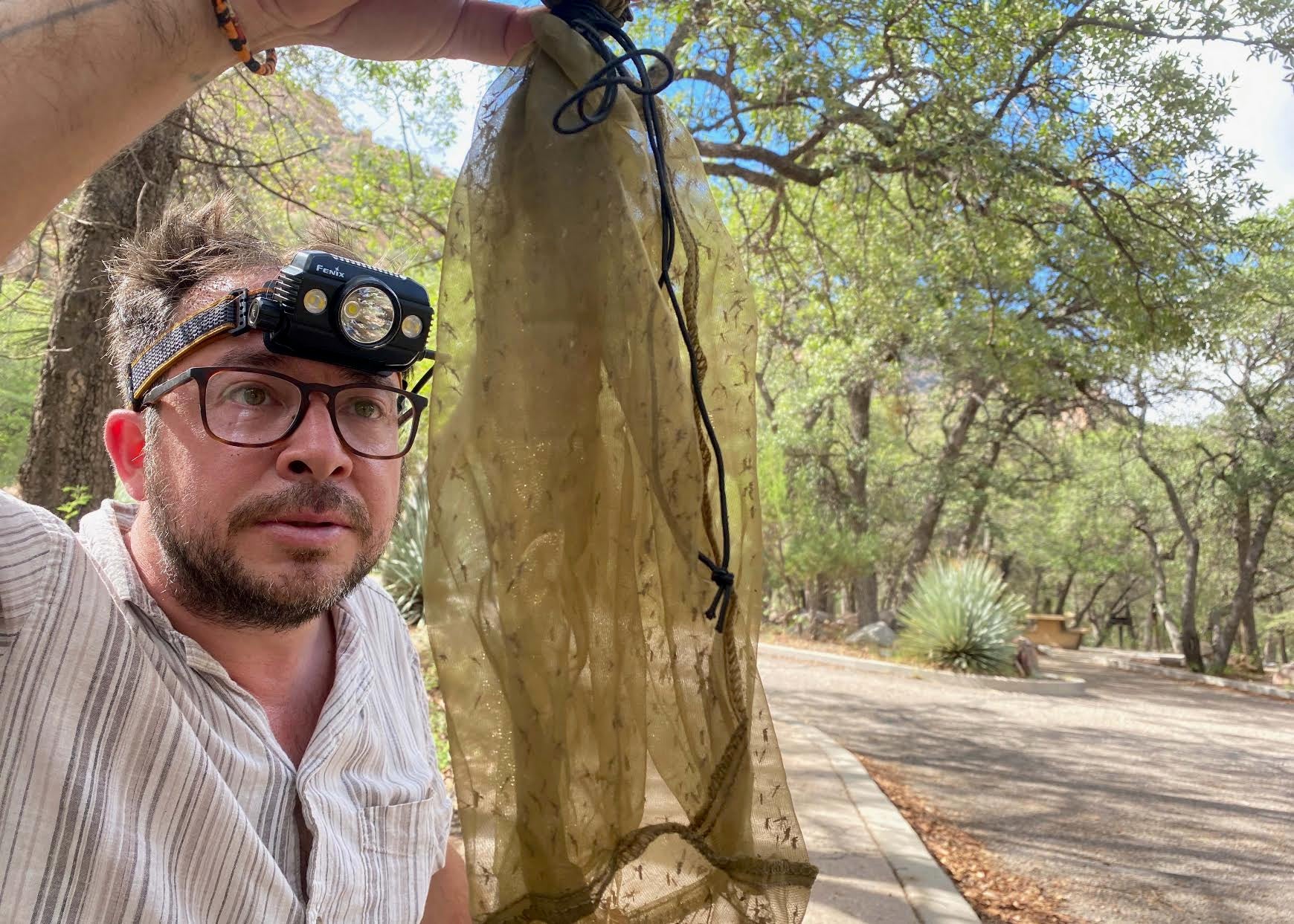
The mosquito has only been detected in the Santa Rita, Dragoon and Peloncillo mountain areas of Arizona.
The mosquitoes have yet to be detected in cities, but Reeves suspects it has likely spread to neighboring New Mexico, which has similar terrain.
The mosquito’s biology and habitat make it tricky to detect.
Scientists typically trace these mosquitoes to temporary pools of water that occur after warm monsoon rains. That means that adult mosquitoes may only prosper when the right amount of rain hits in the right place, the university said.
Arizona already has more than 40 species of mosquitoes, many of which spawn during the region’s wettest and warmest months between March and October, according to the state’s health department.
 open image in gallery
One of Arizona’s most populous mosquitoes known as the Aedes aegypti is also not native to the state but has helped West Nile virus spread among residents.
The infected mosquitoes bite humans and pass on the disease, which can be fatal for people with compromised immune systems.
Severe cases can lead to a high fever, coma, tremors, vision loss, paralysis and brain and spinal inflammation, the Centers for Disease Control and Prevention says.
New federal data shows Arizona and California have the most cases of West Nile virus right now.
The state has seen heavy rainfall over the last month amid record summer temperatures that allow the atmosphere to hold more moisture.
That’s a pattern seen nationwide and this summer was the hottest on record in the contiguous U.S., the National Oceanic and Atmospheric Administration said Wednesday.
More about
MosquitoArizonaspeciesFloridaStudyinsect
Join our commenting forum
Join thought-provoking conversations, follow other Independent readers and see their replies
Most popular
Popular videos
Bulletin
Read next
Fonte: – World RSS Feed