Israel and Morocco deepen diplomatic ties as they agree to open embassies
Por Yomna Ehab and Menna Alaa El-Din — – World RSS Feed
Israel and Morocco deepen diplomatic ties as they agree to open embassies
Morocco moved towards normalising relations with Israel in 2020 under the US-engineered Abraham accords
Yomna Ehab & Menna Alaa El-Din Thursday 17 September 2026 11:46 BST
- Bookmark
- Comments Go to comments
Bookmark popover
Removed from bookmarks
Close popover
Your support helps us to tell the story
Read more Support Now
From reproductive rights to climate change to Big Tech, The Independent is on the ground when the story is developing. Whether it’s investigating the financials of Elon Musk’s pro-Trump PAC or producing our latest documentary, ‘The A Word’, which shines a light on the American women fighting for reproductive rights, we know how important it is to parse out the facts from the messaging.
At such a critical moment in US history, we need reporters on the ground. Your donation allows us to keep sending journalists to speak to both sides of the story.
The Independent is trusted by Americans across the entire political spectrum. And unlike many other quality news outlets, we choose not to lock Americans out of our reporting and analysis with paywalls. We believe quality journalism should be available to everyone, paid for by those who can afford it.
Your support makes all the difference. Read more
Israel and Morocco have agreed to step up diplomatic ties, including opening embassies and appointing ambassadors, according to an Arabic statement posted Wednesday on X by an official Israeli government account.
Morocco was one of four Arab nations – alongside Bahrain, Sudan and the United Arab Emirates – to move towards normalising relations with Israel in 2020 under US-engineered Abraham accords. Israel maintains separate peace treaties with Egypt and Jordan.
The agreements raised Palestinian concerns regarding the viability of a long-standing pan-Arab position calling for Israeli withdrawal from occupied territory and the acceptance of Palestinian statehood in exchange for normalised relations with Arab countries.
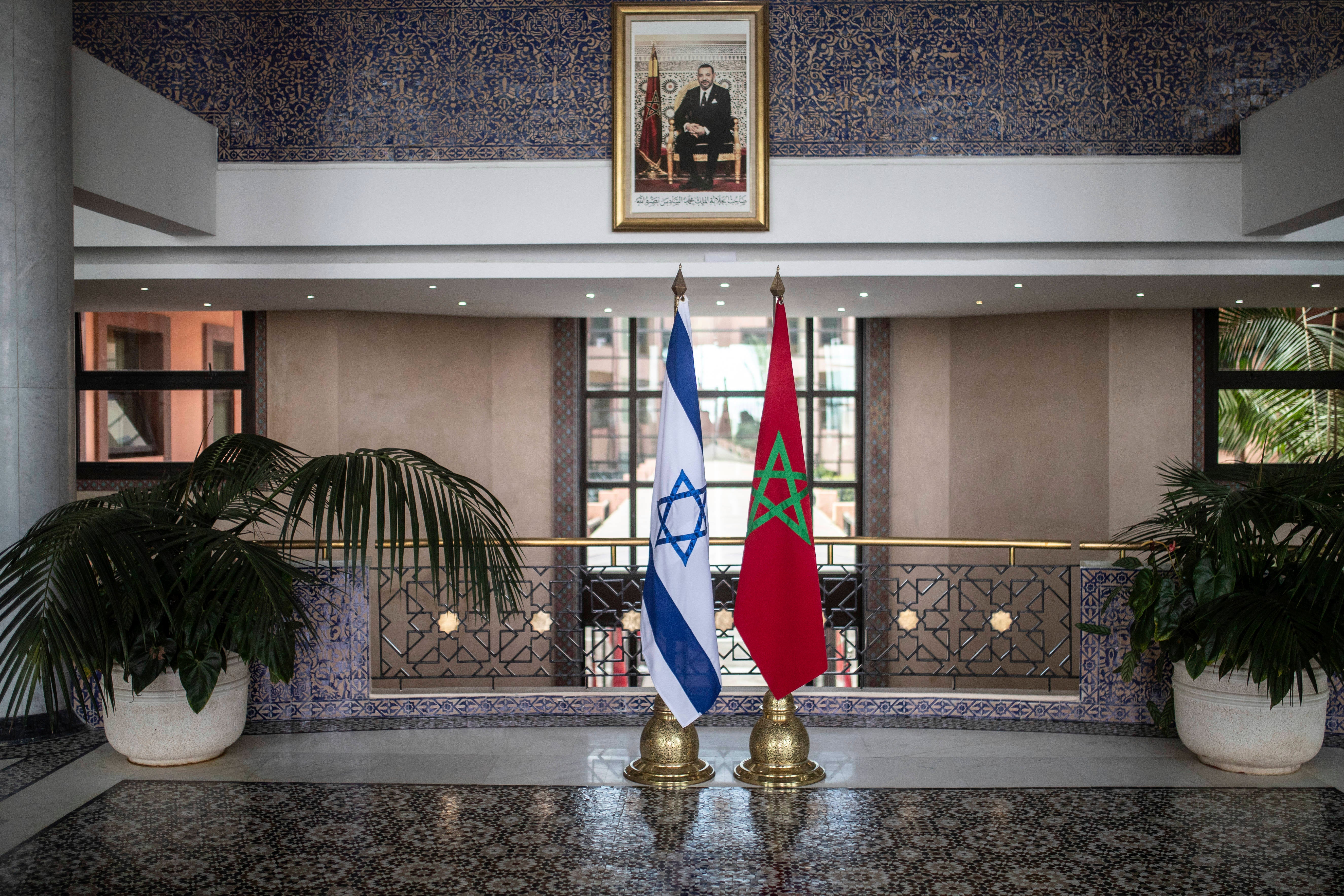
The statement said a tripartite meeting was held in New York between Israeli Foreign Minister Gideon Saar, Moroccan counterpart Nasser Bourita and U.S. ambassador to the United Nations Mike Waltz.
 open image in gallery
The officials affirmed commitment to a series of steps aimed at advancing ties between Israel and Morocco, including “elevating their respective diplomatic missions to the level of embassies, and appointing ambassadors,” according to the statement.
They also agreed to expand flights between Israel and Morocco and work on finalizing agreements aimed at facilitating mutual investments and economic and trade ties.
The Abraham accords deal has delivered something Moroccan diplomats had chased for years: U.S. support for Morocco’s claims over the disputed Western Sahara. But its cost — growing public resentment toward normalization — has ballooned throughout the Israel-Hamas war.
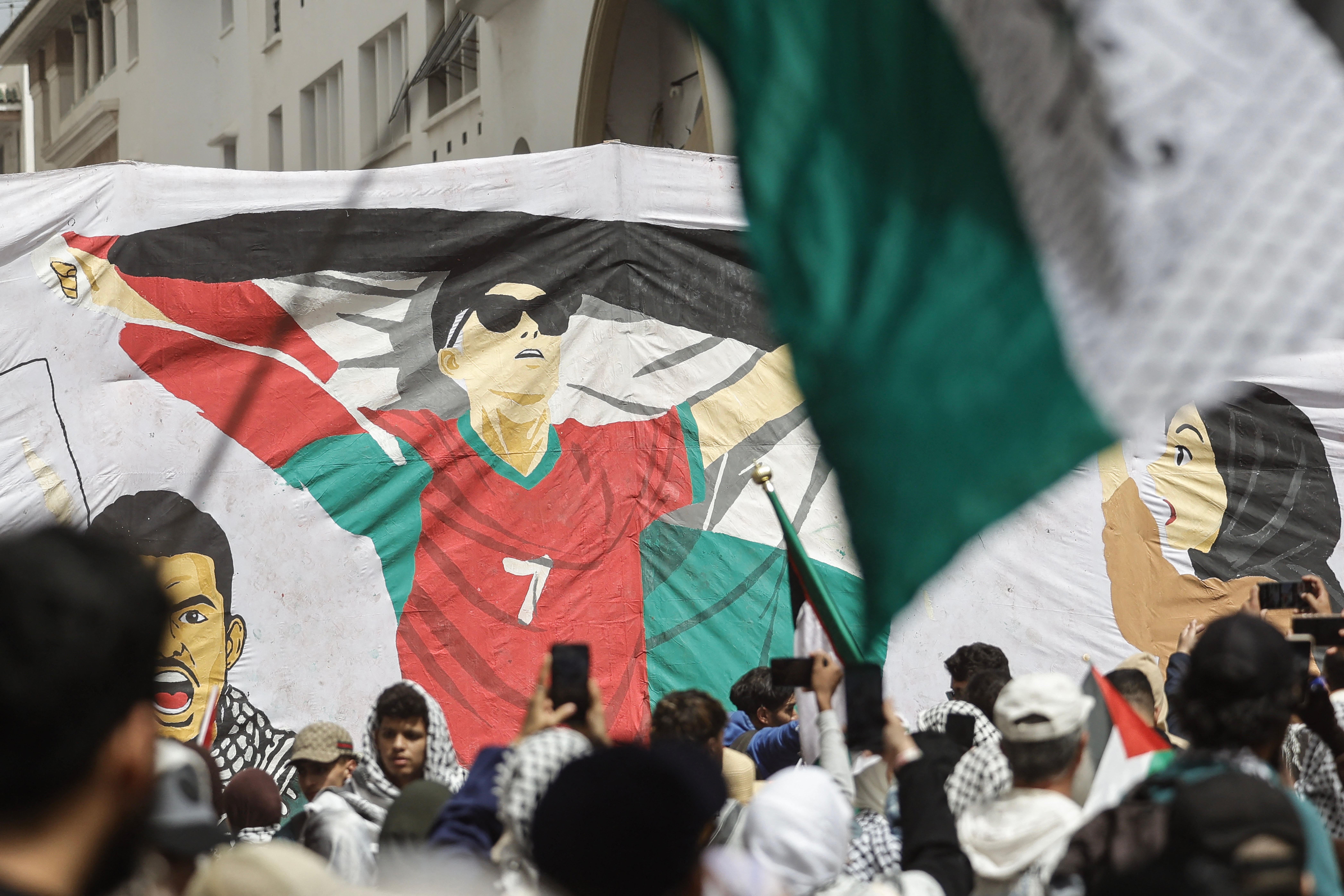
Tens of thousands have taken to the streets of Morocco since the Israel-Gaza war began. While largely made up of families, students, Islamists, leftists and union members, the protests have also drawn more radical voices. Some have burned Israeli flags or chanted against royal adviser André Azoulay, a Jewish Moroccan.
 open image in gallery
Morocco’s constitution generally allows for freedom of expression, although it is illegal to criticize the monarchy or King Mohammed VI and those who do can face prosecution. Throughout the war, activists who have implicated the monarchy on social media or protested businesses targeted by boycotts due to their operations in Israel have received prison sentences.
The constraints mirror Egypt and Jordan, which like Morocco have publicly sympathized with the Palestinians, maintained ties with Israel and imprisoned activists who direct their ire toward the government.
Additional reporting by AP.
More about
IsraelMoroccoBahrainSudanUnited Arab EmiratesPalestine
Join our commenting forum
Join thought-provoking conversations, follow other Independent readers and see their replies
Most popular
Popular videos
Bulletin
Read next
Fonte: – World RSS Feed