Historic first or symbolic gesture? What Canada’s associate membership with the European Union could look like
Por James C. Reynolds — – World RSS Feed
in focus Historic first or symbolic gesture? What Canada’s associate membership with the European Union could look like
Canada is looking for closer ties with the European Union amid a deepening trade war with the United States and clashes with Donald Trump. James C. Reynolds looks at what we know so far
Wednesday 16 September 2026 17:06 BST
- Bookmark
- Comments Go to comments
Bookmark popover
Removed from bookmarks
Close popover
Your support helps us to tell the story
Read more Support Now
From reproductive rights to climate change to Big Tech, The Independent is on the ground when the story is developing. Whether it’s investigating the financials of Elon Musk’s pro-Trump PAC or producing our latest documentary, ‘The A Word’, which shines a light on the American women fighting for reproductive rights, we know how important it is to parse out the facts from the messaging.
At such a critical moment in US history, we need reporters on the ground. Your donation allows us to keep sending journalists to speak to both sides of the story.
The Independent is trusted by Americans across the entire political spectrum. And unlike many other quality news outlets, we choose not to lock Americans out of our reporting and analysis with paywalls. We believe quality journalism should be available to everyone, paid for by those who can afford it.
Your support makes all the difference. Read more
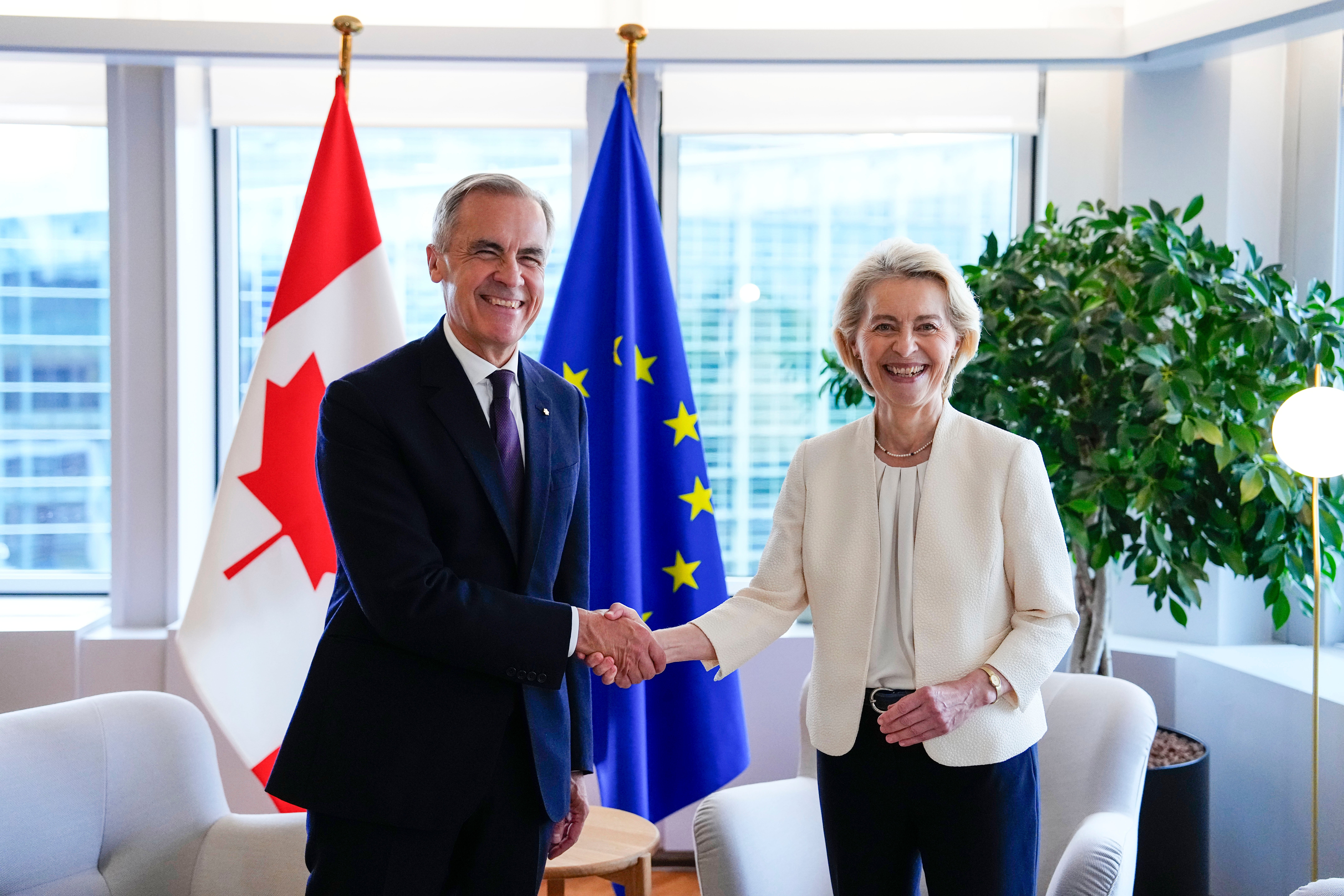
E uropean Commission president Ursula von der Leyen has proposed Canada becoming the EU’s first associate member, just as relations between Ottawa and its historic ally in Washington deteriorate.
Canadian premier Mark Carney said he was seeking a “unique” arrangement with the bloc, as he pushes for new alliances in the wake of repeated threats from US president Donald Trump against Canada’s sovereignty.
However there is currently no such status as “associate member” set out in the EU’s treaties, and such an alliance would force a significant shift in EU policy. It could also create new questions for the future of ties with the United Kingdom and Australia.
The Independent looks at what associate membership could mean for Canada and the European Union.
 open image in gallery
What is being proposed?
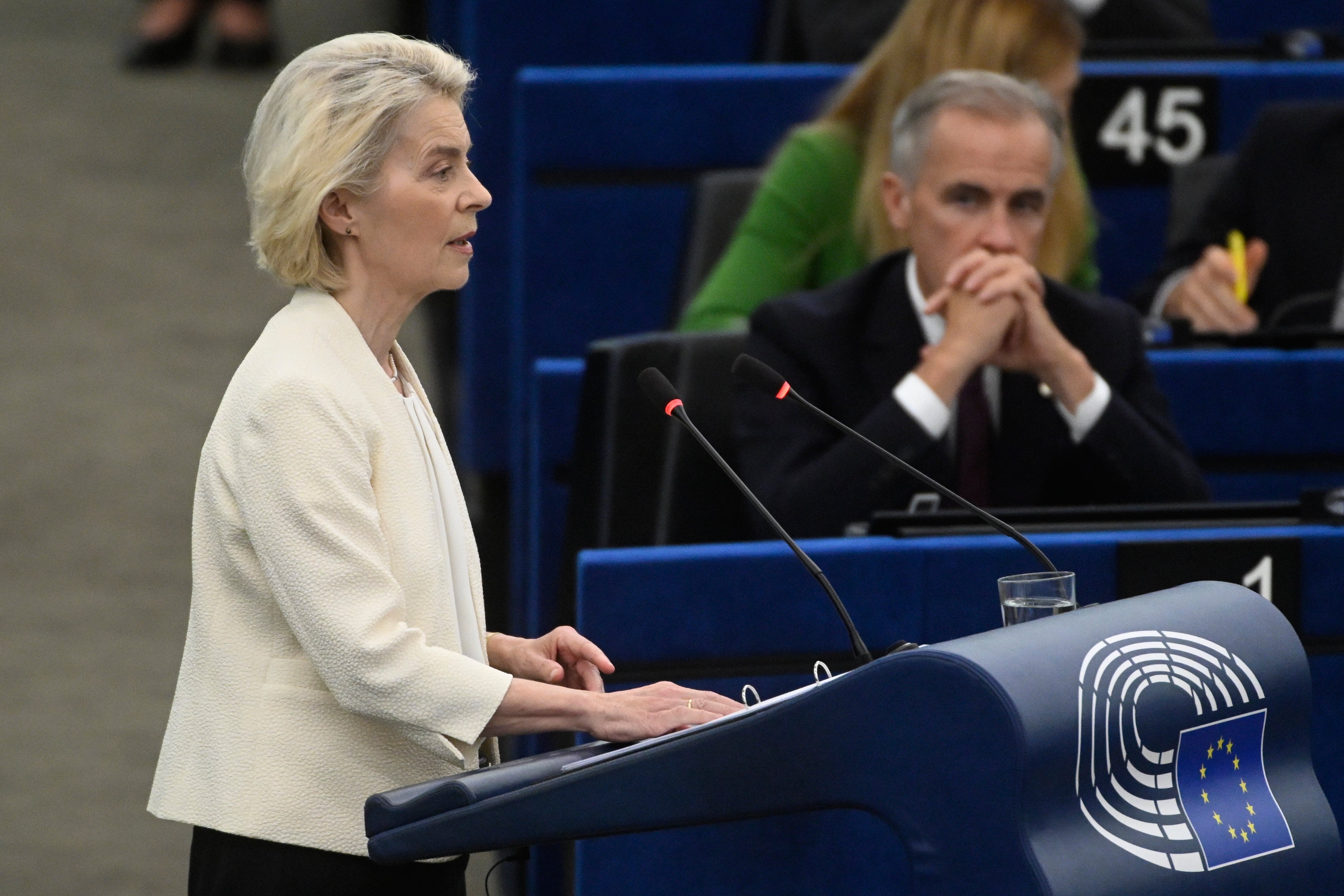
Von der Leyen said in her annual State of the EU address on Wednesday she would like to work with Carney “on opening the door for Canada being the first associate member of the EU”.
The comments followed days of discussion around a potential bespoke agreement after Carney said he was looking for a unique accord, outside of EU membership, after trade talks with the US fell apart last month.
‘Associate membership’ has no binding definition in EU law but has been floated in policy proposals in recent years.
In her speech, von der Leyen said the EU and Canada would create a “common prosperity and economic space”.
This would include joint work on manufacturing, a tech alliance, integration of defence industrial bases, the Arctic, AI, energy and critical minerals.
 open image in gallery
According to the BBC, the EU and Canada unofficially see the prospect of a deeper partnership as the way to reduce reliance on the US in several key areas, as outlined by the European Commission chief.
Crucially, Canada has knowledge and resources in all of these spaces – and some backing from its European partners.
Finland’s President Alexander Stubb said of a potential alliance in the Wall Street Journal: “Wouldn’t it be lovely if Canada was the 28th state of the European Union rather than the 51st state of the United States.”
But EU insiders have raised concerns about the complications of creating an arrangement that does not yet exist in law – and indeed has not yet been clearly defined.
One EU diplomat expressed surprise at von der Leyen’s comments, saying “nobody really knows what it means”. The diplomat added there were concerns that the European Commission chief “is overpromising and won’t be able to deliver”.
 open image in gallery
Canada would be breaking new ground
In May, Germany proposed war-torn Ukraine joining the EU as an associate member – but received a lukewarm reaction.
At the time, the European Commission said any solution needed to respect the “merit-based” nature of the layered accession process, and diplomats argued that entire treaties would need to change to accommodate such an arrangement.
And yet, this week, von der Leyen received a standing ovation in her assertion that that bloc must “urgently reimagine our partnerships” and welcome Canada in as “the first associate member” of the EU.
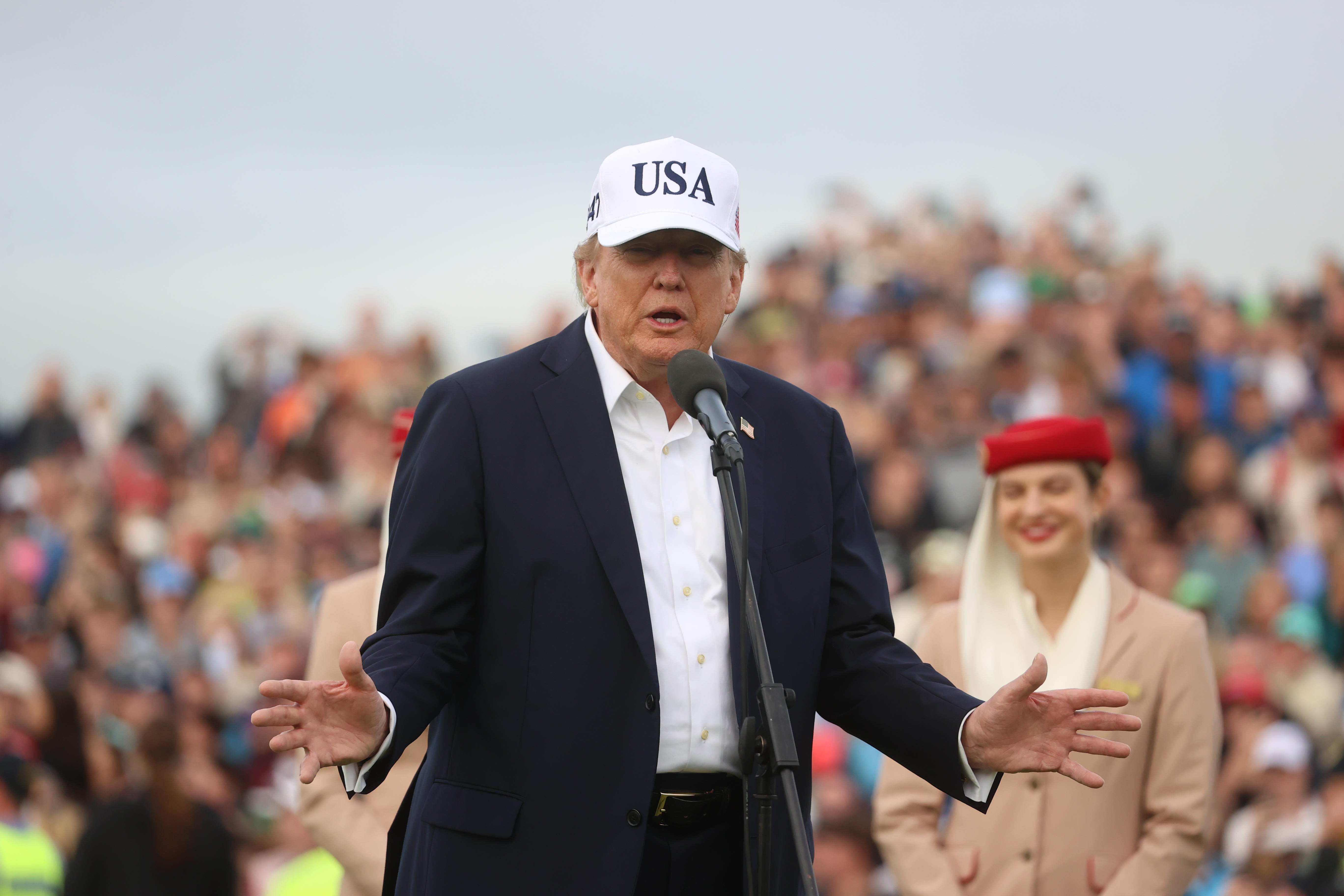
She was notably careful to stress that this was “a partnership not against anyone else”, possibly trying to anticipate backlash from president Trump.
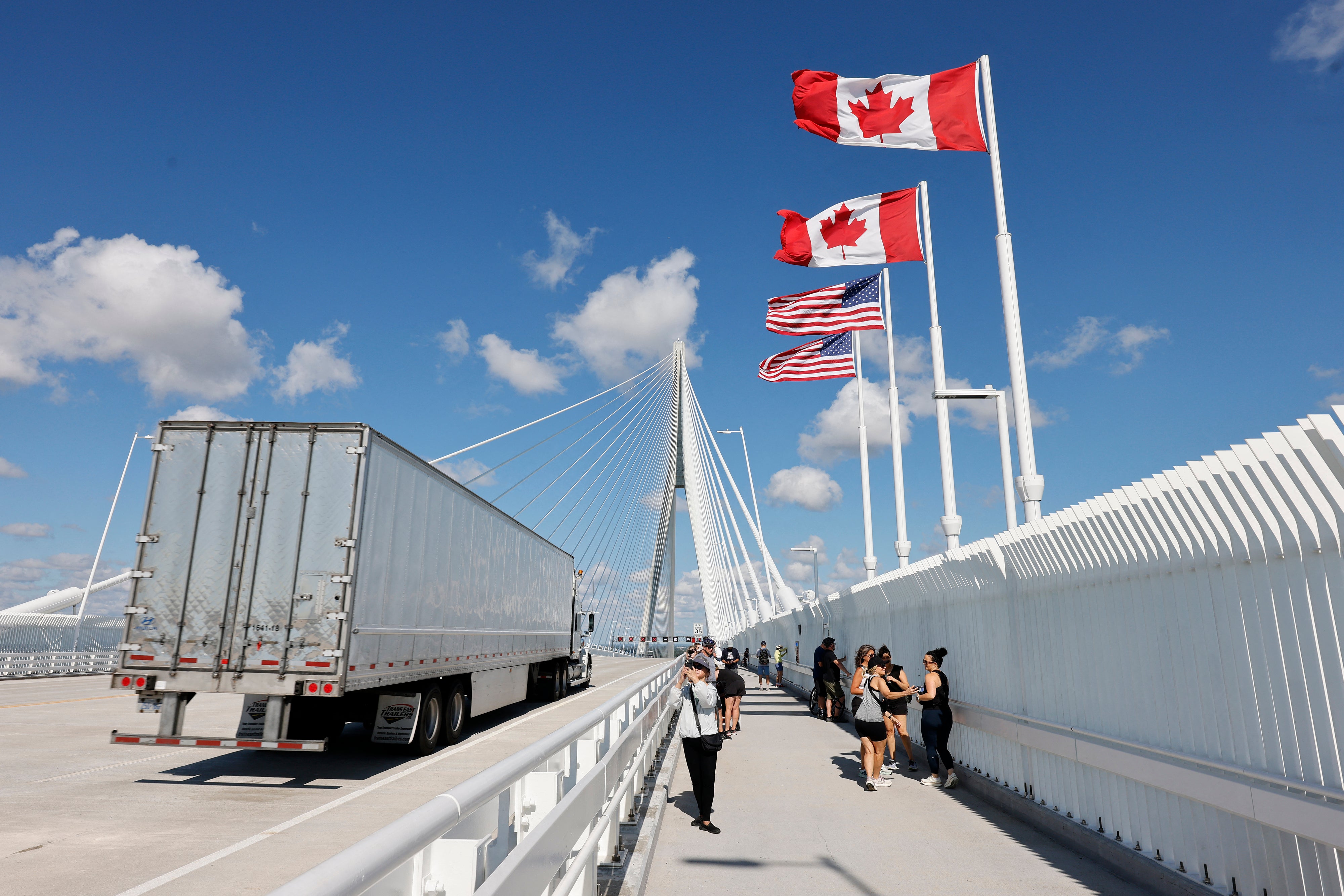
Both Canada and the EU want to forge deeper cooperation to counter US and Chinese economic dominance as well as preserve democracy and the rules-based international order, which they see as under threat.
Australian trade minister Don Farrell also said on Tuesday that they were “on the same page” as Canada, without elaborating on whether Canberra was actively seeking deeper relations or what form that could take.
 open image in gallery
What associate membership might look like
A French-German working group proposed something called ‘associated membership’ back in 2023 as part of institutional reform aimed at enlarging the bloc by 2030, highlighting the urgency of geopolitical shifts, crises and complexities.
The report – explicitly not the official position of the French/German governments – proposed having four tiers of European integration, made up of (1) an inner circle of deep integration; (2) the EU itself; (3) a larger circle of “associate members”; and (4) the wider European Political Community, engaged in cooperation without subscribing to EU law.
According to those proposals, associate members would be able to participate in the €18trn single market, allowing goods, services, money, and people to move across borders without tariffs.
But Canada and the EU already have a trade agreement, called CETA. More than a decade after the deal was struck and nine years since it provisionally entered into force, several EU countries still have not ratified it.
And if Canada wishes to become locked into the EU’s Single Market, it would need to reconcile its norms and regulations to match EU law.
Canada would become a rule-taker with no say on policy if it entered the Single Market without full membership like Iceland, Norway, Switzerland and Liechtenstein who are members of the European Economic Area.
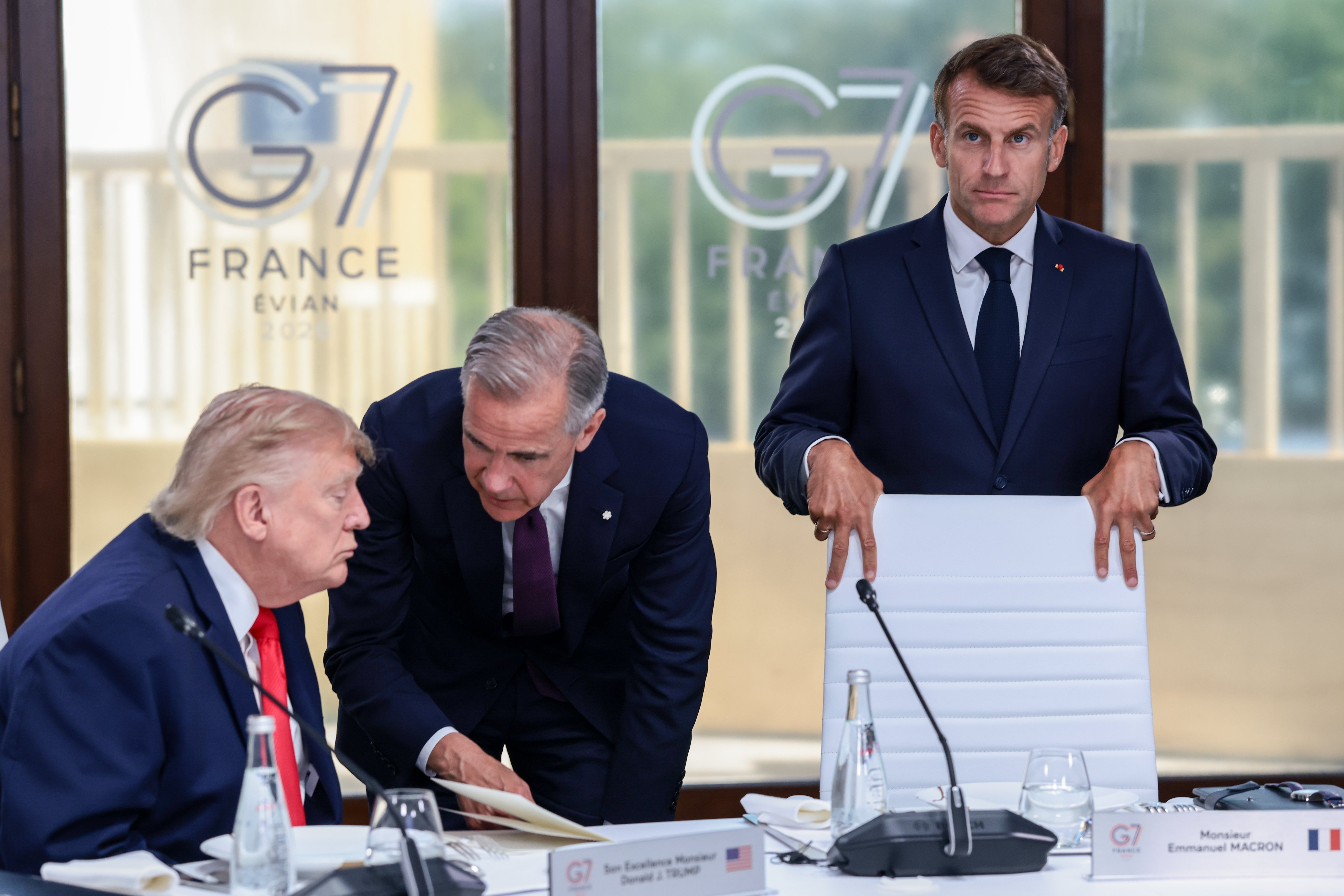 open image in gallery
The 2023 proposals suggest they would not have to participate in deeper political integration in areas like justice, home affairs or EU citizenship, however.
Based on those proposals, associate members would also not be represented in the European Parliament or the Commission but would have speaking without voting rights in the council and offered associate membership in relevant EU agencies.
They might have to pay into the EU budget on a lower level with fewer benefits.
It was suggested the UK could operate in the fourth circle, involving “political cooperation without having to be bound to EU law”.
Concerns any deal would be symbolic gesture
Dr Steven Blockmans, deputy director at the International Centre for Defence and Security, told EuroNews that the alignment with Canada is “more about symbolism than anything else”.
“This is a notion that makes no legal sense,” he said, adding that it was still possible for Canada to “strengthen its trade relations with the EU in different domains”.
An EU diplomat echoed similar concerns to the FT: “We love the Canadians but everyone is very realistic about what’s possible and what’s not. Saying ‘everything but membership’ sounds good, but came across as not really thought through. But I don’t fault [Carney] for trying.”
Even among skeptics, there is consensus that the EU should intensify its collaboration with Canadian arms makers and critical mineral mining companies, EU diplomats involved in recent talks told the Financial Times.
On defence, when Germany proposed associate membership for Ukraine in May, chancellor Friedrich Merz envisioned a partnership whereby Ukraine could request more assistance from its neighbours against a Russian attack under Article 42.7 of the EU treaties – something that has been compared to Nato’s Article 5 on mutual defence.
The EU has said it could admit new members as soon as 2030. Montenegro, Albania, Ukraine and Moldova are the most advanced among candidate countries.
More about
CanadaEuropean UnionUrsula von der LeyenDonald TrumpMark CarneyUnited KingdomEuropean Commission
Join our commenting forum
Join thought-provoking conversations, follow other Independent readers and see their replies
Most popular
Popular videos
Bulletin
Read next
Fonte: – World RSS Feed

