Fishing company behind McDonald’s Filet-o-Fish devastates Alaska salmon and Native communities
Por Annika Hammerschlag — – World RSS Feed
Fishing company behind McDonald’s Filet-o-Fish devastates Alaska salmon and Native communities
‘We have this big void in our lives right now,’ said the commissioner for the Yukon River Inter-Tribal Fish Commission. ‘We’ve never had a generation that hasn’t had the opportunity to learn and be taught by elders and parents, and that has such a big impact on our youth’
Annika Hammerschlag Friday 09 October 2026 15:56 BST
- Bookmark
- Comments Go to comments
Bookmark popover
Removed from bookmarks
Close popover

Become an Independent member to bookmark this article
Want to bookmark your favourite articles and stories to read or reference later? Start your Independent Membership today.
Already a member?
Log in
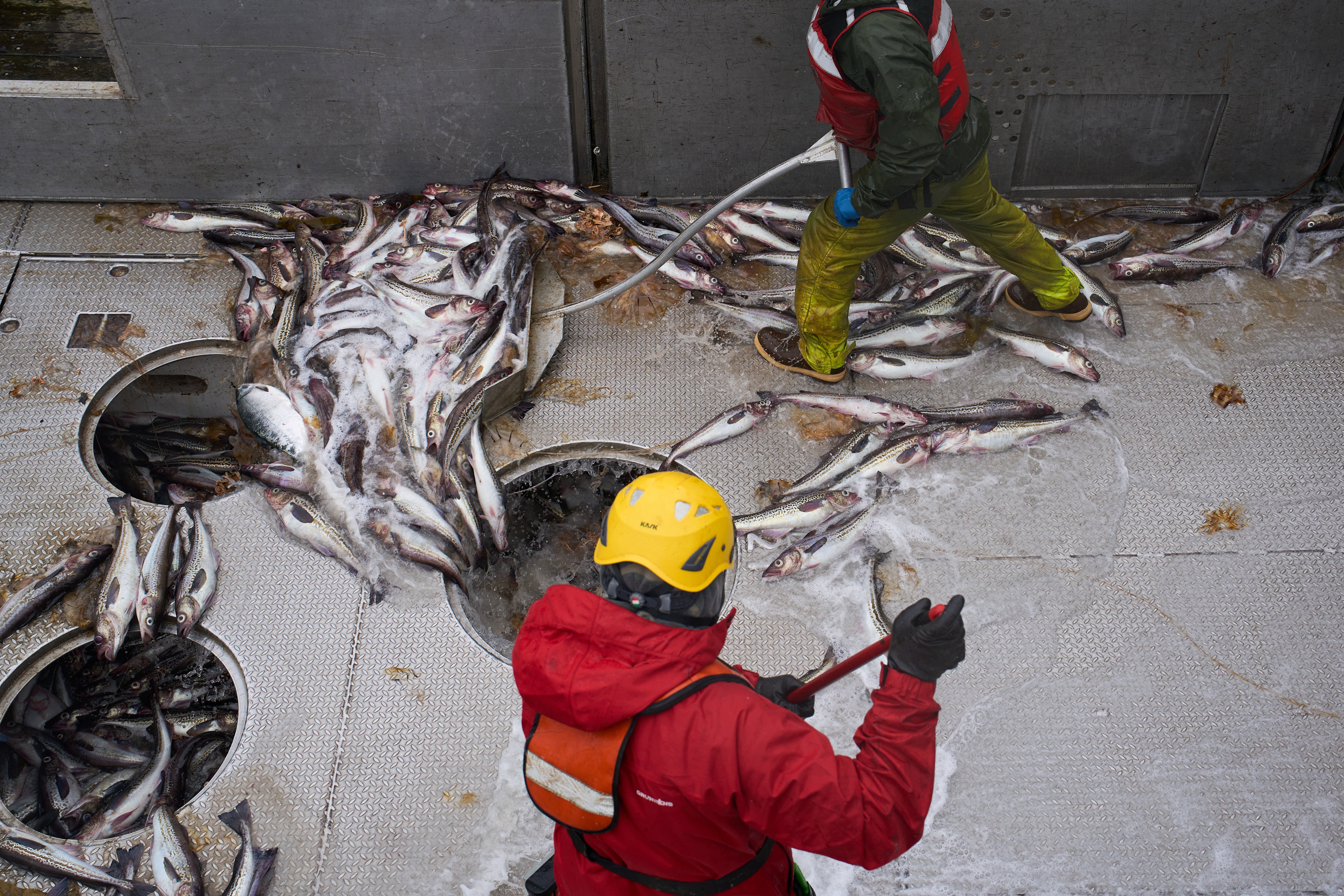
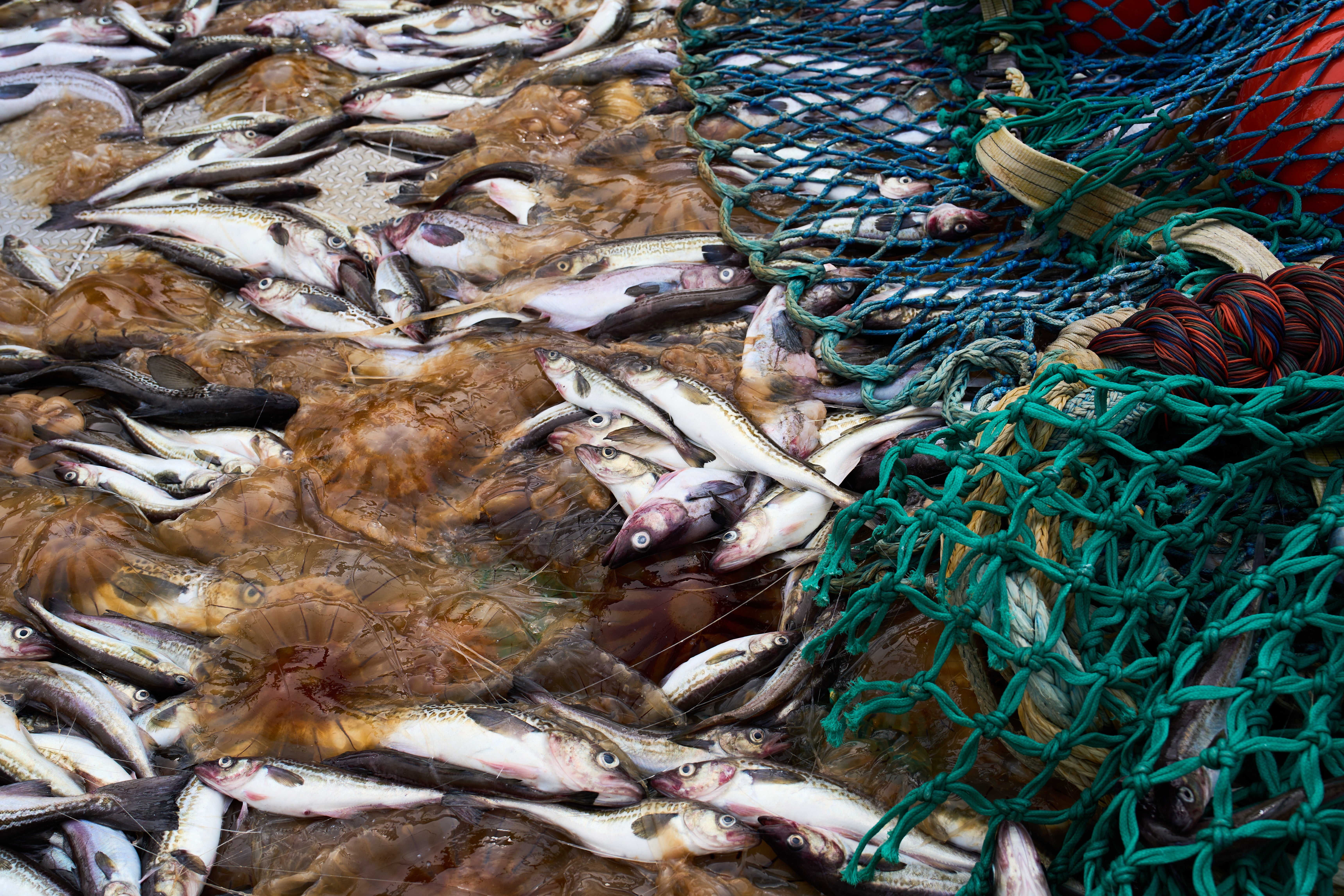
A heavy fishing net emerged from rolling Bering Sea swells, packed so densely with Alaska pollock that their heads wedged through the mesh.
When the haul tumbled onto the vessel deck, it contained unintended ocean life alongside the target catch: a skate, crabs, jellyfish and, most critically, salmon, a fish now at the center of an escalating cultural and political battle over industrial net fishing in Alaska.
“This is a wild capture fishery so you do run into your nontarget species, and a lot of people have a problem with that,” said Maverick Blake, the boat’s captain. “But this is what it takes to put seafood on the table.”
Blake then steered his ship toward alternate fishing grounds, hoping to encounter fewer salmon.
Alaska pollock represents Earth’s second-largest fishery.
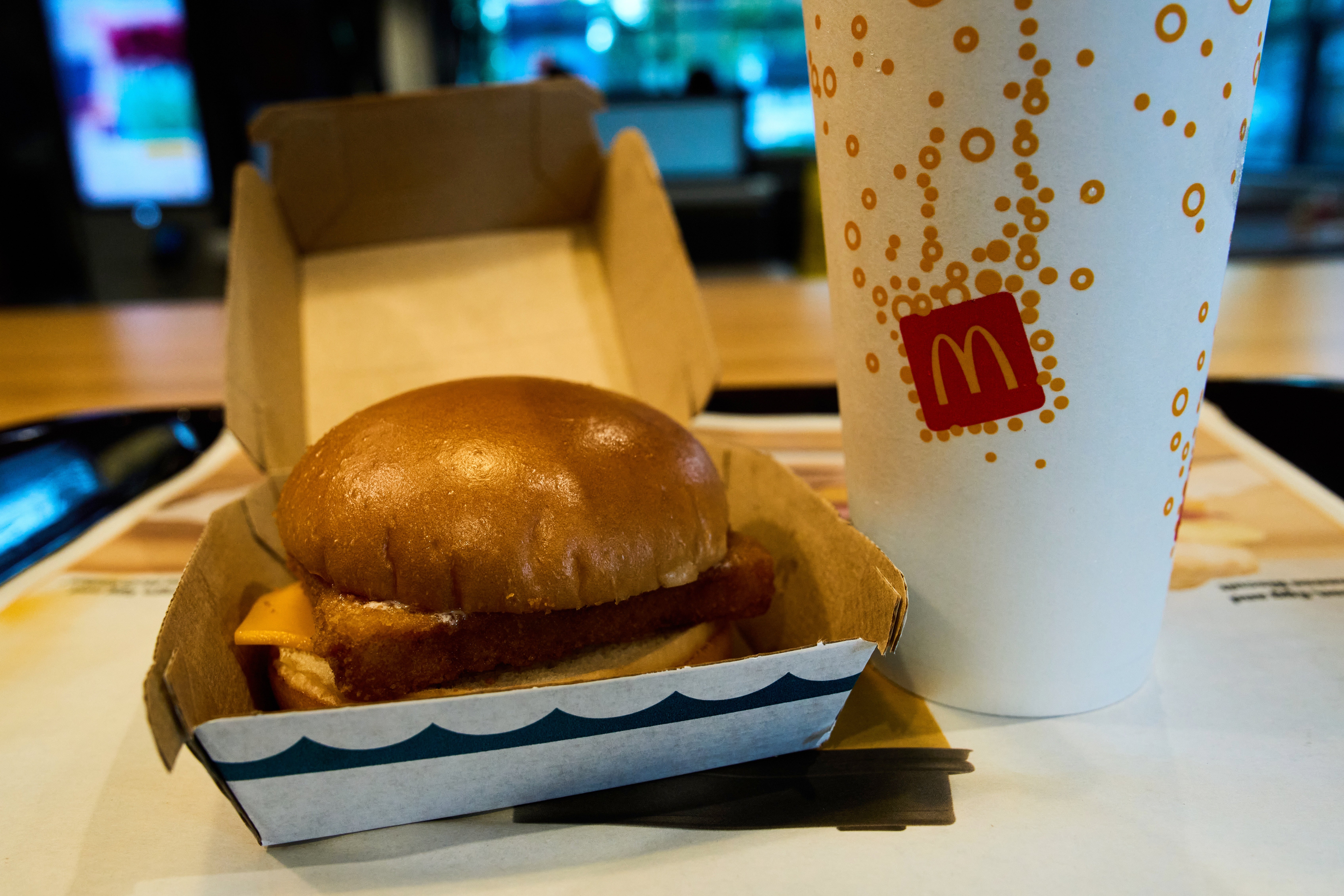
It provides the fish used in U.S. McDonald’s Filet-O-Fish sandwiches and is also processed into fish sticks and imitation crab.
While operators and McDonald’s say their practices aim to minimize environmental damage, pollock nets regularly snare other marine life.
Unintentional capture, known as bycatch, accounts for 2% of the pollock fishery’s overall haul.
Given the industrial magnitude of a sector netting billions of pounds each year, that small proportion translates into hundreds of thousands of salmon.
Over the past decade, Bering Sea pollock operations captured an annual average of roughly 18,000 Chinook and 288,000 additional salmon, predominantly chum.
These incidental catches have stirred intense anger as salmon populations have plummeted throughout western Alaska, where dozens of Native communities have relied on the fish for generations.
The outrage has extended to smaller commercial and charter operators who say they are also bearing the cost of diminishing stocks.
 open image in gallery
Meanwhile, trawling practices and bycatch have emerged as central disputes in Alaska’s midterm election campaigns, where gubernatorial and U.S. Senate candidates are debating how aggressively to restrict the industry.
In 2024, authorities in Alaska and Canada imposed a seven-year moratorium on Chinook fishing along the Yukon River, representing one full life cycle, to assist depleted stocks in rebuilding.
Similar harvest closures for Chinook and chum have hit the Kuskokwim River, alongside restrictions across other Yukon salmon grounds.
Scientific studies point to rising ocean temperatures and changing marine conditions, rather than trawl bycatch, as the primary drivers of stock collapses. Research from 2025 indicates that warming seas can also elevate bycatch risks by altering where salmon and pollock habitats overlap.
Yet critics stress that bycatch represents one of the few human-caused mortality factors that managers can directly regulate, noting that every lost fish matters when populations are severely diminished.
“Each fish is critical to communities along the Yukon River,” said Andrew Seitz, professor of fisheries at the University of Alaska Fairbanks. “The people who feel that they bear the brunt of the conservation measures are people along the river.”
Over a four-day trip aboard the F/V Progress, the vessel caught around 210 chum salmon.
 open image in gallery
Blake, a 13-year veteran of the pollock industry, explained that avoiding salmon is a primary operational objective. Relocating to areas with lower salmon counts consumed nearly 3,000 gallons (11,360 liters) of fuel.
Remaining in place, he noted, would have allowed the ship to fill its storage holds in half a day with far less fuel.
“The subsistence users see this huge machine industry out here harvesting in the ocean and I can understand their frustration,” he said. “I would be upset if somebody told me that I wasn’t allowed to fish like my ancestors had done for thousands of years before.”
Despite the tension, Blake and industry representatives describe the fishery as one of the best managed globally. Captains maintain contact with nearby vessels during every voyage to share real-time updates regarding salmon locations, while the fleet abides by weekly spatial closures guided by reports from the fishing grounds. Furthermore, all pollock trawlers carry a salmon excluder, a device designed to permit salmon to escape from the net.
Every individual salmon taken by Bering Sea pollock boats is logged. Independent observers or onboard cameras monitor trawlers, while deliveries to land-based processing facilities undergo similar oversight.
“The amount of science and management effort that goes into improving it is basically unprecedented anywhere,” said Matt Tinning, CEO of the At-Sea Processors Association, which represents five Alaska pollock companies.
“The system is designed to really incentivize salmon avoidance every day, all the time.”
Farther inland along the Yukon, the reality is starkly different.
At 9 a.m. on a July morning in the Alaska Native village of Rampart, roughly twelve boats lay tied quietly along the Yukon River. In earlier years, local families would have been actively pulling nets and carrying salmon to their smokehouses.
Traveling approximately 1,250 miles (2,010 kilometers) across Alaska before reaching the Bering Sea, the Yukon River carries salmon that hatch in its tributaries, migrate to open ocean waters to feed for years, and return to spawn. This ecological journey links river communities like Rampart to the exact offshore zones worked by commercial pollock trawlers.
“We have this big void in our lives right now,” said Brooke Woods, a Koyukon Alaska Native, mother of six and commissioner for the Yukon River Inter-Tribal Fish Commission. “We’ve never had a generation that hasn’t had the opportunity to learn and be taught by elders and parents, and that has such a big impact on our youth.”
 open image in gallery
In prior years, Woods’ family spent entire summer days checking nets, cutting fish and tending smokehouses. This summer, her 3-year-old son Lewis played in a nearby creek and watched television, having never once set a salmon net alongside his parents.
Strict limits on local subsistence harvests are painful to endure while massive commercial trawlers operate offshore.
“You really get angry. Why are we the only ones that have to take the burden?” said Brooke’s mother, Janet Woods.
Rampart lacks a local grocery store, and reaching Fairbanks requires roughly five hours by boat and road. Families stock up during trips and have long relied on fishing and hunting to fill their freezers.
Fisheries authorities briefly permitted chum fishing around Rampart this summer, but restricted activity strictly to selective gear such as dip nets and beach seines. The Woods family did not possess such equipment.
“You think back in history how they tried to destroy us,” Janet said. “Taking our language, our ceremonies, and now our culture, and it’s been forever a fight for us just to hang on to what very little we have.”
Marine salmon captured in deep ocean nets originate from varied geographical areas across the North Pacific. Because species mix in the Bering Sea, a salmon snagged in a trawl net could have come from western Alaska, the Pacific Northwest, or rivers as distant as Russia or Japan.
Genetic testing by NOAA has long traced the origin of salmon caught as bycatch. Beginning in 2024, the Bristol Bay Science and Research Institute started releasing weekly chum bycatch estimates from summer into autumn to provide fleet operators faster details on where western Alaska salmon are showing up.
That data substantiates a central industry defense: most chum taken by pollock trawlers do not originate from western Alaska rivers. Recent figures indicate western Alaska fish account for an average of approximately 17% of chum bycatch and half of Chinook bycatch.
Nonetheless, even a modest percentage can add up to tens of thousands of fish. For instance, in 2021, western Alaska salmon accounted for 9% of chum bycatch, totaling over 51,000 salmon, according to NOAA records.
More about
Mcdonald’sAlaskaPacific NorthwestFishingNatives
Join our commenting forum
Join thought-provoking conversations, follow other Independent readers and see their replies
Most popular
Popular videos
Bulletin
Read next
Fonte: – World RSS Feed