Even after explosive diarrhea outbreak Trump’s FDA looks to ease food requirements
Por Jasmine Fernández — – World RSS Feed
Even after explosive diarrhea outbreak Trump’s FDA looks to ease food requirements
The policy move comes months after an outbreak tied to imported lettuce hospitalized hundreds and sickened more than 27,000 people across 47 states
Jasmine Fernández in Portland Thursday 15 October 2026 01:53 BST
- Bookmark
- Comments Go to comments
Bookmark popover
Removed from bookmarks
Close popover
 open image in gallery
Become an Independent member to bookmark this article
Want to bookmark your favourite articles and stories to read or reference later? Start your Independent Membership today.
Already a member?
Log in
As federal health officials work through the aftermath of a major Cyclospora outbreak, the Food and Drug Administration under the Trump administration is moving to ease food safety record-keeping requirements for thousands of smaller restaurants.
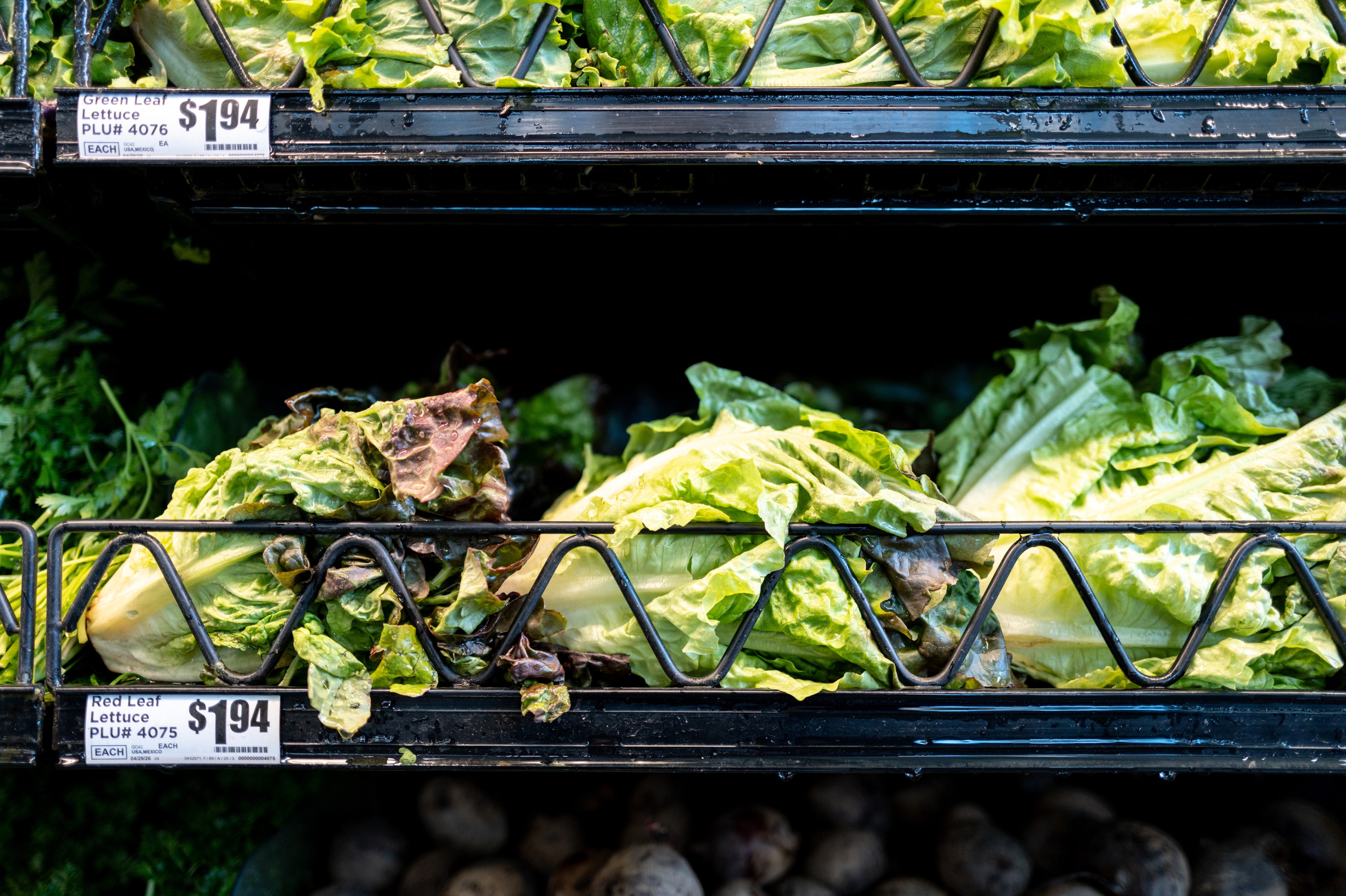
The nationwide outbreak of the parasitic infection, tied to contaminated iceberg lettuce from a Taylor Farms facility in Mexico, had hospitalized hundreds and recorded two deaths in Michigan — the hardest-hit state — following exposures earlier in the year. The microscopic parasite, which spreads when human waste contaminates irrigation water or crops, causes severe nausea, dehydration and explosive diarrhea. Symptoms often do not appear until two weeks after consumption, leaving health officials to trace contaminated produce long after it has cleared restaurant kitchens.
Yet despite those supply-chain tracking hurdles, the FDA is proposing to exempt food businesses generating between $250,000 and $1 million in annual food sales from detailed supply-chain tracking regulations, as reported by Restaurant Business Magazine.
Passed during the Obama administration under the 2011 Food Safety Modernization Act, the traceability framework gives the federal government broader authority to mandate recalls and track contaminated ingredients back to their source during foodborne illness investigations.
Full enforcement of the Food Traceability Rule was scheduled for 2028, but expanding the exemption would relieve many independent restaurant operators from the cost and work of tracking high-risk inventory, such as leafy greens, soft cheeses, eggs and nut butters.
open image in galleryAgency officials said that the proposed flexibility was not final and that additional adjustments remained under consideration.
The proposed rule comes amid several other regulatory shifts across the restaurant and food production sectors.
In New York City, Council members introduced a bill requiring third-party delivery services to deploy tracking technology on courier e-bikes to monitor traffic infractions.
The system would track speeding, sidewalk riding above 4 mph and wrong-way travel on single-direction streets. Couriers receiving three notifications within seven days would be temporarily barred from accepting deliveries until completing a road safety course, and delivery apps would need to file quarterly safety reports with the city.
 open image in gallery
In food manufacturing, the FDA finalized a rule permitting producers to use sodium substitutes, including potassium chloride, yeast extracts or MSG, in standard food formulations that previously required table salt. Designed to support national efforts to reduce sodium consumption, the measure gives manufacturers more flexibility to reformulate packaged goods while offering restaurants expanded options for low-sodium menu items.
And in municipal infrastructure, Philadelphia unveiled two prototype outdoor dining enclosures at LOVE Park, developed by local design firms under Mayor Cherelle Parker’s PHL Open for Business initiative.
The city plans to evaluate public feedback on the structures, which feature customized aluminum frames and recycled plastic paneling, before offering both designs as free downloadable templates for local restaurant owners. The prototypes will remain on display through November 23.
More about
Join our commenting forum
Join thought-provoking conversations, follow other Independent readers and see their replies
Most popular
Popular videos
Bulletin
Read next
Fonte: – World RSS Feed