Cuba once again plunges into complete darkness as blackout hits island
Por Andrea Rodriguez — – World RSS Feed
Cuba once again plunges into complete darkness as blackout hits island
‘The country is in such a sad state, and there are no words for what we’re going through’
Andrea Rodriguez Saturday 19 September 2026 17:39 BST
- Bookmark
Bookmark popover
Removed from bookmarks
Close popover
Your support helps us to tell the story
Read more Support Now
From reproductive rights to climate change to Big Tech, The Independent is on the ground when the story is developing. Whether it’s investigating the financials of Elon Musk’s pro-Trump PAC or producing our latest documentary, ‘The A Word’, which shines a light on the American women fighting for reproductive rights, we know how important it is to parse out the facts from the messaging.
At such a critical moment in US history, we need reporters on the ground. Your donation allows us to keep sending journalists to speak to both sides of the story.
The Independent is trusted by Americans across the entire political spectrum. And unlike many other quality news outlets, we choose not to lock Americans out of our reporting and analysis with paywalls. We believe quality journalism should be available to everyone, paid for by those who can afford it.
Your support makes all the difference. Read more
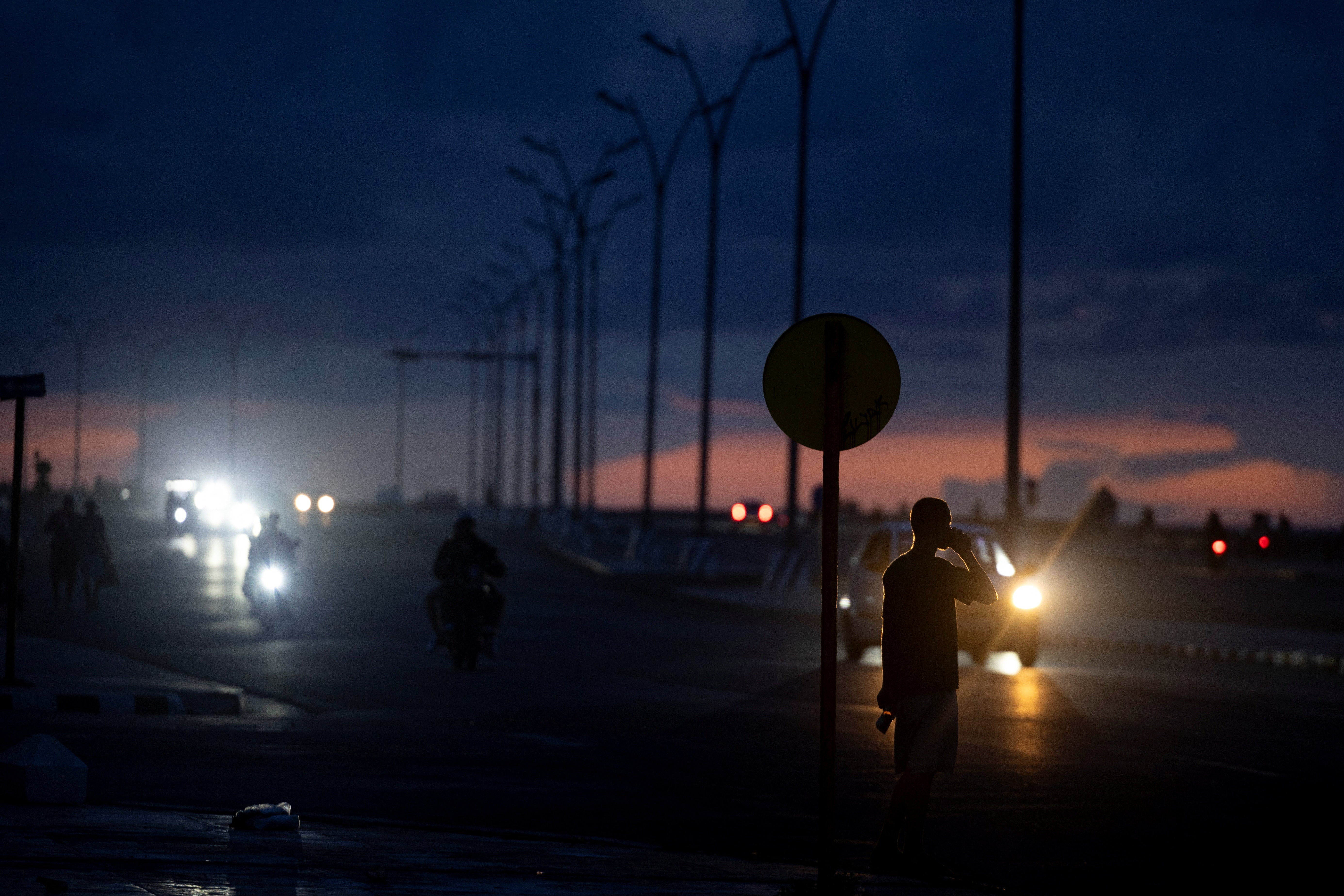
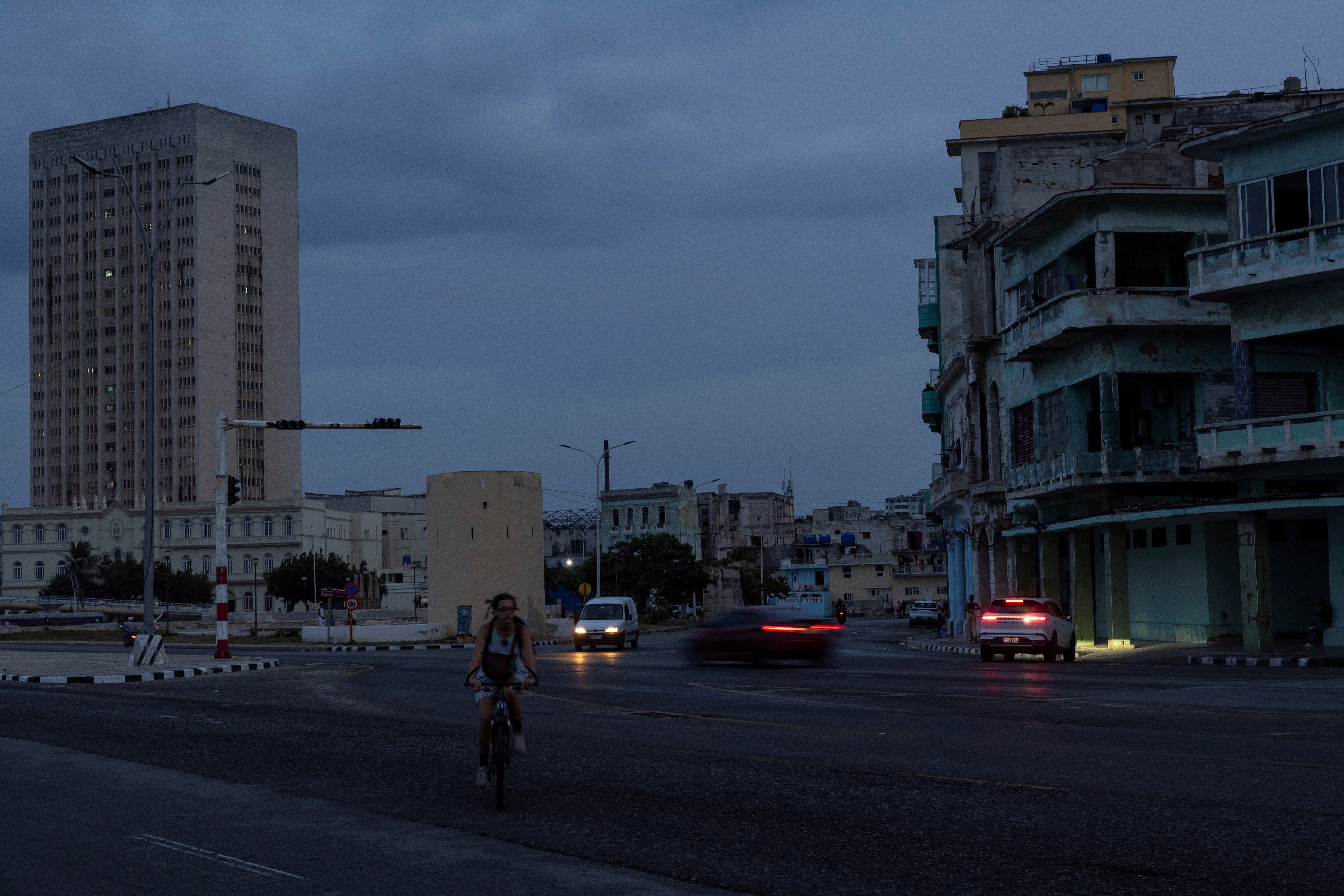
Millions of people across Cuba were left without electricity on Friday following a total collapse of the island’s power grid.
The Ministry of Energy and Mines confirmed the widespread blackout on its official X account, stating that authorities had initiated “activating service-restoration protocols.”
According to Cuban authorities, a failure occurred in transmission lines in the western part of the country, causing the system to collapse there, as far as Matanzas province, and disconnecting the eastern section.
The official newspaper Granma reported that “unstable” weather conditions further aggravated the grid’s situation.
By dusk, power had been restored to 5% of users in Havana, which serves about 862,000 customers, according to official data.
Small power-distribution “micro-islands” were being established in Camagüey, Pinar del Río and Granma provinces, while some systems serving hospitals and other emergency facilities were reactivated.
“No one can stand these constant blackouts. There isn’t enough food, there’s no water, there’s no electricity — you have no idea,” Mercedes Rodriguez, a 60-year-old worker in Havana, told The Associated Press as she waited for public transportation to return home.
“The country is in such a sad state, and there are no words for what we’re going through.”
 open image in gallery
Power grid collapses have grown increasingly common over the past two years amid a severe economic crisis gripping the island. The shortages have worsened since January, after the United States imposed an energy blockade aimed at forcing a change in Cuba’s political system.
These restrictions prevent Cuba from importing the fuel needed to operate its thermoelectric power plants, as well as replacement parts required to maintain infrastructure that in many cases has become obsolete. Just one fuel delivery has arrived since, brought by a Russian tanker in March.
The two most recent nationwide blackouts occurred in early August, following previous outages in July and March, alongside several regional failures.
 open image in gallery
Even when the national power grid is working, Cubans endure outages lasting more than 30 consecutive hours.
The blackouts heavily impact the population and, combined with the energy embargo, have caused transportation limitations, reduced work hours and flight cancellations, in addition to serious public health consequences.
The outages also affect basic activities such as cooking, water supply, and internet and telephone service.
Abilén Marrero, a homemaker, sat resignedly at the entrance to her building in central Havana.
“Maybe it’ll come back this afternoon or tomorrow—there’s no way to know. We just have to wait,” she said.
More about
Most popular
Popular videos
Bulletin
Read next
Fonte: – World RSS Feed