Cornell’s fraternity history under the spotlight after alleged gang rape
Por Heather Hollingsworth — – World RSS Feed
Cornell’s fraternity history under the spotlight after alleged gang rape
A gang rape allegation at Cornell University has brought fresh scrutiny to the Ivy League school’s history of misconduct
Heather Hollingsworth Thursday 01 October 2026 12:00 BST
- Bookmark
Bookmark popover
Removed from bookmarks
Close popover

Become an Independent member to bookmark this article
Want to bookmark your favourite articles and stories to read or reference later? Start your Independent Membership today.
Already a member?
Log in
Your support helps us to tell the story
Read more Support Now
From reproductive rights to climate change to Big Tech, The Independent is on the ground when the story is developing. Whether it’s investigating the financials of Elon Musk’s pro-Trump PAC or producing our latest documentary, ‘The A Word’, which shines a light on the American women fighting for reproductive rights, we know how important it is to parse out the facts from the messaging.
At such a critical moment in US history, we need reporters on the ground. Your donation allows us to keep sending journalists to speak to both sides of the story.
The Independent is trusted by Americans across the entire political spectrum. And unlike many other quality news outlets, we choose not to lock Americans out of our reporting and analysis with paywalls. We believe quality journalism should be available to everyone, paid for by those who can afford it.
Your support makes all the difference. Read more
Fraternities at Cornell University are facing fresh scrutiny following an alleged gang rape.
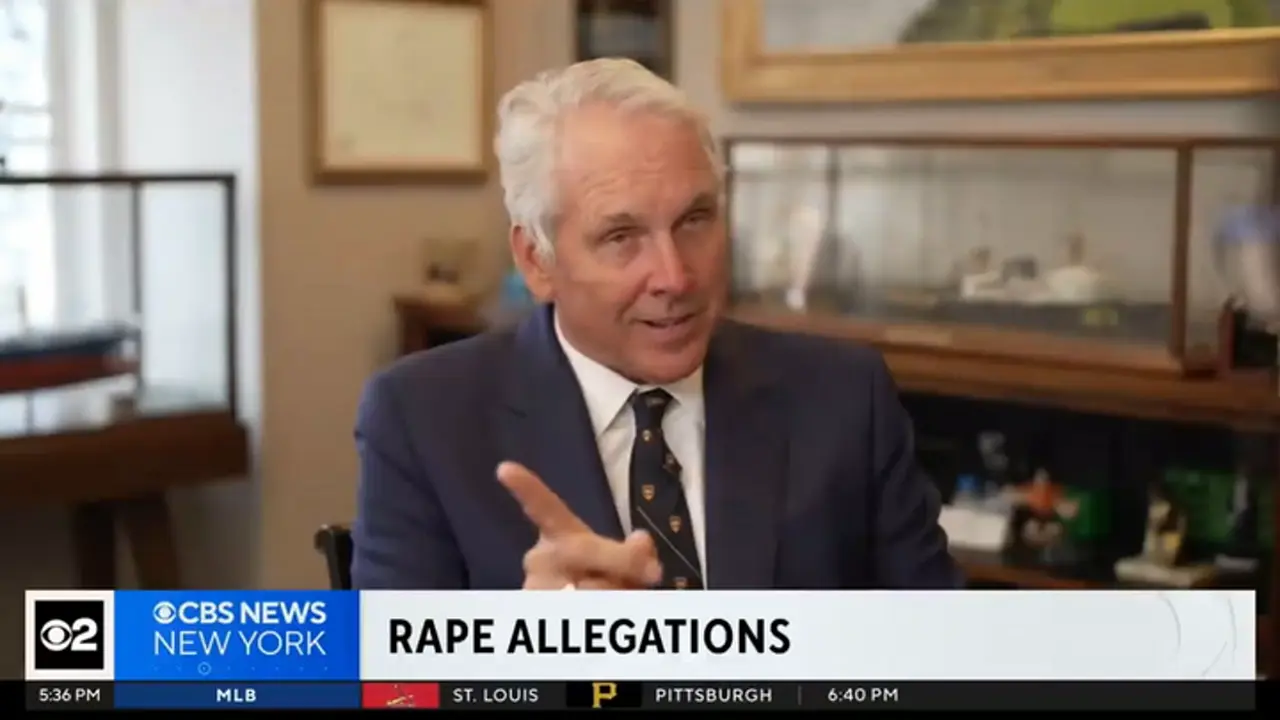
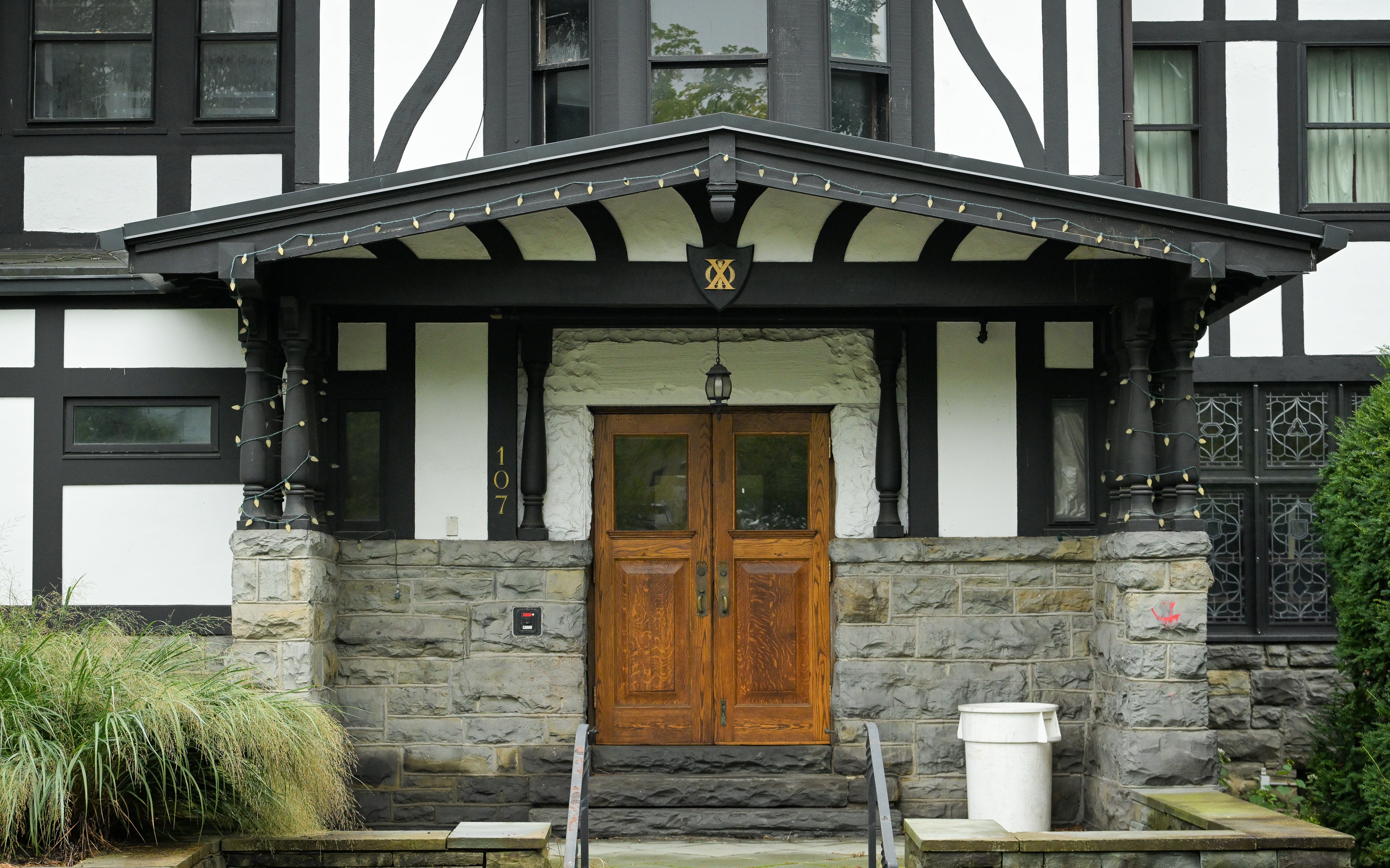
Authorities reopened an investigation Monday as outrage built over a woman’s lawsuit filed September 16 against the Chi Phi fraternity, the Ivy League school and the seven students she says assaulted her. She told police in November 2024 that she was assaulted at the fraternity house the month before, and prosecutors decided at the time not to prosecute anyone.
The Chi Phi chapter has been barred from campus, and its national organization said Wednesday that the Cornell chapter unanimously voted to remove the accused members from its rolls within days of the woman filing a police report.
Cornell has said its investigation had led to some students being disciplined or expelled.
Elizabeth Allan, a professor of higher education at the University of Maine and director of the school’s Hazing Prevention Research Lab, said it was a horrifying but familiar story on many campuses. She said failed reforms show “how entrenched some of the behaviors are and that we need to take an approach that’s transformative.”
 open image in gallery
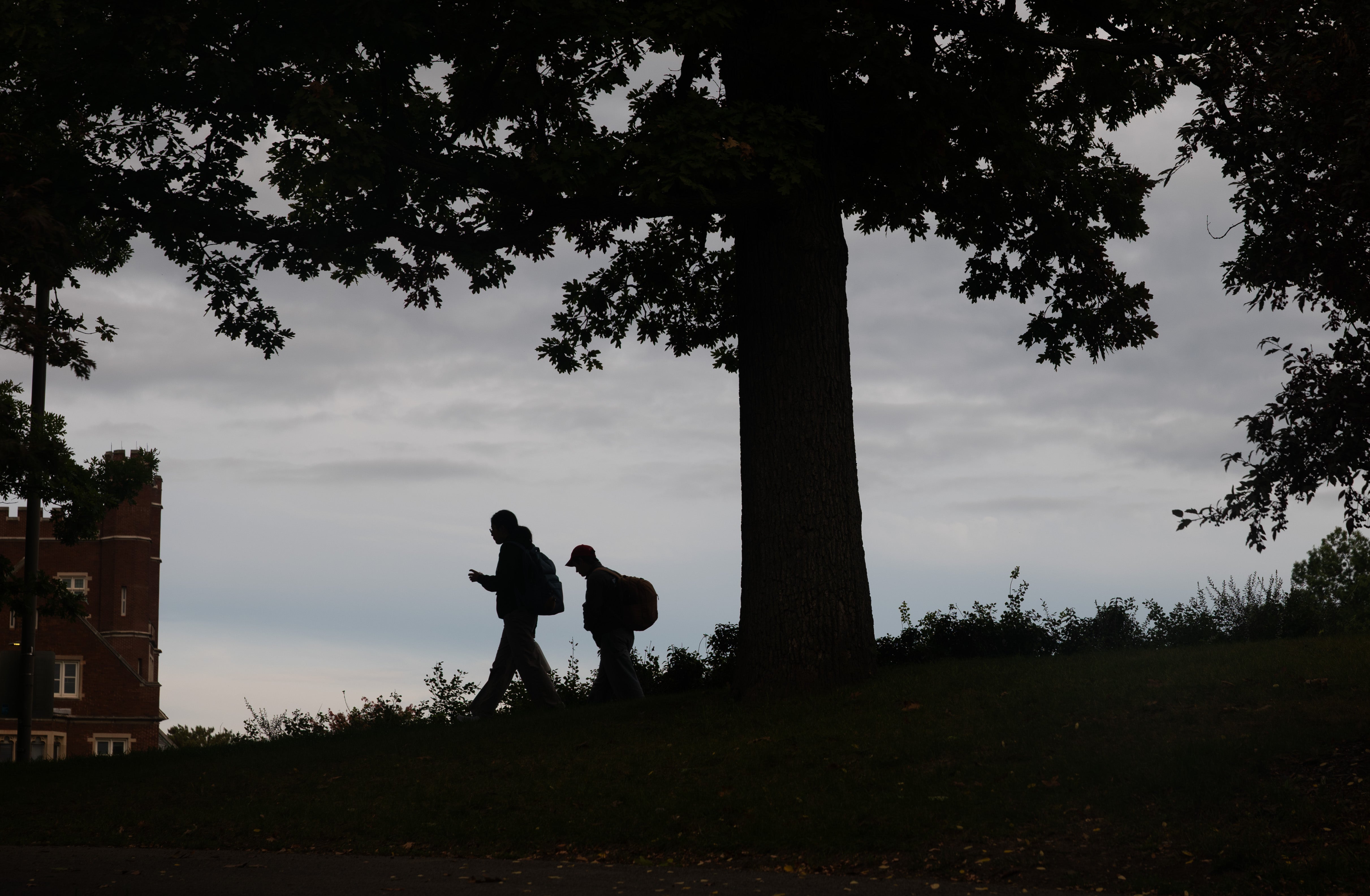
The university in Ithaca, New York, has rolled out reforms in response to hazing deaths, lawsuits and arrests in its Greek system.
In 2019, Cornell required Greek life chapters to hire independent event monitors and submit to random security spot checks, among other changes, after freshman Antonio Tsialas was found dead at the bottom of a gorge. His parents’ lawsuit said he and other fraternity pledges were hazed by being forced to drink dangerous amounts of alcohol.
Cornell has had fraternities — and problems — since its founding in 1865, said Adam McCready, a University of Connecticut associate professor who studies fraternities and sororities. One of the first confirmed hazing deaths happened at Cornell in the 1870s, he said.
Over time, the fraternities built what he described as “palatial mansions that dictate the social environment on campus.”
Fraternities have a long record of hazing and abuse cases
In 1997, a Cornell student alleged in a lawsuit that he suffered weeks of paddling and beatings. The following year, a half dozen Cornell students were arrested over allegations that a fraternity pledge was taken from his dorm room, blindfolded and bound with rope and duct tape.
In 2012, a fraternity was found guilty of hazing in the alcohol poisoning death of a Cornell student. After the death, Cornell University moved to eradicate risky pledging practices.
At the time, more than one quarter of Cornell students were members of fraternities and sororities. These students graduate and turn into donors, McCready said.
“It can be a challenge to make change if there’s pressure not to do so,” McCready said.
 open image in gallery
In 2018, a fraternity chapter was placed on probation over a contest that members dubbed the Pig Roast in reference to the weight of the women they slept with.
Cornell again took steps to reign in fraternities, moving to ban hard liquor from chapter houses and require live-in advisers.
But in 2022, allegations of a sexual assault and students being drugged at off-campus housing affiliated with fraternities led Cornell to temporarily suspend fraternity parties. Fraternity leaders were supposed to use the time to “implement stronger health and safety plans,” the university had said.
The gang rape allegation followed two years later.
Advocates call for a stronger response
Cornell has said it is committed to implementing recommendations from a task force that launched last year on campus sexual assault. The university has also pointed to the expulsions and suspensions it implemented in the case.
But that is too little for advocates of sex crime victims.
The people the woman says gang raped her were allowed to write essays to Cornell “to mitigate their conduct,” the woman’s lawsuit said. That’s unacceptable, said Maha Ibrahim, a director at Equal Rights Advocates, a nonprofit that represents survivors.
“There’s no schema where that’s an appropriate response to a gang rape,” Ibrahim said.
Allan said the case highlights a need to better understand what contributes to this kind of violence and misconduct, not just in groups, but communities, institutions and society.
“The lack of understanding around consent issues are broad-reaching and we have to be taking a public health approach to change behavior, change attitudes” in more sustainable ways, Allan said.
For those affected by rape and sexual abuse, if you are in the United States, you can call Rainn on 800-656-HOPE (4673).
Rape Crisis also offers support.You can call them on 0808 802 9999 in England and Wales, 0808 801 0302 in Scotland, and 0800 0246 991 in Northern Ireland, or visit their website at www.rapecrisis.org.uk.
More about
Ivy LeagueUniversity of ConnecticutNew YorkBostonCornell University
Most popular
Popular videos
Bulletin
Read next
Fonte: – World RSS Feed

:quality(85)/0feceb5b-f030-469e-a374-8e79bdc7793d.png)
:quality(85)/72d925f1-56bc-4e49-9e1e-9f9ef4a12b83.png)
:quality(85)/8be05713-c4c6-4bbf-a2b9-bc1e0a618794.jpg)
:quality(85)/4c03a197-4217-4ac2-aba7-761c16cb8d12.png)
:quality(85)/1b281f3e-3d57-4adf-b302-640c650ff4cc.jpg)