Board of Peace secretly met with UNRWA despite public disavowal, ex-agency chief says
Por Julia Frankel — – World RSS Feed
Board of Peace secretly met with UNRWA despite public disavowal, ex-agency chief says
UNRWA remains the primary aid distributor in Gaza, maintaining an essential role in delivering health and educational services
Julia Frankel Friday 25 September 2026 16:03 BST
- Bookmark
- Comments Go to comments
Bookmark popover
Removed from bookmarks
Close popover

Become an Independent member to bookmark this article
Want to bookmark your favourite articles and stories to read or reference later? Start your Independent Membership today.
Already a member?
Log in
Your support helps us to tell the story
Read more Support Now
From reproductive rights to climate change to Big Tech, The Independent is on the ground when the story is developing. Whether it’s investigating the financials of Elon Musk’s pro-Trump PAC or producing our latest documentary, ‘The A Word’, which shines a light on the American women fighting for reproductive rights, we know how important it is to parse out the facts from the messaging.
At such a critical moment in US history, we need reporters on the ground. Your donation allows us to keep sending journalists to speak to both sides of the story.
The Independent is trusted by Americans across the entire political spectrum. And unlike many other quality news outlets, we choose not to lock Americans out of our reporting and analysis with paywalls. We believe quality journalism should be available to everyone, paid for by those who can afford it.
Your support makes all the difference. Read more
As the U.S.-created Board of Peace moves forward with plans to rebuild Gaza, it has publicly stated there is no future role for the U.N. agency that has provided support to displaced Palestinians for decades.
However, the former head of the organization says that behind closed doors, board members and other representatives have demonstrated greater willingness to engage with the agency than public statements suggest.
Israel has sought the removal of the agency, known as UNRWA, from Gaza, repeatedly claiming that it has been infiltrated by Hamas militants.
The International Court of Justice has noted that these claims have not been substantiated.
Despite this stance, UNRWA remains the primary aid distributor in the territory, maintaining an essential role in delivering health and educational services.
Philippe Lazzarini, who headed UNRWA until earlier this year, said in his first interview since stepping down that members of the Palestinian technocratic committee have expressed a desire to work alongside the agency.
Minutes from meetings obtained by another U.N. official confirm that UNRWA and the committee have held discussions regarding joint efforts in Gaza.
A Board of Peace official confirmed that representatives from the board have met on several occasions with UNRWA leadership.
 open image in gallery
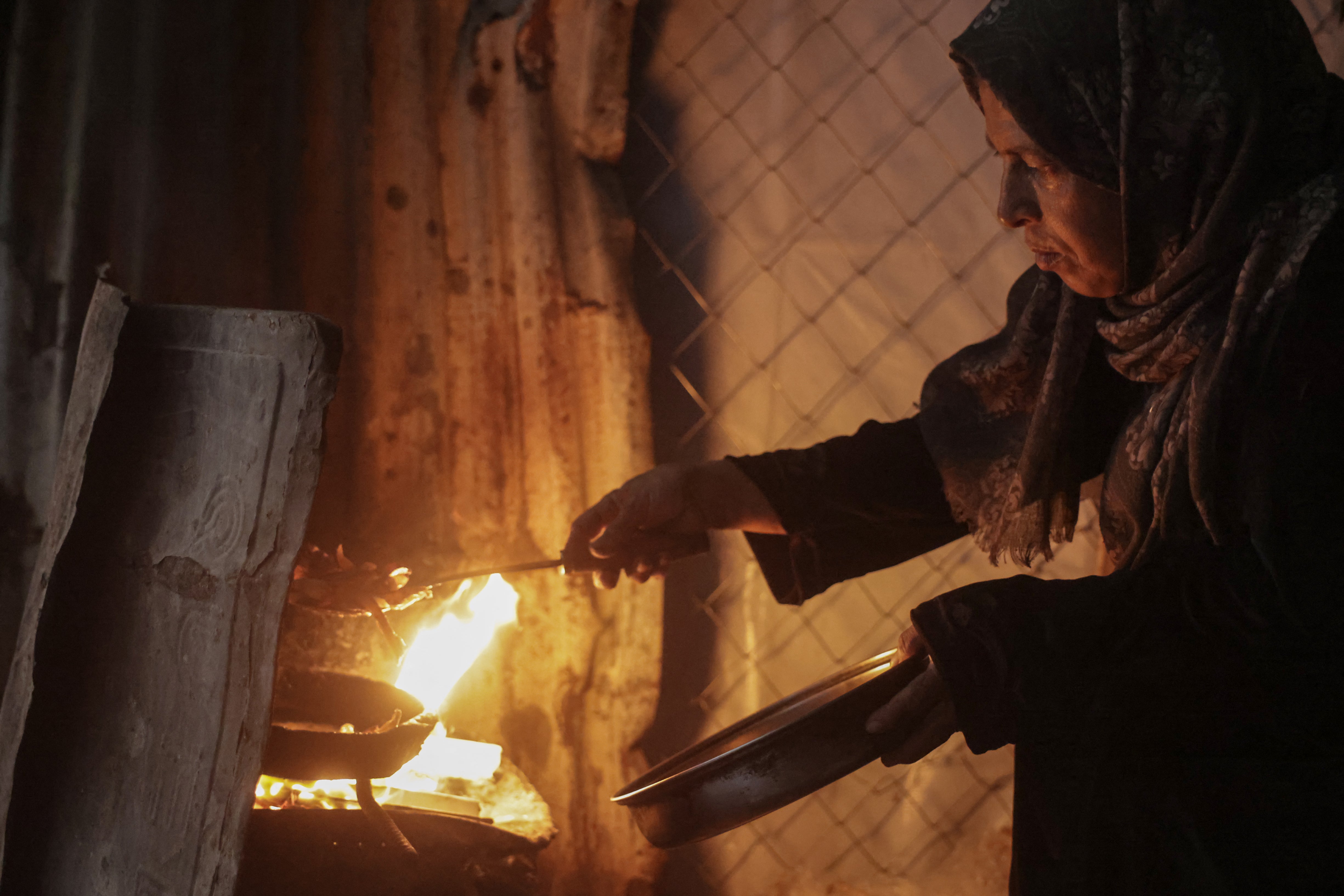
While the organization’s overarching mandate in its current form is coming to an end, its operations “may persist if they are serving Gazans well,” the official added, speaking on the condition of anonymity as they were not authorized to speak to the media.
Israel’s Foreign Ministry offered no comment on the matter.
Nearly a year after the ceasefire, reconstruction work in Gaza has not begun.
Israel continues to deny entry to the Palestinian committee designated by the Board of Peace to govern the strip, insisting that Hamas must disarm first.
The committee maintains that it requires physical access to the territory to execute its plans.
This standing dynamic leaves UNRWA on the ground in Gaza with an operational staff significantly larger than any other U.N. entity or non-governmental organization.
Although Israeli military action impacted the agency’s ability to coordinate the entrance and distribution of aid, its core services have persisted.
“They want to get rid of the agency, but on the other hand they know that if you get completely rid of the agency today, it might have a further … devastating impact on the population,” said Lazzarini, whose last day in office was March 31.
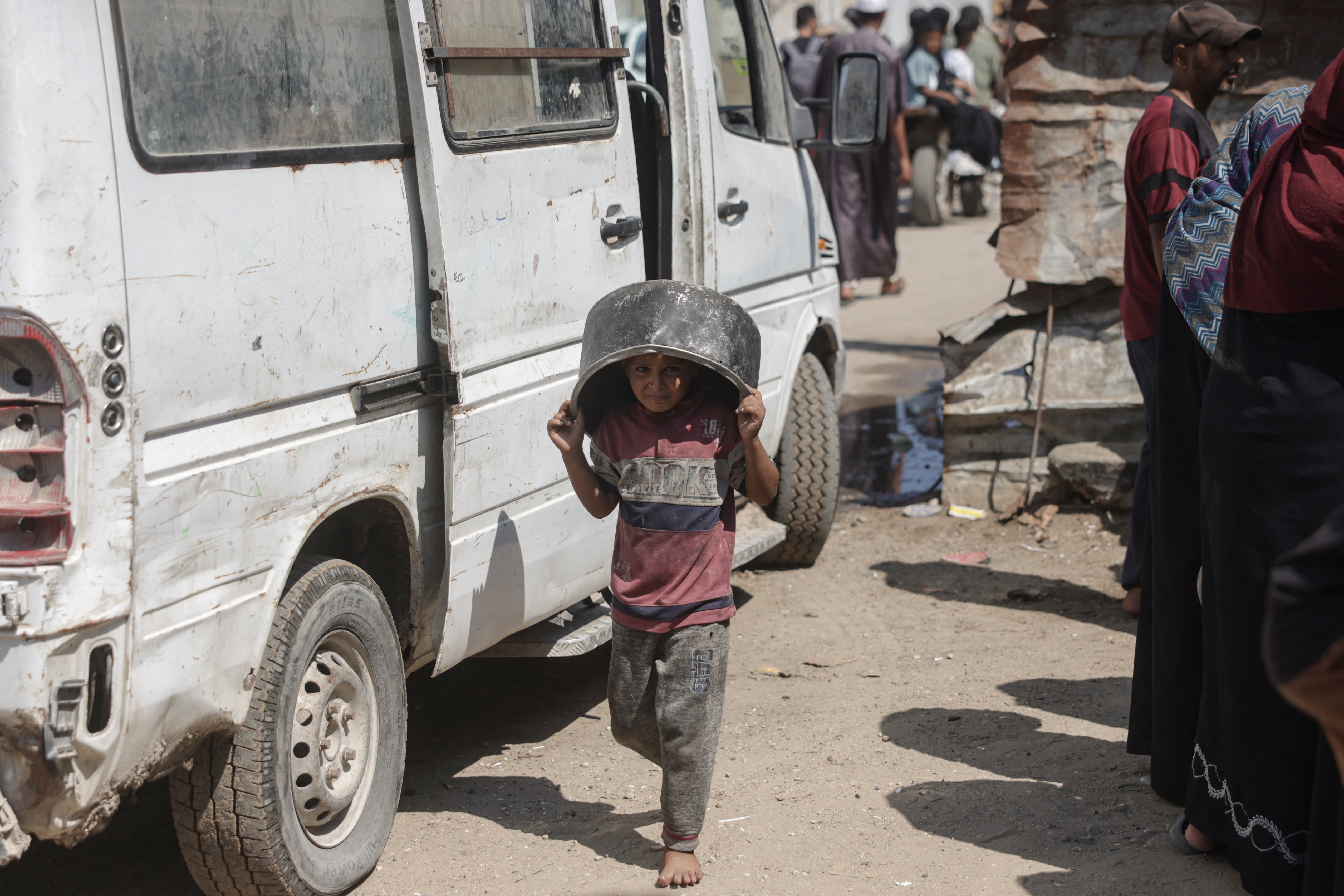
Lazzarini noted that UNRWA supports approximately half of Gaza’s public health system.
 open image in gallery
The agency retains roughly 11,000 Palestinian employees in Gaza. According to UNRWA, these workers conduct around 14,000 medical consultations daily, operate waste and water management infrastructure for more than a million people, run math and digital literacy classes for over 280,000 children, and manage temporary learning centers for 60,000 more.
Emphasizing the necessity of field staff for aid delivery, Lazzarini noted, “If you want the vaccine to end up in the mouths of the children, you still need the workforce, the presence of an agency like ours.”
In public announcements, UNRWA has been excluded from the Board of Peace’s strategies for Gaza. During a briefing to the U.N. General Assembly on Wednesday, board officials cited various U.N. entities as partners, omitting UNRWA.
However, Lazzarini stated that the Palestinian committee expected to govern Gaza has privately acknowledged UNRWA’s necessary role in planning.
Two senior U.N. officials alongside the board official confirmed that the board has met multiple times with UNRWA following the ceasefire agreement.
Speaking anonymously because they were not authorized to brief reporters, the officials verified at least three meetings between UNRWA representatives and the Palestinian committee this year, including two held during Lazzarini’s leadership.
Shortly before finishing his tenure, Lazzarini spoke with Ali Shaath, the head of the Palestinian committee.
“Basically, he said, ‘I don’t know how I can succeed without you’,” Lazzarini said. Neither Shaath nor a committee spokesperson responded to requests for comment.
An internal U.N. summary of a January 26 meeting in Cairo, conducted without UNRWA present, stated that Shaath praised the agency, expressed a clear intent to see its operations restored, and noted that the committee’s governing apparatus would rely heavily on its work.
A senior U.N. official added that the Tony Blair Institute, a partner of the Board of Peace, sought assistance from UNRWA and held discussions with its staff. In response, the institute stated that it collaborates with various U.N. entities and non-governmental organizations in Gaza “to understand the situation on the ground, the needs of the population and the practical requirements for improving conditions.”
At a donor conference for UNRWA on June 30, the agency’s current acting head, Christian Saunders, described the organization as “vital” to the board’s efforts to implement the ceasefire framework.
Conversely, the Board of Peace representative offered a different characterization, stating that the meetings were aimed at reviewing UNRWA’s operations to structure programs that are “far more efficient and accountable.”
“UNRWA’s days are over,” the official remarked, adding that personnel “will remain if they pass vetting and are delivering on their mandate and not advancing ideology or Hamas interests.”
 open image in gallery
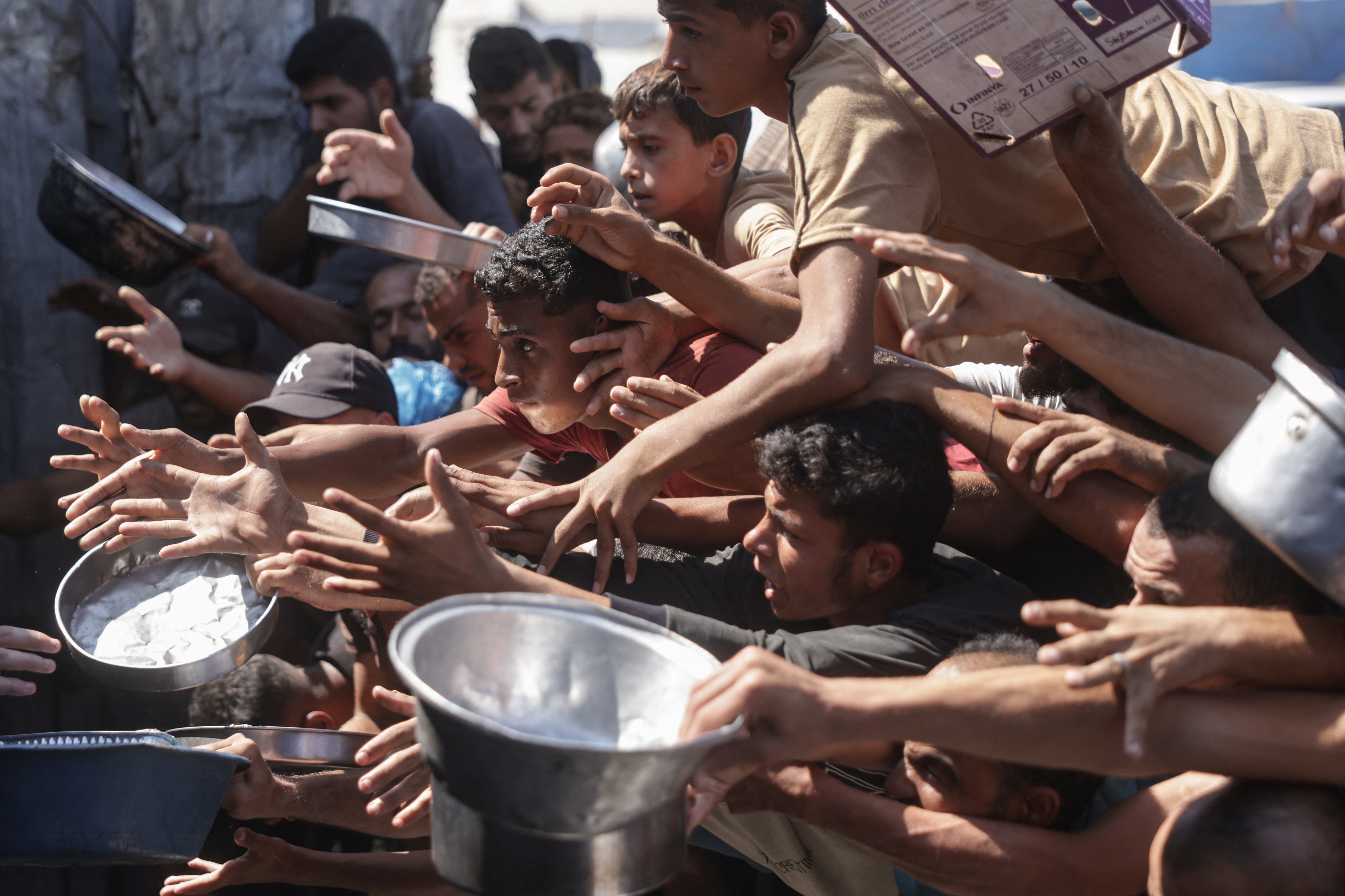
Lazzarini characterized the situation as an “absurd contradiction” where the Board of Peace disavows UNRWA while U.N. member nations “expect it to deliver.”
“We continue to emphasize that UNRWA is indispensable,” Jordanian Foreign Minister Ayman Safadi told reporters on Thursday, following a meeting of over 50 nations regarding the agency at U.N. headquarters.
UNRWA was originally established to assist Palestinians who fled or were expelled during the 1948 war surrounding the creation of Israel.
In January 2024, Israel asserted without providing public documentation that hundreds of agency staff were members of militant groups and that over a dozen took part in the October 7 attack.
Lazzarini noted that he was never provided written evidence to support the claims despite requests made to Israel and member nations, but stated he does not regret terminating the accused personnel.
“I did because it was in the best interest of the agency and the population we were helping,” Lazzarini said, adding that he subsequently experienced “extraordinary vicious, heinous attacks on social media” and was confronted directly on the street “in Geneva and in New York” by “pro-Israeli groups.”
Reflecting on his experiences during the conflict, he recalled accounts from Palestinians released from Israeli custody who described being required to wear diapers in detention and spending days sitting in their own waste. He also described meeting a displaced father in a school yard with four children who slept with his shoes near his head to prepare for rapid evacuation during shelling.
His book, “A Witness to Gaza: What Cannot Be Erased,” is set to be published in French in October, with an English edition planned afterward.
More about
UNRWAGazaIsraelInternational Court of Justice
Join our commenting forum
Join thought-provoking conversations, follow other Independent readers and see their replies
Most popular
Popular videos
Bulletin
Read next
Fonte: – World RSS Feed
