Rural voters helped power Trump’s victories. Now their support is slipping
Por Sarah Jane Tribble and Linley Sanders — – World RSS Feed
Rural voters helped power Trump’s victories. Now their support is slipping
About half of rural American voters believe the economy is worse off now than when President Donald Trump returned to office
Sarah Jane Tribble & Linley Sanders Wednesday 23 September 2026 12:12 BST
- Bookmark
- Comments Go to comments
Bookmark popover
Removed from bookmarks
Close popover

Become an Independent member to bookmark this article
Want to bookmark your favourite articles and stories to read or reference later? Start your Independent Membership today.
Already a member?
Log in
Your support helps us to tell the story
Read more Support Now
From reproductive rights to climate change to Big Tech, The Independent is on the ground when the story is developing. Whether it’s investigating the financials of Elon Musk’s pro-Trump PAC or producing our latest documentary, ‘The A Word’, which shines a light on the American women fighting for reproductive rights, we know how important it is to parse out the facts from the messaging.
At such a critical moment in US history, we need reporters on the ground. Your donation allows us to keep sending journalists to speak to both sides of the story.
The Independent is trusted by Americans across the entire political spectrum. And unlike many other quality news outlets, we choose not to lock Americans out of our reporting and analysis with paywalls. We believe quality journalism should be available to everyone, paid for by those who can afford it.
Your support makes all the difference. Read more
Economic frustration is growing among rural Americans, with about half saying the economy has worsened since President Donald Trump returned to office, according to a new poll.
The findings could be a warning sign for Republicans ahead of the midterms, with rural voters having been a crucial part of Trump’s political coalition.
The Associated Press-KFF survey of more than 2,000 registered rural voters found widespread dissatisfaction with the national and local economies. Groceries, gasoline and healthcare were among their biggest financial concerns, and rural voters were more likely than voters overall to worry about affording food and fuel.
 open image in gallery
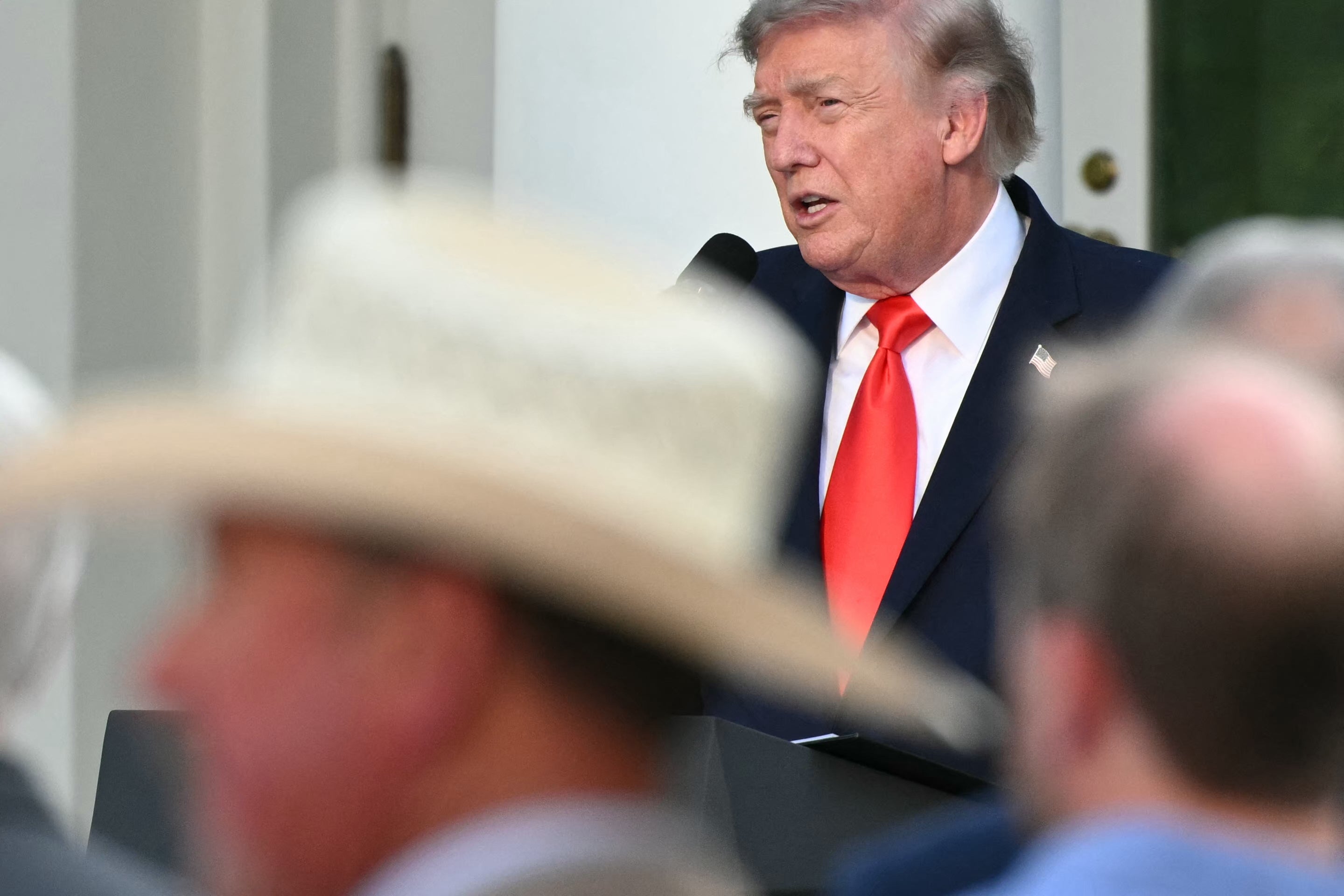
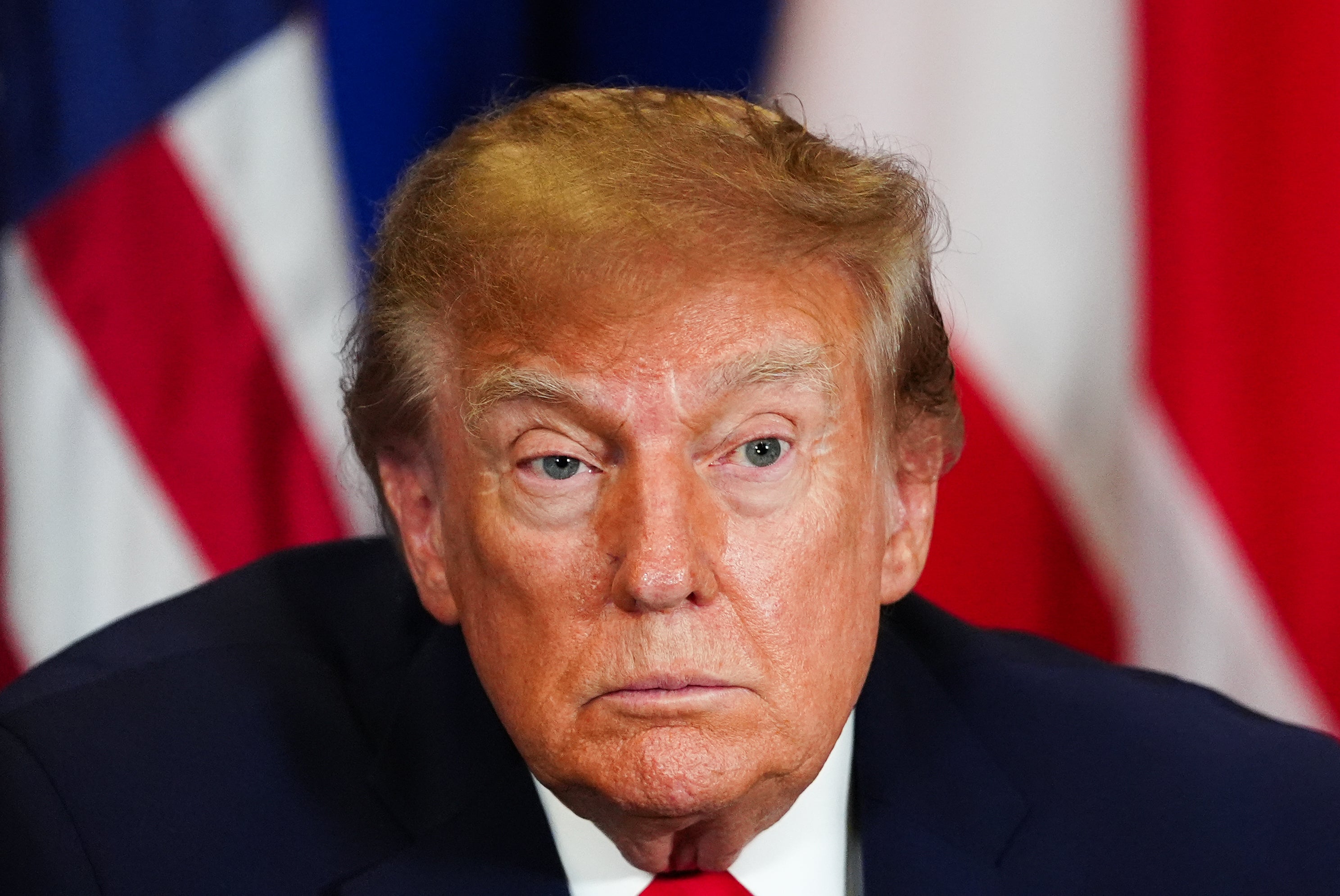
Trump nevertheless retains considerable support. About half of rural voters approve of his overall job performance, a stronger showing than among Americans nationally. But just 40 percent approve of his handling of the economy.
Three-quarters rated the cost of living in their communities as only fair or poor, a 25-percentage-point increase from similar polling in 2017.
The results suggest rural voters have not abandoned Trump or the Republican Party, but many remain unconvinced that the economic improvements he promised have reached their communities. That could become significant if frustrated Republican voters choose to stay home in November rather than switch their support to Democrats.
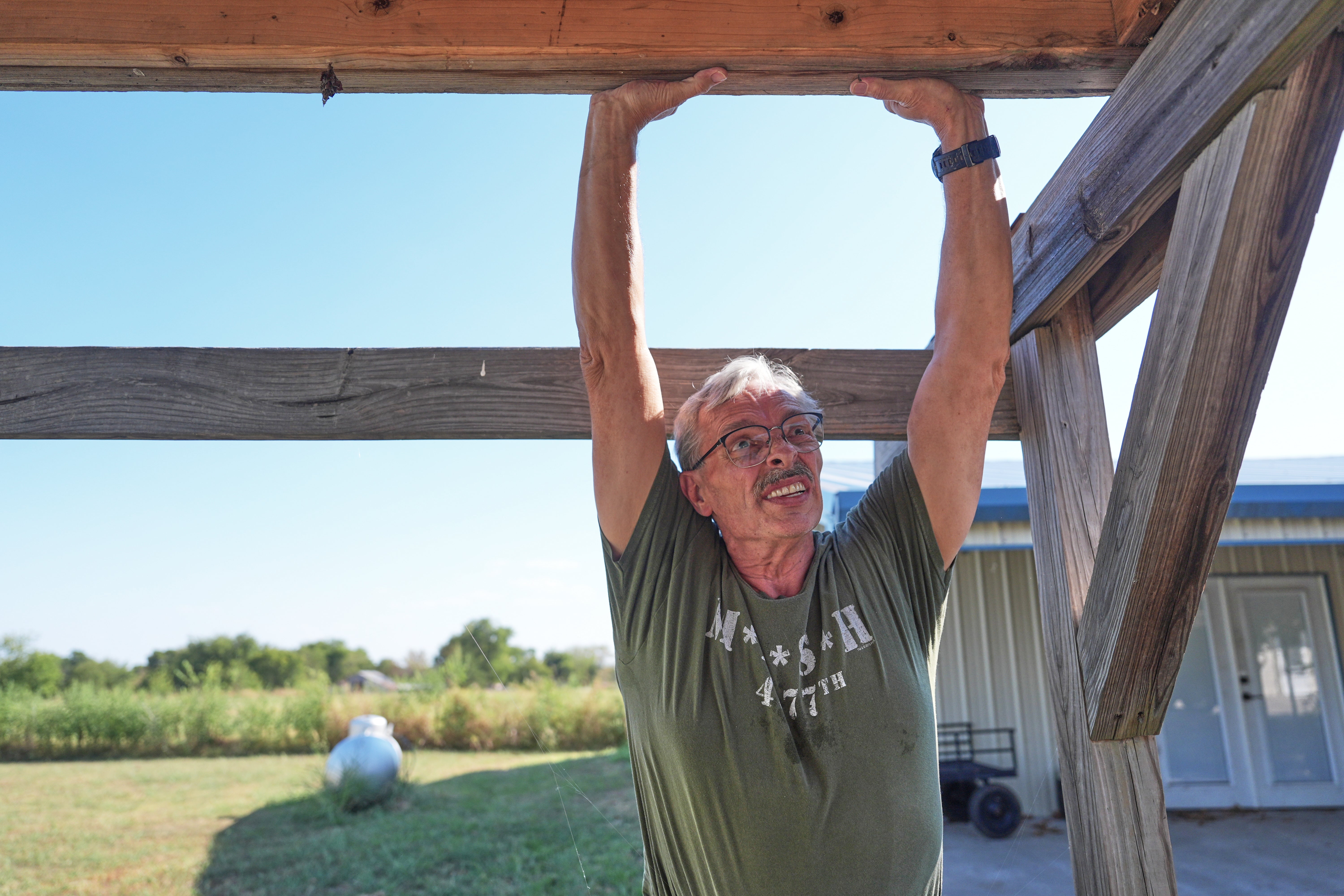
Ed Westrick, a 59-year-old Republican and military veteran in rural Texas, described Trump’s performance as “mediocre, middle-of-the-road” and said he was unsure whether he would vote in the midterms.
 open image in gallery
“I hear the politicians talk about making groceries more affordable and making healthcare more affordable, but yet none of them are addressing the issues,” he said.
Economic perceptions remain sharply divided along party lines. About six in 10 rural Republicans said Trump had improved the national economy, compared with fewer than two in 10 independents and fewer than one in 10 Democrats.
But Republicans were less positive about conditions closer to home. Only 45 percent said their local economy had improved, while a quarter said the availability of good-paying jobs had worsened over the past five years.
Tim Slack, a Louisiana State University sociology professor who studies rural America, said some voters were linking their cost-of-living problems to Trump administration policies, including tariffs, trade disputes and the war with Iran.
“Trump promised to lower prices on Day 1, and instead the cost of living’s continued to climb,” Slack said. “And that’s especially painful in rural America.”
Healthcare is another major concern. Just 17 percent of rural voters said the Trump administration’s policies had positively affected their healthcare costs, while 41 percent reported no impact and another 41 percent said they had experienced a negative effect.
 open image in gallery
More than eight in 10 had heard little or nothing about the administration’s $50 billion Rural Health Transformation Program, including 60 percent who had heard nothing at all.
In Georgia, 66-year-old Republican Wanda Rogers said she still believed Trump knew what needed to be done and simply needed more time.
But she acknowledged feeling the financial pressure herself.
“Gas prices, they’re eating me alive right now,” Rogers said.
Trump’s overall approval among rural voters stood at 48 percent, down from 56 percent in earlier KFF-Washington Post polling.
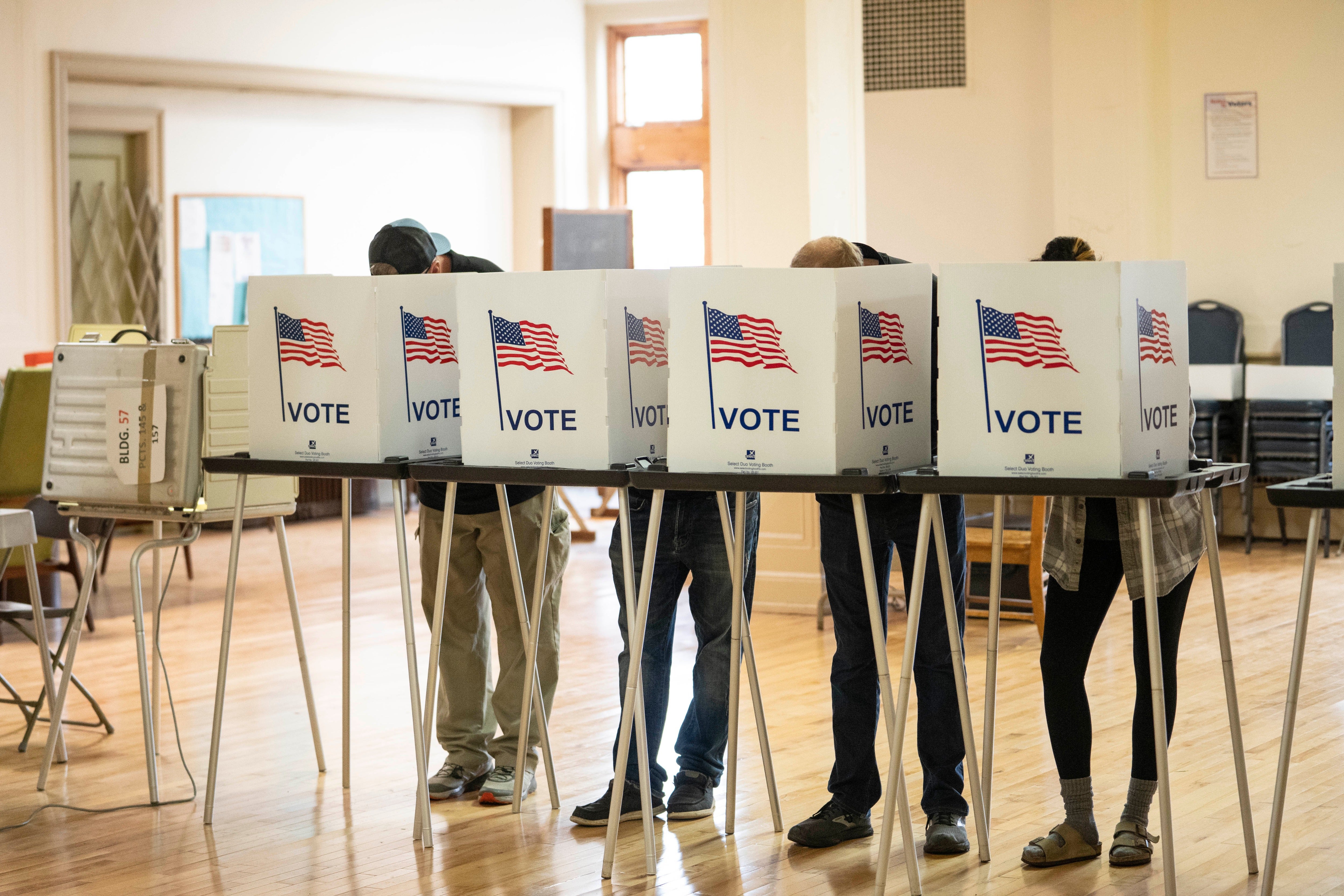
The erosion could matter in states with large rural populations and competitive Senate races, including Ohio, Michigan and Maine. But the survey provides little evidence of a wholesale shift toward Democrats.
Nicholas Jacobs, a political scientist at Colby College, said Democrats have an opportunity to make inroads with dissatisfied rural voters — but cautioned that an opportunity does not guarantee they will capitalize on it.
 open image in gallery
For some voters, frustration extends to both parties.
Nate Lawrence, a Republican middle-school teacher in Ohio who previously supported Trump but did not vote in 2024, said he remains undecided in the state’s Senate race as his family struggles with everyday expenses.
“I need to be able to go to the store and feed my family on what I make as a teacher,” Lawrence said.
As for Trump’s promise to bring prices down, Lawrence was succinct: “Trump said that, and it didn’t happen.”
More about
Donald TrumpRepublicansDemocratsmidtermsMichiganOhioMaineHealthcareLouisiana State University
Join our commenting forum
Join thought-provoking conversations, follow other Independent readers and see their replies
Most popular
Popular videos
Bulletin
Read next
Fonte: – World RSS Feed