Wyoming student arrested after allegedly poisoning rival’s tea with neurotoxin
Por Mead Gruver,Matthew Brown and Safiyah Riddle — – World RSS Feed
Wyoming student arrested after allegedly poisoning rival’s tea with neurotoxin
Aili Wang was detained while allegedly trying to flee the country after being questioned by police
Mead Gruver , Matthew Brown & Safiyah Riddle Wednesday 14 October 2026 09:11 EDT
- Bookmark
Bookmark popover
Removed from bookmarks
Close popover
 open image in gallery
Become an Independent member to bookmark this article
Want to bookmark your favourite articles and stories to read or reference later? Start your Independent Membership today.
Already a member?
Log in

The latest headlines from our reporters across the US sent straight to your inbox each weekday
Your briefing on the latest headlines from across the US
Your briefing on the latest headlines from across the US
I would like to be emailed about offers, events and updates from The Independent. Read our Privacy notice
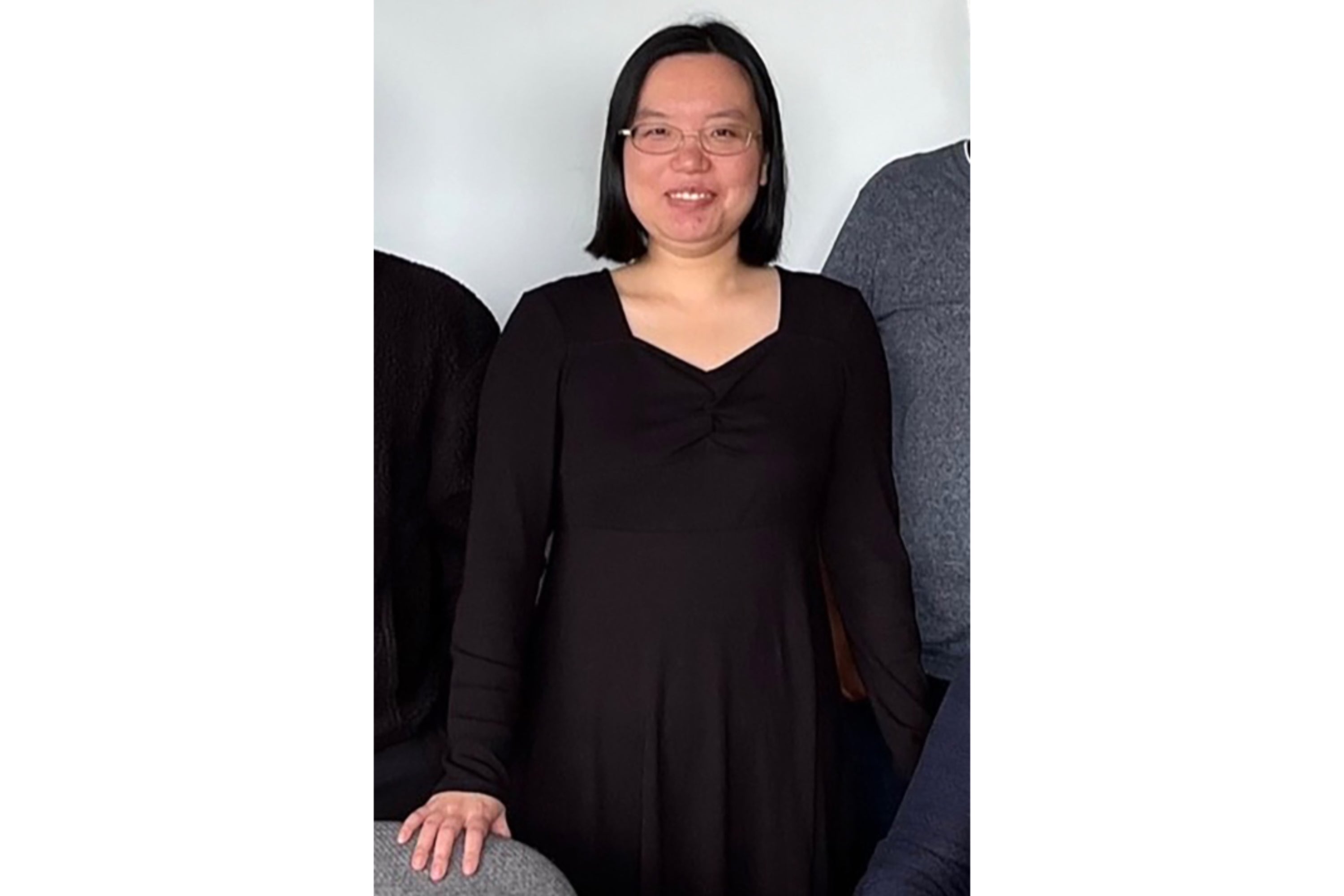
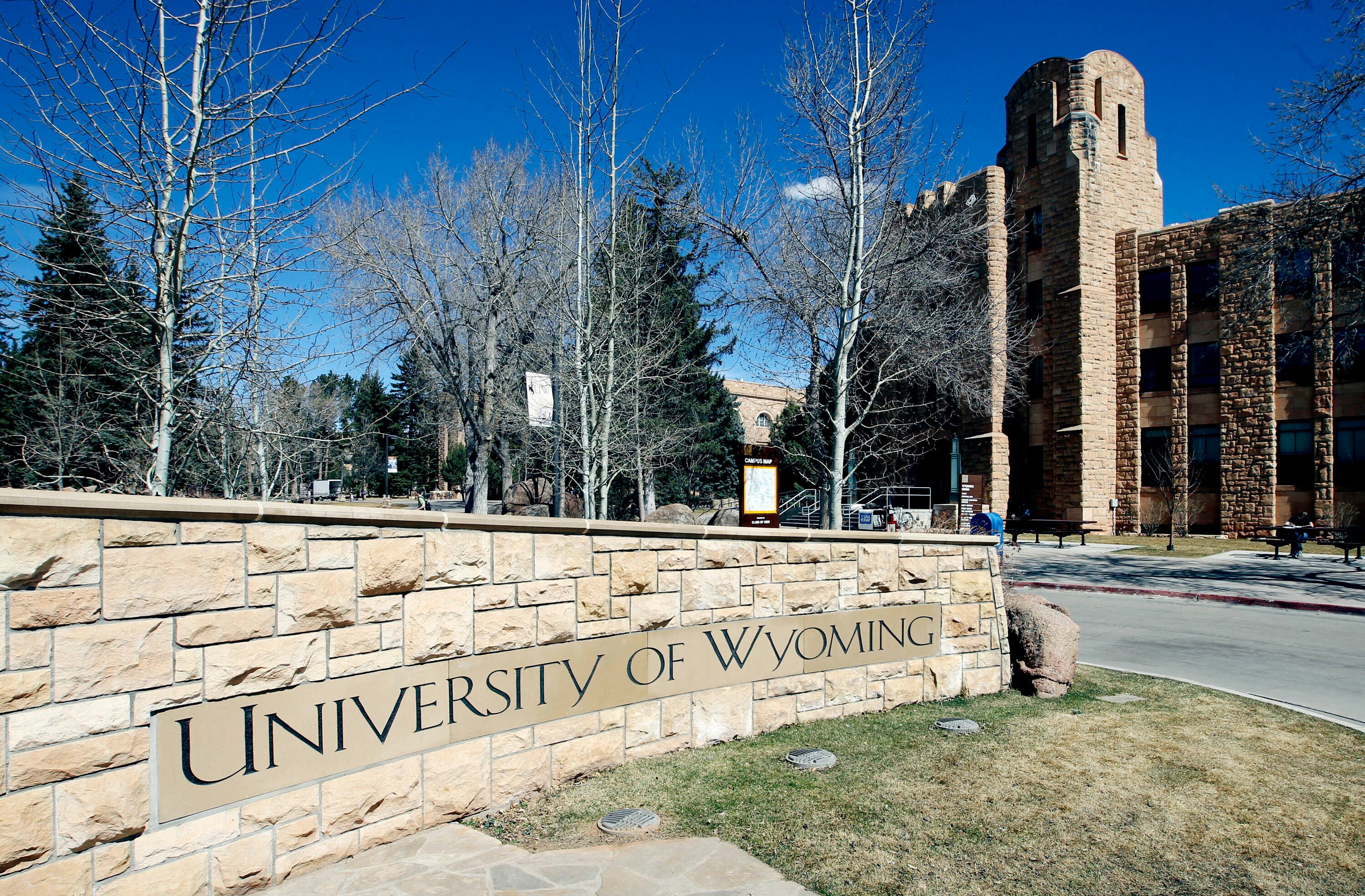
A Chinese microbiology graduate student in Wyoming has been arrested after she was accused of poisoning a colleague’s tea, then trying to flee the US after police questioned her.
Aili Wang, aged 32, was detained on 6 October at Los Angeles International Airport while allegedly trying to return to China.
Police have seized laptops, electronic storage devices and documents found with her, following allegations that surveillance footage captured her searching the desk of a victim specializing in disease treatment technology – work closely resembling research that Wang had previously conducted in China.
Wang remained in jail without bail on Tuesday in Los Angeles.
It is alleged Wang purchased a chemical called acrylamide on eBay, which was discovered after the alleged victim’s wife and multiple others tested water from the coffee maker he had used to brew tea.
For years, U.S. officials have been accusing China of stealing American universities’ intellectual property.
The microbiology professor overseeing both graduate students, Mark Gomelsky, said the accusations left him reeling.
He was uncertain if the victim would fully recover.
 open image in gallery
“It’s been disheartening, to say the least, to see that one of your student’s life is in jeopardy and another student may be responsible for that,” Gomelsky said.
“That was one of the worst shocks in my professional career.”
Wang had no attorney listed in court documents.
Reporters from the Associated Press tried to reach her via email and LinkedIn messages.
Amateur sleuthing helps campus cops develop case
The police investigation began after the victim, identified in court documents as “K.T.,” began experiencing symptoms and his wife and others allegedly isolated the chemical in the coffee maker water.
The victim and campus police then set up surveillance cameras in the office space he shared with Wang at the university in Laramie.
Wang allegedly was recorded on 27 September going through the alleged victim’s desk.
On 1 October, she was recorded “taking photos and manipulating notebooks” on his desk, as well as rinsing out his mug with a liquid from her own mug, a University of Wyoming campus police officer’s affidavit said.
Wang and the alleged victim, who did not share research areas, did not get along, according to the affidavit.
During an interview by campus police on 5 October, Wang allegedly said she “had not used acrylamide in years.”
A day later, she was taken into custody in Los Angeles while in possession of “multiple laptops, multiple portable external digital storage devices, related accessories, physical records and written materials,” according to a request by Wyoming prosecutors to “significantly increase” her $200,000 bond upon extradition.
Wang had no reason to go through the desk of the other student whose federally funded, patent-pending research involved “new technology for cancer, neurological and genetic disease treatment,” according to the affidavit.
Wang “was reportedly working on similar research in China before coming to the U.S.,” the affidavit alleges.
Victim is a high-achieving student from Vietnam
Gomelsky described the alleged victim as a highly successful student from Vietnam.
Wang failed her first attempt to defend her dissertation and became envious of her colleague’s success in discovering how to deliver RNA to human cells using bacteria, Gomelsky said.
The alleged victim began experiencing extreme tiredness, inability to sleep and other unexplained symptoms soon after attending a prestigious conference in August, Gomelsky said.
He also noticed a strange taste in the tea that he made with a small coffee maker on his desk, Gomelsky said. When he washed the coffee maker, Gomelsky said, the taste would go away.
Suspecting someone in their shared office could be poisoning the graduate student, Gomelsky said a chemistry professor tested the water and identified acrylamide.
Wang had not been doing lab work since June while she worked on her dissertation, he said.
Suspect faces return to Wyoming to face charges
Wang faces a felony aggravated assault and battery charge in Wyoming punishable by up to 10 years in prison and a $10,000 fine.
It’s not clear when she could be extradited to the state, where Albany County Circuit Court Judge Robert Sanford granted prosecutors’ request and raised bond to $1.5 million (approximately £1.13m) cash-only.
Wang allegedly asked eBay to delete her account after she bought acrylamide over the online retail site twice last summer, police said.
Best known as a carcinogenic byproduct of cooking starchy food and burning tobacco, acrylamide can be acutely toxic in high doses. It’s used in microbiology research involving proteins or DNA.
Discovery of the substance immediately made Tak Sumaya, an assistant professor who helped identify it in the coffee maker water, suspicious. Acrylamide is “not something you would find in that kind of quantity anywhere,” Sumaya said.
The alleged victim was working on “a pretty promising cancer therapy method,” Sumaya said. Wang, Sumaya added, took photos of every page of a notebook the alleged victim left on his desk.
“You wouldn’t do that with like your office or lab mate’s notebook unless there’s a really good reason, and there wasn’t,” Sumaya said.
Professor says victim is still experiencing symptoms
The alleged victim went to the campus health clinic in August with worsening finger tingling and numbness, and leg weakness. Suspicion led his wife and others to boil away coffee maker water from the shared office to isolate 63 milligrams of white powder that tested positive for acrylamide, according to the affidavit.
The amateur investigators turned the sample over to university police.
The alleged victim continues to experience symptoms from the poisoning, including not being able to focus, tiring easily and a loss of sensation in his left hand, Gomelsky said.
“Acrylamide is a neurotoxin that cannot be neutralized, so it stays in neurons and basically kills them. So it’s unclear if he’ll fully recover or not,” the professor said.
More about
WyomingLos Angeles International AirportChinaVietnam
Most popular
Popular videos
Bulletin
Read next
Fonte: – World RSS Feed