Why experts say now is an ideal time to protect yourself from flu – and where you can get vaccinated in US
Por Lauran Neergaard — – World RSS Feed
Why experts say now is an ideal time to protect yourself from flu – and where you can get vaccinated in US
Experts say now is an ideal time to get a flu shot, before influenza starts spreading widely
Lauran Neergaard Friday 02 October 2026 16:27 BST
- Bookmark
Bookmark popover
Removed from bookmarks
Close popover


Become an Independent member to bookmark this article
Want to bookmark your favourite articles and stories to read or reference later? Start your Independent Membership today.
Already a member?
Log in
Your support helps us to tell the story
Read more Support Now
From reproductive rights to climate change to Big Tech, The Independent is on the ground when the story is developing. Whether it’s investigating the financials of Elon Musk’s pro-Trump PAC or producing our latest documentary, ‘The A Word’, which shines a light on the American women fighting for reproductive rights, we know how important it is to parse out the facts from the messaging.
At such a critical moment in US history, we need reporters on the ground. Your donation allows us to keep sending journalists to speak to both sides of the story.
The Independent is trusted by Americans across the entire political spectrum. And unlike many other quality news outlets, we choose not to lock Americans out of our reporting and analysis with paywalls. We believe quality journalism should be available to everyone, paid for by those who can afford it.
Your support makes all the difference. Read more
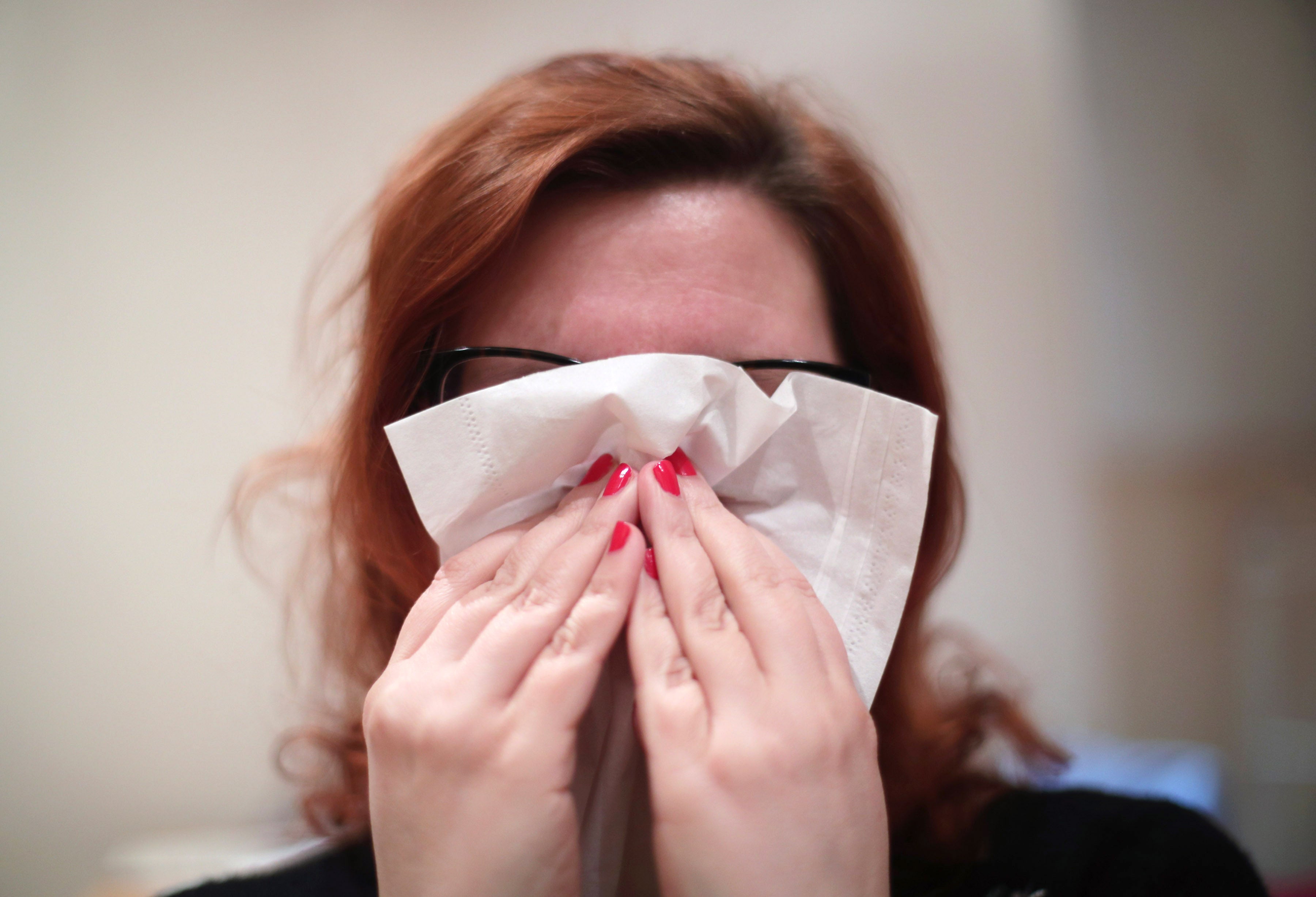
As October arrives, medical experts are advising people to get vaccinated against flu before the virus begins spreading widely, alongside updating protection against other autumn respiratory illnesses.
Updated COVID-19 jabs are now available, as well as vaccinations tailored for those particularly vulnerable to another winter threat, RSV.
While these viruses make many people feel unwell for a few days prior to recovery, influenza on its own leads to hundreds of thousands of hospitalisations in the US and kills tens of thousands every year.
Vaccination isn’t “a guarantee that we’re going to prevent illness. But just like the seat belt in your car, it decreases risk” of the most severe outcomes, said Dr Ryan Stanton of the American College of Emergency Physicians.
Seasonal vaccine guidance traditionally stems from the Centers for Disease Control and Prevention and its independent advisory panel.
However, a legal battle involving that panel, which shapes state and insurance vaccine policies, means the CDC has not updated its official advice this year.
Medical organisations are now stepping in to address the gap.
 open image in gallery
The American Academy of Pediatrics, American Academy of Family Physicians, American College of Obstetricians and Gynecologists, and the Infectious Diseases Society of America have issued specific vaccination guidelines for their patient groups, accompanied by the underlying scientific evidence.
Here’s what to know…
Just about everyone should get vaccinated against flu
Just about everybody starting at age 6 months needs flu vaccination, the medical societies agree. But flu is particularly dangerous for people 65 and older, pregnant women, young children and people of any age who have chronic health problems, including asthma, diabetes, heart disease and weak immune systems. The last two flu seasons brought unusually high numbers of child deaths, the vast majority of them in unvaccinated kids.
The vaccines don’t block all flu infections, but they do help prevent the worst outcomes, decreasing older adults’ hospitalizations by 31% last year, according to the Vaccine Integrity Project, a public health group based at the University of Minnesota.
Here’s how to pick from the multiple flu vaccine options
Three “enhanced” flu vaccines are designed to better protect seniors. The American Academy of Family Physicians urges them to choose one — “but do not delay your vaccination if that one’s not available,” said AAFP’s Dr. Sarah Nosal.
The Food and Drug Administration recently approved a new choice for people ages 50 and older, the first flu vaccine made with the same mRNA technology that was key to ending the COVID-19 pandemic.
 open image in gallery
One study found Moderna‘s mFlusiva was 27 per cent more effective against symptomatic illness among 50- to 64-year-olds than a standard shot.
The shot-averse could choose a nasal spray, FluMist, if they’re ages 2 to 49 and meet other health criteria.
The latest on COVID-19 vaccines
COVID-19 shots once were recommended for just about everyone by federal health agencies, but like last year, the FDA has only formally approved them for higher-risk people — those ages 65 and older or younger people with at least one health condition that increases their risk.
Still, the family physicians recommend all adults get a COVID-19 vaccination, especially seniors and those with other risk factors. Adults 65 and older should get a fall dose and then a second dose six months later, as immunity wanes over time, Nosal said.
The American Academy of Pediatrics recommends a COVID-19 shot for all children ages 6 months to 23 months, and for older kids with high-risk conditions. It also supports vaccination for any child whose parent wishes it.
With millions of shots administered, there’s no evidence that coronavirus vaccination during pregnancy increases the risk of miscarriage or other problems, “so please get the vaccine,” said ACOG’s Dr. Christina Davidson.
Depending on age, people can choose a shot from Moderna, Pfizer, or the only non-mRNA version from Novavax and Sanofi.
 open image in gallery
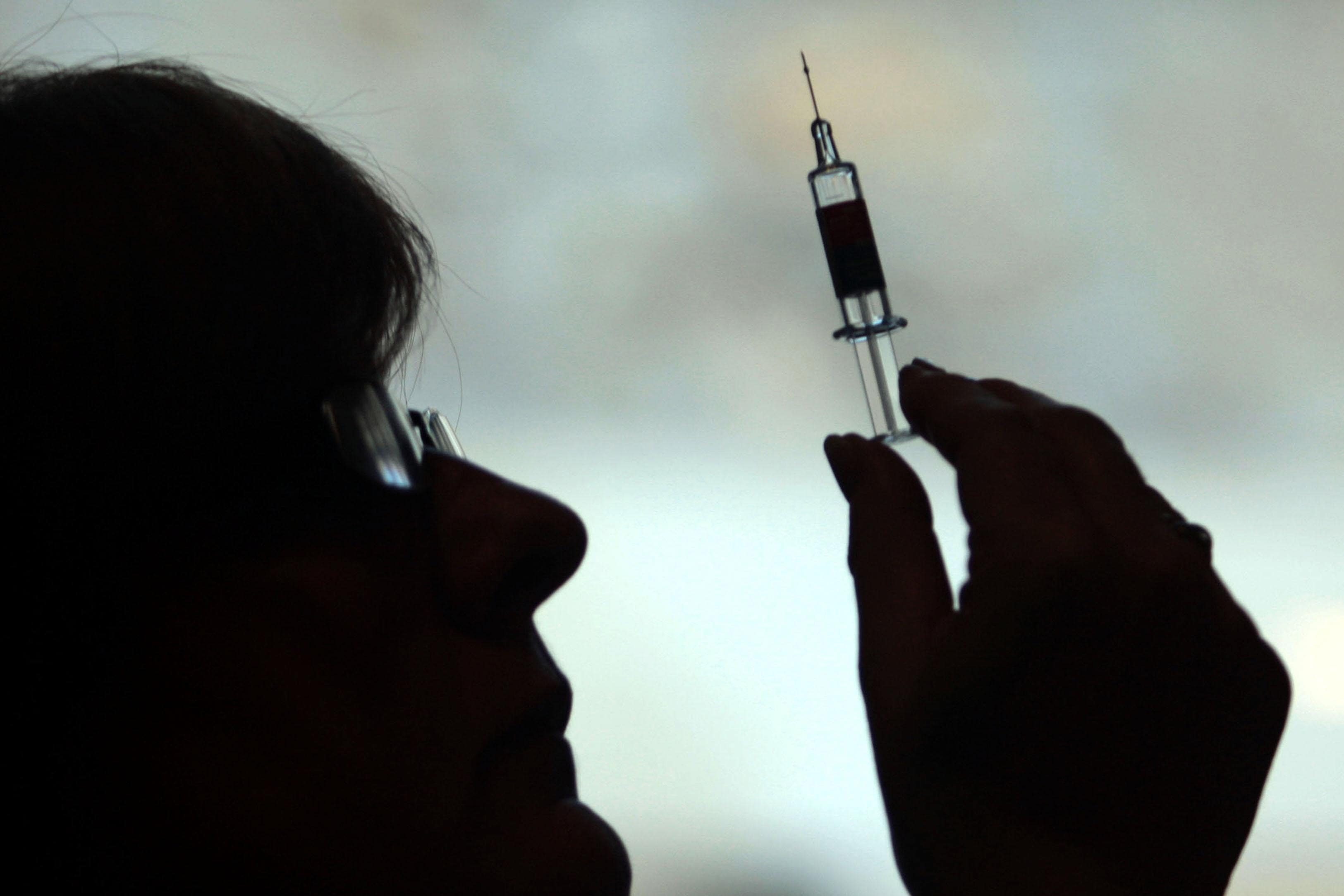
Just like with flu vaccines, these shots are better at preventing severe disease than mild cases. The Vaccine Integrity Project said last fall’s COVID-19 shots cut the risk of hospitalization by 53% in seniors and slashed emergency room visits for very young children.
Common side effects for flu and COVID-19 vaccines are mild and temporary, such as sore arms, fatigue, headaches, muscle aches, and mild fever. They occurred somewhat more often with the new mFlusiva than with standard flu shots.
Here’s where you can get vaccinated
While pediatricians and some clinics offer both flu and coronavirus shots, they’re most common in pharmacies.
For COVID-19 shots, states have more pharmacy rules. For example, Walgreens says it offers those shots without a prescription in all but two states, Arizona and Oregon, but can provide doses for children as young as 3 in some states while others have higher age limits.
Medicare covers the fall shots and most private health insurers say they plan to continue doing so through 2027. If you want to choose mFlusiva, the new Moderna flu option, make sure to double check that your insurance covers it.
When to get vaccinated
Flu experts say October is best, although vaccinations will remain available through the fall — just remember it can take two weeks for protection to kick in. COVID-19 cases rose in the late summer and usually do again around the winter holidays. Some experts say it’s also OK to time the coronavirus shot a few weeks ahead of an event you wouldn’t want to miss because of illness, like a special trip or get-together.
RSV is a nuisance for many, but it can be deadly for some
RSV, or respiratory syncytial virus, typically is a cold-like nuisance during the fall, winter and early spring. But it can be severe, even life-threatening, for infants and older adults.
The family physicians recommend a one-time vaccination for adults 75 and older, people 50 to 74 who are at increased risk, or younger people with weak immune systems.
It’s also recommended during late pregnancy to protect infants born during RSV season. Separately, the pediatricians recommend a vaccine-like medication for those infants whose moms weren’t vaccinated and some other high-risk babies.
More about
CovidVaccinationFood And Drug AdministrationPfizerFlu
Most popular
Popular videos
Bulletin
Read next
Fonte: – World RSS Feed