What is Shamonda virus? Symptoms and origin after first human case confirmed in France
Por James C. Reynolds — – World RSS Feed
What is Shamonda virus? Symptoms and origin after first human case confirmed in France
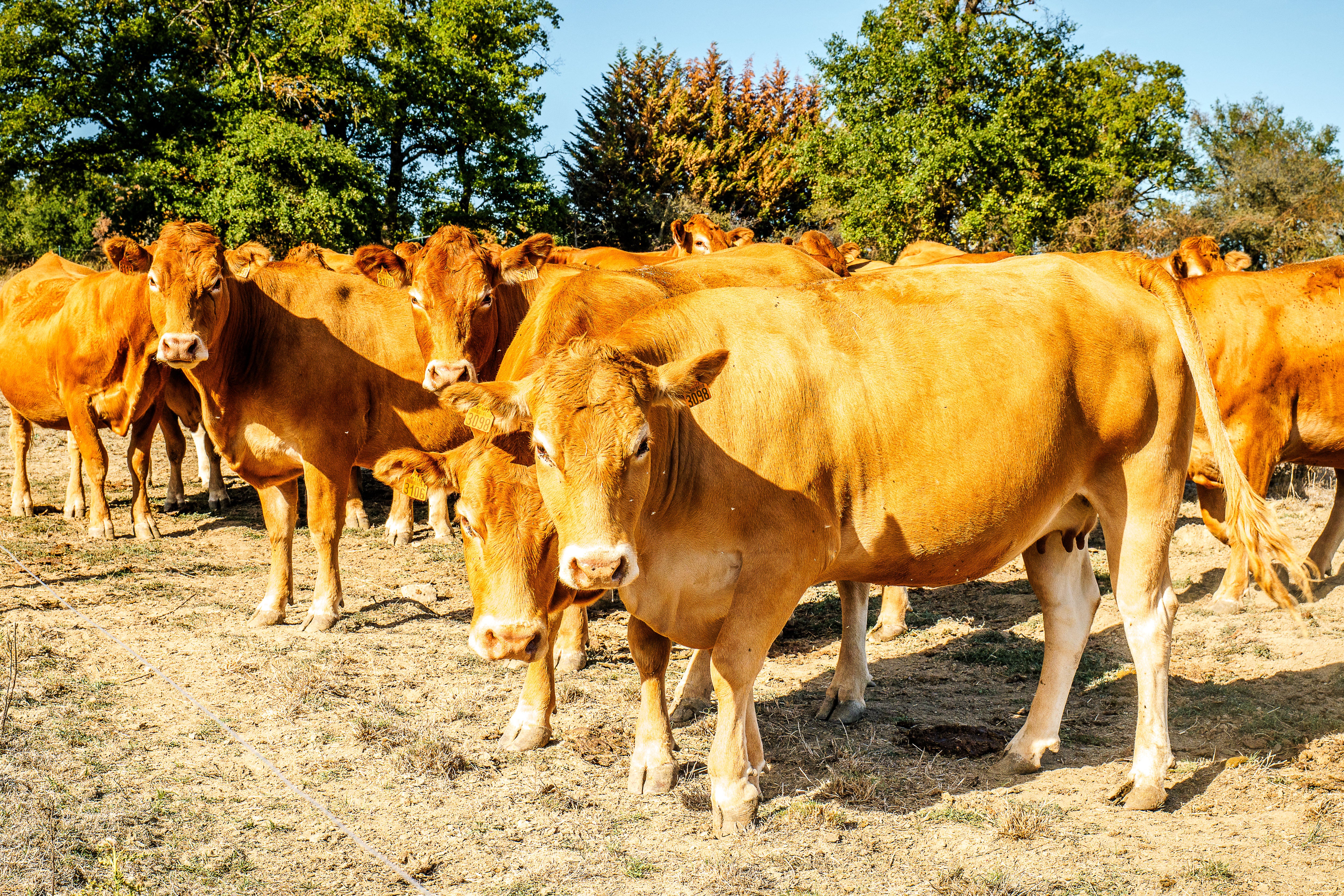
The virus only appeared in Europe for the first time this summer, including on cattle farms
James C. Reynolds Thursday 22 October 2026 11:17 BST
- Bookmark
- Comments Go to comments
Bookmark popover
Removed from bookmarks
Close popover
 open image in gallery

Become an Independent member to bookmark this article
Want to bookmark your favourite articles and stories to read or reference later? Start your Independent Membership today.
Already a member?
Log in
French health authorities said on Thursday that they had detected the Shamonda virus in a human for the first time in a person who later died.
The patient, who was already being treated for a serious illness at a hospice in Lyon, was found to have been infected with the virus before he died in early October.
Until now, the virus – which usually affects livestock – was considered non-transmissible to humans, the agricultural department said, adding that they saw no health risk to the general population at this stage.
But initial investigations suggest that cerebral complications seen in the immunocompromised patient before his death were “very likely” linked to infection with the Shamonda virus, they noted.
open image in galleryWhat is the Shamonda virus?
Shamonda virus is an insect-borne Orthobunyavirus primarily affecting livestock, particularly cattle, and transmitted by biting midges.
First identified in Nigeria in the mid-1960s, it has since been detected sporadically in animals in Africa and Japan. It has been spreading among several European countries this year.
Despite decades of circulation in Africa and Asia, the virus only appeared in Europe this summer, and no human cases had been documented globally until now, the French department of agriculture said on Thursday.
The leading hypothesis is that the patient in Lyon may have been infected in eastern France, where the virus had been circulating among animals.
 open image in gallery
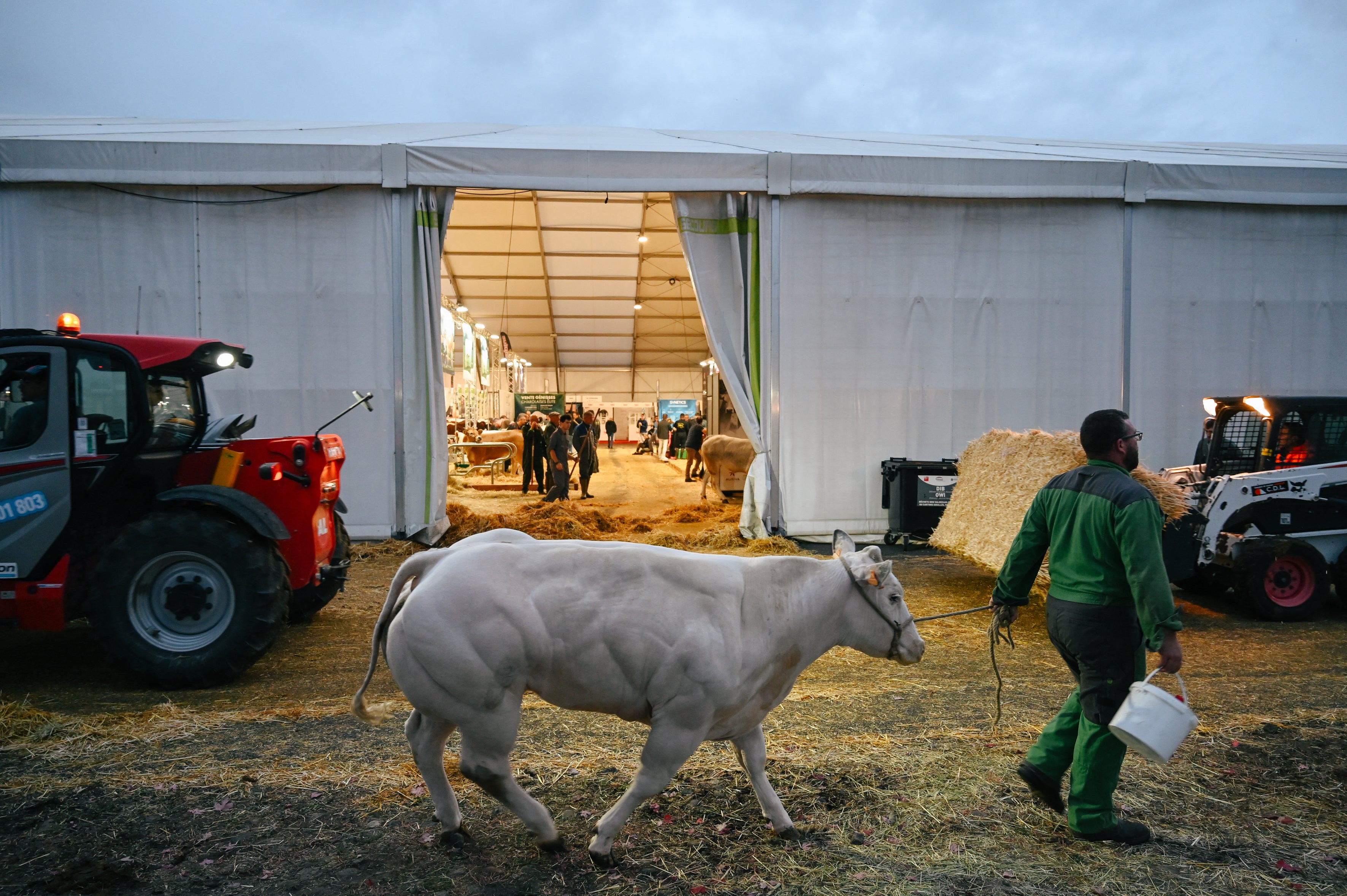
Although the disease has been observed primarily in cattle, the virus has also been detected in sheep, goats, alpacas and horses in several European countries.
UK health authorities last month reported that the virus had been detected in cattle in Jersey over the summer.
What are the symptoms?
Shamonda virus belongs to the same group of viruses as Schmallenberg virus (SBV) and mainly affects cattle, causing fever, diarrhoea, lethargy and reduced milk production, according to the UK’s Animal and Plant Health Agency.
The agency said abortions have also been documented in infected cattle. They also reported concerns that infection during pregnancy could result in congenital abnormalities, similar to those seen with SBV and other related viruses.
The virus was not thought to be fatal in cattle, according to the British Agriculture Bureau.
France’s health authorities reported on Thursday that the Lyon patient was already immunocompromised and being treated for a serious illness when they died in early October.
They said that initial investigations suggested that cerebral complications observed in the patient before his death were “very likely linked to infection with the Shamonda virus”, however.
“Clinical, biological, and epidemiological investigations are still underway,” the department for agriculture said.
More about
Join our commenting forum
Join thought-provoking conversations, follow other Independent readers and see their replies
Most popular
Popular videos
Bulletin
Read next
Fonte: – World RSS Feed


