Tiny penguin-like sea birds are dying in droves along the California coast
Por Julia Musto — – World RSS Feed
Tiny penguin-like sea birds are dying in droves along the California coast
Dozens of emaciated seabirds have been taken to rescue centers
Julia Musto in New York Thursday 17 September 2026 15:56 BST
- Bookmark
- Comments Go to comments
Bookmark popover
Removed from bookmarks
Close popover
Your support helps us to tell the story
Read more Support Now
From reproductive rights to climate change to Big Tech, The Independent is on the ground when the story is developing. Whether it’s investigating the financials of Elon Musk’s pro-Trump PAC or producing our latest documentary, ‘The A Word’, which shines a light on the American women fighting for reproductive rights, we know how important it is to parse out the facts from the messaging.
At such a critical moment in US history, we need reporters on the ground. Your donation allows us to keep sending journalists to speak to both sides of the story.
The Independent is trusted by Americans across the entire political spectrum. And unlike many other quality news outlets, we choose not to lock Americans out of our reporting and analysis with paywalls. We believe quality journalism should be available to everyone, paid for by those who can afford it.
Your support makes all the difference. Read more
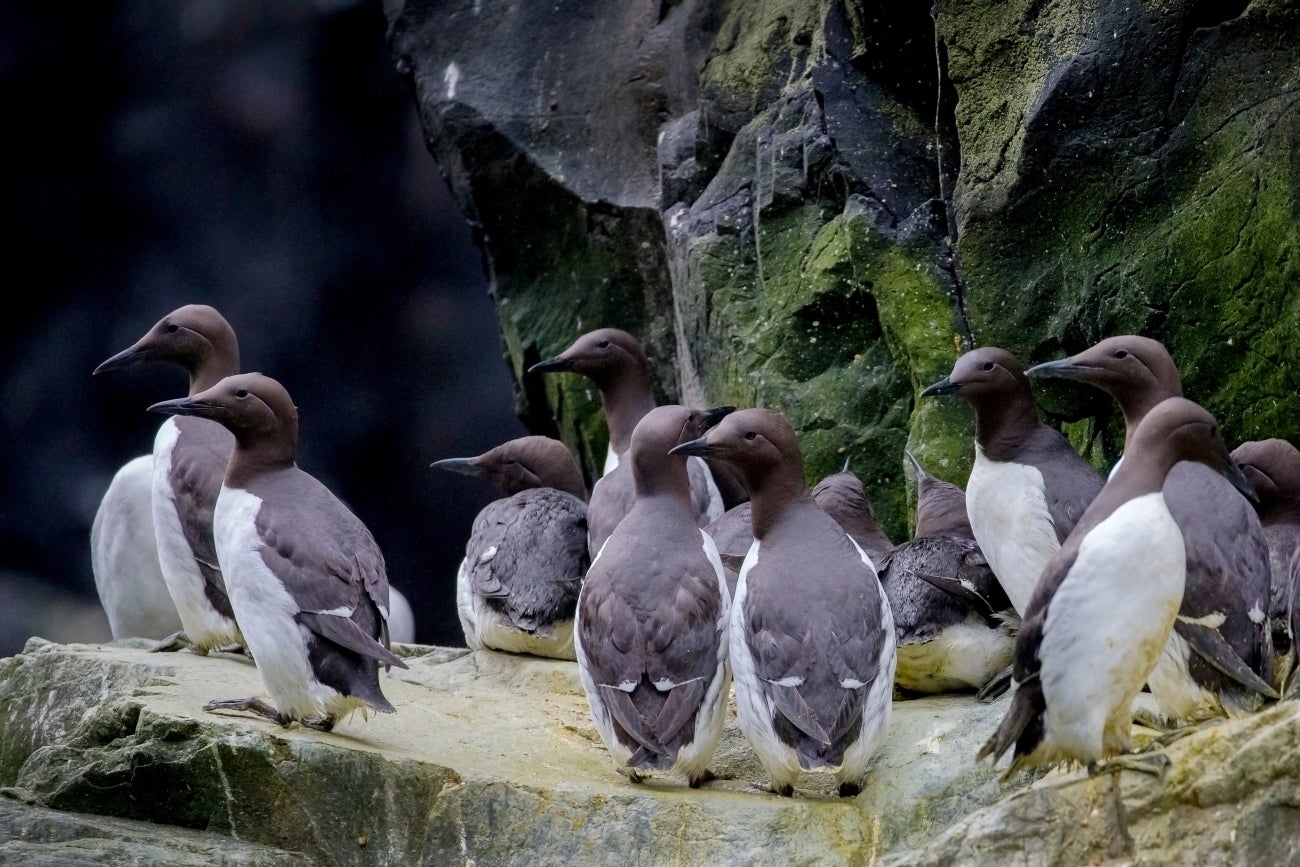
Penguin-like sea birds known as common murres have been dying in droves along the California coast over the last two months.
The birds are starving to death because warming Pacific waters, fueled by climate change and a “super” El Niño, are making underwater creatures who compete for their food sources hungrier. Murres can dive to depths of up to 300 feet to hunt for prey but predator fish are outpacing the birds, leaving many to starve.
Without enough energy from food, the birds are not be able to molt. Molting is a natural process that helps murres swim, stay warm and buoyant and maintain waterproofing.
Dozens of emaciated seabirds have been taken to International Bird Rescue centers in California to receive critical care.
“This time of year, Bird Rescue normally receives large numbers of orphaned chicks with a few adults. However, this year, more adults than chicks are coming into care,” the non-profit said in a blog post last week.
 open image in gallery
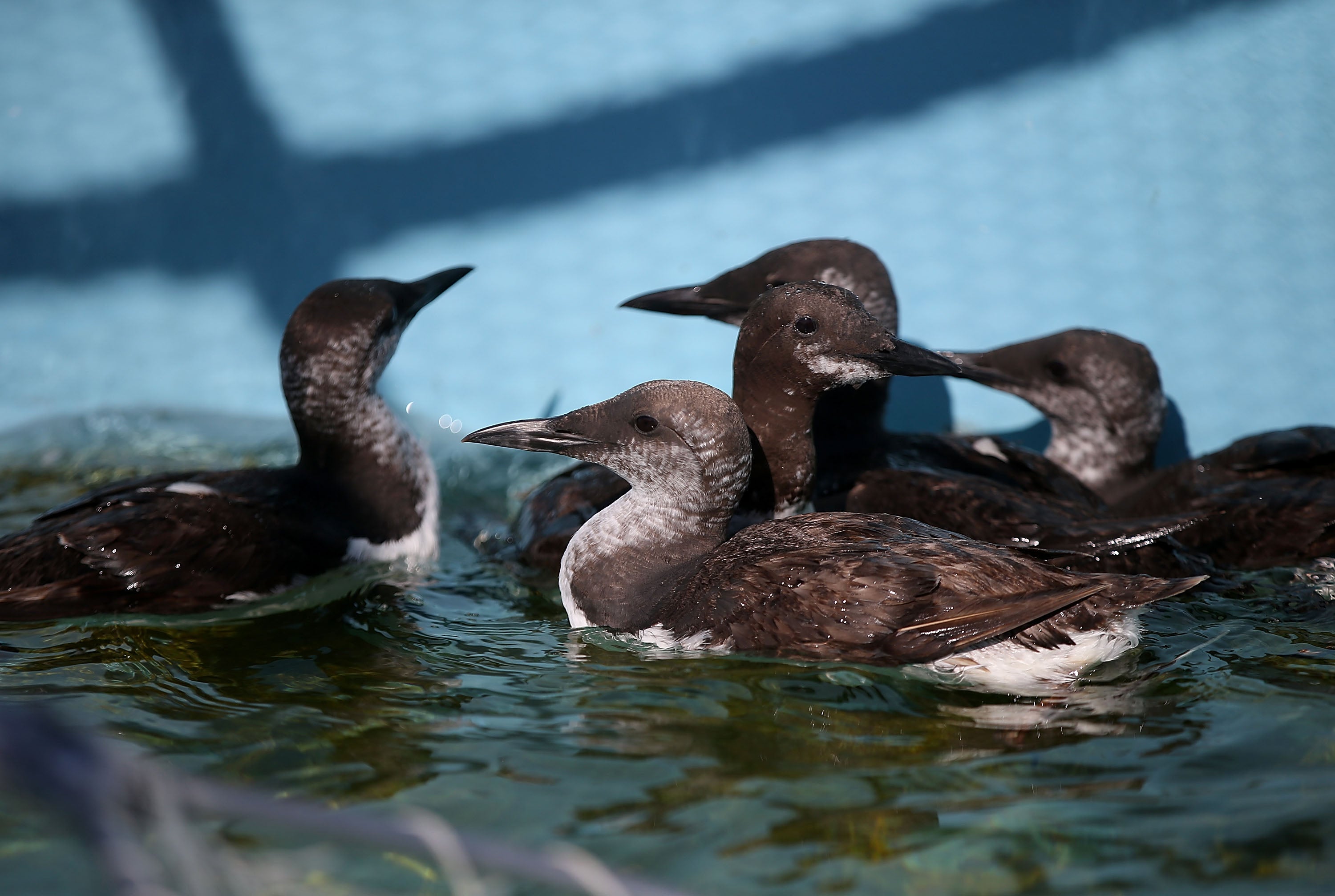
Severely emaciated murres have been brought into rescue centers with worn and broken feathers.
“Not having the energy to grow new feathers is kind of like not having enough money to buy a new wetsuit and having to use a ratty old one with lots of holes in a cold ocean,” Dr. Rebecca Duerr, Senior Director of Research and Veterinary Science, explained.
The center’s staff provides specialized care to help the birds regain their strength and eventually return to the wild. Some are also treated for a red blood cell parasite called Babesia uriae that leads to anemia and weakness in seabirds.
Unfortunately, this is not the first time common murres have been threatened.
The birds experienced the largest known die-off of a single bird species after an Alaska ocean heat wave known as “the blob” that started in late 2014 and lasted for two years.
 open image in gallery
Some four million murres – or around half of the state’s murre population – died from starvation during the die-off, a 2024 study found.
During that time, more than 500 birds were treated at the rescue organization’s San Francisco Bay-Delta center.
“Most heat waves come and go within a few weeks, maybe a few months. This one was different. It hung around for two years,” Fish and Wildlife researcher Heather Renner told CBS News San Francisco Wednesday.
“And over the course of those two years, it really changed the marine ecosystem in ways that we’re only now beginning to understand.”
Murres spend most of the year on the open ocean before colonies of thousands migrate to tall seaside cliffs to lay teardrop-shaped eggs, according to the Oregon Coast Aquarium. Newborn chicks will jump into the water just a couple of months after birth.
Because murres often mate for life and only lay one egg a year, the species’ recovery has been slow, and makes saving them even more critical.
Anyone who sees a murre that appears to be in distress in an unusual location, isolating from other birds, entangled in fishing gear or allowing people to approach should contact local animal control or the Bird Rescue’s Bird HelpLine at 866-SOS-BIRD (866-767-2473).
More about
Pacific OceanEl NinoCaliforniaAlaskaBirds
Join our commenting forum
Join thought-provoking conversations, follow other Independent readers and see their replies
Most popular
Popular videos
Bulletin
Read next
Fonte: – World RSS Feed