The 89-year hunt for Amelia Earhart takes another turn as searchers stick by ‘castaway hypothesis’
Por Liam Gilliver — – World RSS Feed
The 89-year hunt for Amelia Earhart takes another turn as searchers stick by ‘castaway hypothesis’
The castaway theory suggests that Amelia Earhart and navigator Fred Noonan did not crash into the sea
Liam Gilliver Tuesday 20 October 2026 10:33 BST
- Bookmark
- Comments Go to comments
Bookmark popover
Removed from bookmarks
Close popover

Become an Independent member to bookmark this article
Want to bookmark your favourite articles and stories to read or reference later? Start your Independent Membership today.
Already a member?
Log in
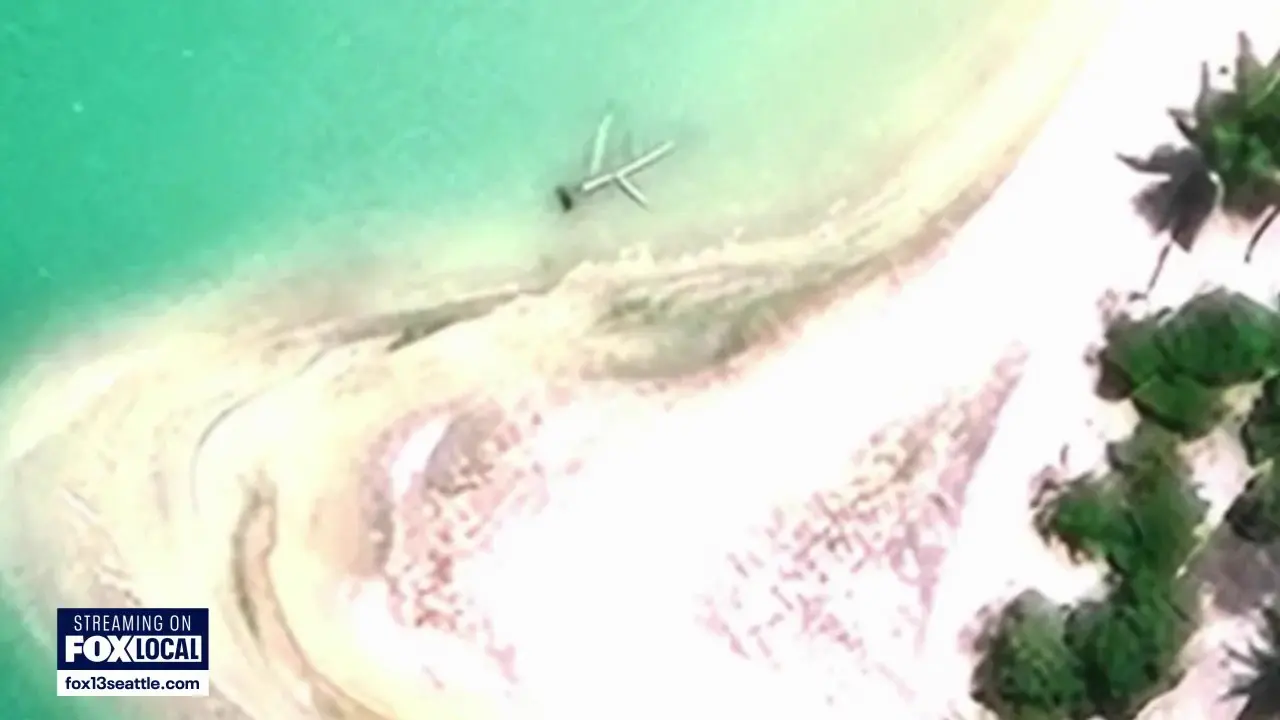
Expeditionists have vowed to keep searching for Amelia Earhart after a wreckage thought to be the aviator’s plane turned out to be a cluster of washed-up trees
US-based explorers who voyaged to a tiny South Pacific island in hopes of finding Amelia Earhart’s plane say they stand by the “castaway hypothesis” despite the snag in their search.
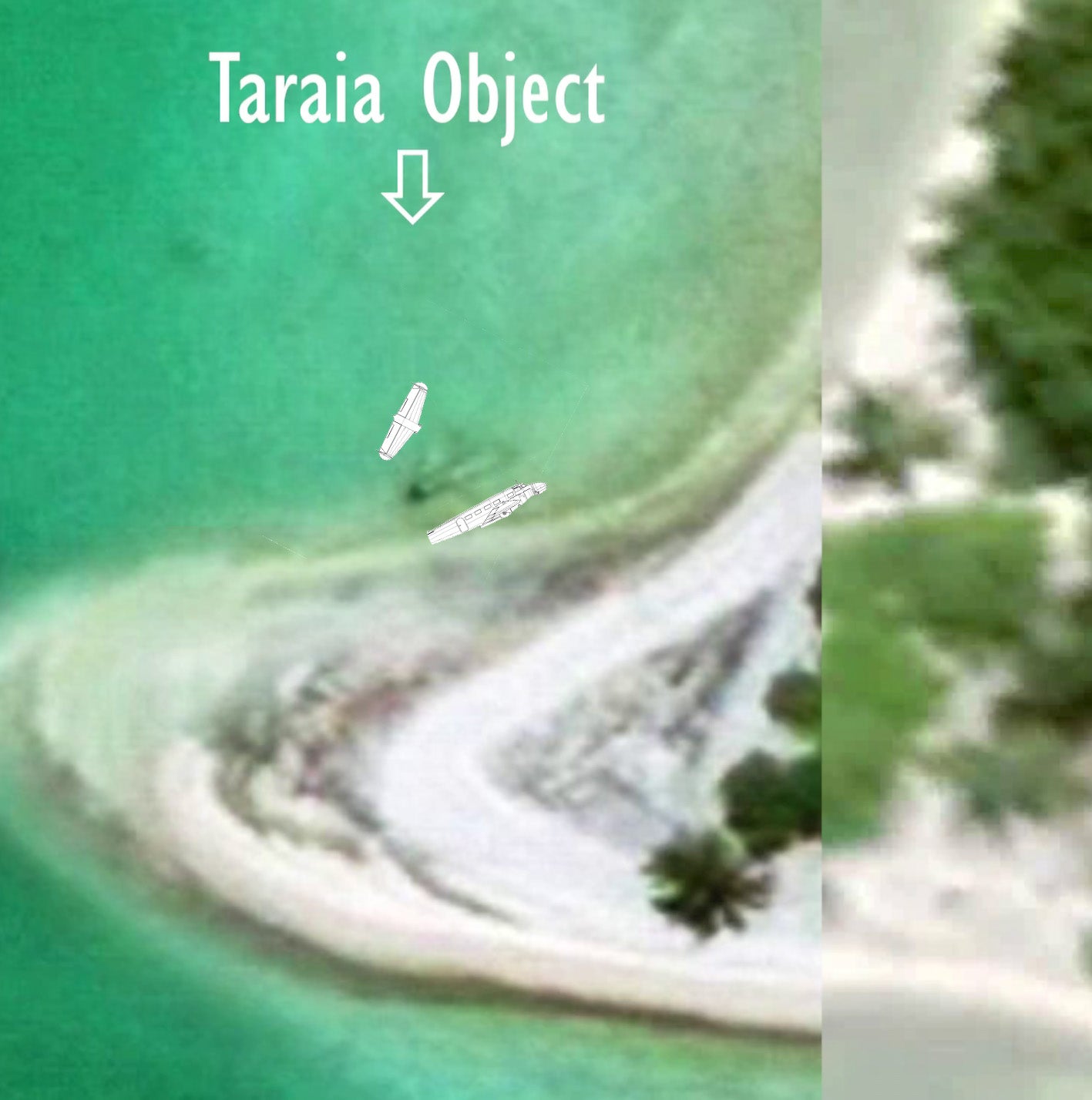
The Taraia Object expedition, a joint effort by the Archaeological Legacy Institute (ALI), Purdue Research Foundation and Purdue University, headed to Nikumaroro Island after satellite imagery from 2020 appeared to show Earhart’s Electra 10-E aircraft.
However, on Monday the team confirmed that the wreckage was actually a cluster of washed-up trees.
By the time the team arrived at the site, a good portion of the debris had fragmented and washed away, leaving only a single Y-shaped segment — a fraction of the anomaly’s original size observed in imagery when the Taraia Object hypothesis was developed.
Nikumaroro Island mapped:
Researchers thought the suspected plane’s reflective surface meant it was made out of a metallic substance, but this turned out to be carbonate veneer. Other items found by the team were similarly coated with a shiny concretised amalgam of coral sand.
 open image in gallery
The Taraia Object expedition did find numerous artefacts through both maritime and terrestrial archaeology efforts, including a steel tube about 30 inches long discovered in the lagoon near the Taraia Peninsula.
The setback follows two previous failed attempts to locate the aircraft’s wreckage in the waters surrounding Nikumaroro. A plane-shaped sonar image captured elsewhere on the sea floor was reported to be a pile of rocks.
‘We will keep searching’
While expeditionists didn’t find the “smoking gun” they were hoping for, Rick Pettigrew, ALI’s executive director, says the team remains in great spirits.
“Amelia Earhart never gave up — she kept pushing boundaries and flying into the unknown,” said Steve Schultz, Purdue general counsel and expedition member.
“That same fire fuels our search. She kept flying, and we will keep searching.”
The ‘castaway theory’. Did Amelia Earhart’s plane actually crash?
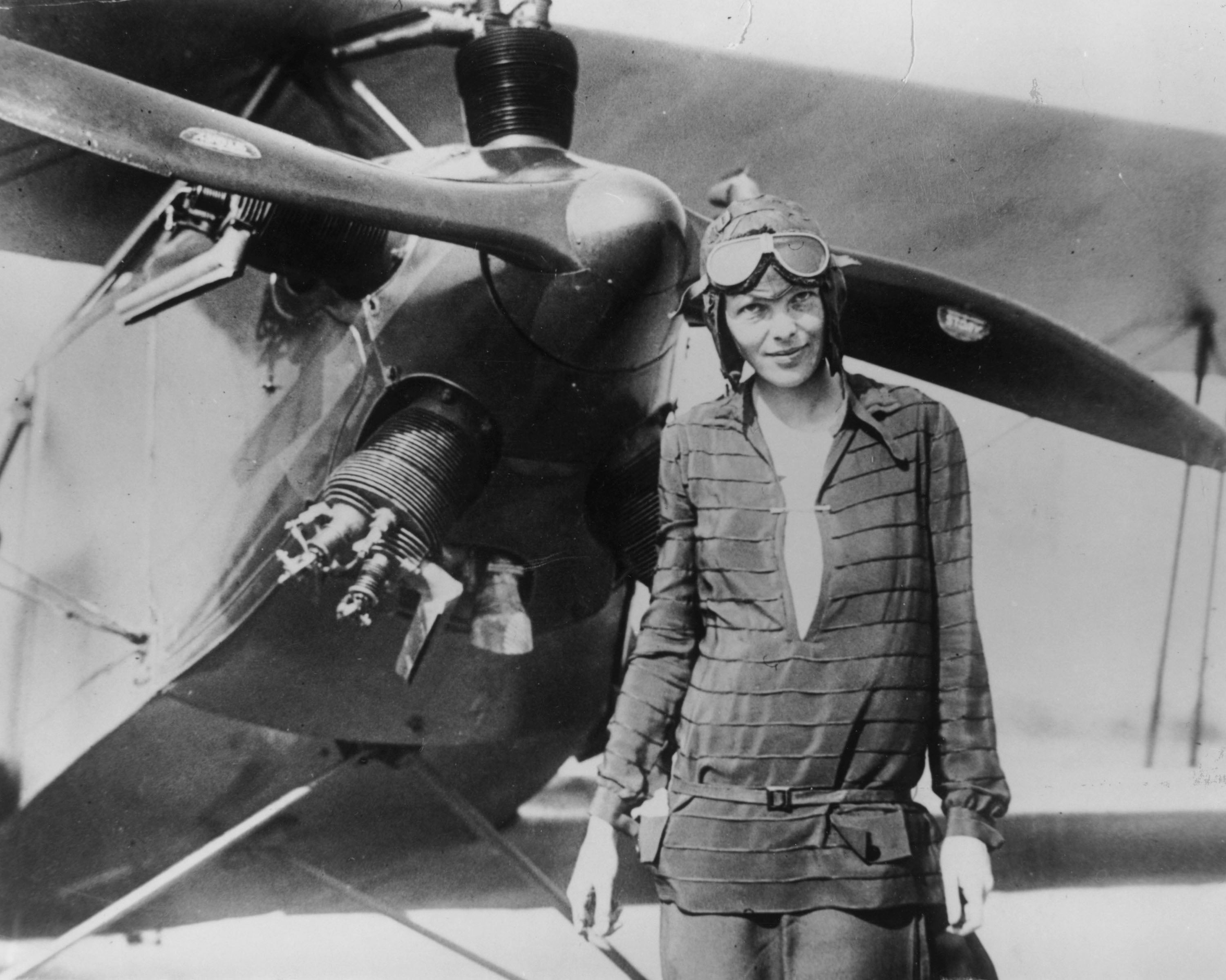
Earhart and her navigator Fred Noonan left Lae, Papua New Guinea, on the third-to-last leg of her round-the-world flight attempt on 2 July, 1937. The pair were heading to Howland Island, around 400 miles northwest of Nikumaroro when they mysteriously disappeared.
It led to one of the US’ largest air-sea searchers in history, as the country spent two weeks scouring an area of the Pacific Ocean roughly the size of Texas.
Earhart’s Lockheed Electra, affectionately known as her “Flying Laboratory,” was purchased with funds from the Purdue Research Foundation. Earhart intended to return the plane to Purdue upon completion of her flight.
But the castaway theory, developed by The International Group for Historic Aircraft Recovery since the 1980s, argues that Earhart and Noonan did not crash into the sea.
Instead, it is believed the pair landed on the reef flat of the remote atoll and were marooned there.
 open image in gallery
The castaway theory is based on four key bodies of evidence, based on documentary records, photographs and satellite images, physical artifacts, and personal testimony. These are:
- Radio bearings recorded from transmissions at the time by the US Navy, the U.S. Coast Guard and Pan American World Airways, which converge on Nikumaroro.
- A 2018 analysis of human bones discovered on the island in 1940, strongly suggesting they belong to a woman of Earhart’s stature
- Artefacts found on Nikumaroro including a woman’s shoe, a compact case, a freckle cream jar and a medicine vial — all dating to the 1930s.
- The Bevington Object, a photographic anomaly on the Nikumaroro reef captured three months after the plane’s disappearance, which appears to represent the Electra’s landing gear.
The official US government view of Earhart’s fate has long been that her plane ran out of fuel and crashed at sea near its refueling destination of Howland Island.
More about
Amelia EarhartFred NoonanUSExplorers
Join our commenting forum
Join thought-provoking conversations, follow other Independent readers and see their replies
Most popular
Popular videos
Bulletin
Read next
Fonte: – World RSS Feed


