Social media must join the fight against teen suicides
Por Paul Yip — South China Morning Post – News feed
Advertisement Mental health Opinion Hong Kong Opinion

Opinion Paul Yip Social media must join the fight against teen suicides
The causes are complex, and home and school problems are major factors, but the digital environment is a significant amplifier of distress
4 -MIN READ 4 -MIN Listen
Paul Yip Paul Yip is the founding director of the Centre for Suicide Research and Prevention at the University of Hong Kong, and a professor at the university's Department of Social Work and Social Administration. Published: 9:30am, 10 Sep 2026
As we observe World Suicide Prevention Day on September 10, the global community reflects on a sobering reality: suicide remains a leading cause of death among young people. Every year, more than 720,000 people die by suicide – each life a story cut short, a family shattered, a community left to grapple with unbearable loss.
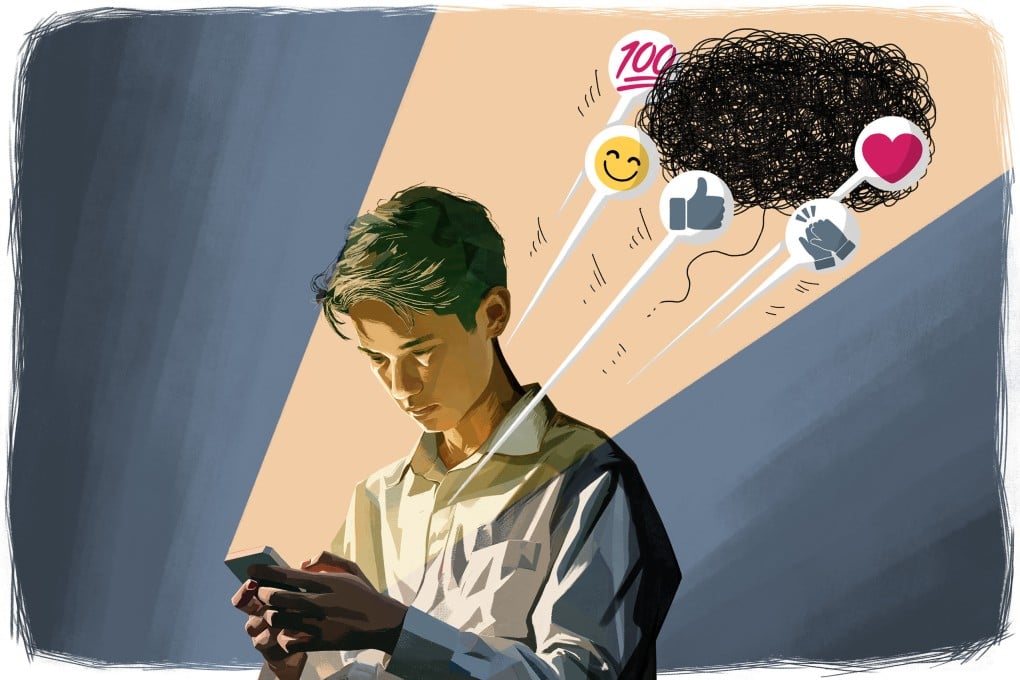
In Hong Kong, the Jockey Club Centre for Suicide Research and Prevention (CSRP) at the University of Hong Kong estimates last year’s suicide rate at 13.0 per 100,000 in the population – a slight improvement from 13.8 in 2024. But let me be clear: this is no cause for complacency. The rate among our young people, particularly boys , remains stubbornly high , and that is where my deepest concern lies. We can no longer afford to ignore the role of social media in the mental health crisis facing our teenagers. Social media has become the landscape of modern adolescence. In the United States, reports indicate that up to 95 per cent of adolescents use social media, with over one-third reporting near-constant use. For young people, these digital spaces are not merely entertainment – they are where identities are formed, relationships are navigated and self-worth is measured.
Their impact on mental health deserves attention. For decades, my team at the CSRP has tracked the data, studied the patterns and advocated for evidence-based solutions. The evidence is overwhelming. Excessive use of social media is correlated with poor mental health and deteriorating family relationships. The causes of youth suicide are complex – home and school problems are major, intertwined contributors – but the digital environment has become a significant amplifier of distress.
We have long known that irresponsible media reporting can trigger the Werther effect – where sensational coverage of suicide leads to imitative behaviour. Social media has made this problem exponentially more complicated. A single post, whether a careless comment or misguided “awareness” message, can reach thousands of vulnerable young people instantly. Specificity in describing methods or locations – even when framed as a warning – drives contagion risk. Yet the responsibility does not rest solely with individuals. The platforms design their algorithms to maximise engagement, often at the expense of well-being. The recent US$18 billion settlement by Meta Platforms – agreeing to examine its algorithm design to improve mental health among young users – should be a wake-up call for the industry. Advertisement Select Voice Select Speed 0.8x 0.9x 1.0x 1.1x 1.2x 1.5x 1.75x 00:00 00:00 1x AI-generated voice