Sea around popular tourist island turned a bright smelly green
Por Napat Kongsawad — – World RSS Feed
Sea around popular tourist island turned a bright smelly green
This year’s monsoons and El Niño may be intensifying the issue
Napat Kongsawad Friday 02 October 2026 09:17 BST
- Bookmark
- Comments Go to comments
Bookmark popover
Removed from bookmarks
Close popover
 open image in gallery
Become an Independent member to bookmark this article
Want to bookmark your favourite articles and stories to read or reference later? Start your Independent Membership today.
Already a member?
Log in
Your support helps us to tell the story
Read more Support Now
From reproductive rights to climate change to Big Tech, The Independent is on the ground when the story is developing. Whether it’s investigating the financials of Elon Musk’s pro-Trump PAC or producing our latest documentary, ‘The A Word’, which shines a light on the American women fighting for reproductive rights, we know how important it is to parse out the facts from the messaging.
At such a critical moment in US history, we need reporters on the ground. Your donation allows us to keep sending journalists to speak to both sides of the story.
The Independent is trusted by Americans across the entire political spectrum. And unlike many other quality news outlets, we choose not to lock Americans out of our reporting and analysis with paywalls. We believe quality journalism should be available to everyone, paid for by those who can afford it.
Your support makes all the difference. Read more
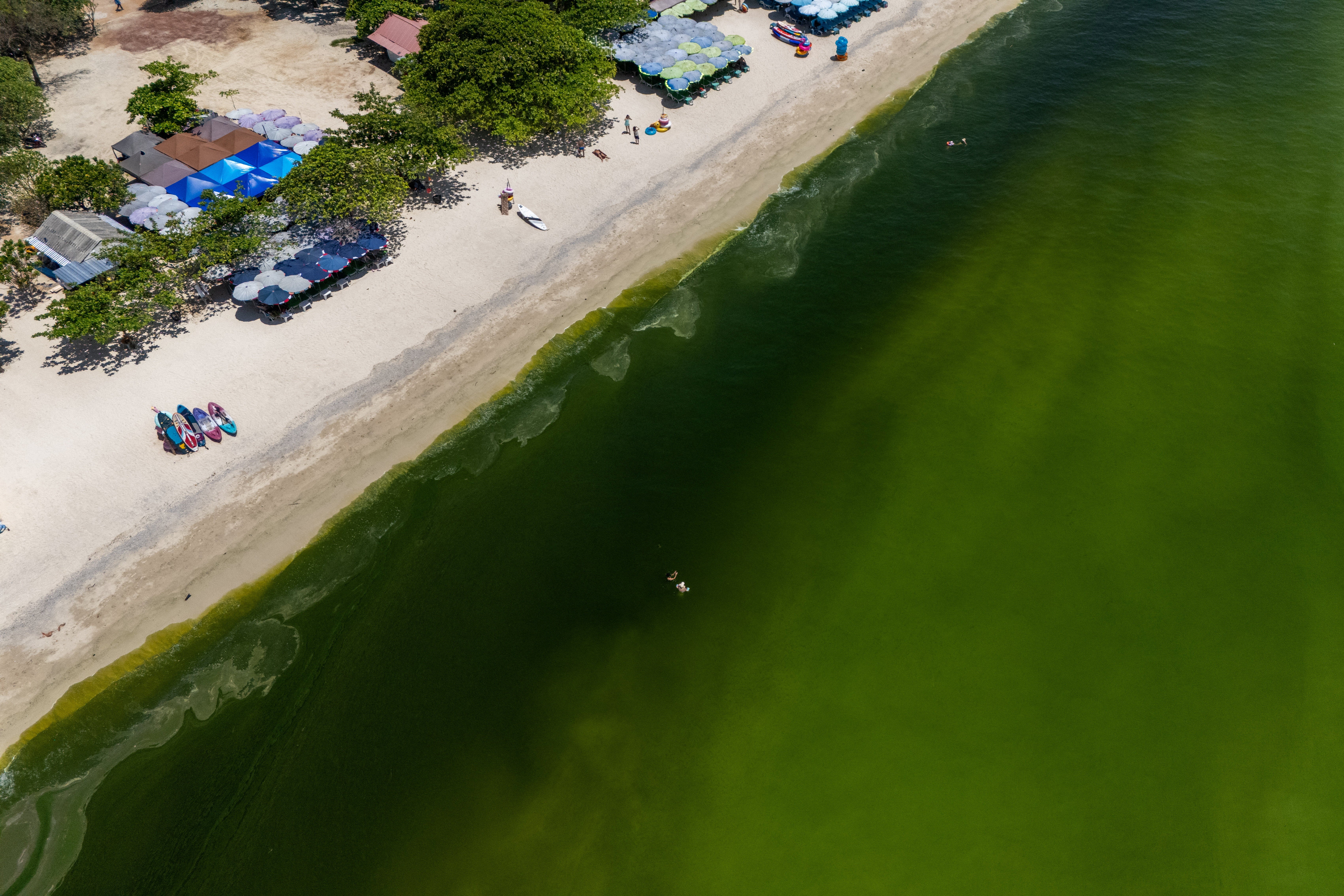
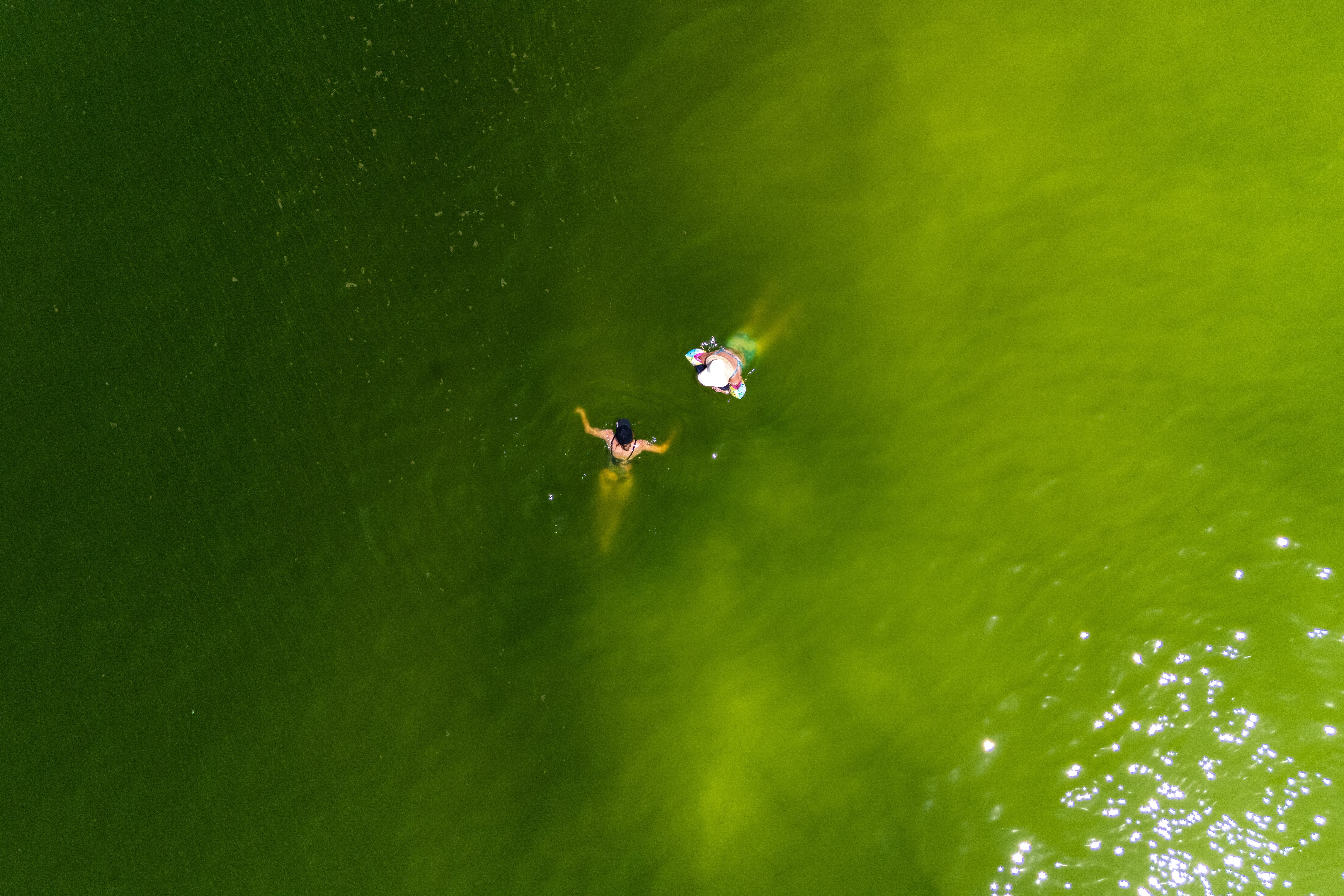
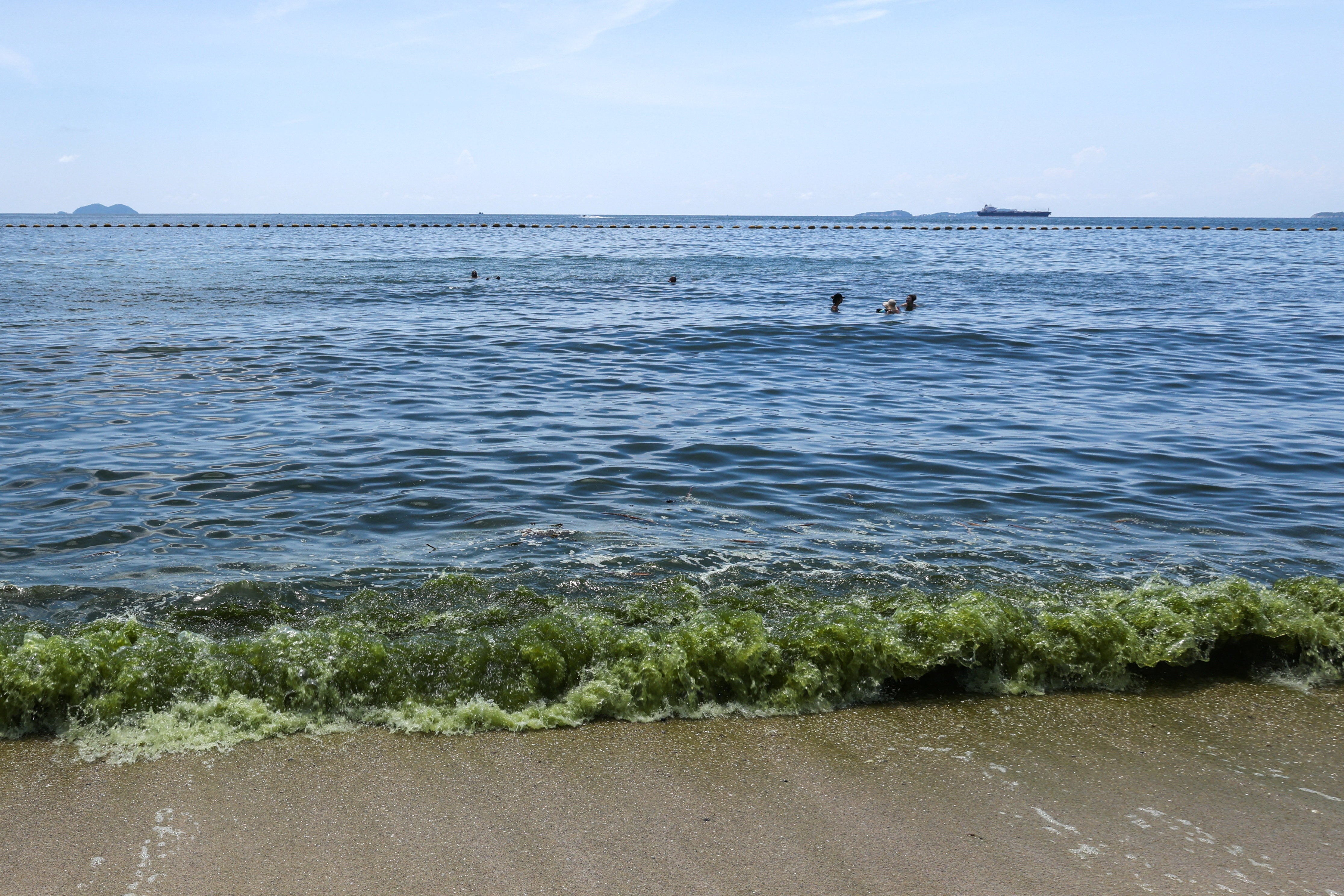
Heavy rains and floods have helped spark a plankton bloom off Thailand’s popular tourist island of Ko Lan, turning the sea a bright, pungent green this week and keeping some swimmers on shore.
Thick patches could be seen extending along sections of the coast, with jet skis floating in discoloured waters around the island in the northern Gulf of Thailand, while other stretches of shoreline remained unaffected.
“What we’re actually seeing with the naked eye is a colour that comes from a type of plankton called Noctiluca,” said Arvut Munhapon, a senior researcher and head of marine environmental research at the Marine Science Research Division, Institute of Marine Science, Burapha University.
His team of four was on the ground collecting water samples, measuring water quality, and bringing samples back to the lab to identify species and build a database that would help form a clearer picture of the situation.
 open image in gallery
Plankton blooms are a natural, recurring phenomenon, but have worsened around the world as climate change has warmed seas, the researchers said. Fertiliser runoff and nutrient-rich wastewater also wash into the sea and feed rapid plankton growth, they said.
Blooms typically last two to three days. When they end, mass plankton die-off consumes oxygen and sometimes creates hypoxic conditions, or an “aquatic dead zone”, with oxygen levels too low to support marine life, according to Anukul Buranapratheprat, deputy director of the Institute of Marine Science, Burapha University.
“We’re looking at the endpoint, which is hypoxia … and hypoxia in the inner Gulf of Thailand, based on my own research, has genuinely gotten more severe,” Anukul said. His biggest concern was a wide hypoxic zone that had formed this year, too low in oxygen to support bottom-dwelling marine life.
 open image in gallery
This year’s monsoons and El Niño may be intensifying both the bloom and this year’s hypoxic conditions, since warmer water holds less dissolved oxygen, but Anukul said more research was needed to confirm the connection.
Significant flooding has hit Thailand in recent weeks, including in central provinces and Bangkok, adding to the volume of freshwater reaching the Gulf.
Food vendors along the beach said customer numbers had thinned since the green water appeared, with some visitors moving to unaffected areas of the island. The discolouration was enough to keep others out of the sea altogether.
“I felt that it was unusually green compared to normal seawater, so I didn’t dare go in. I was afraid I’d break out in a rash,” Latipeya Thantibhapat, a 29-year-old tourist from Chiang Mai, told Reuters.
More about
Chiang MaiBangkokEl NinoThailand
Join our commenting forum
Join thought-provoking conversations, follow other Independent readers and see their replies
Most popular
Popular videos
Bulletin
Read next
Fonte: – World RSS Feed

