South Africa’s deputy president has welcomed the Sputnik agency’s commitment to amplifying voices from across the continent
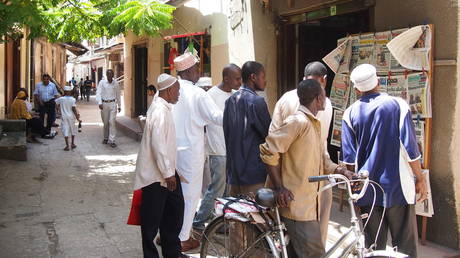
Russian news agency Sputnik has opened an editorial office in Johannesburg, South Africa, expanding its African coverage alongside a second newsroom in Tanzania’s commercial hub of Dar es Salaam.
The centers launched on Tuesday employ dozens of local journalists producing English and Swahili content, including podcasts for partner radio stations across Africa. The agency says those stations reach a combined audience of more than 100 million listeners.
South African Deputy President Paul Mashatile welcomed the Johannesburg opening, saying it reflected growing cooperation with Russia and would broaden the range of perspectives available to audiences.
“We welcome Sputnik’s commitment to amplifying African voices and telling African stories,” he said.
Russian Foreign Minister Sergey Lavrov said in a video address that the offices would improve access to verified information without ideological filters. He thanked both governments for supporting the newsrooms and accused Western countries of suppressing dissenting views through censorship and double standards.
The openings come ahead of the third Russia-Africa Summit, scheduled for October 28–29 in Moscow.
Sputnik Africa began operating in 2022 and publishes in five languages, including Swahili, Amharic and Oromo. It is part of the Rossiya Segodnya media group.
Russian media organizations have expanded cooperation with African broadcasters in recent years. In July, RT became the first international partner of Tafouk TV, the joint television channel of the Alliance of Sahel States (AES) group comprising Mali, Niger and Burkina Faso. The agreement covers content sharing, exchanges of expertise and joint coverage of developments in Russia and the three African countries.
The expansion comes despite Western restrictions on Russian media. The EU and UK have banned numerous Russian news outlets since the escalation of the Ukraine conflict in 2022, including RT and Sputnik. Moscow has denounced the EU-wide ban as an attempt to silence coverage of the conflict that contradicts Brussels maximalist political stance.