Potentially destructive giant scale insects found at Detroit airport
Por Owen Scott — – World RSS Feed
Potentially destructive giant scale insects found at Detroit airport
‘Pests like this can threaten America’s resources and wreak havoc among our most important economic sectors,’ one official said
Owen Scott Monday 21 September 2026 16:23 BST
- Bookmark
- Comments Go to comments
Bookmark popover
Removed from bookmarks
Close popover
Your support helps us to tell the story
Read more Support Now
From reproductive rights to climate change to Big Tech, The Independent is on the ground when the story is developing. Whether it’s investigating the financials of Elon Musk’s pro-Trump PAC or producing our latest documentary, ‘The A Word’, which shines a light on the American women fighting for reproductive rights, we know how important it is to parse out the facts from the messaging.
At such a critical moment in US history, we need reporters on the ground. Your donation allows us to keep sending journalists to speak to both sides of the story.
The Independent is trusted by Americans across the entire political spectrum. And unlike many other quality news outlets, we choose not to lock Americans out of our reporting and analysis with paywalls. We believe quality journalism should be available to everyone, paid for by those who can afford it.
Your support makes all the difference. Read more
Giant scale insects never seen before at a U.S. port of entry were discovered by officials at a Detroit airport.
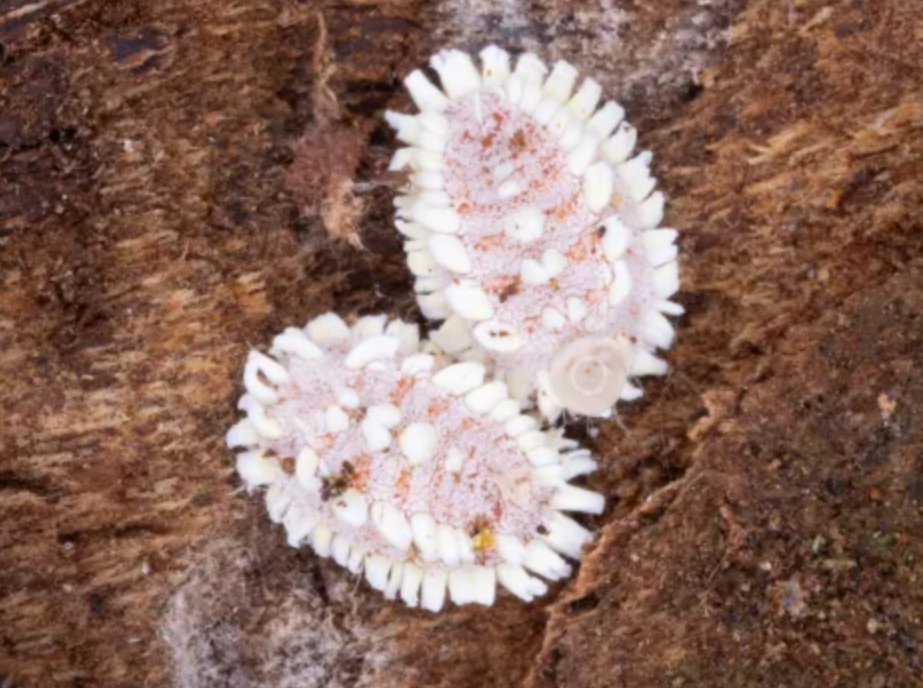
The 5 millimetre bugs, which are part of the Aspidoproctus species, have the potential to cause environmental damage. They were found by U.S. Customs and Border Protection agriculture specialists during a routine bag inspection at Detroit Metropolitan Airport earlier this year, the CBP says.
The insects, which are covered by distinctive waxy protrusions, were seen feeding on fresh pine bark being transported from Cameroon to Illinois.
The traveler, an unnamed citizen of Cameroon, had transported the bark for medicinal purposes, according to the CBP. They were released without incident and advised on U.S. regulations.
 open image in gallery
“This first in-nation interception is significant because pests like this can threaten America’s resources and wreak havoc among our most important economic sectors,” Port Director Fadia Pastilong says.
Officials at the CBP and the U.S. Department of Agriculture provisionally identified the insects as giant scales back in February, with the USDA finally confirming that they belonged to the Aspidoproctus species on August 7.
According to the CBP, the African genus of scale bugs are among the largest of the world’s scale bugs and can grow up to 1.5 inches in length. Female scale bugs can reproduce in massive numbers, with each bug being capable of laying more than 5000 eggs.
Nymphs – a term used to describe a growing stage in an insect’s life cycle – are carried on the wind, allowing the bugs to spread even further.
 open image in gallery
Many types of scale bugs feed by sucking sap from plants, causing damage trees, vegetation and shrubs.
“This encounter provided us with an opportunity to educate the traveling public of the dangers exotic plant matter poses to U.S. agriculture interests and showcases the diligence of our agriculture specialists in protecting the homeland,” Marty C. Raybon, director of field operations at the CBP, said on Friday. “There is no such thing as a small threat.”
The development comes just weeks after the CBP confirmed another bug, never before seen at a U.S. Port of Entry, had been identified after being found at Detroit Metropolitan Airport.
 open image in gallery
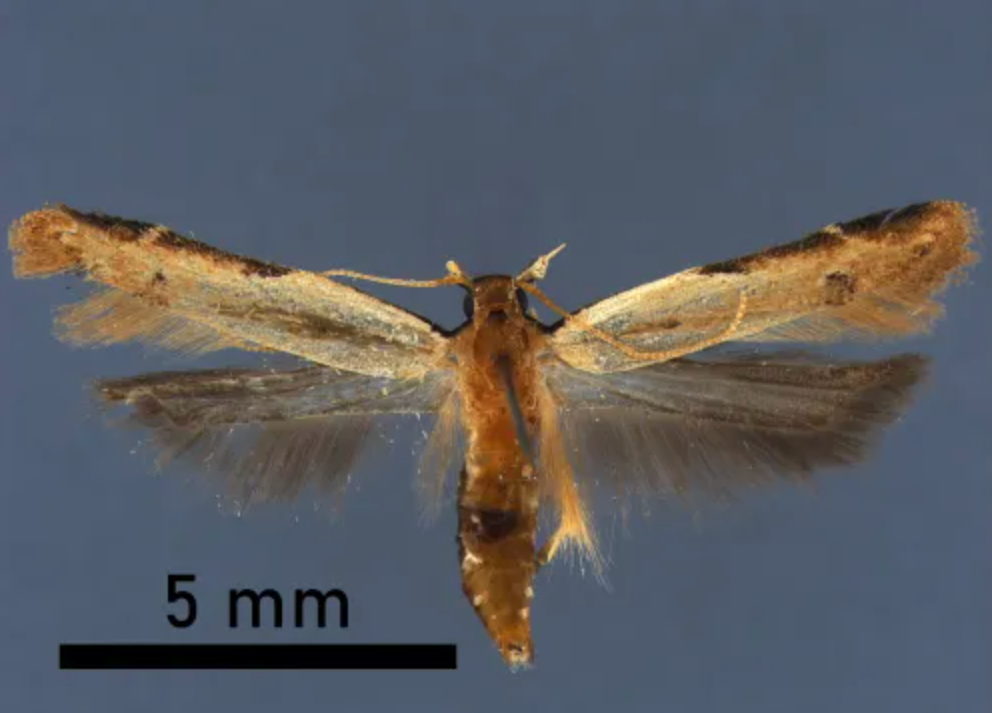
Back in January, officials searched luggage being carried by a passenger from Ghana after being an agriculture detector canine reacted during a routine inspection. During a search of corn and seeds within the luggage, authorities discovered a winged insect.
Like the traveler from Cameroon, the Ghanaian resident was advised on U.S. regulations and released without issue.
On September 1, officials revealed that the species had been identified in August as the straw crest moth – an insect that feeds on plants in the rockrose family.
The CBP says that the insects’ numbers are controlled in their natural habitats, located in Europe and Africa, by predators and plant resistance. However, problems arise when the bugs enter new environments without those natural controls.
More about
Detroit Metropolitan AirportCameroonIllinoisGhanaEuropeAfricaUnited StatesU.S.
Join our commenting forum
Join thought-provoking conversations, follow other Independent readers and see their replies
Most popular
Popular videos
Bulletin
Read next
Fonte: – World RSS Feed