Meet the Democrats breaking through in the country’s most pro-Trump town: ‘Tough nut’
Por Brendan Rascius — – World RSS Feed
analysis Meet the Democrats breaking through in the country’s most pro-Trump town: ‘Tough nut’
Democratic voters in the country’s most MAGA county could all fit together in an Uber — but with Trump’s popularity slipping, organizers aren’t giving up, Brendan Rascius learns
Sunday 18 October 2026 13:12 BST
- Bookmark
- Comments Go to comments
Bookmark popover
Removed from bookmarks
Close popover

Become an Independent member to bookmark this article
Want to bookmark your favourite articles and stories to read or reference later? Start your Independent Membership today.
Already a member?
Log in
P olitical outreach can be an uphill battle. But for Democrats trying to make inroads in Roberts County, Texas, it can feel more like a full-bore sprint into a brick wall.
This rural patch of the Texas Panhandle has long been described as America’s most pro-Trump county with more than 94 percent of its voters backing Donald Trump in each of the past three presidential elections.
By contrast, the county’s Kamala Harris voters could all fit comfortably on a school bus. This year’s Democratic primary voters could share an Uber.
“We just haven’t been able to get any traction there,” Sean Birkenfeld, president of Panhandle Democrats, a regional political action committee, told The Independent.
In interviews, Democrats described the Sisyphean task of gaining a foothold in Roberts County where Fox News plays in local businesses, Trump signs dot lawns and the party of Franklin Roosevelt has spent decades in hibernation. Some suspect there are actually more Democrats than election returns suggest but that they remain “closeted,” reluctant to advertise their politics for fear of backlash.
.jpeg) open image in gallery
open image in galleryHow Roberts County became Trump country
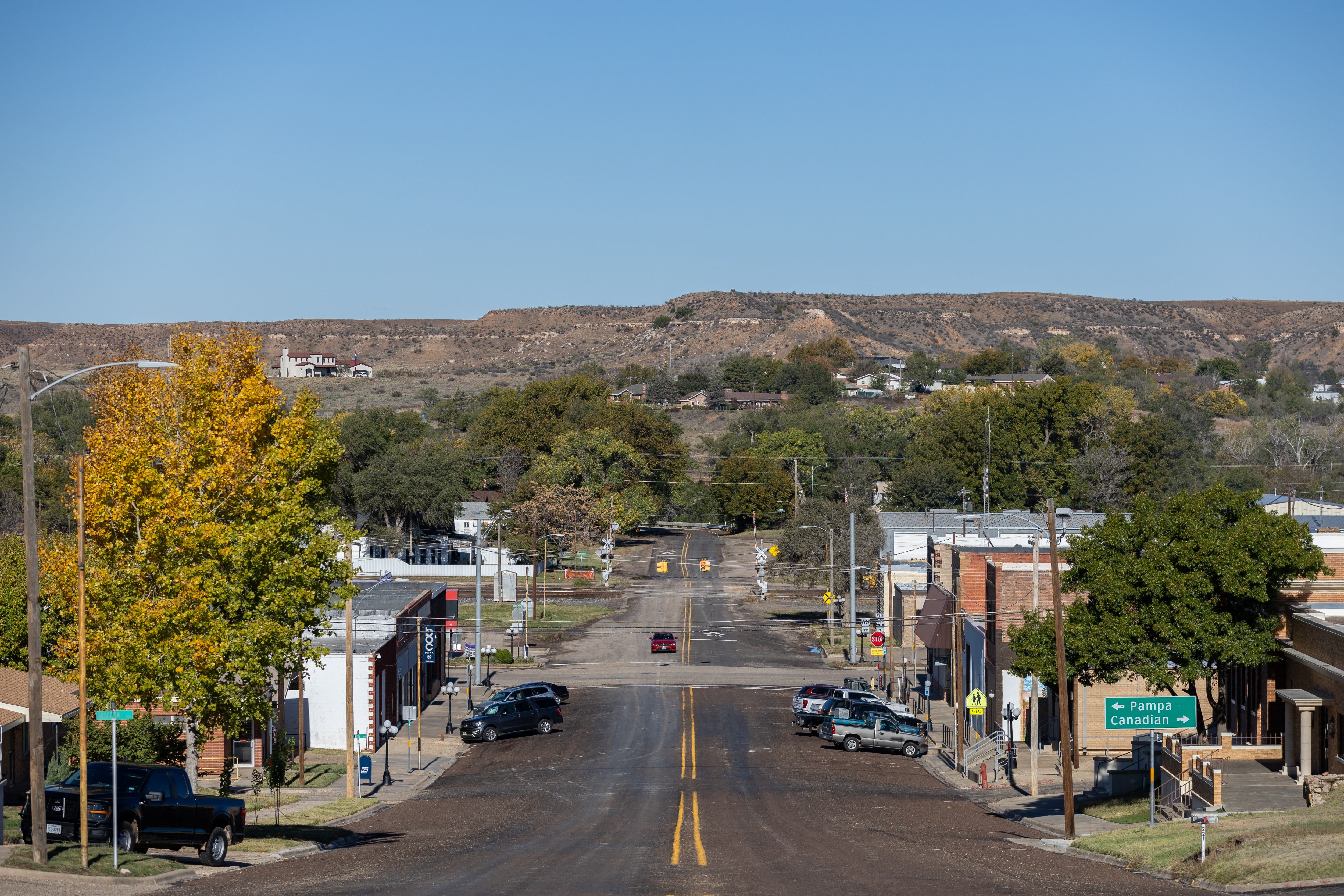
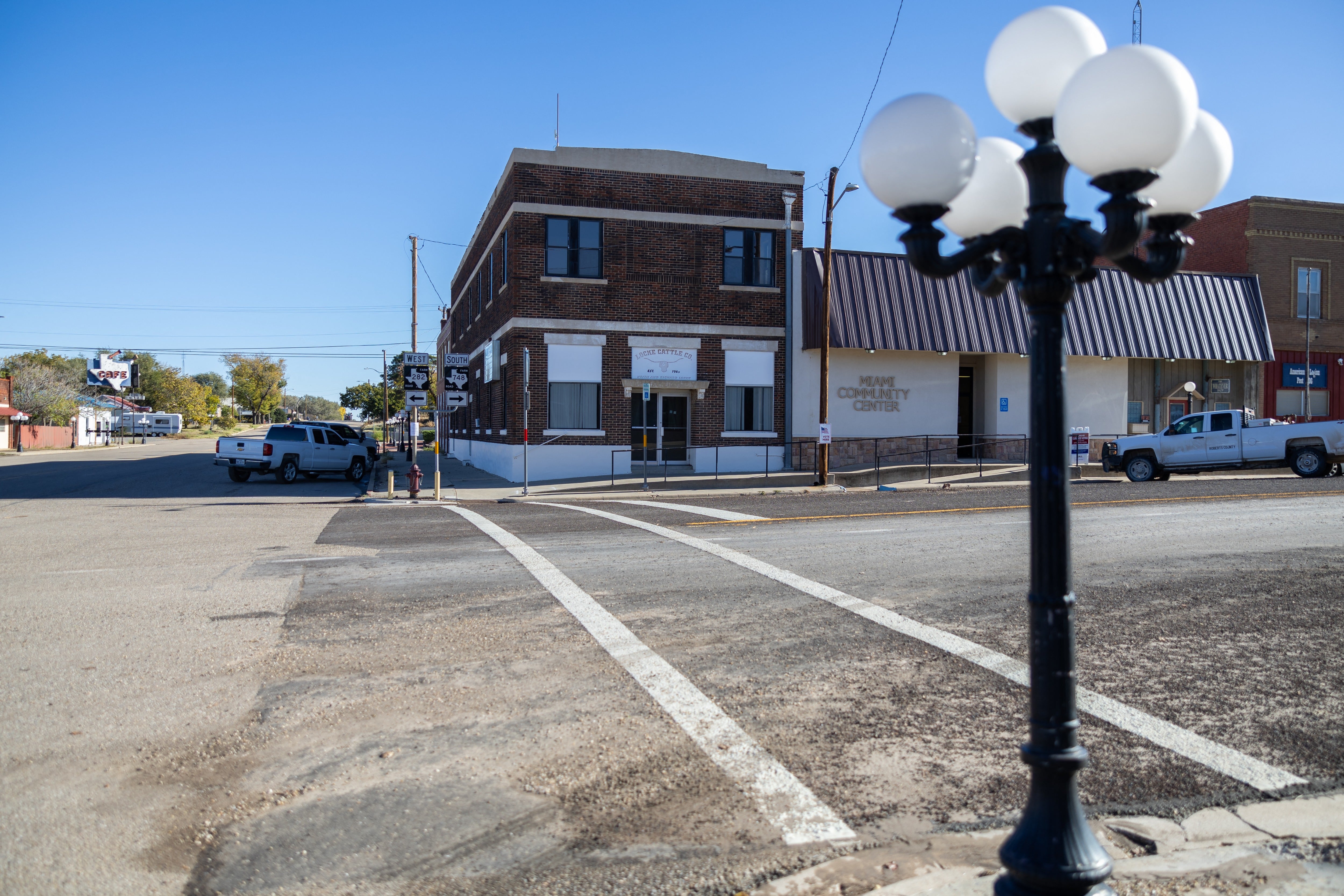
Roberts County, located about 80 miles northwest of Amarillo, is home to roughly 870 people. Its economy revolves around agribusiness and oil, and it is one of just three Texas counties that still prohibits alcohol sales. Its only city is Miami, pronounced “My-am-uh.”
The county earned its reputation as Trump’s most loyal in 2016, when he won 94.58 percent of its votes — the highest Republican vote share of any county in that election. Its support has remained remarkably consistent: Trump took 96.18 percent of the vote in 2020 and 95.63 percent in 2024.
For some residents, Trump represented a promise that people like them would not be overlooked. “I feel like Trump has my back, I hope he doesn’t prove me wrong,” local resident John Faith told a news outlet in 2016.
Another resident, Steve Porter, emphasized strength, immigration and jobs in an interview with ABC News in 2018. “I realized that we needed a president who believed America was great. Greater than all other countries,” he said.
 open image in gallery
Trying to gain a foothold
Democrats hoping to establish a presence in the county have had their work cut out for them. This year’s Democratic primary drew just three voters, while the GOP’s drew 306.
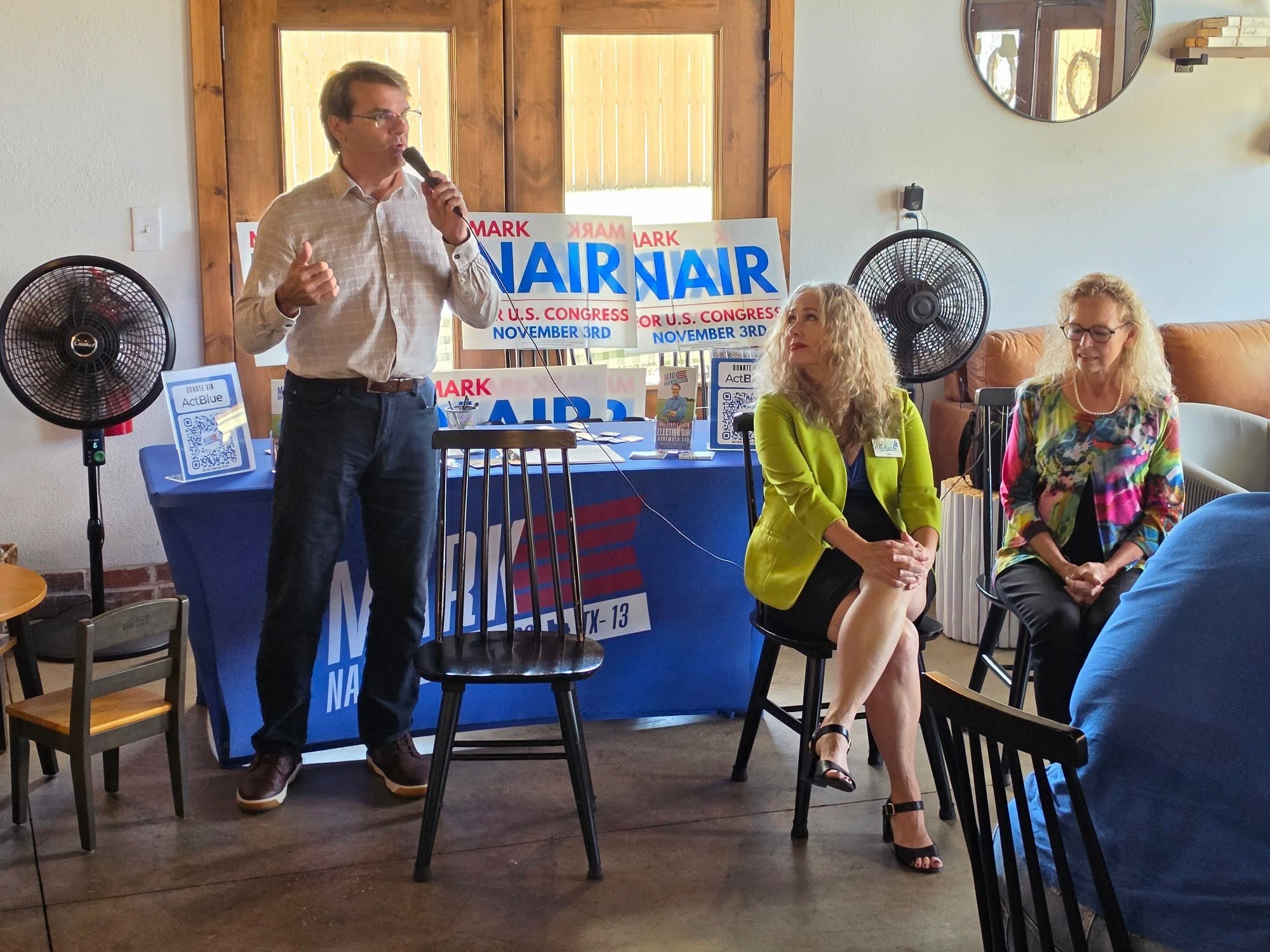
Mark Nair, the Democratic nominee for Texas’ 13th congressional district, which encompasses the county, said he has visited Roberts County several times. Drawing a crowd has proved difficult.
“Seriously, it’s like two people that would come,” he told The Independent.
Birkenfeld’s attempt to organize an event in Roberts County, meanwhile, never reached the point of counting attendees. He contacted people about setting something up, he said, but the plans fell through. “I haven’t actually been able to get any engagement,” the political organizer said.
There is currently no Democratic county chair to help make the introductions or rally potential volunteers. The position is vacant, Birkenfeld said, leaving the party without local leadership.
For Nair, the difficulty is not a lack of warmth from the people he meets.
“They’re very, very nice people who believe in their community and their family. They really do,” Nair said. “But when it turns to politics, it’s almost like you’re trying to crack this tough nut.”
He added: “And I can make arguments all day long, but it’s difficult because they’re kind of stuck into this way of thinking that Trump might do something great for them. It’s confusing to me because I don’t see the evidence of that.”
 open image in gallery
For now, some of the work of building a Democratic presence is considerably less ambitious than changing anyone’s mind.
The Roberts County Texas Democrats Facebook group is administered by Bonny Krahn, who lives hundreds of miles away in rural Hays County. She created county-specific groups across Texas to provide a starting point where Democratic organizations were absent or struggling, with the intention of handing them over as local chairs emerged.
Posts in the group cover the essentials. “This is your next election. Date, time, and place. This is who’s on your ballot,” she said, describing the information she shares.
The Roberts County group currently has 19 members.
The cost of standing apart
Organizers suspect the election returns do not tell the whole story of Democratic life in the rural Panhandle. Some supporters, Birkenfeld says, would rather keep their politics to themselves.
“There’s not really a better terminology, but they’re in the closet,” he said.
A tale, from a few years back, illustrates what publicly breaking with the majority in Miami, the county seat, can mean.
In a 2020 interview with The Mirror, museum curator Susan Bowers said she had grown up in a Republican household but changed her allegiance after studying in Amarillo and training in social work. Her opposition to Trump, she said, had cost her.
“I feel like the black sheep of Miami,” she told the newspaper. “It’s a lost cause trying to convince people Trump should not be in power. Passions here runs so deep. The sad thing is I have lost friends over this.”
 open image in gallery
The concern about making one’s politics public is familiar to Birkenfeld, who says people across the wider region have reported stolen or defaced yard signs and hostile reactions to Democratic shirts and bumper stickers.
Birkenfeld, said he has experienced hostility in the region first-hand. At an arts event in Potter County, a stranger spotted his shirt emblazoned with the name of a Democratic candidate and approached him.
“Oh, so you’re one of those libtards,” he recalled them saying.
But political isolation cuts both ways. Trump supporters in liberal bastions such as New York City have also described feeling stigmatized and keeping their views to themselves.
Signs of movement
Despite the difficulty of getting people to turn out Nair believes some residents in Roberts County are questioning what their loyalty to Trump has delivered.
The concerns he hears from people center largely on farming and water rights — the county sits above the largest freshwater aquifer in North America. But he acknowledges the limits of those conversations.
“Now, I know it’s not everyone in the county speaking, because when I show up, like I said, most of the people won’t come to an event,” Nair said. “But the people that do, they really are very upset that they voted several times for Trump, and they’re feeling that… betrayal is a good word.”
Krahn said she’s seen movement in the business of rebuilding local Democratic organizations. She estimated that Texas had about 64 counties without Democratic chairs when she began her work; now, she said, there are about 46.
“So we’re slowly going the right direction,” she said.
 open image in gallery
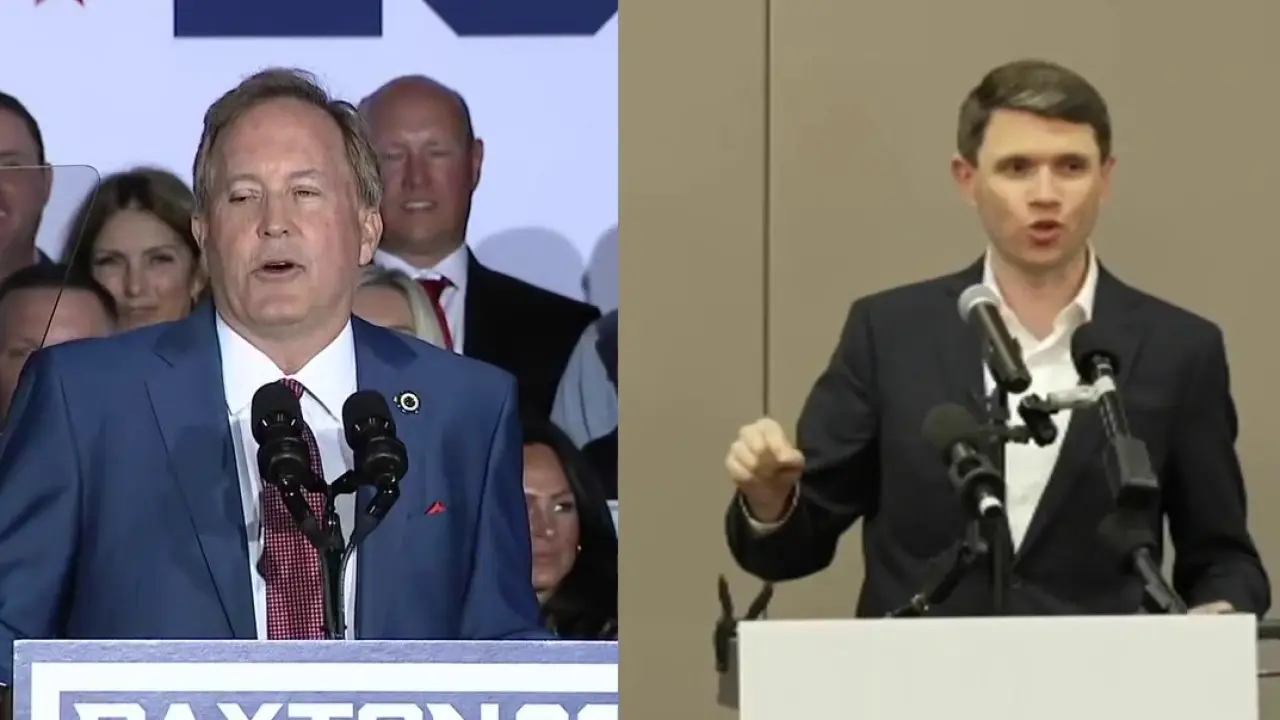
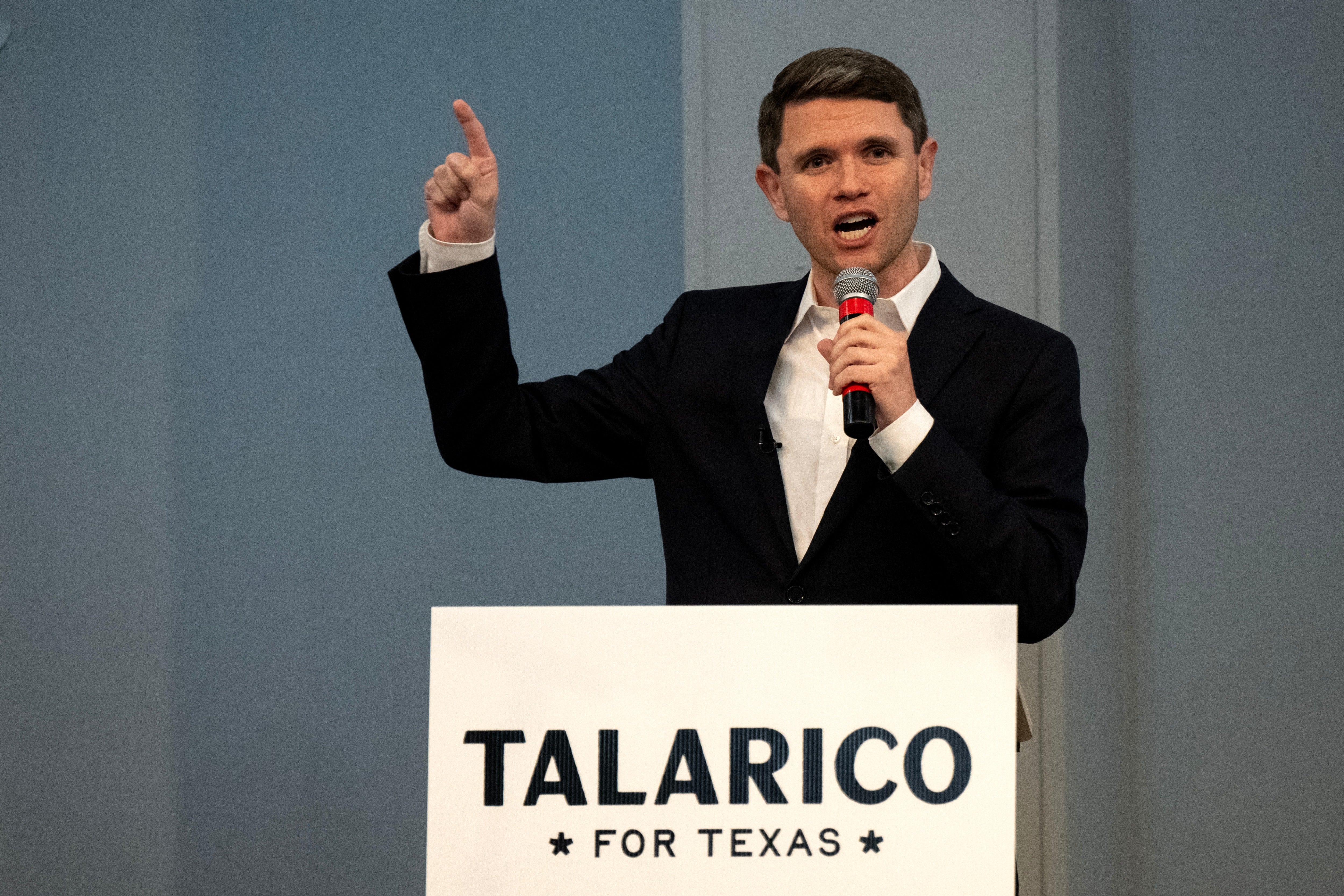
Beyond the Panhandle, Democrats see an opening to loosen the Republican Party’s iron grip on Texas. The most closely-watched opportunity is the U.S. Senate race, where Democratic state Representative James Talarico is challenging Republican Attorney General Ken Paxton for the seat held by outgoing GOP Senator John Cornyn.
Recent polling suggests a competitive contest. A UMass Lowell/YouGov survey, released October 8, put Talarico and Paxton at 45 percent each, with 7 percent of voters undecided. A separate Fox News poll recently gave Talarico a narrow advantage, 51 percent to 49 percent, within its margin of error.
In Roberts County, though, the work described by organizers is less about an election night transformation than building something that can last beyond November: finding a county chair, reaching people reluctant to speak up and getting a few more residents to turn out.
In a place where this year’s Democratic primary drew three voters, even modest gains would mark a start.
More about
TexasDemocratsDonald TrumpUS elections
Join our commenting forum
Join thought-provoking conversations, follow other Independent readers and see their replies
Most popular
Popular videos
Bulletin
Read next
Fonte: – World RSS Feed