Majority of Americans are tired all the time – and Gen Z women most of all, CDC study finds
Por Julia Musto — – World RSS Feed
Majority of Americans are tired all the time – and Gen Z women most of all, CDC study finds
Adults who experience frequent fatigue are more likely to have symptoms of depression and anxiety
Julia Musto in New York Wednesday 16 September 2026 19:35 BST
- Bookmark
- Comments Go to comments
Bookmark popover
Removed from bookmarks
Close popover
Your support helps us to tell the story
Read more Support Now
From reproductive rights to climate change to Big Tech, The Independent is on the ground when the story is developing. Whether it’s investigating the financials of Elon Musk’s pro-Trump PAC or producing our latest documentary, ‘The A Word’, which shines a light on the American women fighting for reproductive rights, we know how important it is to parse out the facts from the messaging.
At such a critical moment in US history, we need reporters on the ground. Your donation allows us to keep sending journalists to speak to both sides of the story.
The Independent is trusted by Americans across the entire political spectrum. And unlike many other quality news outlets, we choose not to lock Americans out of our reporting and analysis with paywalls. We believe quality journalism should be available to everyone, paid for by those who can afford it.
Your support makes all the difference. Read more
Nearly three-quarters of Americans are fatigued and some are feeling it more than others, according to a new analysis of federal data.
More than 16 percent of 27,000 U.S. adults said they felt exhausted or very tired “most days” or “every day.” Gen Z and millennials reported these feelings more than other age groups, the Centers for Disease Control and Prevention said this month.
Overall, women were more likely to report frequent fatigue, with 20 percent saying they lived with the conditions compared to 13 percent of men. The highest levels of fatigue were among women aged 18–34 years.
“Frequent fatigue symptoms may interfere with everyday activities in work and personal life,” said the CDC on the findings from the 2024 survey.
More than a third of adults who experienced frequent fatigue reported limitations in their jobs, the analysis also found.
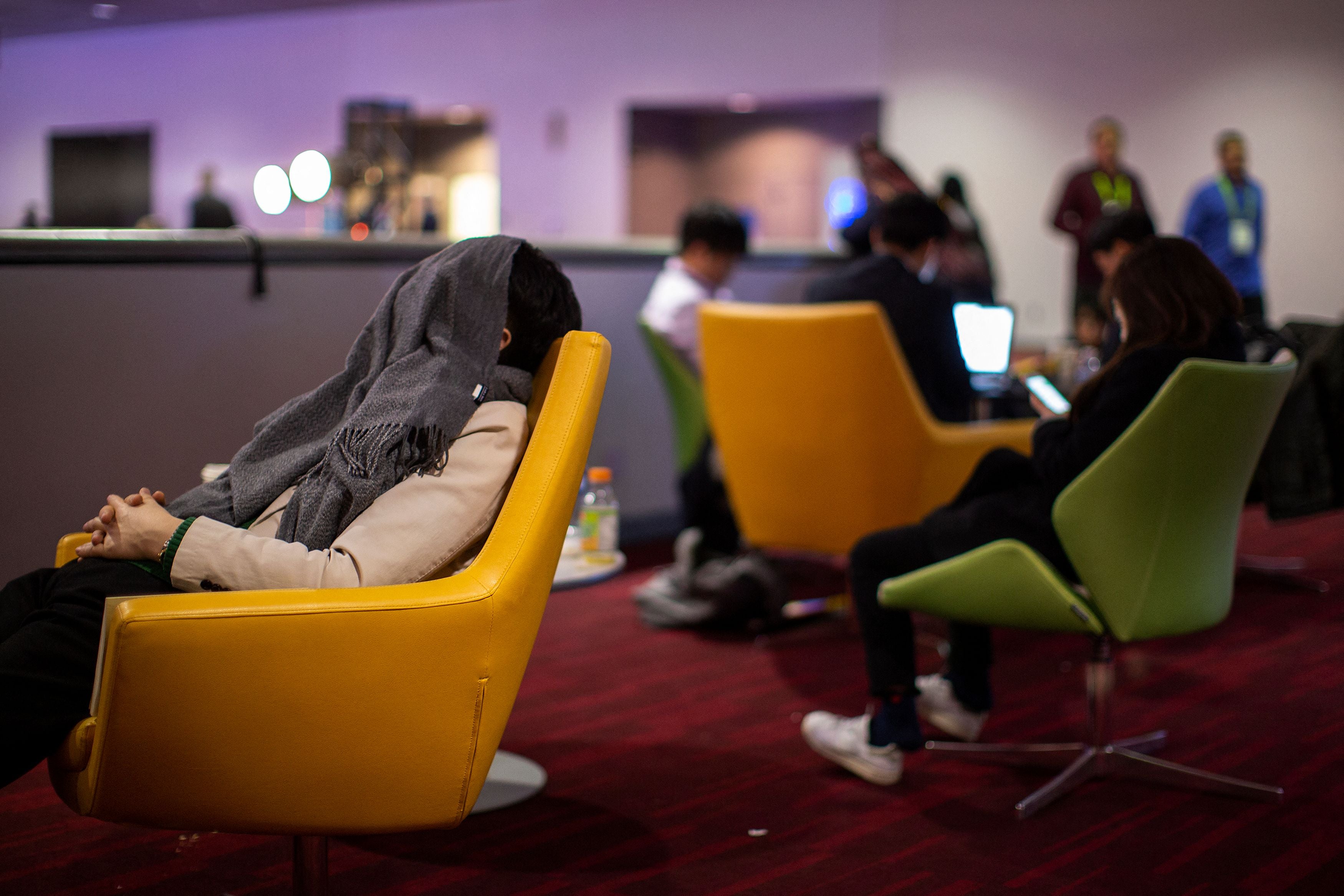
Frequent fatigue was tied to a higher likelihood of depression and anxiety. These mental health conditions affect an estimated 44 million American adults and interfere in professional and personal relationships. Adults with frequent fatigue were more than triple as likely to have symptoms of depression and double as likely to have anxiety symptoms or cognitive difficulties as other adults in the data.
But while symptoms of fatigue can be associated with depression and anxiety, it may not be linked to a specific medical condition.
Multiple factors can trigger fatigue, including poor fitness and diet. Not getting the recommended 7-9 hours of sleep a night for adults, and using drugs and alcohol, also have impacts.
Unfortunately, fatigue isn’t just feeling tired, too. It persists regardless of the additional sleep or rest people get, impacting focus, energy, motivation and attitude, according to the Cleveland Clinic.
But doctors say there are several simple ways for people suffering from frequent fatigue to manage these symptoms.
Getting more sleep by abstaining from drinking caffeinated beverages around six hours before bed, exercising regularly with 150 minutes of aerobic fitness and two strength training sessions and spending time outdoors and on stress-relieving mindful practices like meditation can all help contribute to optimal health.
More about
fatigueGen ZwomenCenters for Disease Control and PreventionDataUnited States
Join our commenting forum
Join thought-provoking conversations, follow other Independent readers and see their replies
Most popular
Popular videos
Bulletin
Read next
Fonte: – World RSS Feed