‘Judgment day’? Why Trump’s death penalty crusade is bringing back firing squads
Por Alex Woodward — – World RSS Feed
in focus ‘Judgment day’? Why Trump’s death penalty crusade is bringing back firing squads
Trump is letting the Pentagon revive a killing method that hasn’t been used in decades while the president tries to speed up executions of federal death row inmates, Alex Woodward writes
 Wednesday 07 October 2026 14:26 BST
- Bookmark
- Comments Go to comments
Bookmark popover
Removed from bookmarks
Close popover
 open image in gallery
Become an Independent member to bookmark this article
Want to bookmark your favourite articles and stories to read or reference later? Start your Independent Membership today.
Already a member?
Log in
W hen Army Private Eddie Slovik faced a firing squad of 12 members from his own unit on Jan. 31, 1945, the riflemen aimed their M1 Garands at his heart from 20 paces away and fired on command.
Four shots were fatal, but he wasn’t immediately killed. Before the riflemen finished reloading, Slovik, 24, was dead.
Witness Nick Gozik later said the first and only U.S. military execution for desertion since 1864 was “traumatic” and “very unnerving.”
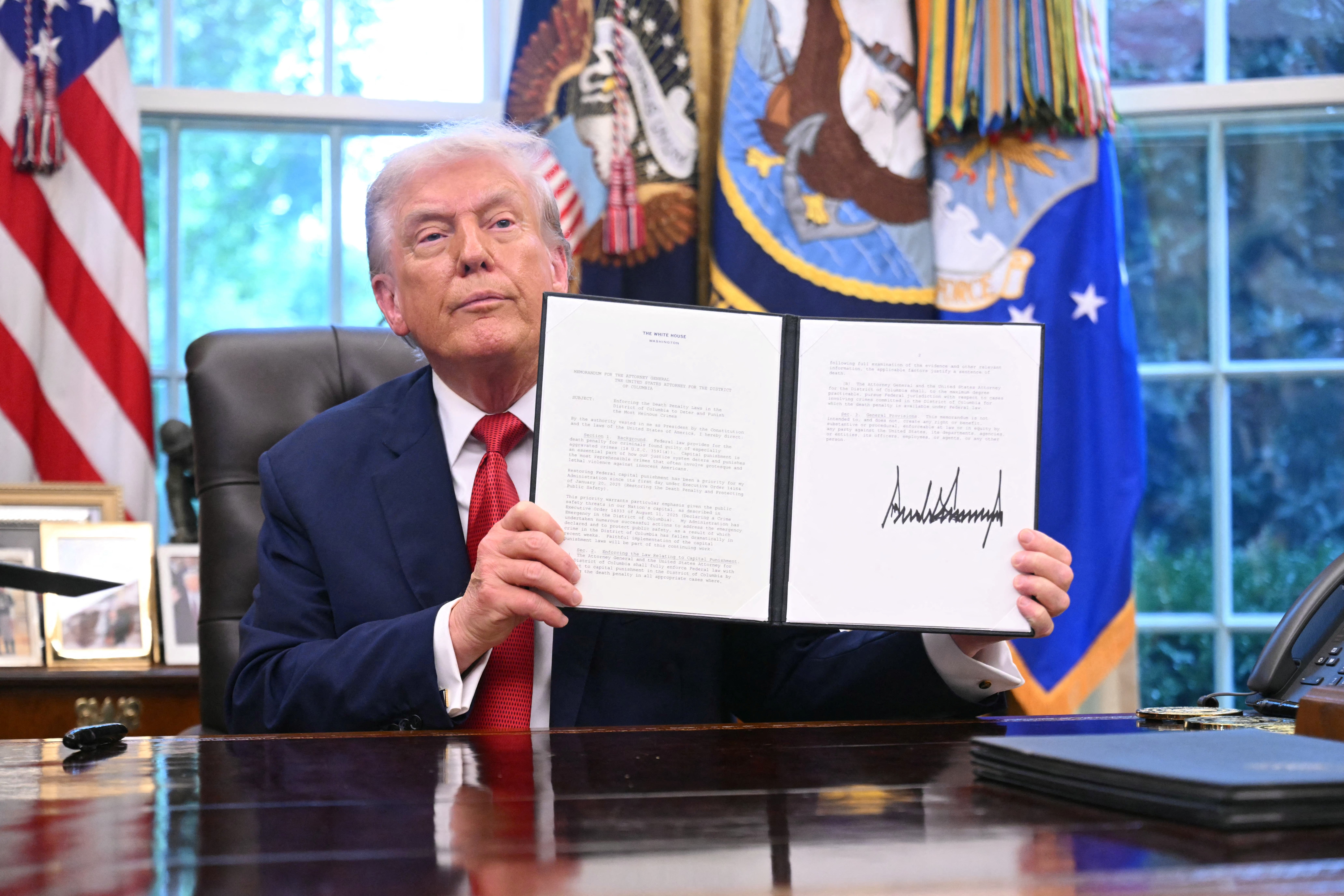
Donald Trump’s approval of the execution of Nidal Hasan will mark the military’s first execution by firing squad since Slovik’s killing in 1945, part of a renewed push by the president to restart federal executions — and turn to methods such as firing squads as well as nitrogen gas and electrocution to carry out sentences quicker.
“Judgment day for Hasan has finally come,” Trump wrote on X.
 open image in gallery
“There is nothing Donald Trump loves more than the power to kill,” Death Penalty Action, a nonprofit group advocating for abolishing the death penalty, responded in a statement.
Public opinion polls have suggested that support for the death penalty has plummeted in recent decades, but Trump has pursued federal executions with unprecedented frequency.
During his first term, the federal government executed 13 people, the most under any president in more than 120 years, and a streak that resumed after a 17-year hiatus.
Before he left office, Joe Biden commuted the sentences of 37 people awaiting executions on federal death row, leaving death sentences in place for only three men. Attorney General Todd Blanche said the previous administration “failed in its duty to protect the American people” and took “extraordinary steps to weaken, delay, and dismantle the death penalty.”
Hours after returning to the White House last year, Trump signed an executive order directing the attorney general to seek the death penalty in future cases “for all crimes of a severity demanding its use.”
Earlier this year, the Justice Department unveiled a plan to “strengthen the death penalty” by directing the Bureau of Prisons to use pentobarbital for lethal injections and consider other execution methods — including firing squads and even electrocution — to expedite death sentences.
 open image in gallery
 open image in gallery
Trump also instructed the attorney general to “take all necessary and lawful action” to help states obtain lethal injection drugs to carry out more executions.
Bloody, public spectacles of deaths by firing squad began to disappear over the last century ago as states and the federal government moved towards what they considered more “humane” ways of killing people being closed doors through the expanded use of lethal gas, electrocution and drugs.
But, under pressure from anti-death penalty activists, pharmaceutical companies have refused to sell those drugs to states, diminishing their supplies and forcing them to turn to other killing methods to carry out executions for death row inmates.
Those methods have also included untested drug “cocktails” that have led to a wave of horrific botched executions. Some states have relied on compounding pharmacies, which make customized, non-FDA-approved versions of prescription drugs that are not subject to the same safety and efficacy reviews.
 open image in gallery
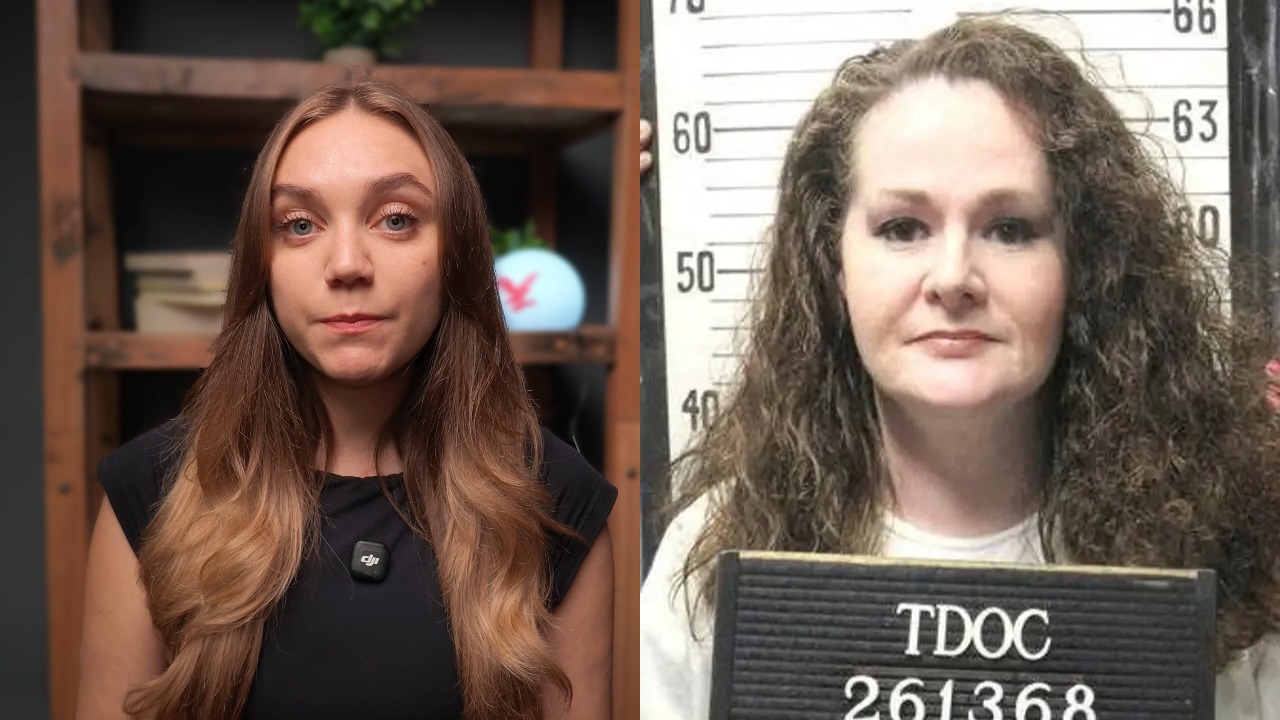
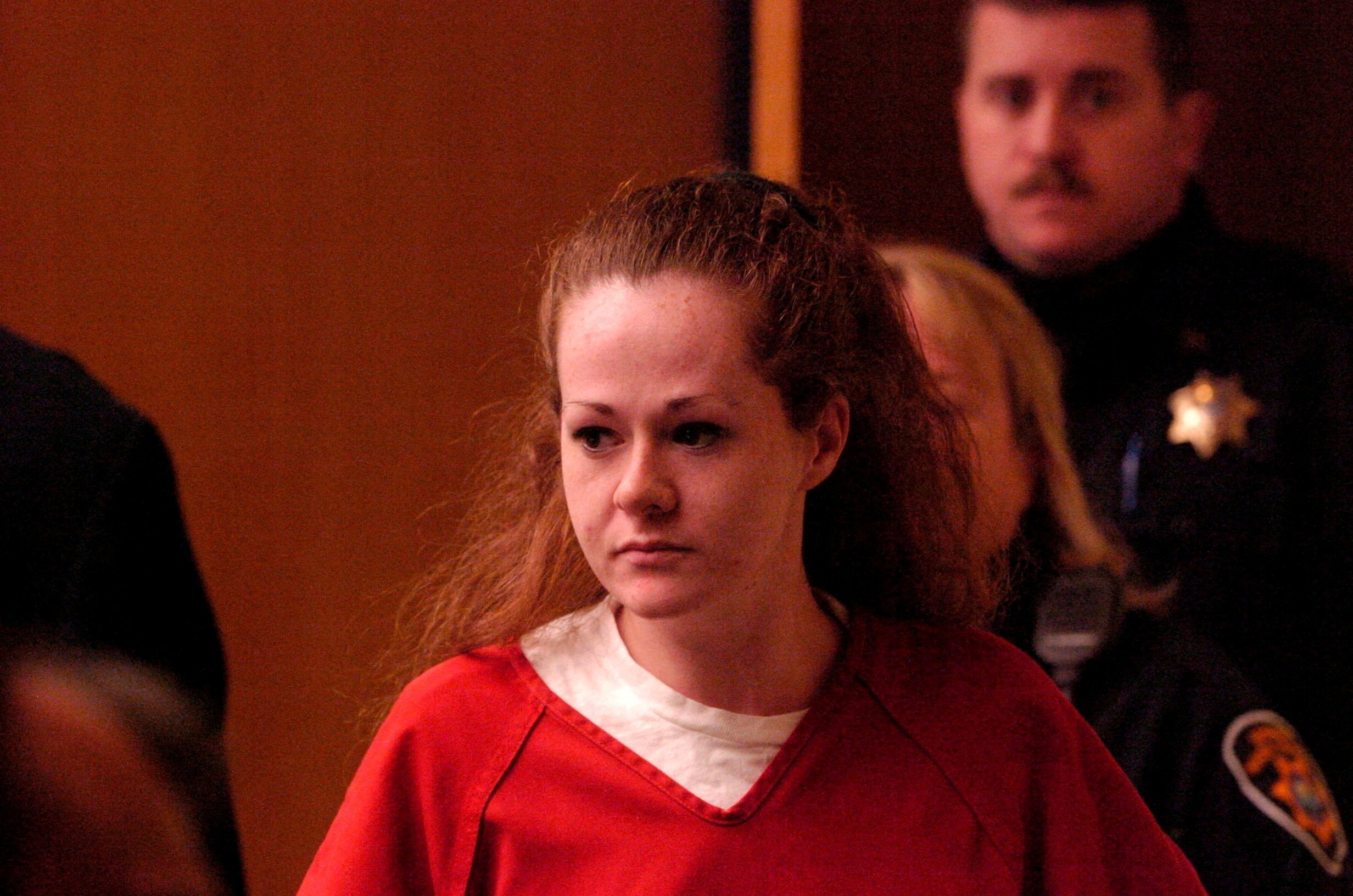
The Trump administration’s latest announcement followed the attempted execution of Christa Pike, who was scheduled to be executed by lethal injection with a single barbiturate — Tennessee’s first attempt to execute a woman in more than 200 years. But the execution failed. She survived two injections and was hospitalized and on a ventilator.
On Tuesday, her attorneys said she is now “conscious, speaking, and continues to receive critical medical care.”
Pike’s lawyers had previously asked state officials to consider an alternative to lethal injection, such as death by hanging or firing squad, after the state botched a different execution earlier this year.
Two dozen states do not carry out capital punishment, according to the Death Penalty Information Center. Deterrence is “one of the most commonly expressed reasons” for using the death penalty — but despite Trump’s claims, evidence shows that “states that impose the death penalty are not safer than states that do not use the death penalty,” according to the center.
At least five states allow firing squads as a method of execution. Last year, South Carolina carried out three killings by firing squad — the first in the state in 15 years.
In April 2025, a three-person firing squad in South Carolina shot Mikal Mahdi, who cried out as the bullets struck him. He groaned twice before taking one final breath.
An autopsy report later revealed two wounds on his chest, and none of the bullets directly hit his heart, which is where the gunmen are supposed to aim. Mahdi, 42, endured “excruciating conscious pain and suffering” for up to one minute and suffered a prolonged death, according to his attorneys.
 open image in gallery
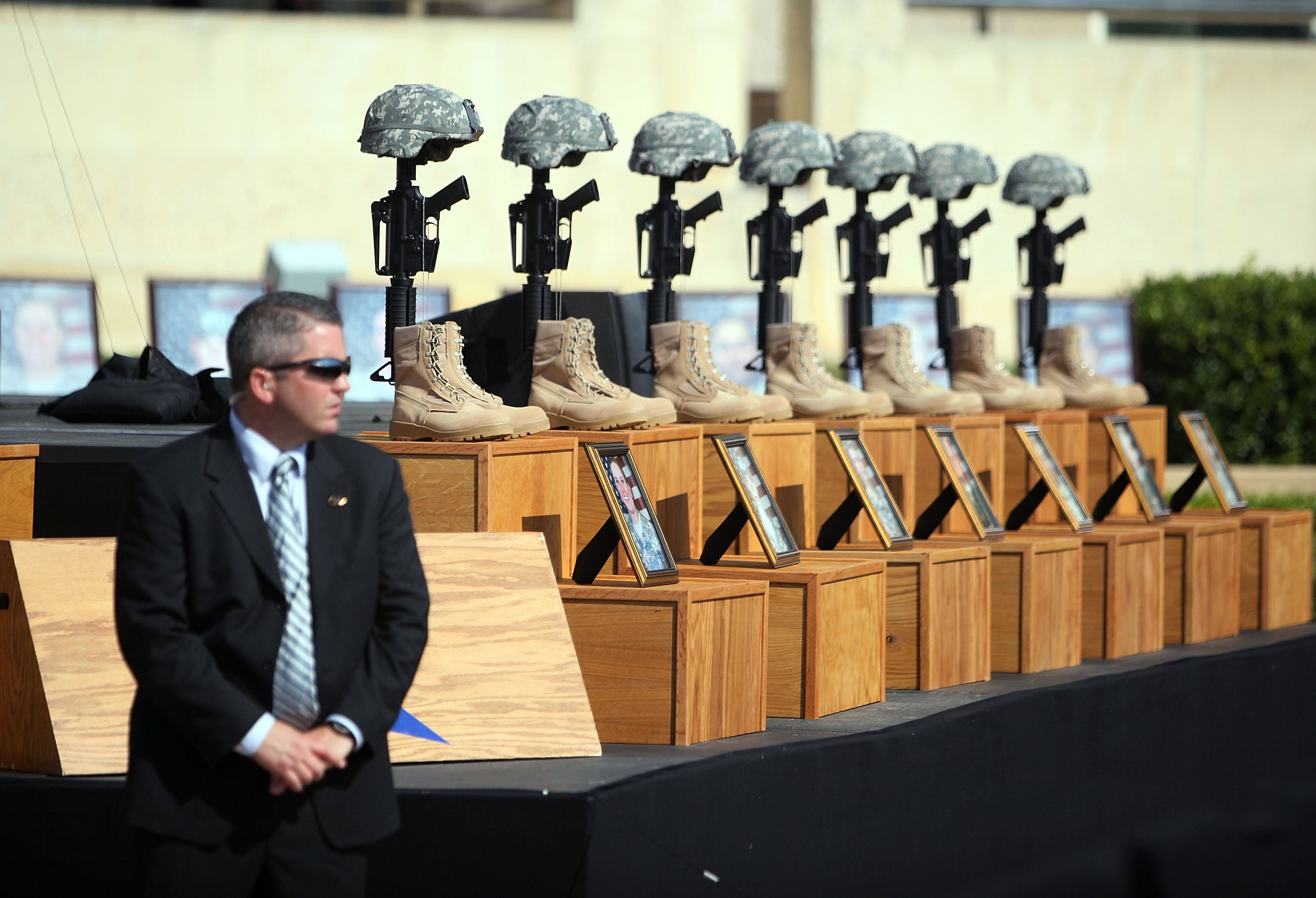
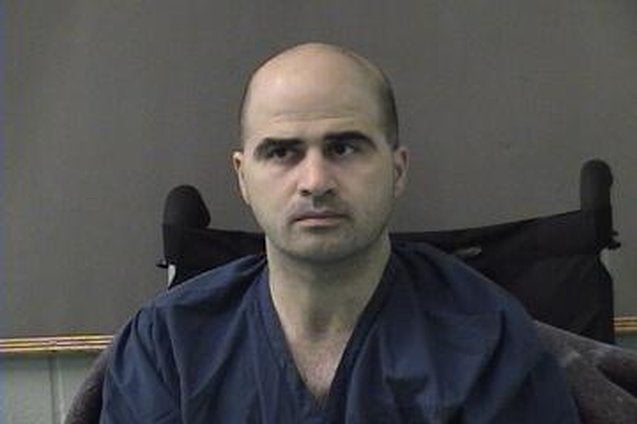
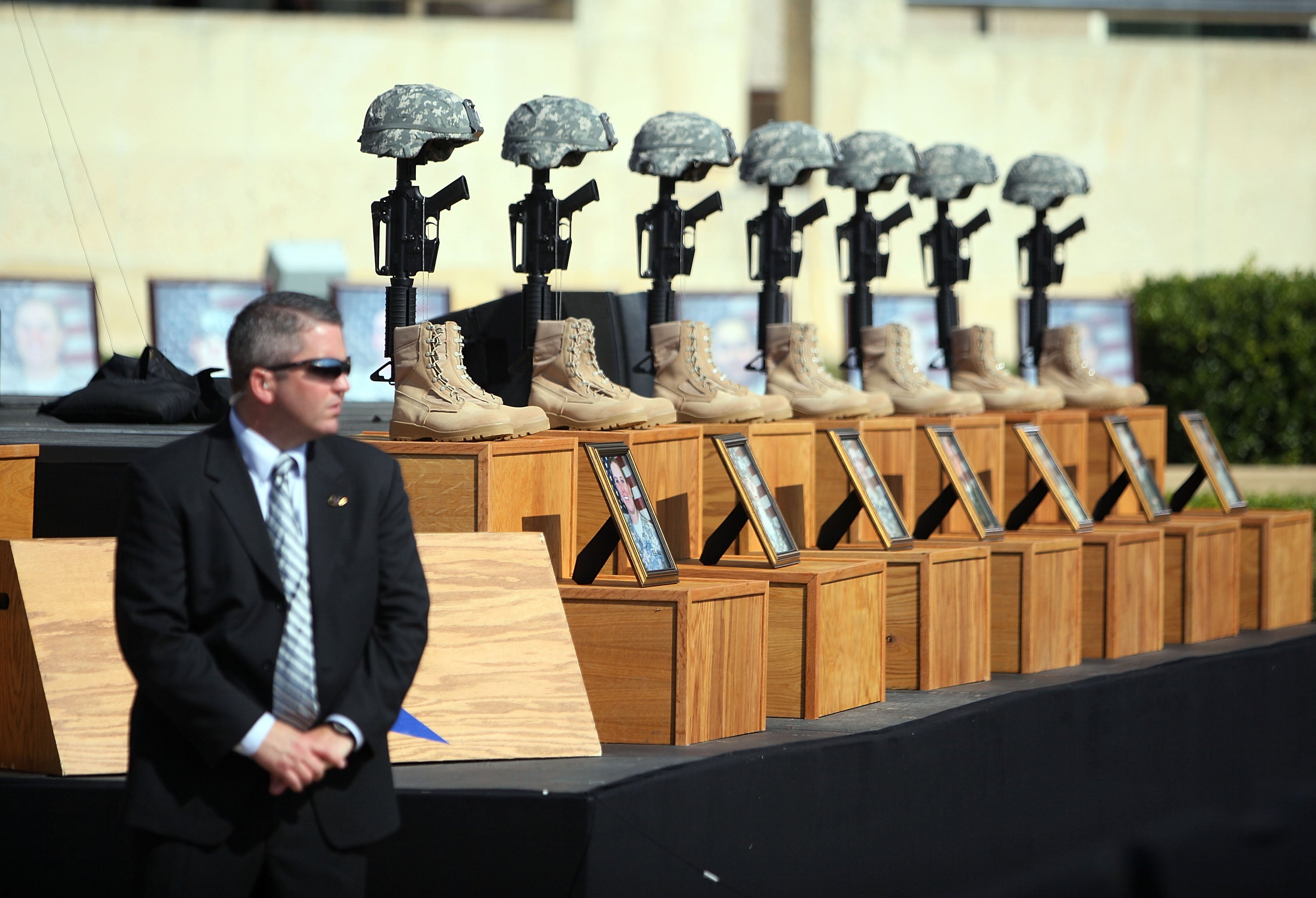
Hasan killed 13 people and injured 32 others when he opened fire at Fort Hood’s Soldier Readiness Processing Center in 2009. He reportedly shouted out “Allahu akbar” — meaning “God is great” — before firing his handgun.
Acting as his own attorney, Hasan was convicted by a military jury on 45 counts of murder and sentenced to death in 2013. Hasan, who was scheduled to be deployed to Afghanistan at the end of 2009, admitted responsibility for the shooting and said he believed was on the wrong side of a war against Islam.
He was left partially paralyzed after he was shot by police during his arrest.
Under the Uniform Code of Military Justice, a death sentence imposed by court-martial may not be carried out “until approved by the president.”
Trump gave that approval on Monday, according to chief Pentagon spokesperson Sean Parnell.
Defense Secretary Pete Hegseth shared Trump’s ‘judgment day’ post, adding: “Justice.”
Still, Trump’s announcement “does not mean his execution is imminent,” Robin M. Maher, executive director of the Death Penalty Information Center, told The Independent.
“Mr. Hasan may still pursue his habeas appeals and that would delay any execution date,” she said. “The Secretary of the Army will ultimately set the date, place and manner of execution.”
More about
Donald TrumpDeath Penalty Information CenterTodd BlanchePete Hegsethfort hoodSouth CarolinaDepartment Of Justice
Join our commenting forum
Join thought-provoking conversations, follow other Independent readers and see their replies
Most popular
Popular videos
Bulletin
Read next
Fonte: – World RSS Feed