ICE says it will not turn on body cameras automatically when weapons drawn despite watchdog’s recommendation
Por Brendan Rascius — – World RSS Feed
ICE says it will not turn on body cameras automatically when weapons drawn despite watchdog’s recommendation
Some ICE agents described camera use as ‘up to interpretation’
Brendan Rascius in New York Wednesday 14 October 2026 20:52 BST
- Bookmark
- Comments Go to comments
Bookmark popover
Removed from bookmarks
Close popover

Become an Independent member to bookmark this article
Want to bookmark your favourite articles and stories to read or reference later? Start your Independent Membership today.
Already a member?
Log in
Immigration and Customs Enforcement has rejected a government watchdog’s recommendation that agents’ body cameras be automatically activated when weapons are drawn.
The Department of Homeland Security, ICE’s parent agency, told the Government Accountability Office that it would not adopt the guidance, according to a report published Wednesday.
In that report, GAO — an independent congressional watchdog — found that ICE and Customs and Border Protection had not updated their body camera policies in several years. As a result, the agencies had failed to account for recent developments, including a growing number of cameras now in use.
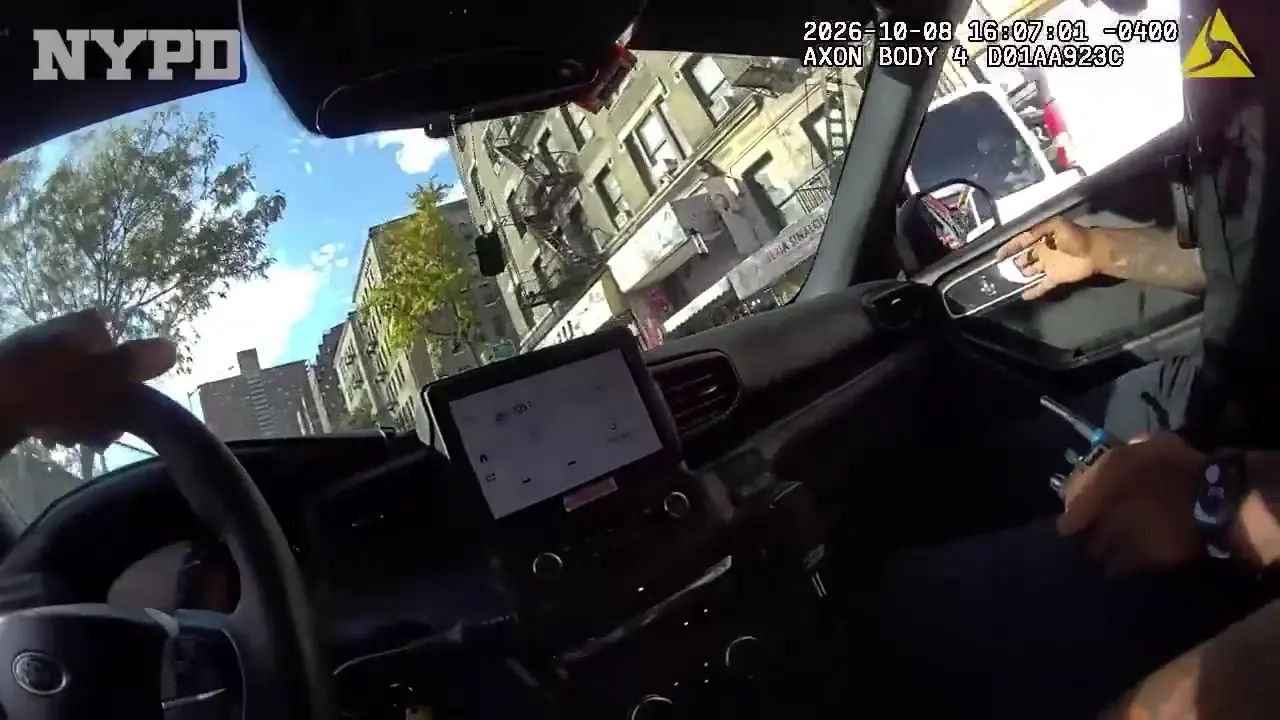
Still, the report found that CBP uses technology that automatically turns on body cameras when officers pull out their weapons or turn on emergency lights. ICE, however, does not.
“This presents the risk of personnel not capturing footage of incidents when they are required to do so,” the report said.
 open image in gallery
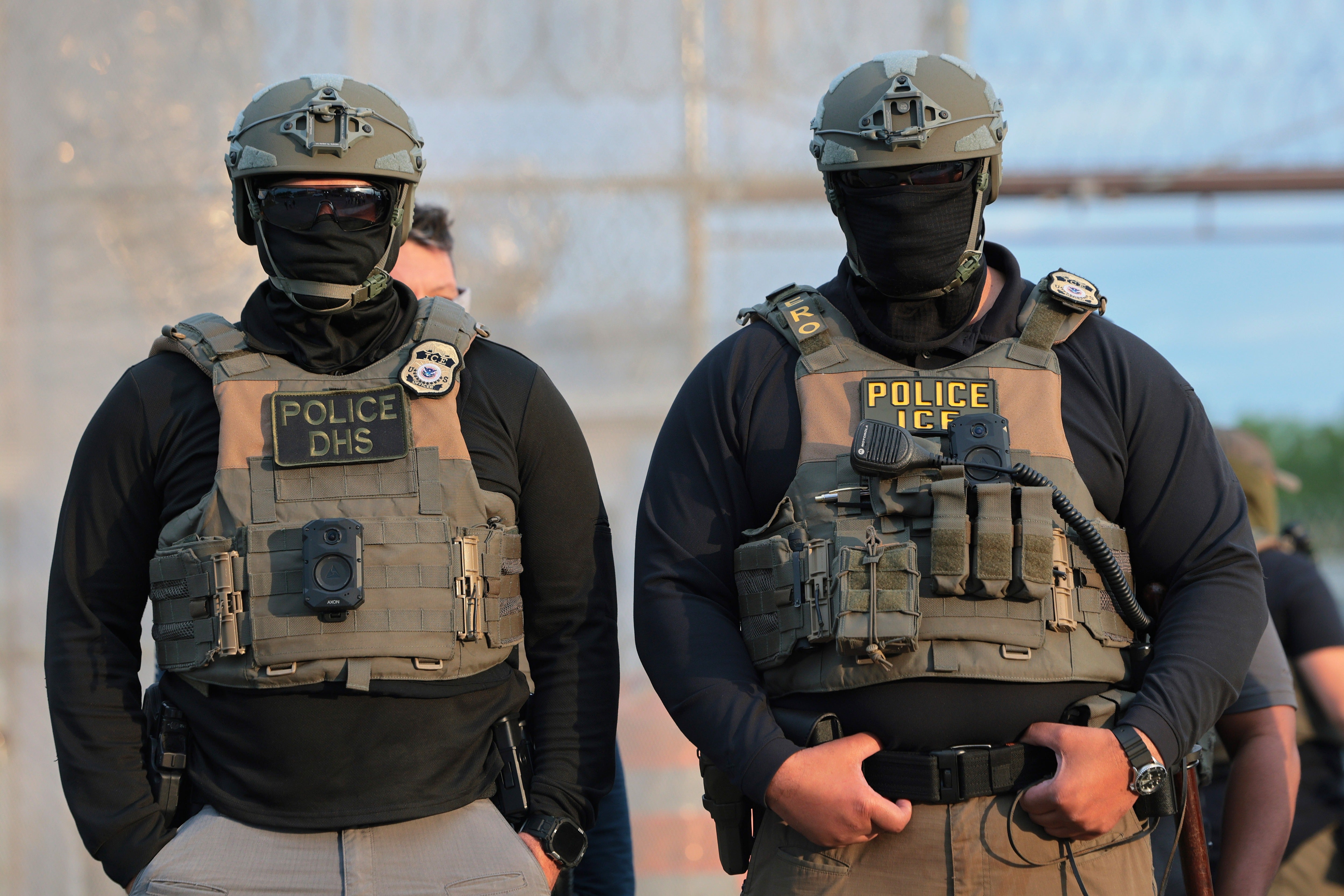
Federal immigration agents are generally required to turn on their body cameras at the start of an enforcement encounter, including arrests and vehicle stops.
However, ICE and CBP personnel interviewed at six of 10 locations indicated they were not always sure when they were required to activate their cameras. Some described camera use as “up to interpretation,” “not mandated” and containing “gray areas.”
“We maintain that additional controls, such as automated camera activation, would provide greater assurance that body-worn cameras meet ICE’s desired results for transparency, accountability, and public trust,” GAO said. “This assurance could be particularly beneficial in situations where unexpected and unplanned incidents, unrelated to sensitive operations, result in use of force by or against personnel.”
DHS told GAO that automatic camera activation would pose certain risks to ICE, such as false activations that could inadvertently record “sensitive interactions with informants or victims.”
 open image in gallery
The Independent has contacted DHS for comment.
The Trump administration began pushing for greater use of body cameras after a series of agent-involved shootings around the country.
White House border czar Tom Homan said in July that agents will be required to use the devices “whenever possible” and added: “I’m a big proponent of body cams, always have been.”
The same month, ICE announced that half of the agency’s field offices had obtained body cameras and that the rest were expected to receive them within two months.
At least 23 people have been shot — six of them fatally — by federal immigration agents since last year, The New York Times reported. Earlier this month, a 28-year-old man was injured when he was shot in the neck by an ICE agent during an arrest operation in Manhattan.
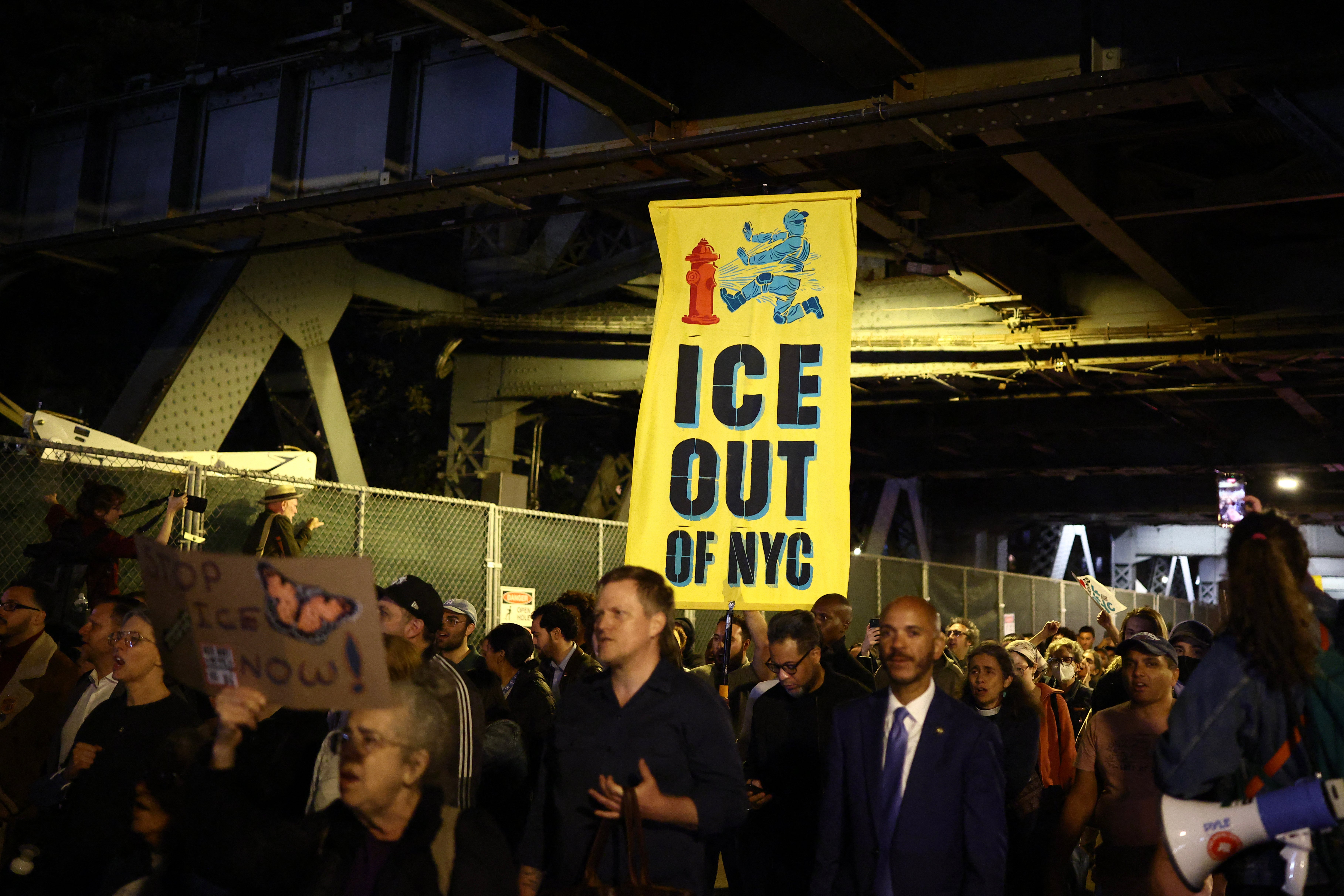
ICE operations have been met with protests in communities across the United States. A July YouGov survey found that a majority of Americans have little or no confidence in the agency.
More about
Department of Homeland SecurityUS immigrationTechnology
Join our commenting forum
Join thought-provoking conversations, follow other Independent readers and see their replies
Most popular
Popular videos
Bulletin
Read next
Fonte: – World RSS Feed