‘I wish I had stayed with you’: Gaza mother died of cancer after waiting months to be evacuated
Por Maira Butt — – World RSS Feed
In depth ‘I wish I had stayed with you’: Gaza mother died of cancer after waiting months to be evacuated
A complex evacuation process, restrictions on medications and a lack of fully-functioning hospitals has led to thousands of ill and injured patients languishing without treatment. Maira Butt reports
Sunday 11 October 2026 12:40 BST
- Bookmark
- Comments Go to comments
Bookmark popover
Removed from bookmarks
Close popover

Become an Independent member to bookmark this article
Want to bookmark your favourite articles and stories to read or reference later? Start your Independent Membership today.
Already a member?
Log in
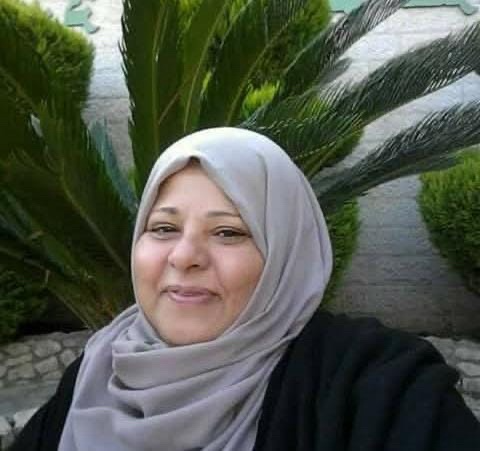
S ummer remembers spending long days laughing, talking and sharing meals with her aunt Iktimal at her home near the beach in Gaza.
“She loved cooking and was always preparing delicious meals and desserts,” she says. “Iktimal had a warm and welcoming personality that made everyone feel at home.”
But in September – just a month before the one year anniversary of a ceasefire – the 53-year-old grandmother and mother-of-eight died far of cancer, from her loved ones in a hospital bed in Egypt.
Her family say that lengthy delays in her evacuation led to her death and that she is one of the many victims of the enclave’s devastated health system.
Iktimal knew something was wrong after she felt unwell in February 2026 and she underwent a biopsy around the same time.
But delays in obtaining medical equipment and essential supplies in Gaza’s histopathology labs meant that her diagnosis was delayed for more than a month.
After weeks of waiting, the results finally arrived: it was cervical cancer.
 open image in gallery
“When she was diagnosed with cancer, she was determined to fight it,” says Summer. “She was strong and hopeful, but she was also deeply afraid—not of the cancer itself, but of not being able to access the medical treatment she needed.
“One of her greatest fears was that her condition would continue to worsen because of delays and lack of adequate care, and that she would ultimately lose her life not because the cancer could not be treated, but because she was denied the chance to receive the treatment she needed.”
Iktimal’s worst fears became a reality.
After having her womb removed in April, her recovery was slow and painful. She began to experience severe pain in her kidneys and Summer says it became “increasingly clear that her condition was not improving”.
 open image in gallery
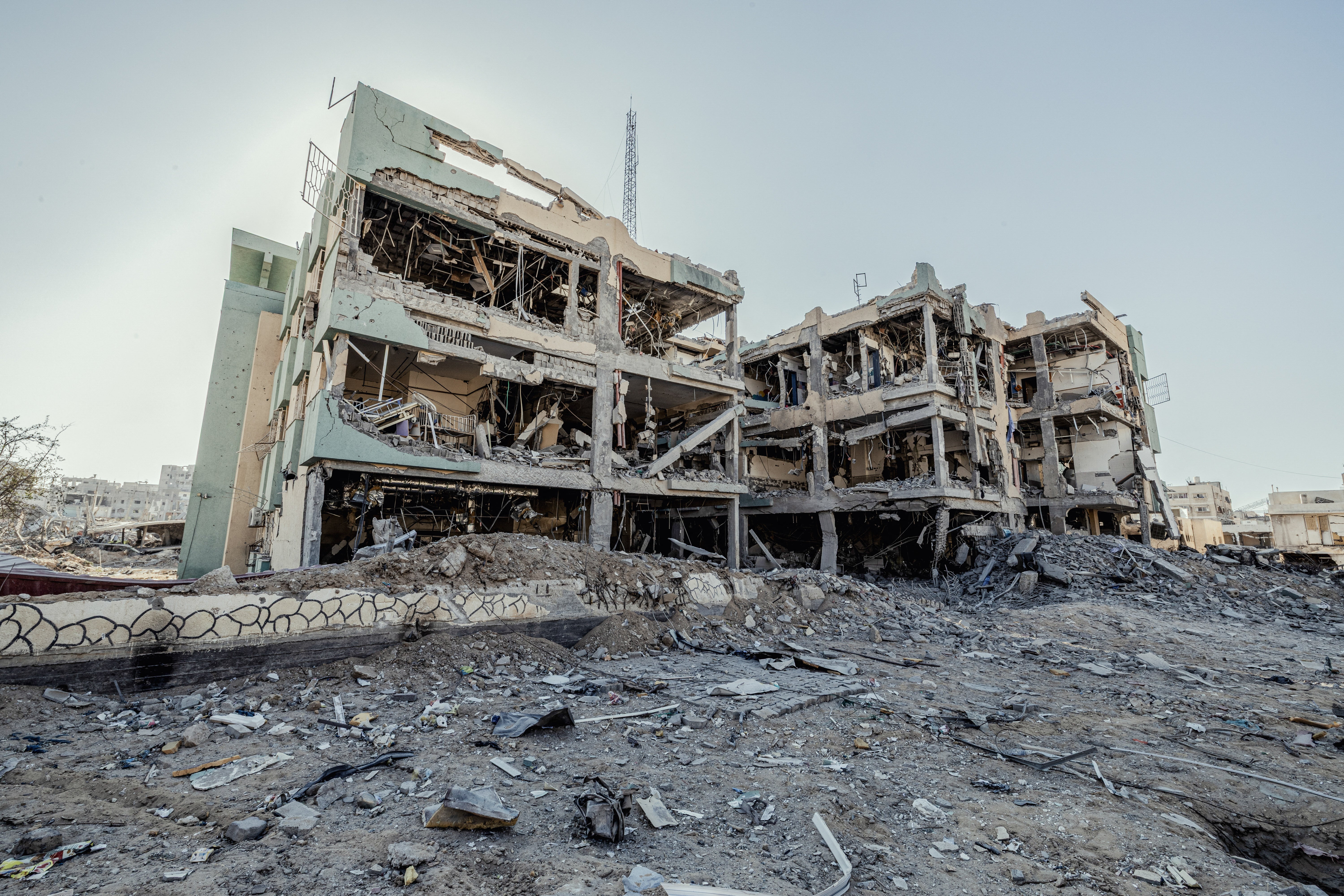
Local hospitals were unable to provide the medical care she required and the process to be evacuated for better treatment elsewhere was lengthy and complicated.
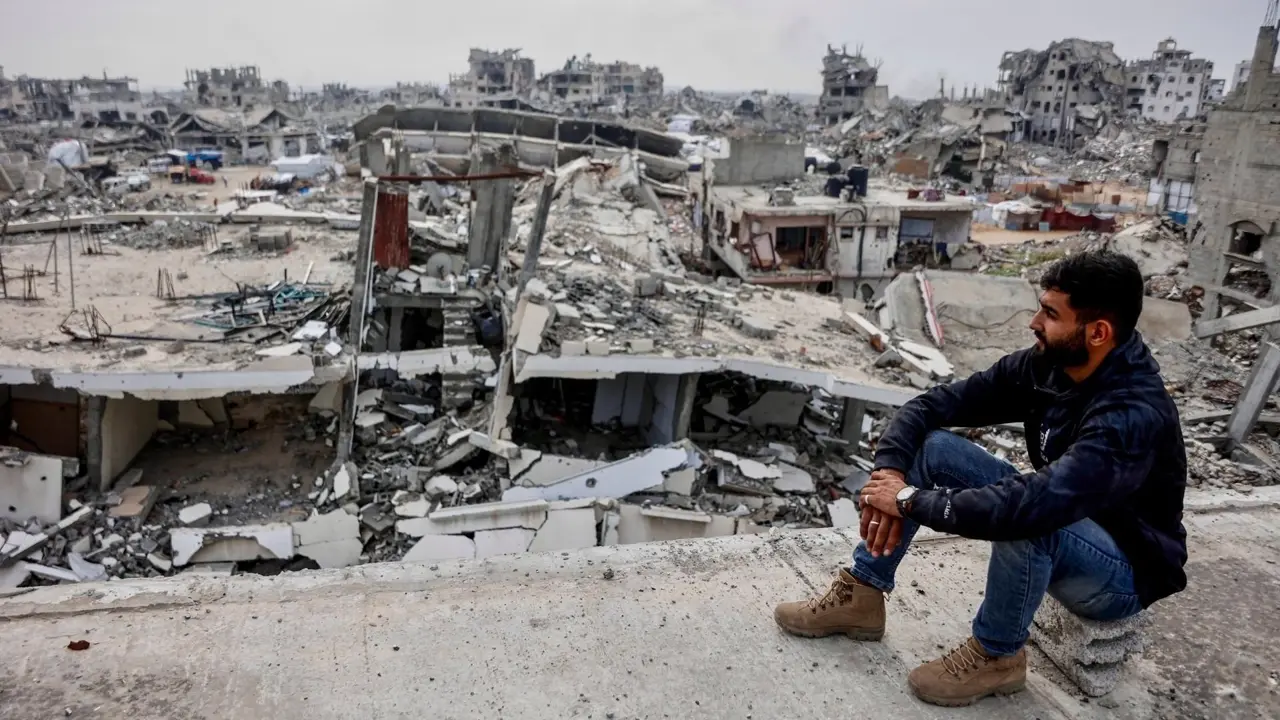
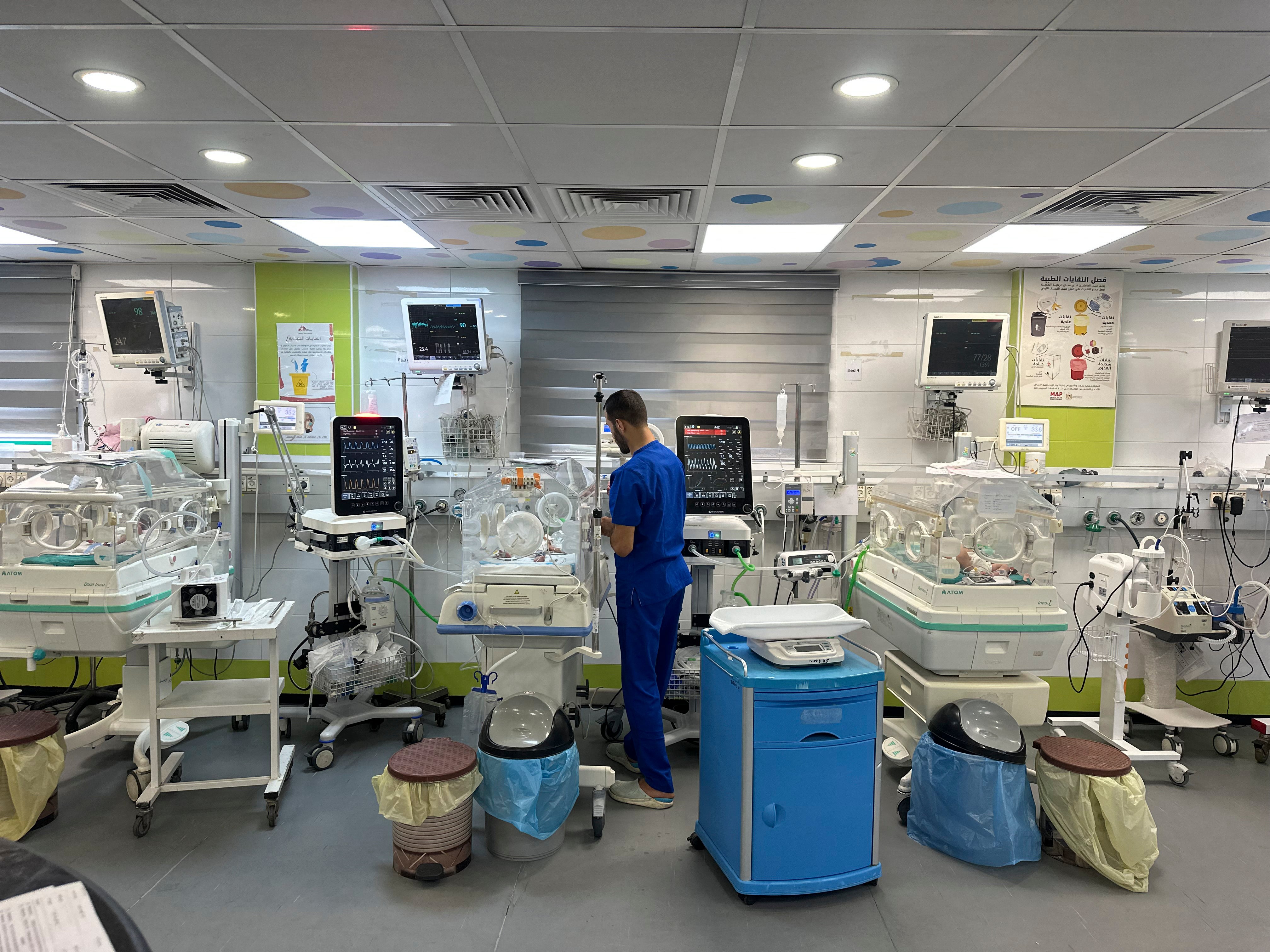
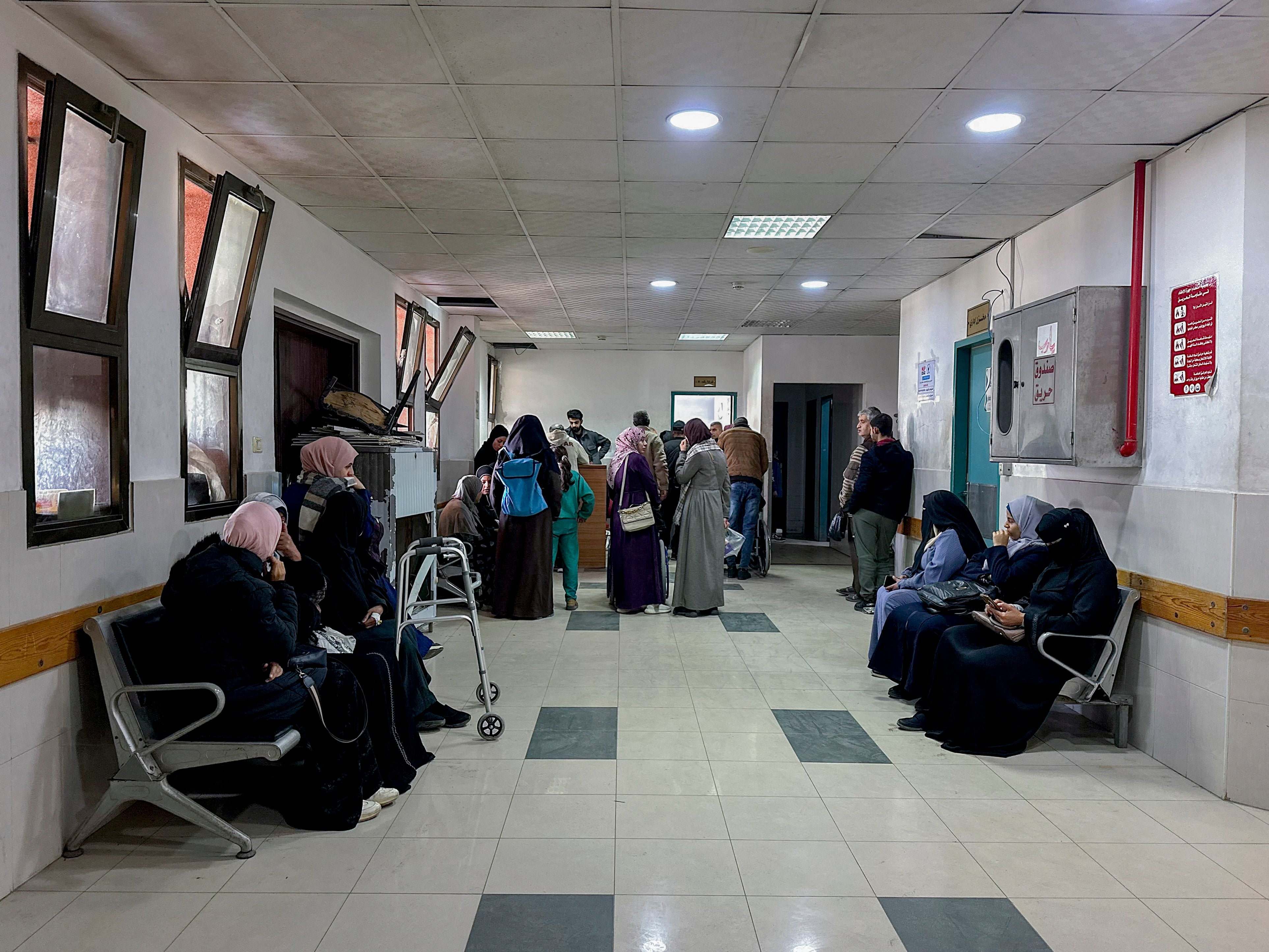
According to the World Health Organisation, none of Gaza’s 36 hospitals are operating at full capacity. Only 19 are functioning partially. They face critical deficits in crucial medical equipment, fuel, electricity and medicine.
Israel still restricts the entry of several items healthcare professionals consider crucial for what it says are security reasons. Last week the WHO said the restrictions on items such as life-saving medicines and prosthetics could have “devastating consequences”.
The hospitals that remain are overcrowded with high numbers of trauma and chronic disease patients.
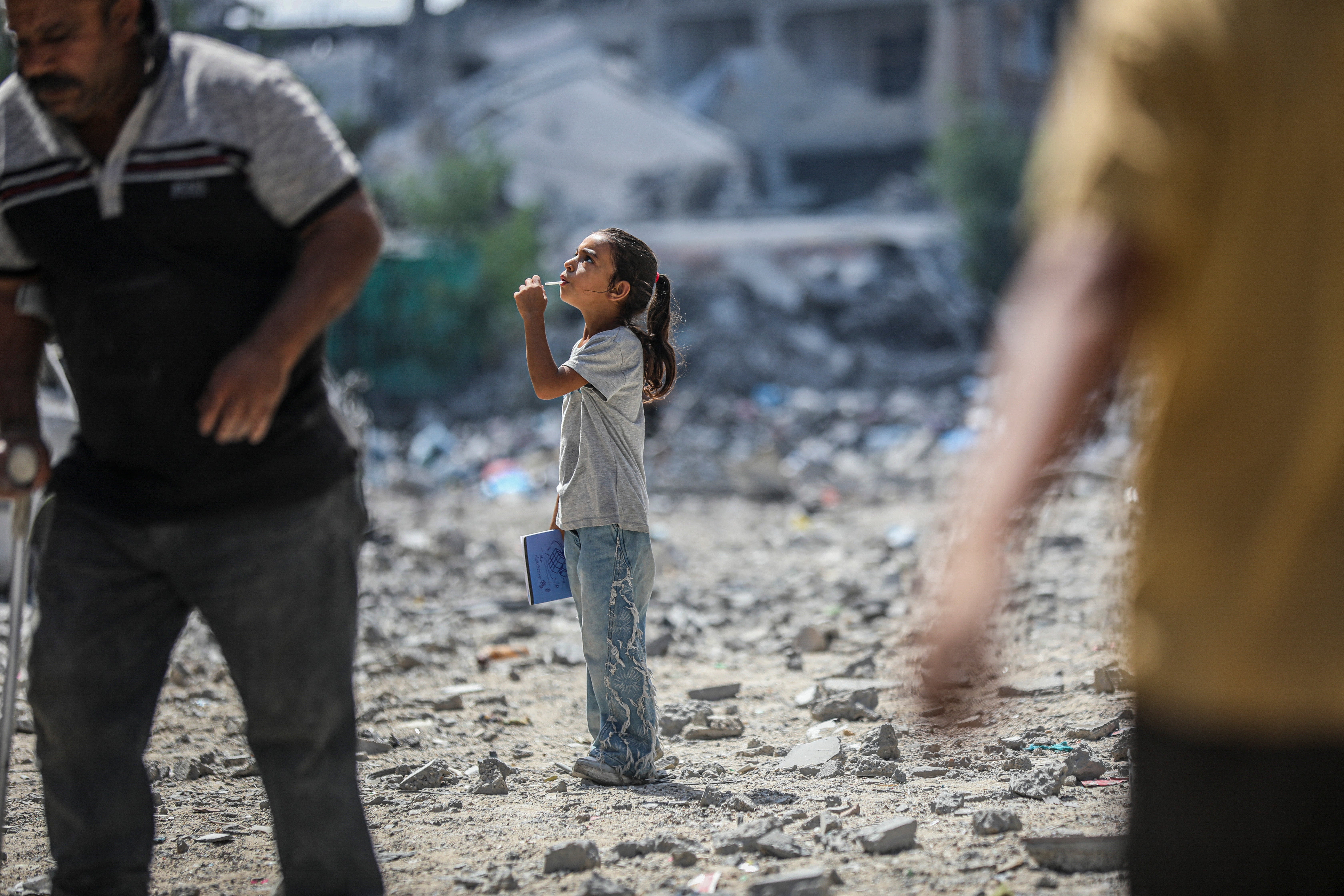
As part of Iktimal’s application to be evacuated she was asked to provide detailed medical records, test results and scans. In a region that has been destroyed by bombing, obtaining the documents was an extremely difficult and time-consuming process for the family. She made the application in May.
“There no reliable medical record-keeping systems and the hospitals were also dealing with faulty and unavailable scanning equipment,” says Summer.
After finally getting all the information together for an application, they requested that two family members be allowed to accompany her, her daughter and husband. In August, they were told that her application had been put on hold because they were only allowed one escort, so the family decided her husband would go.
Israel’s Coordinator of Government Activities in the Territories (COGAT) said that “the claim that the request was put on hold due to the rejection of one of the accompanying persons is false. The approval of a patient is independent of the approval of an accompanying person, and therefore, the patient could have departed at the initial stage.”
 open image in gallery
Finally, after two weeks Iktimal was told she could travel to Egypt. By this time her condition had become severely critical.
“She was in severe pain,” says Summer. “The only thing that relieved her temporarily were her morphine shots and they were not always available when needed.”
She “had only painkillers and psychosocial support sessions at the hospital” during what was to be her last week in Gaza.
Two weeks later, she died in a hospital in Egypt. Her last words to her family were: “I wish I stayed among you.”
On Thursday, Gaza’s ministry of health revealed that around 21,000 people are still awaiting medical evacuation.
“It would take a full four years just to evacuate the current list of patients and wounded using the travel mechanisms currently in case, without even accounting for any new medical cases,” read a statement by the ministry.
“With the continued approval of new medical referrals each month, the travel process would require an additional four years to handle the newly accumulated cases.”
 open image in gallery
It said: “This amounts to a direct and slow death sentence for thousands of patients whose bodies cannot withstand a wait of even days or weeks.”
COGAT says that “Israel encourages countries around the world to submit requests for the medical evacuation of patients from the Gaza Strip and stands ready to assist with the evacuation process, subject to the receipt of an official request from a receiving country.” It denies that the process takes months on their side and says that applications are approved within days not weeks with a 98 per cent approval rate.
Summer’s sister Hanya has been left devastated by her aunt’s loss as she attempts to build her life in the UK, working in the field of research on reproductive health and genocide- a job she refers to as “cosmic irony”.
“Her death affected me so much,” she says. “I can’t believe that she’s gone. That she won’t cheekily joke about me finding a guy to marry. The hardest part about her passing I think was selfishly mourning the reality that things can never go back to normal. Not in the foreseeable future, not ever.
“I always thought if we rebuild, if a real ceasefire ensues then we can get back to ‘normal’ but she is gone… there is no route to undo what has been done to us.
“And worse of all, no one acknowledges that she too is a victim of this war.”
 open image in gallery
She adds: “She is not even given the courtesy of being a part of the stats; she is now gone and it is chucked down to ‘natural causes’, meanwhile nothing is natural about any of this, not the way she got sick and not the way she died.”
In June 2024, the Euro-Mediterranean Human Rights Monitor estimated that there were 51,000 extra natural (non-casualty) deaths have resulted from the blockade and from the collapse of the health system. In a study published by the Lancet in April 2026, researchers estimated that there were around 16,300 non-violent deaths, of which 8,540 were considered to be excess deaths.
“We see dozens of cancer patients every day,” says Mohammed O, Medical Aid for Palestinians’ mental health and psychosocial care case manager.
“Their suffering goes far beyond their illness as they face severe treatment interruptions, a lack of essential diagnosis, and severe medication shortages, all while living through displacement, fear, and constant insecurity.
“Diagnostic equipment, treatments, and specialised medical staff are increasingly scarce. Most patients, if not all, need referrals for care outside Gaza, as the majority of the treatments they require aren’t available here.” He reports that around 70 per cent of essential cancer medicines are unavailable forcing patients to rely on alternative treatments which can cause further issues.
 open image in gallery
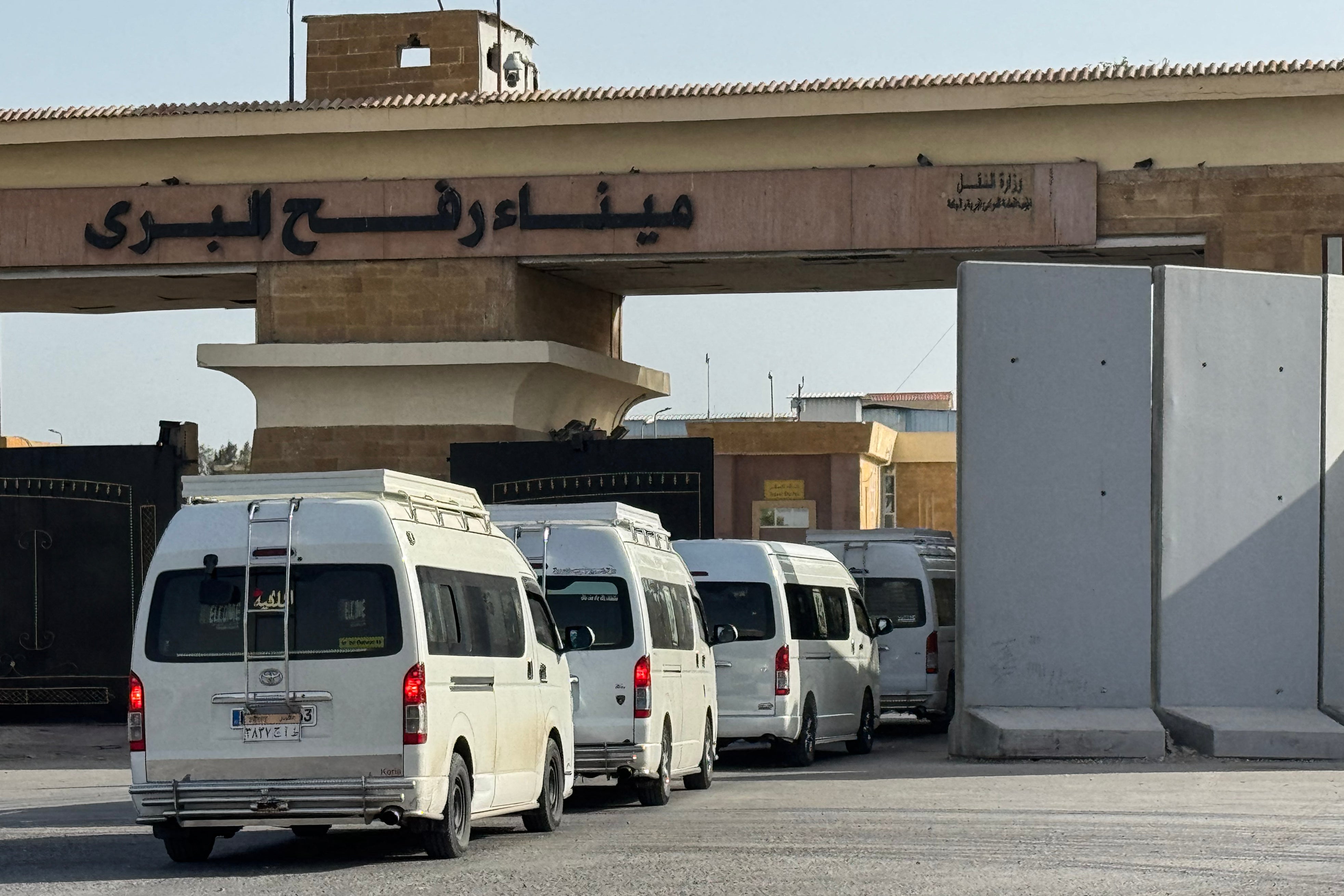
Gaza’s ministry of health issued an emergency appeal to the international community as well as to the UN, humanitarian and human rights groups to “intervene immediately and exert serious pressure to open the crossings fully and sustainably, and to facilitate the exit of patients and the wounded without conditions before it is too late”.
COGAT said that “since the outbreak of the war, approximately 50,000 residents have been permitted to depart the Gaza Strip.”
It added: “It should be emphasised that such transit is subject to the receipt of an official request from a receiving country and to the security screening required by the relevant security authorities, in accordance with the procedures governing entry into the sovereign territory of the State of Israel. The approval rate for these requests stands at 98 per cent.”
COGAT says that 22,000 tons of medical equipment and medicines have entered the Strip “in accordance with requests by international organisations including medications for cancer patients, insulin pens, anaesthetics, X-ray and CT scanners, oxygen generators, wheelchairs, mattresses and hospital beds, hospital generators, syringes, dialysis machines, incubators, plaster casts, vaccination kits, and additional medical equipment.”
More about
GazaIsraelWorld Health Organisation
Join our commenting forum
Join thought-provoking conversations, follow other Independent readers and see their replies
Most popular
Popular videos
Bulletin
Read next
Fonte: – World RSS Feed