How Ukraine’s devastating attacks on Putin’s oil refineries brought the war to Russia’s doorstep
Por Maira Butt — – World RSS Feed
in focus How Ukraine’s devastating attacks on Putin’s oil refineries brought the war to Russia’s doorstep
All but five of Russia’s 32 major oil refineries have been hit by Ukrainian drone attacks, costing the country an estimated $20bn. Experts tell Maira Butt that Zelensky has brought the reality of Putin’s invasion to the doorstep
Tuesday 22 September 2026 18:21 BST
- Bookmark
- Comments Go to comments
Bookmark popover
Removed from bookmarks
Close popover
Your support helps us to tell the story
Read more Support Now
From reproductive rights to climate change to Big Tech, The Independent is on the ground when the story is developing. Whether it’s investigating the financials of Elon Musk’s pro-Trump PAC or producing our latest documentary, ‘The A Word’, which shines a light on the American women fighting for reproductive rights, we know how important it is to parse out the facts from the messaging.
At such a critical moment in US history, we need reporters on the ground. Your donation allows us to keep sending journalists to speak to both sides of the story.
The Independent is trusted by Americans across the entire political spectrum. And unlike many other quality news outlets, we choose not to lock Americans out of our reporting and analysis with paywalls. We believe quality journalism should be available to everyone, paid for by those who can afford it.
Your support makes all the difference. Read more
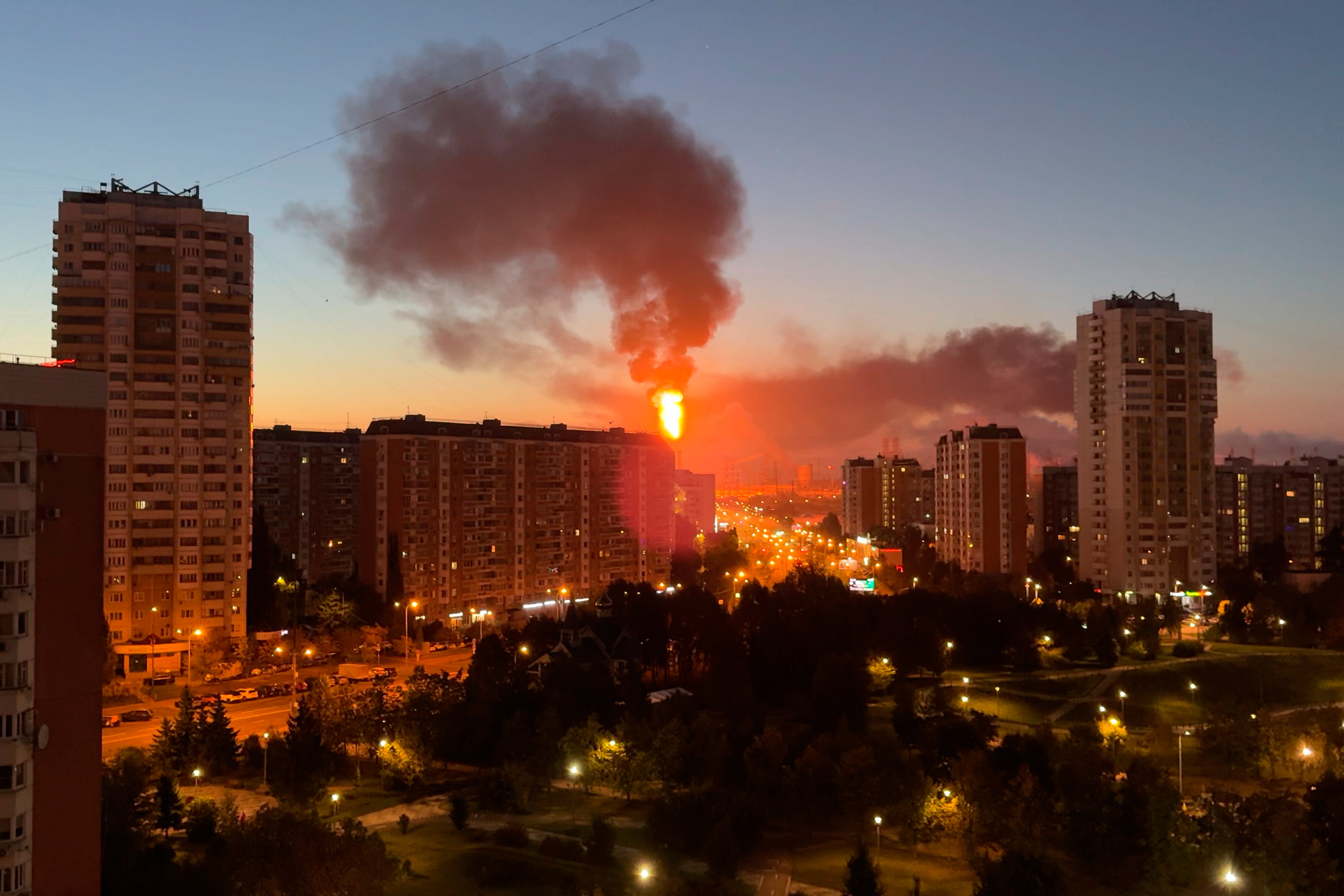
O n Sunday, just as polling closed in Russia’s parliamentary elections, Ukraine launched one of its biggest drone strikes on Moscow since the war broke out over four years ago.
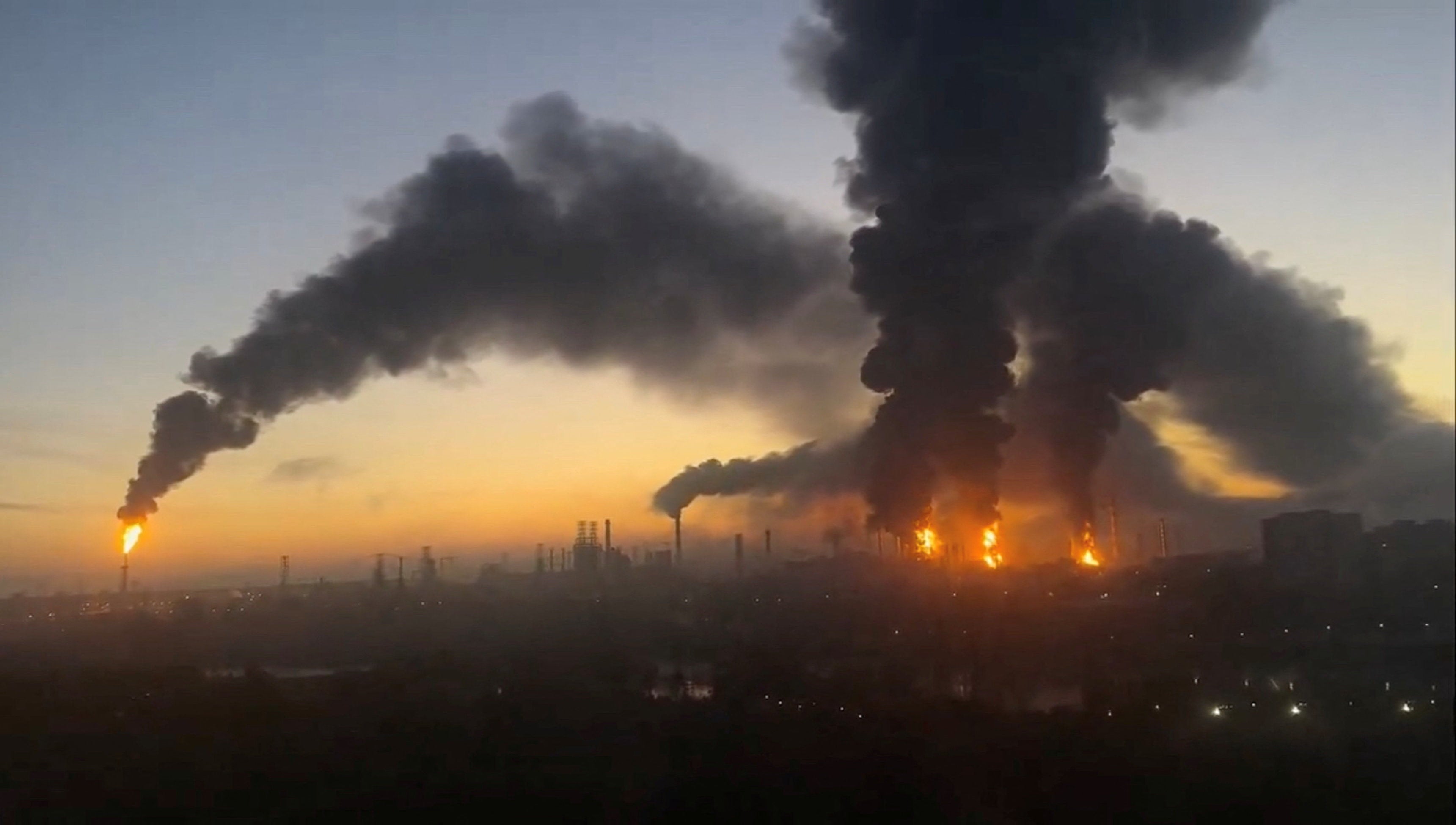
Striking images from the city showed a large refinery in flames and vast plumes of smoke billowing from chimneys. Over 450 drones were shot down in what the region’s mayor Sergei Sobyanin called “the most massive” attack it had seen.
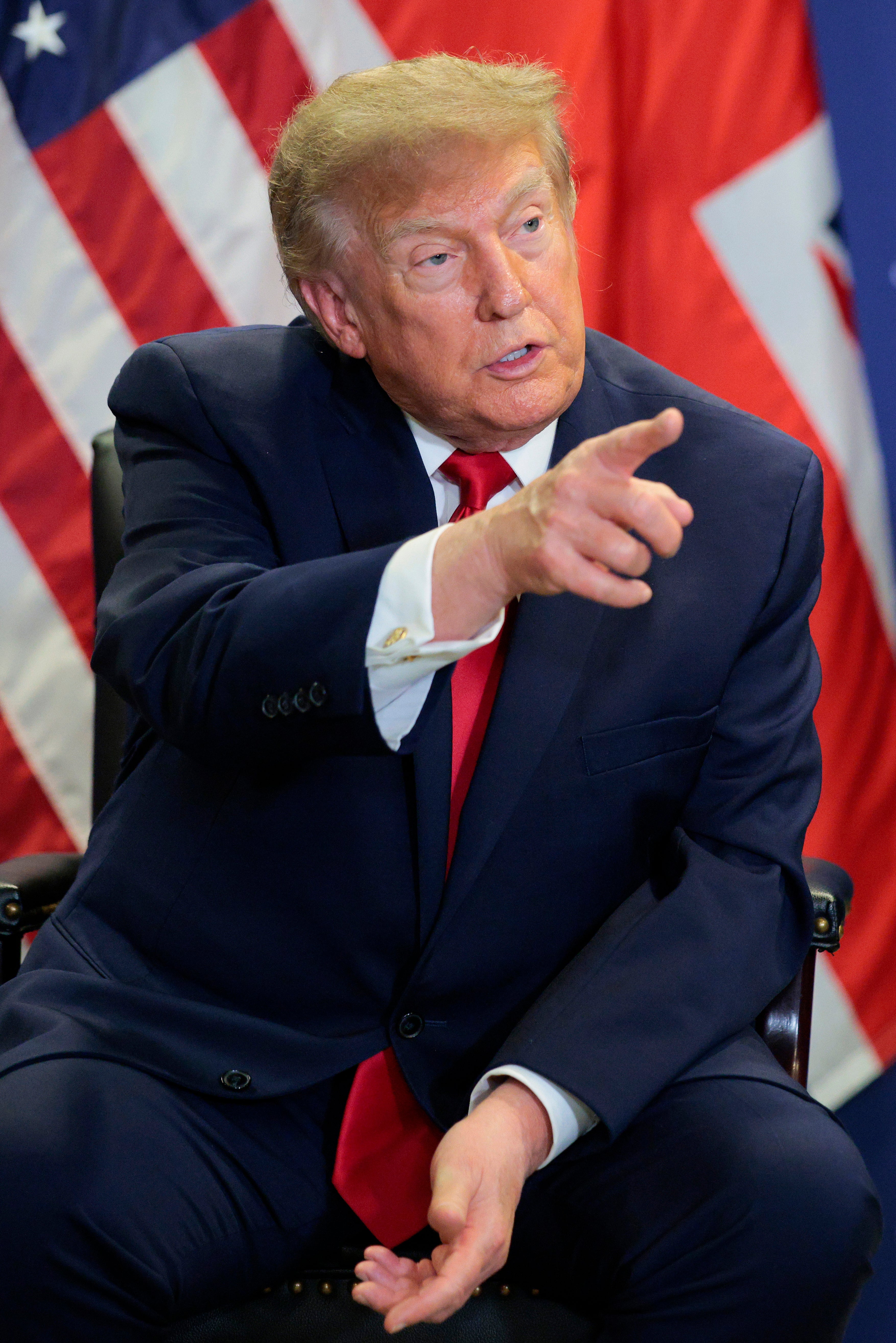
The attacks came shortly after US president Donald Trump had ordered both sides to quit their attacks on energy infrastructure. But both countries have continued to attack each other despite the pleas.
According to a report by the International Energy Association, all but five of Russia’s 32 major oil refineries have escaped attack since war broke out, while some have been hit up to 15 times.
Those unaffected currently lie outside of the reach of Ukraine’s most advanced drones, between 3,500km and 6,500km from the border in eastern Siberia or the far east of the country.
 open image in gallery
The IEA has said that this strategy has intensified significantly over the past 18 months so that by June, throughput fell to its lowest level in more than 20 years and 30 per cent blow a year earlier.
Gasoline output has dropped by 20 per cent compared to 2024, while diesel production has fallen by nearly 30 per cent.
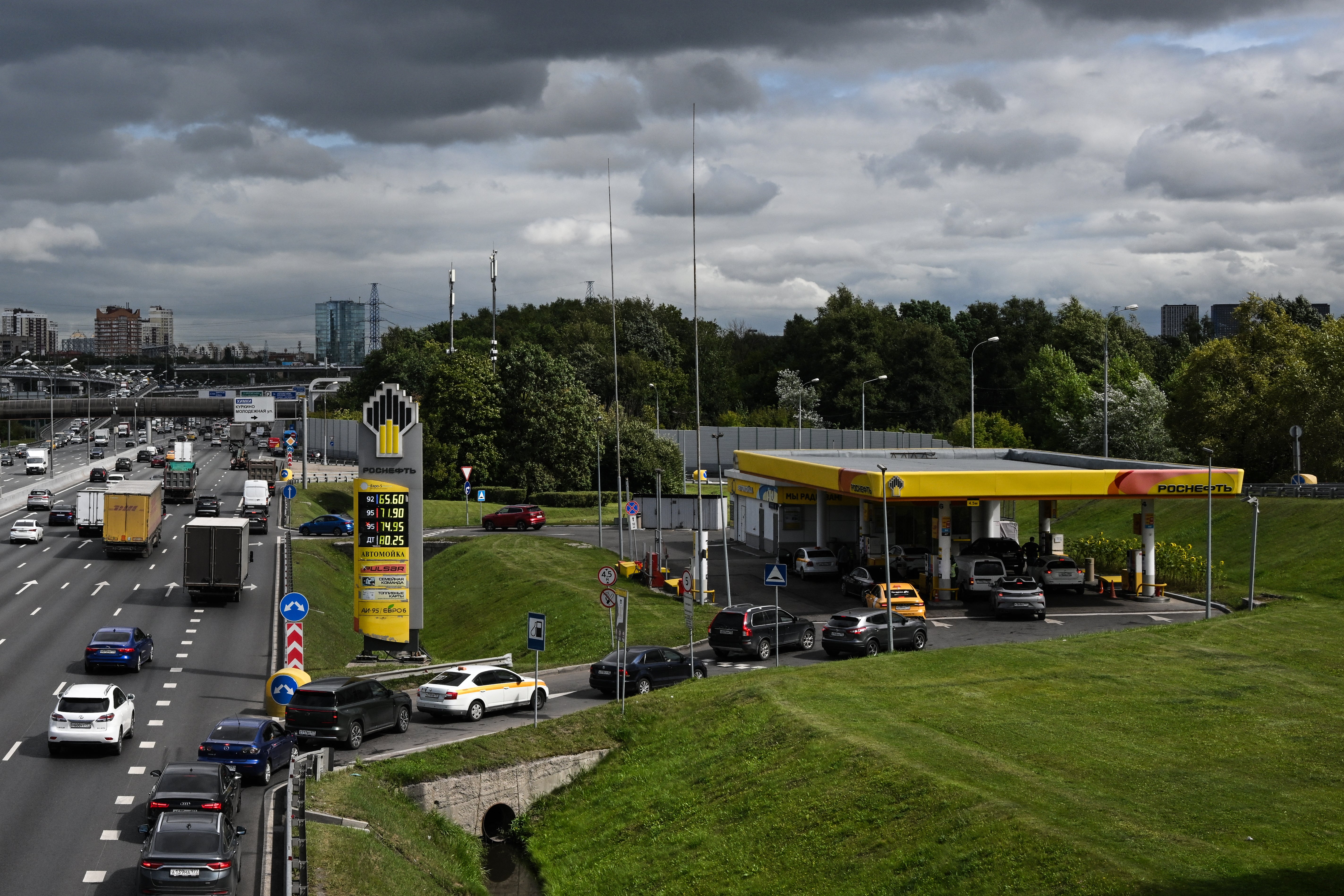
The attacks have led to images being released from Russia that will be unnerving for Russian leader Vladimir Putin: huge queues at fuelling stations (lasting up to 40 hours, according to some motorists), and rising oil and gas prices.
Fuel shortages have been reported across 92 per cent of Russia’s regions with around two-third introducing fuel-rationing measures.
The crisis has forced the Russian government to restrict oil exports to protect domestic supplies.
Ukraine’s military suggests that Russia’s total oil refining capacity is down by 45 per cent, according to a report by the General Staff released on Monday.
 open image in gallery
“Ukraine is increasingly using multiple waves of drones against individual refineries, seeking to overwhelm protective netting and other largely passive drone defence measures,” wrote the IEA.
“Its long-range capabilities and targeting have also advanced rapidly, particularly during the first half of 2026. This expanded reach enabled the 7 July strike on Gazprom Neft’s 450 thousand barrels per day (kb/d) Omsk refinery, Russia’s largest, roughly 2,500 kilometres from the Ukrainian border.”
The IEA says that there has not been “significant damage” reported to both primary and secondary crude oil processing units across the country.
As Ukraine becomes effective at striking the refineries it is “increasingly targeting specific refinery units to maximise the impact of each strike”.
It explained that Kyiv targets crude distillation units (CDUs), where the crude is initially processed, as well as secondary units such as fluid catalytic crackers (FCCs), hydrocrackers, reformers and hydrotreaters.
 open image in gallery
While damage to CDUs can typically be repaired within a week or two, damage to the more complex secondary units can take six to eight months to fix on average.
Russia has been forced to deal with the crisis by rationing fuel and also allowing the production of lower quality energy, allowing higher-sulphur grades of gasoline to be produced for the first time since 2016.
In May, the Washington Post reported that more than 20 strikes on Russian oil infrastructure in 2026 had cost Moscow over $7bn.
The Ukrainians have hit almost all the major refineries in European Russia and the Urals at least once. They have also damaged the country’s largest refinery located in Omsk (Siberia),” says John Lough, head of foreign policy at the New Eurasian Strategies Centre (NEST).
“It’s very difficult to put a figure on the total losses incurred through damage to refineries, lost production and overall disruption. It’s probably around $20 billion.”
 open image in gallery
But the picture is more complex as analysis by Reuters in July found that Russia’s oil and gas revenue had increased 60 per cent compared to the year before due to the increase in global oil prices.
The loss of oil prices is also putting further pressure on global oil supplies already squeezed due to the ongoing war in Iran, which has seen the Strait of Hormuz largely shut since March.
Whether the strategy has been effective in the long-run therefore may depend on multiple factors.
But Lough says that “its main value is psychological since it has brought the war home to Russians who were previously insulated from it and made them think about why the country is so poorly defended when the war was supposed to improve Russia’s security.”
“It’s hardly a coincidence that the authorities had to remove the Yabloko party from last weekend’s Duma elections. It was the only party campaigning for ending the war against Ukraine,” he added.
“It was supposed to receive only a tiny proportion of the vote, but the authorities concluded that its message risked resonating among the electorate.
“For Ukraine, it has been a double-edged sword. Russia has stepped up its own air campaign and has stopped the operation of the Black Sea ports – a lifeline for the Ukrainian economy. It has also intensified its attacks on other economic assets across the country.”
More about
UkraineRussiaMoscowDonald TrumpVladimir PutinSiberiaStrait of HormuzIran
Join our commenting forum
Join thought-provoking conversations, follow other Independent readers and see their replies
Most popular
Popular videos
Bulletin
Read next
Fonte: – World RSS Feed