For China, H-6N bomber enhances nuclear deterrence and second-strike capability
Por Seong Hyeon Choi — South China Morning Post – News feed
Advertisement China's military weapons China Military For China, H-6N bomber enhances nuclear deterrence and second-strike capability
Country’s nuclear triad complete as airborne leg supplements intercontinental ballistic missiles and submarine-launched ballistic missiles
4 -MIN READ 4 -MIN 1 Listen
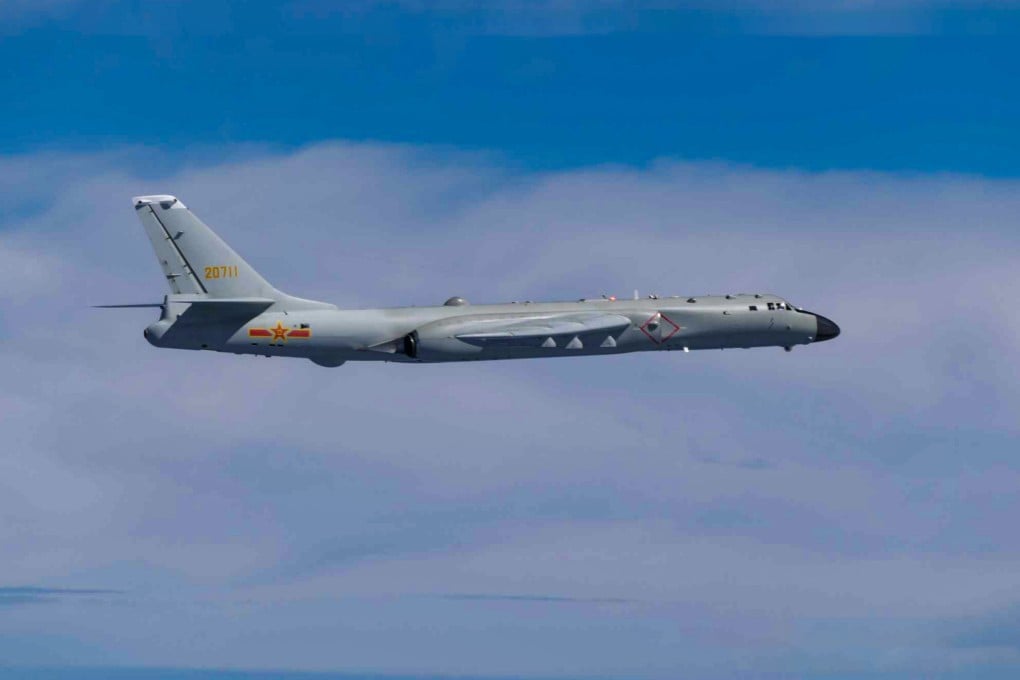
Seong Hyeon Choi Published: 10:00pm, 13 Sep 2026 Updated: 10:25pm, 13 Sep 2026 Last month, the People’s Liberation Army (PLA) released footage showing its H-6N bomber flying with a nuclear-capable Jing Lei-1 (JL-1) air-launched ballistic missile (ALBM), offering a rare look at China’s airborne nuclear strike capability. The H-6N is one of the latest modernised variants of the H-6, the country’s only strategic bomber. Its flight carrying the ALBM during a joint anti-ship exercise was featured in a documentary by state broadcaster CCTV for the PLA’s 99th anniversary .
The unveiling comes as China expands the scope of its H-6 bombers’ activities beyond its nearby airspace.
In July 2024, two H-6s were spotted conducting joint patrol near Alaska for the first time with their Russian counterpart, the Tu-95, prompting the US-Canadian North American Aerospace Defence Command to scramble their fighter jets.
For the past six decades, the H-6 has served as Beijing’s primary strategic strike aircraft. With the JL-1 ALBM able to be mounted on the H-6N bomber, China is now considered to have completed its nuclear triad, boosting its nuclear deterrence and second-strike capability.
History and development
Advertisement Select Voice Select Speed 0.8x 0.9x 1.0x 1.1x 1.2x 1.5x 1.75x 00:00 00:00 1x AI-generated voice
