FDA examines testosterone therapy as use by menopausal women rises
Por Siddhi Mahatole — – World RSS Feed
FDA examines testosterone therapy as use by menopausal women rises
The FDA’s request for public input ahead of the hearing drew hundreds of submissions, with many women describing enhanced libido, energy levels, and quality of life while on testosterone
Siddhi Mahatole & Padmanabhan Ananthan Thursday 17 September 2026 16:10 BST
- Bookmark
- Comments Go to comments
Bookmark popover
Removed from bookmarks
Close popover
Your support helps us to tell the story
Read more Support Now
From reproductive rights to climate change to Big Tech, The Independent is on the ground when the story is developing. Whether it’s investigating the financials of Elon Musk’s pro-Trump PAC or producing our latest documentary, ‘The A Word’, which shines a light on the American women fighting for reproductive rights, we know how important it is to parse out the facts from the messaging.
At such a critical moment in US history, we need reporters on the ground. Your donation allows us to keep sending journalists to speak to both sides of the story.
The Independent is trusted by Americans across the entire political spectrum. And unlike many other quality news outlets, we choose not to lock Americans out of our reporting and analysis with paywalls. We believe quality journalism should be available to everyone, paid for by those who can afford it.
Your support makes all the difference. Read more
US health regulators will review scientific evidence regarding testosterone use among menopausal women on Thursday, evaluating its benefits, risks, dosage options, role in female health, and perspectives from both patients and doctors.
The public meeting, which the US Food and Drug Administration said could help guide future medical research and drug development, comes as an increasing number of women turn to testosterone to manage menopause symptoms.
There is no FDA-approved female testosterone treatment, despite years of off-label use to manage low sexual desire, known as hypoactive sexual desire disorder, or HSDD.
Last year, the FDA removed a boxed warning about elevated cardiovascular risk from male testosterone products following post-marketing study reviews, though products still carry warnings regarding increased blood pressure.
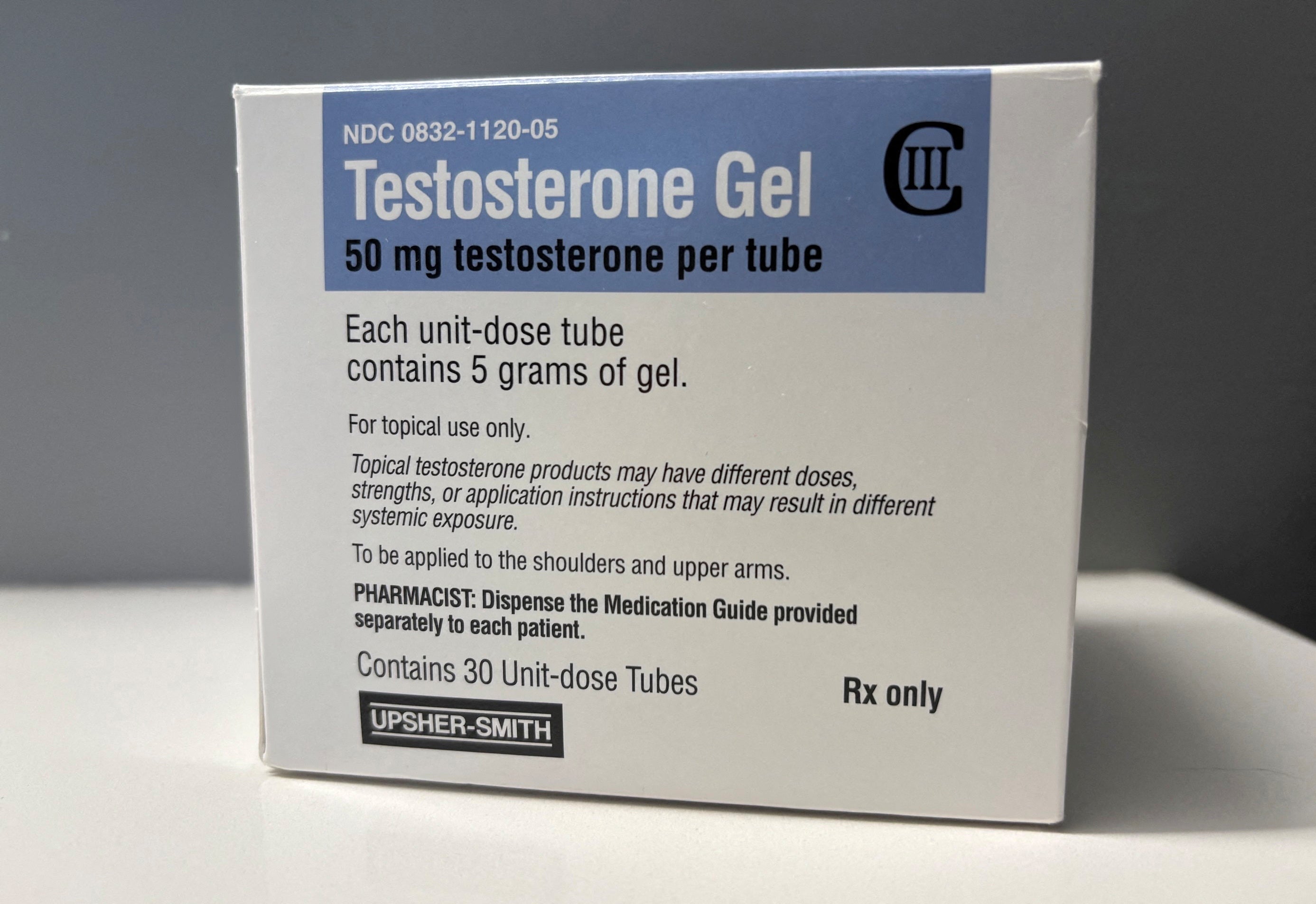
Physicians prescribing testosterone to women typically rely on lower doses of products cleared for men, often dividing therapies such as Keenova Therapeutics’ Testim and AbbVie’s AndroGel, or using custom compounded formulations.
The lack of female-specific options presents practical challenges for clinicians, said Dr. Diana Tordoff, an instructor in obstetrics and gynecology at Stanford, noting that an approved drug could offer standardized dosing, labeling, safety-monitoring guidance, and potentially improve insurance coverage.
Nevertheless, key questions remain unresolved, according to medical experts. More long-term safety data are needed, said Dr. Stephanie Faubion, director of Mayo Clinic’s Center for Women’s Health.
Australia, South Africa, New Zealand, and the United Kingdom have licensed or approved testosterone products specifically for female patients.
The FDA’s request for public input ahead of the hearing drew hundreds of submissions, with many women describing enhanced libido, energy levels, and quality of life while on testosterone.
EVIDENCE AND SAFETY GAPS
Interest in testosterone among menopausal women has expanded alongside social media claims that it enhances energy, cognition, bone health, and muscle mass, though specialists stress that evidence remains strongest for HSDD.
“We do not have any evidence in women that it will improve muscle mass or bone density or mood or well-being or really any other metric,” Faubion said.
Dr. Karen Adams, director of Stanford Medicine’s Program in Menopause and Healthy Aging, stated testosterone has been reviewed four times by the FDA for female use but was never approved due to insufficient long-term safety data and cardiovascular and breast cancer risks.
Non-testosterone alternatives such as Sprout Pharmaceuticals’ Addyi and Cosette Pharmaceuticals’ Vyleesi have received FDA clearance for specific patients with HSDD.
Testosterone is generally discouraged for women with breast cancer histories, as the hormone can convert into estrogen in the body and potentially spur certain cancers. Excessive testosterone exposure can lead to acne and increased hair growth, physicians noted, while less common effects like voice deepening and hair loss can be permanent.
Studies indicate that testosterone therapy is broadly regarded as safe for men with clinically diagnosed low hormone levels when prescribed and monitored by a doctor.
Tordoff and Adams are directing Stanford’s MIX-T pilot study examining how low-dose testosterone affects vaginal health and the vaginal microbiome in postmenopausal women, with results expected in the next two years.
More about
FDAtestosteroneTherapyMenopause
Join our commenting forum
Join thought-provoking conversations, follow other Independent readers and see their replies
Most popular
Popular videos
Bulletin
Read next
Fonte: – World RSS Feed