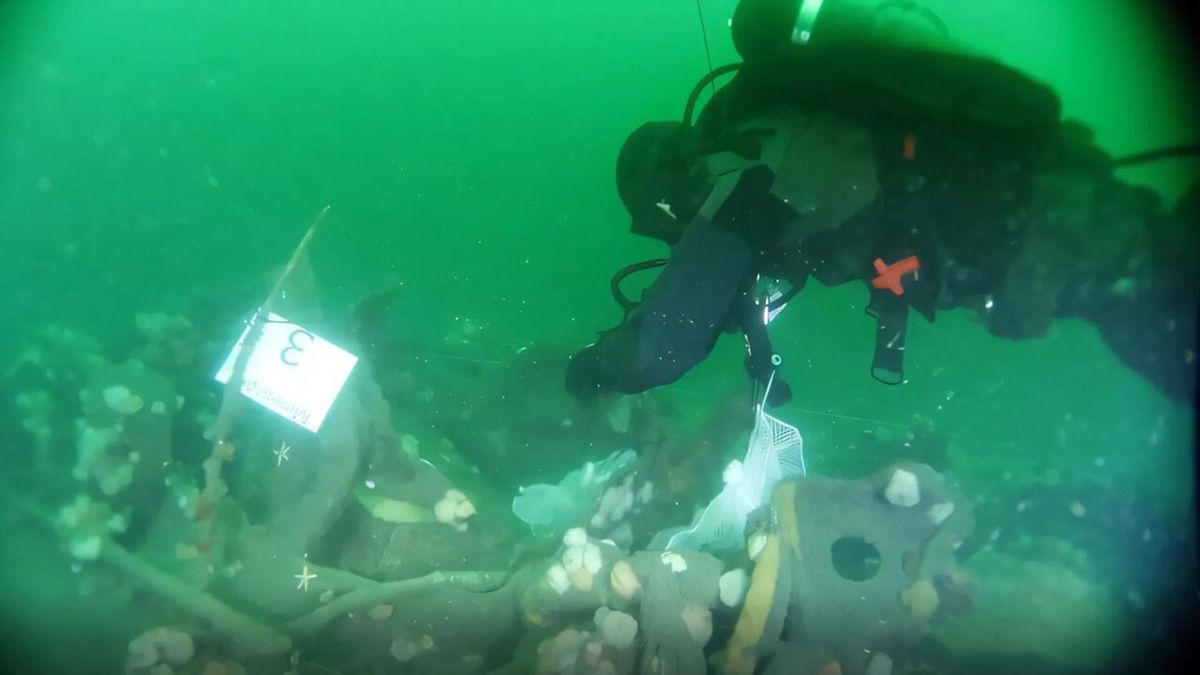
Chinese ships push into Arctic as US Coast Guard warns of military threat
Por Gwladys Fouche — – World RSS Feed
Chinese ships push into Arctic as US Coast Guard warns of military threat
The United States is watching China’s presence in its Arctic zone “very closely” amid concerns regarding the security of the US homeland
Gwladys Fouche Monday 21 September 2026 11:07 BST
- Bookmark
- Comments Go to comments
Bookmark popover
Removed from bookmarks
Close popover
Your support helps us to tell the story
Read more Support Now
From reproductive rights to climate change to Big Tech, The Independent is on the ground when the story is developing. Whether it’s investigating the financials of Elon Musk’s pro-Trump PAC or producing our latest documentary, ‘The A Word’, which shines a light on the American women fighting for reproductive rights, we know how important it is to parse out the facts from the messaging.
At such a critical moment in US history, we need reporters on the ground. Your donation allows us to keep sending journalists to speak to both sides of the story.
The Independent is trusted by Americans across the entire political spectrum. And unlike many other quality news outlets, we choose not to lock Americans out of our reporting and analysis with paywalls. We believe quality journalism should be available to everyone, paid for by those who can afford it.
Your support makes all the difference. Read more
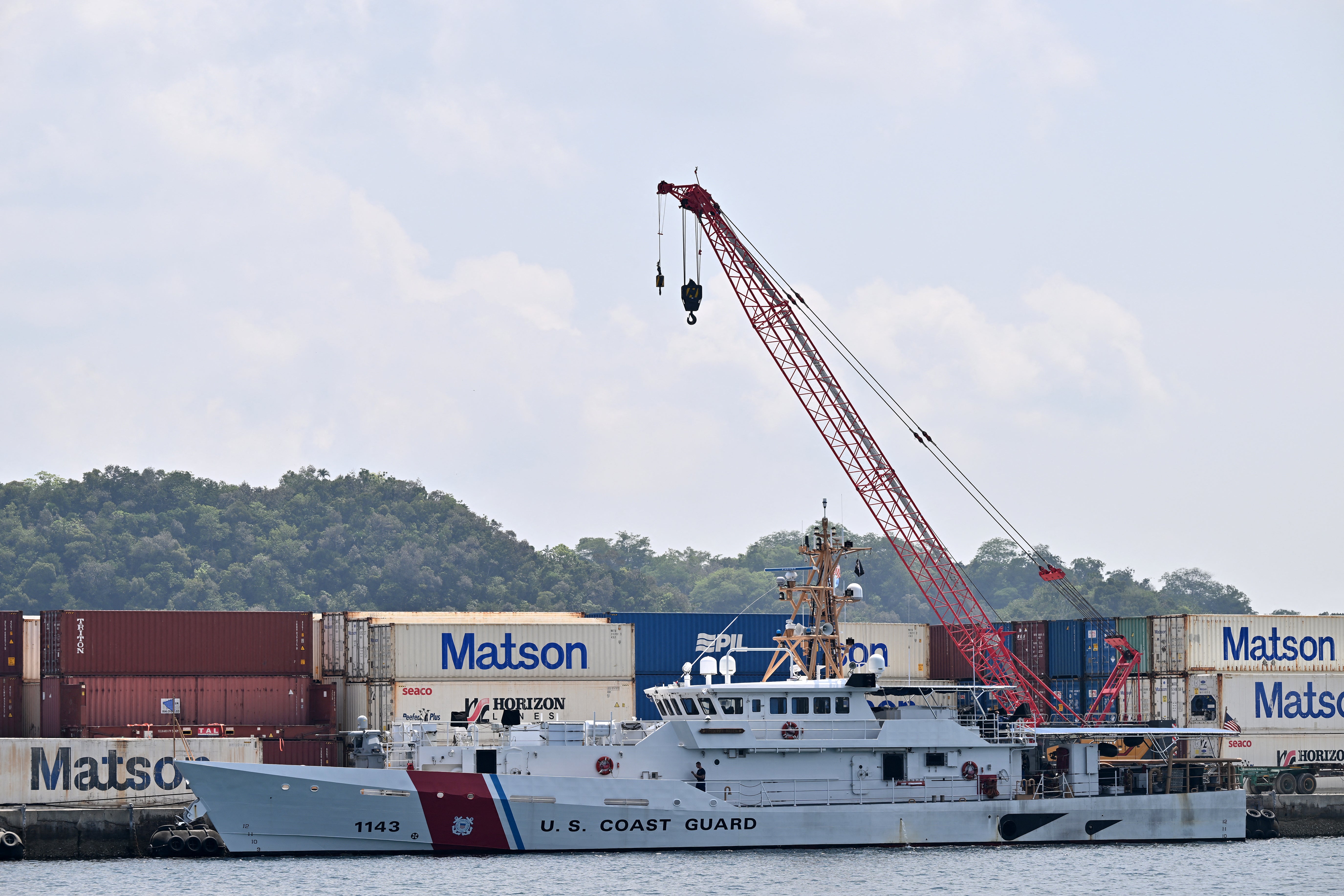
American national security officials are closely watching growing Chinese activity in the Arctic region, according to a senior U.S. military officer.
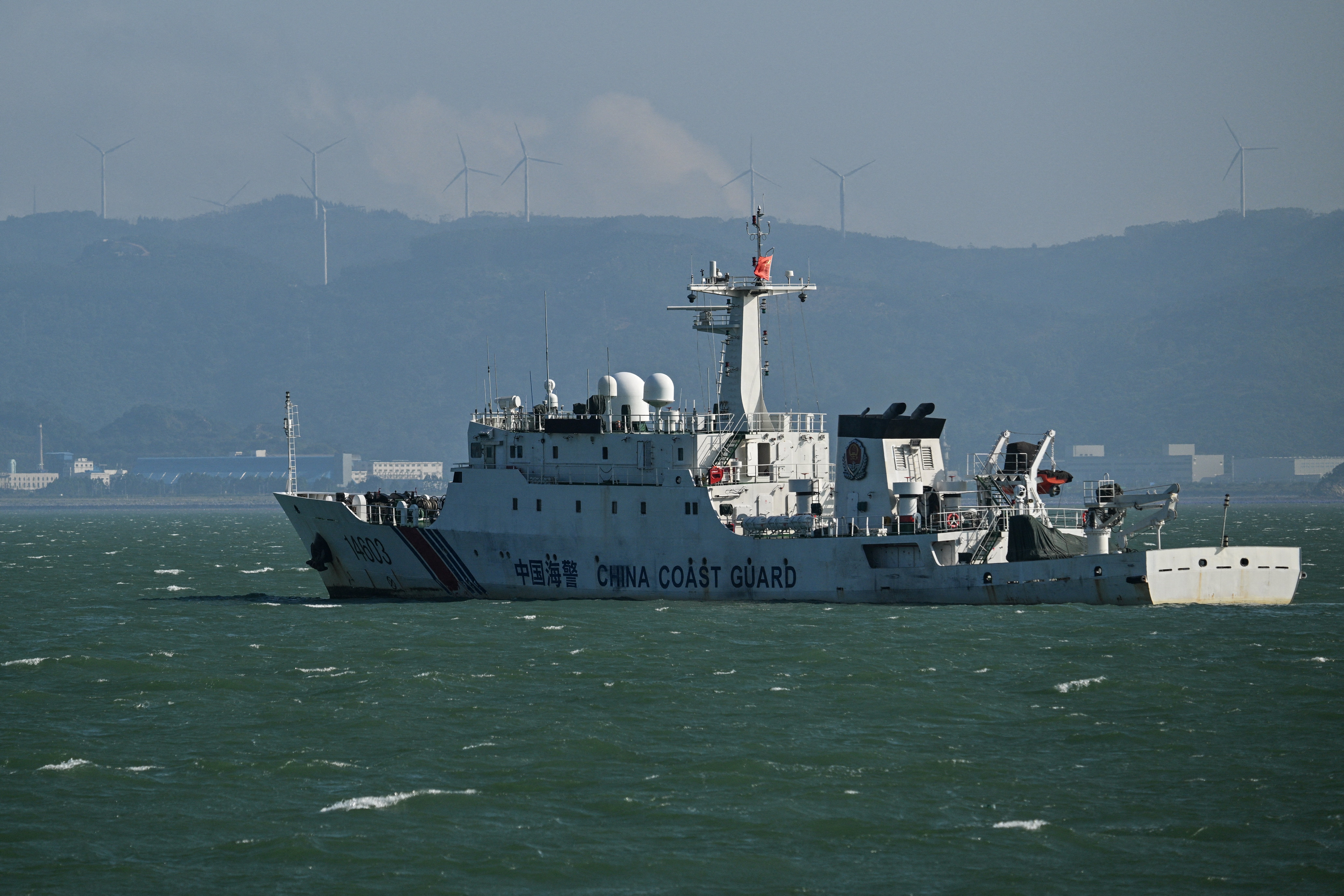
Speaking in Oslo at an Arctic security conference, Rear Admiral Bob Little, Commander of the U.S. Coast Guard’s Arctic District, said four Chinese research ships have operated off the U.S. Arctic coast so far in 2026, after five such vessels were recorded throughout 2025.
The Chinese vessels navigated through maritime zones off Alaska, traversing the Aleutian Islands, the Bering Strait, and pushing as far north as the North Pole. Although the vessels remained within international waters, Beijing failed to provide advance diplomatic notification, breaking standard protocol.
 open image in gallery
“Where I have responsibility, interest and concern is when they are operating in and around U.S. sovereign space,” said Little. “So inside of our exclusive economic zones, or over our extended continental shelf, we certainly have a security concern. And so those are the types of activities that we see that we’re watching very closely.”
Little noted that when U.S. authorities make contact with the vessels to query their intent, “their response typically is either ‘we are conducting operations in international waters’ or ‘we are conducting scientific research’.”
The U.S. maintains a twofold concern regarding these operations. First, American officials worry Beijing could be using scientific research as a cover to target seabed mineral exploitation within U.S.-claimed maritime areas.
Second, there is apprehension that such missions might “provide them (the Chinese) with a military advantage or pose a security threat to the United States”, according to Little, who oversees an area of operations nearly as vast as Europe.
 open image in gallery
China, which self-identifies as a “near-Arctic” nation with ambitions to establish a “Polar Silk Road”, has increasingly expanded its footprint across the region through both independent operations and joint maneuvers with Russia.
During his visit to Norway, Little met with international colleagues to review similar patterns of behavior involving Russian research vessels in European waters. “Whether it’s the Barents (Sea) or the Baltic (Sea), it’s easy to find examples of hybrid threats and activities,” he said.
“So I certainly watch that very carefully, because it’s the same nation-state that’s my neighbor on the western side of the Arctic,” Little added, referring to Russia. Moscow denies that its research vessels engage in illegal operations or pose any threat to American interests.
More about
ChinaBeijingUS Coast GuardAlaskaAleutian IslandsNorth PoleBering StraitBarents Sea
Join our commenting forum
Join thought-provoking conversations, follow other Independent readers and see their replies
Most popular
Popular videos
Bulletin
Read next
Fonte: – World RSS Feed