As Asia rapidly ages, who cares for the carers when they grow old?
Por Vincent Tan — South China Morning Post – News feed
Advertisement Malaysia This Week in Asia Economics As Asia rapidly ages, who cares for the carers when they grow old?
Asia’s care economy is booming, but its biggest supplier nations are ageing too, raising fears of a coming carer shortfall
4 -MIN READ 4 -MIN Listen
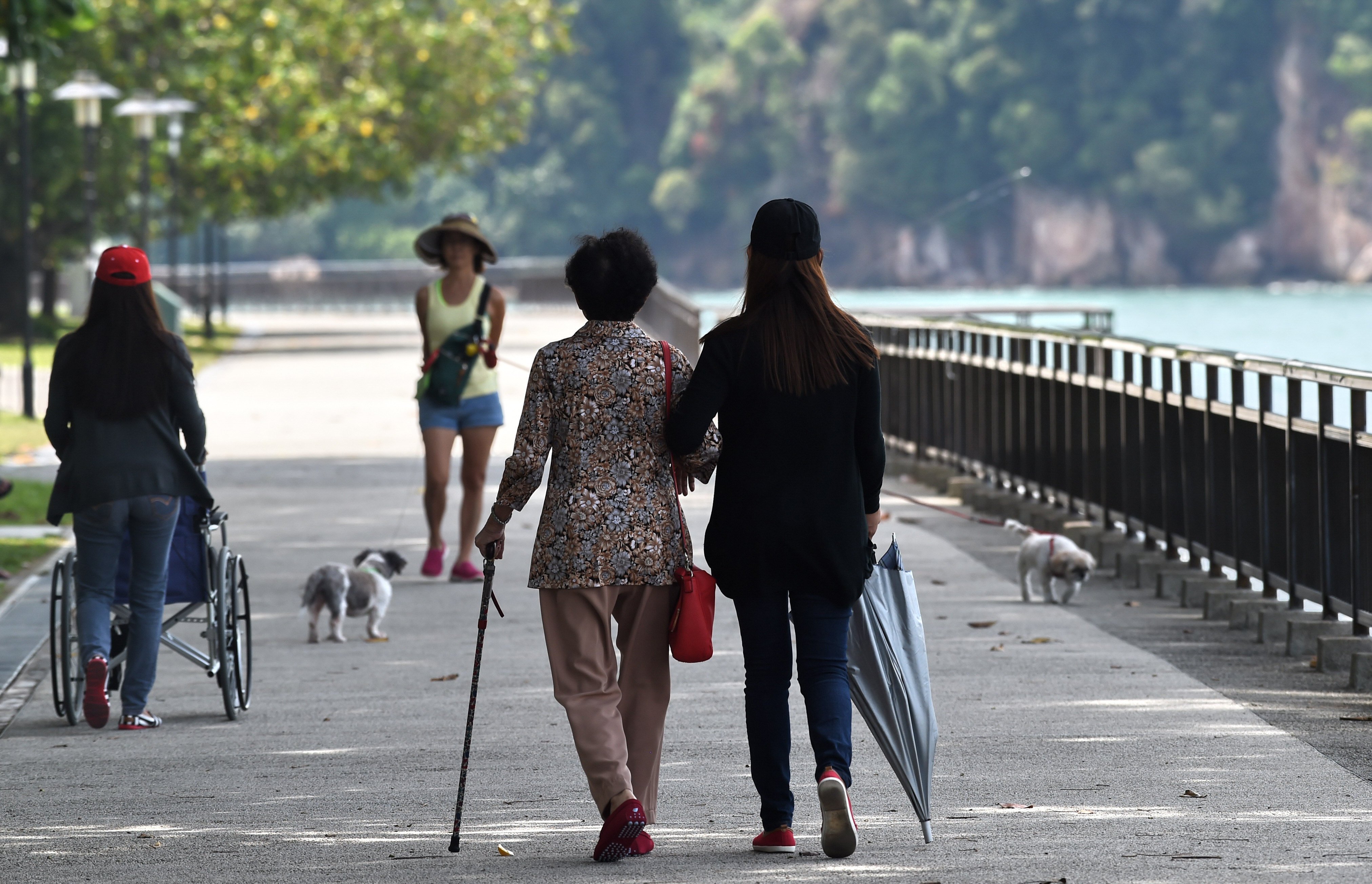

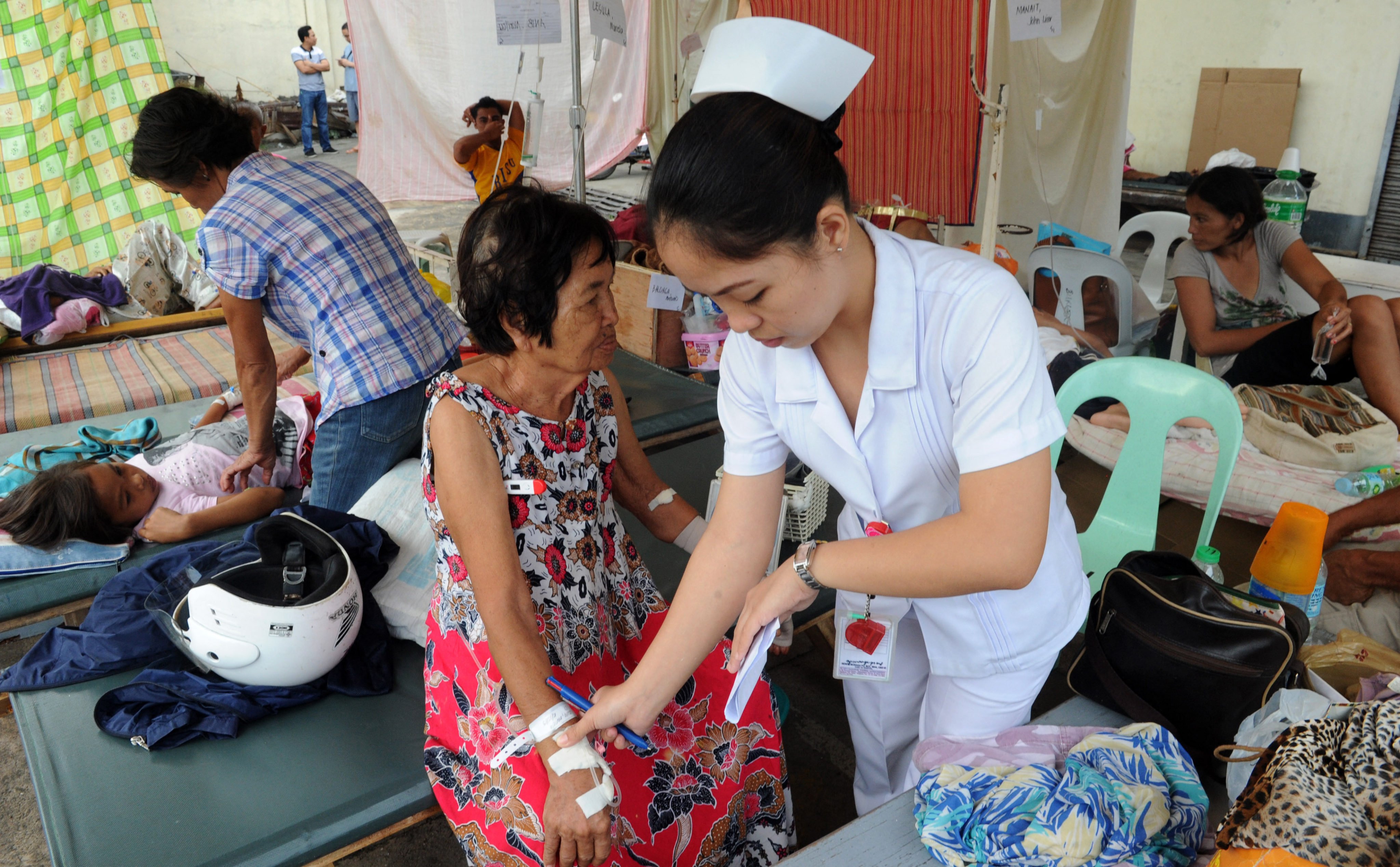
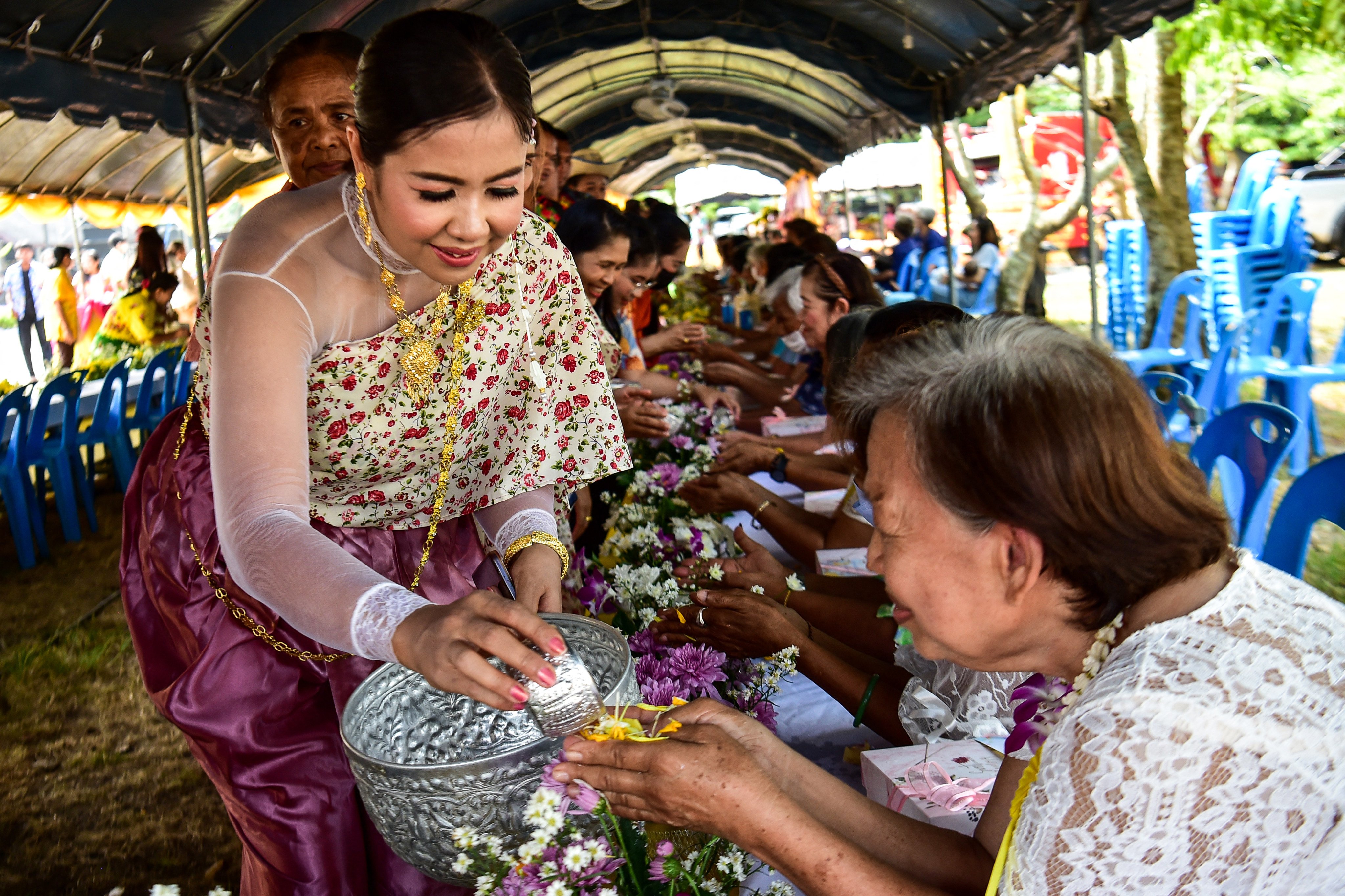
Vincent Tan Published: 8:00am, 13 Sep 2026 Bessie* left the Philippines for Malaysia more than a decade ago to care for other people’s children. She stayed to look after their parents instead.
Certified as a carer, she now freelances around Kuala Lumpur’s Klang Valley, earning up to 25 ringgit (US$6) an hour for round-the-clock shifts, with clients providing her meals, transport and housing.
“My former employer was very understanding and offered to release me earlier so I could earn a higher salary as a caregiver,” the 50-year-old said.
Her career path is, in miniature, the story of many of Southeast Asia’s carers. Malaysia is often a way station: a place to earn a certificate and some experience before moving on to better paid work, sometimes with a path to residency, in Japan, Canada or Europe.
“A lot of caregivers from the Philippines come to Malaysia or Singapore to work for a while, before they relocate,” Bessie said, adding that, unlike so many others, she planned to stay put.
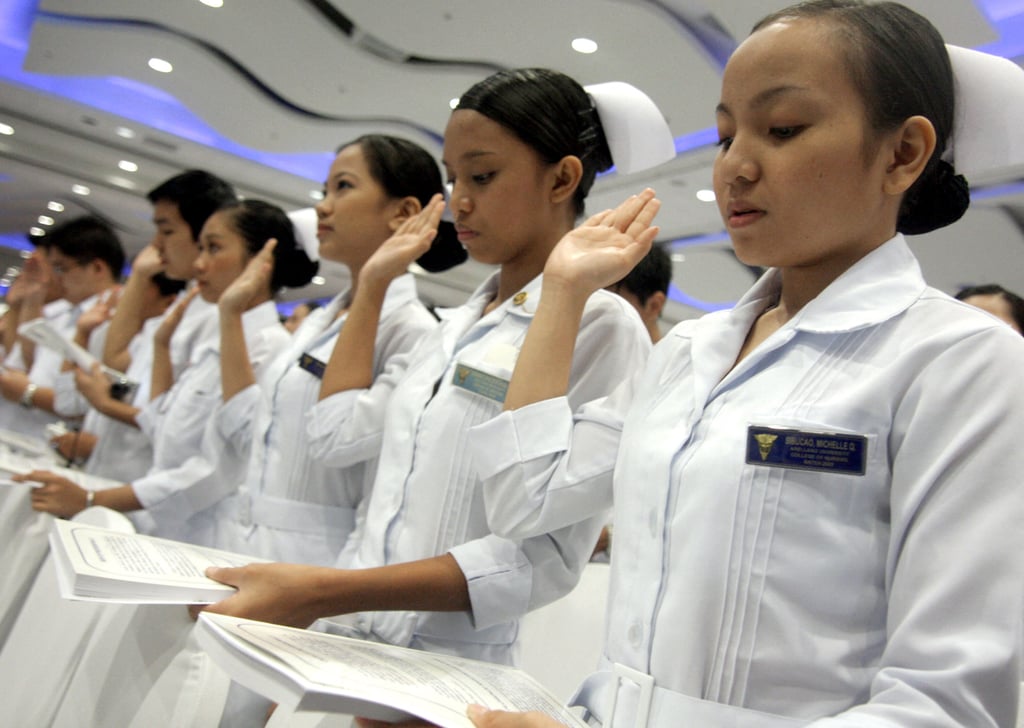
The region’s wealthier economies are now competing for a workforce that is thinning out as it moves around.
Advertisement Select Voice Select Speed 0.8x 0.9x 1.0x 1.1x 1.2x 1.5x 1.75x 00:00 00:00 1x AI-generated voice