Alligator Alcatraz held immigrants in phonebooth-sized cages to ‘manage their emotions,’ watchdog finds
Por Alex Woodward — – World RSS Feed
Alligator Alcatraz held immigrants in phonebooth-sized cages to ‘manage their emotions,’ watchdog finds
DHS Inspector General discovers bug-infested showers, cramped conditions and lack of clean water and safe food
Alex Woodward in New York Monday 14 September 2026 19:15 BST
- Bookmark
- Comments Go to comments
Bookmark popover
Removed from bookmarks
Close popover
Your support helps us to tell the story
Read more Support Now
From reproductive rights to climate change to Big Tech, The Independent is on the ground when the story is developing. Whether it’s investigating the financials of Elon Musk’s pro-Trump PAC or producing our latest documentary, ‘The A Word’, which shines a light on the American women fighting for reproductive rights, we know how important it is to parse out the facts from the messaging.
At such a critical moment in US history, we need reporters on the ground. Your donation allows us to keep sending journalists to speak to both sides of the story.
The Independent is trusted by Americans across the entire political spectrum. And unlike many other quality news outlets, we choose not to lock Americans out of our reporting and analysis with paywalls. We believe quality journalism should be available to everyone, paid for by those who can afford it.
Your support makes all the difference. Read more
Detainees at a state-run immigration detention center in the middle of the Florida Everglades were held inside phonebooth-sized cages to “reflect on their behavior choices” and “manage their emotions,” according to policy documents uncovered by a federal watchdog.
The Department of Homeland Security’s independent inspector general determined that Alligator Alcatraz failed to comply with at least six different detention standards, including basic medical care, food, hygiene and environmental health and safety.
Showers were “infested with small bugs” and detainees lacked access to safe food and clean water, with cells containing a single five-gallon water jug next to open toilets, according to the report. Detainees were given one plastic cup that they couldn’t clean throughout their stay, they said.
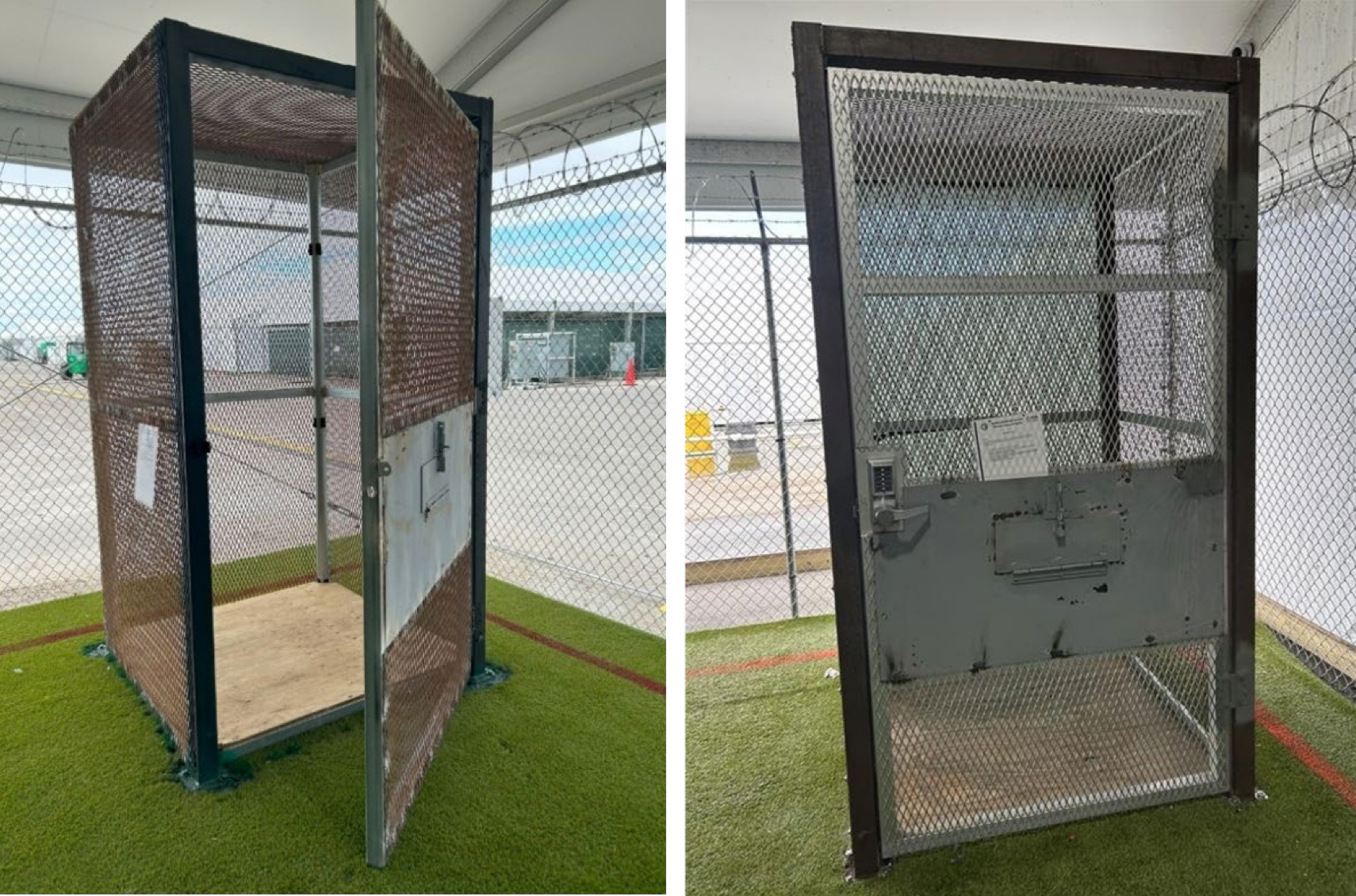
Cramped metal enclosures were used as “calming areas” that held detainees for up to two hours at a time “to reflect on their behavior choices, manage their emotions, reduce stress, and practice self-directed behavior,” according to the report, citing Homeland Security’s policy manual.
Use of those small cages “for any reason is unprecedented,” investigators wrote. “The use of such restrictive spaces is highly unconventional and does not align with standards for humane treatment,” they added.
 open image in gallery
The cage-filled detention complex, which cost more than $1 million a day to operate, was built quickly last summer to support President Donald Trump’s mass deportation campaign, as states raced to build makeshift prisons to boost detention capacity for the administration’s efforts to hold tens of thousands of people. Florida’s state-run facility lasted only a year and closed this summer before the upcoming hurricane season, despite the facility holding detainees throughout the 2025 season.
Florida spent at least $300 million on the 3,000-bed project on the site of a decommissioned airstrip roughly 40 miles west of Miami.
Hundreds of Alligator Alcatraz detainees filed federal lawsuits seeking their release, joining a massive wave of litigation against Immigration and Customs Enforcement detentions playing out in federal courtrooms across the country.
One lawsuit accused the facility of blocking detainees from legal counsel and forcing people into “overcrowded, unsanitary, and harsh conditions” with inadequate food, flood-prone cells, and “excessive use of force” from guards that sent at least one man to a hospital.
Federal investigators made an unannounced visit to the facility in January, several months before it was emptied and effectively closed.
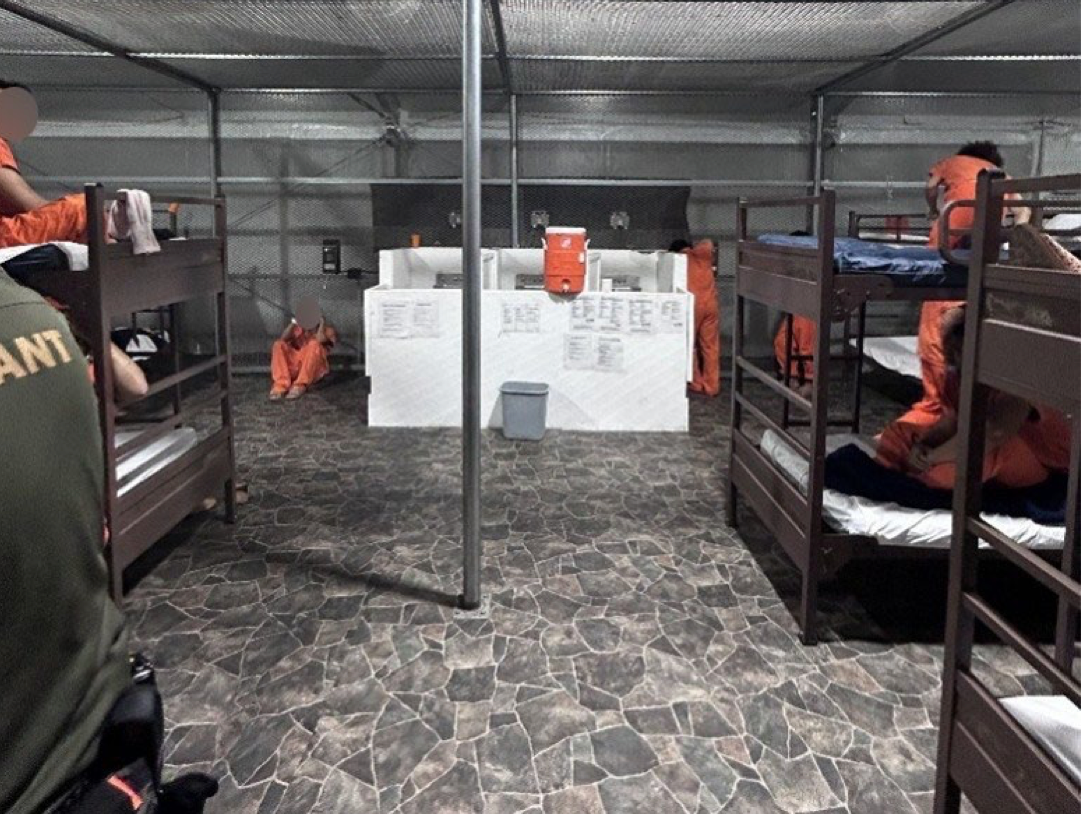
The facility “did not provide detainees with sufficient living space, creating cramped conditions for detainees who spent most of their time in their housing units, which may harm detainees’ physical and mental health,” according to the inspector general.
 open image in gallery
At least 79 detainees were held in the small metal enclosures, which confined them to roughly 18 square feet of space, between July 17, 2025, and January 18, 2026, the report found.
National standards require detainees to be given at least 75 square feet of floor space per person, but even the typical cells inside Alligator Alcatraz provided only 28 square feet per detainee, investigators discovered.
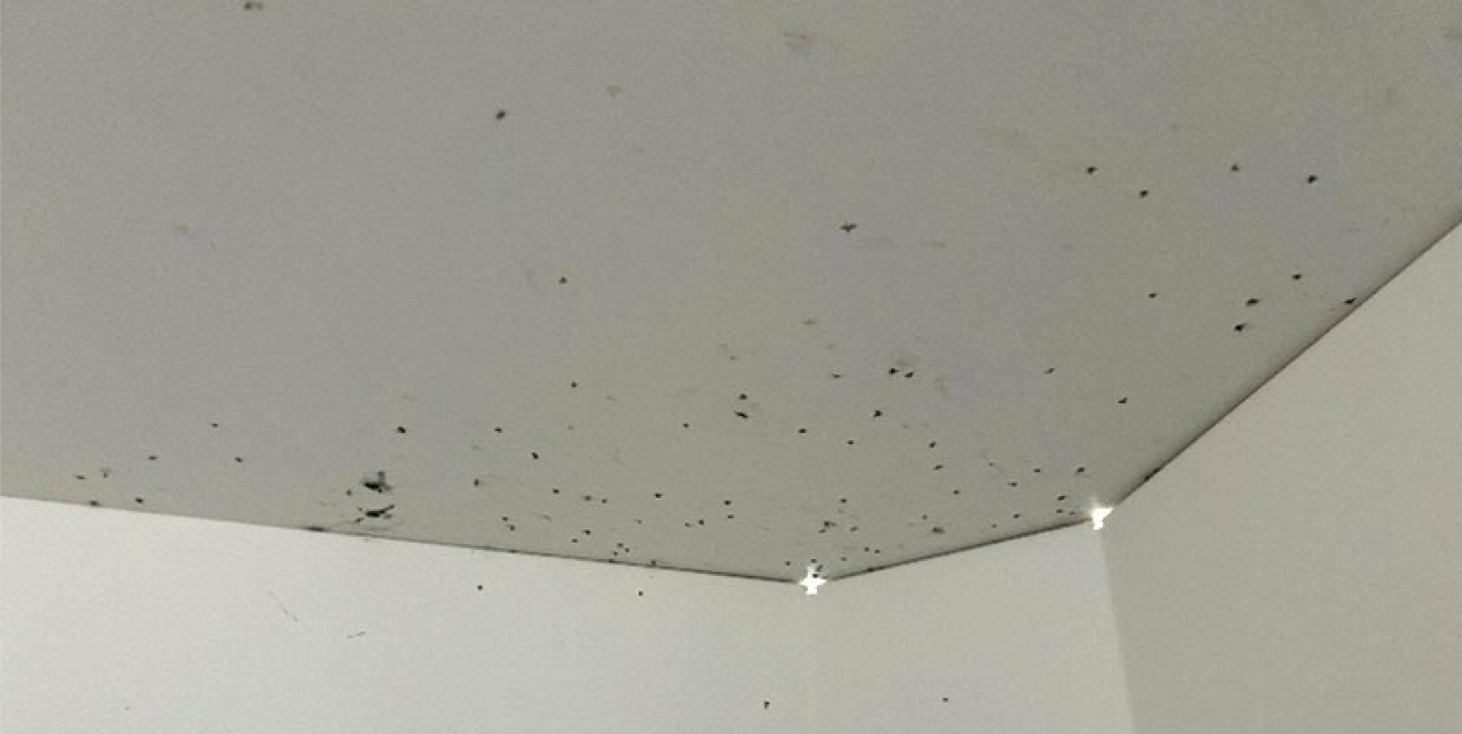
Detainees also only showered three days a week, despite federal standards requiring daily access, while “the facility’s showers were infested with small bugs, specifically on the ceilings,” according to the report.
Detainees also were offered only one hour of recreation time, three days per week, with limited access to exercise or other activities, which could negatively affect physical and mental health,” the report found.
 open image in gallery
Federal standards require access to at least one hour of recreation per day, five days per week, or a minimum of six hours per week over at least four days.
The Independent has requested comment from Homeland Security and the Florida Division of Emergency Management.
“There is no euphemism that can sanitize caging human beings. Calling a metal box a ‘calming area’ is an affront to the English language and to human dignity alike,” said Krish O’Mara Vignarajah, president of Global Refuge.
“That is not immigration enforcement. It is cruelty, carried out in our name and on our dime, to the tune of more than a million dollars a day,” she added.
The facility is still the subject of ongoing lawsuits despite closing in July.
A renewed lawsuit from environmental groups accuses the detention center of failing to perform environmental reviews or obtain permits as required by the Endangered Species Act. The site sits in the middle of the Big Cypress National Preserve, which protects ecologically sensitive wetlands and a dozen endangered and threatened species.
Last month, the groups filed an updated lawsuit accusing state and federal officials of withholding crucial information from a federal appeals court.
The lawsuit also adds new Endangered Species Act claims, while razor-wire and barbed-wire fencing and other equipment are still sitting on a site that lit up the area with industrial lighting at all hours over the last year, posing threats to wildlife, according to environmental groups.
More about
FloridaImmigration and Customs EnforcementHomeland Securityinspector generalthe EvergladesDonald TrumpTrump
Join our commenting forum
Join thought-provoking conversations, follow other Independent readers and see their replies
Most popular
Popular videos
Bulletin
Read next
Fonte: – World RSS Feed