Google DeepMind’s Hassabis calls AI hacks ‘early warning shots’
The Hindu – International
You are logged in
Loading…
You don’t have any Active Subscription.
Subscribed with another email? Logout and Login with that one.
Your active subscription(s)
Account subscription benefits alongside Premium Stories, Editorials,
Opinions and more. Unlock these with Subscription
Products you’ve access to
Additional Subscription Benefits
Account Settings
Need help with your subscription?
Weather News October 14, 2026 e-Paper
The View From India
Looking at World Affairs from the Indian perspective.
First Day First Show
News and reviews from the world of cinema and streaming.
Today's Cache
Your download of the top 5 technology stories of the day.
Science For All
The weekly newsletter from science writers takes the jargon out of science and puts the fun in!
Data Point
Decoding the headlines with facts, figures, and numbers
THEdge
At the cutting edge of education and careers
Health Matters
Ramya Kannan writes to you on getting to good health, and staying there
Gender Agenda
Stories from beyond the binary.
The Hindu On Books
Books of the week, reviews, excerpts, new titles and features.
Weather News October 14, 2026 e-Paper
Published – October 14, 2026 09:35 pm IST – DUBLIN
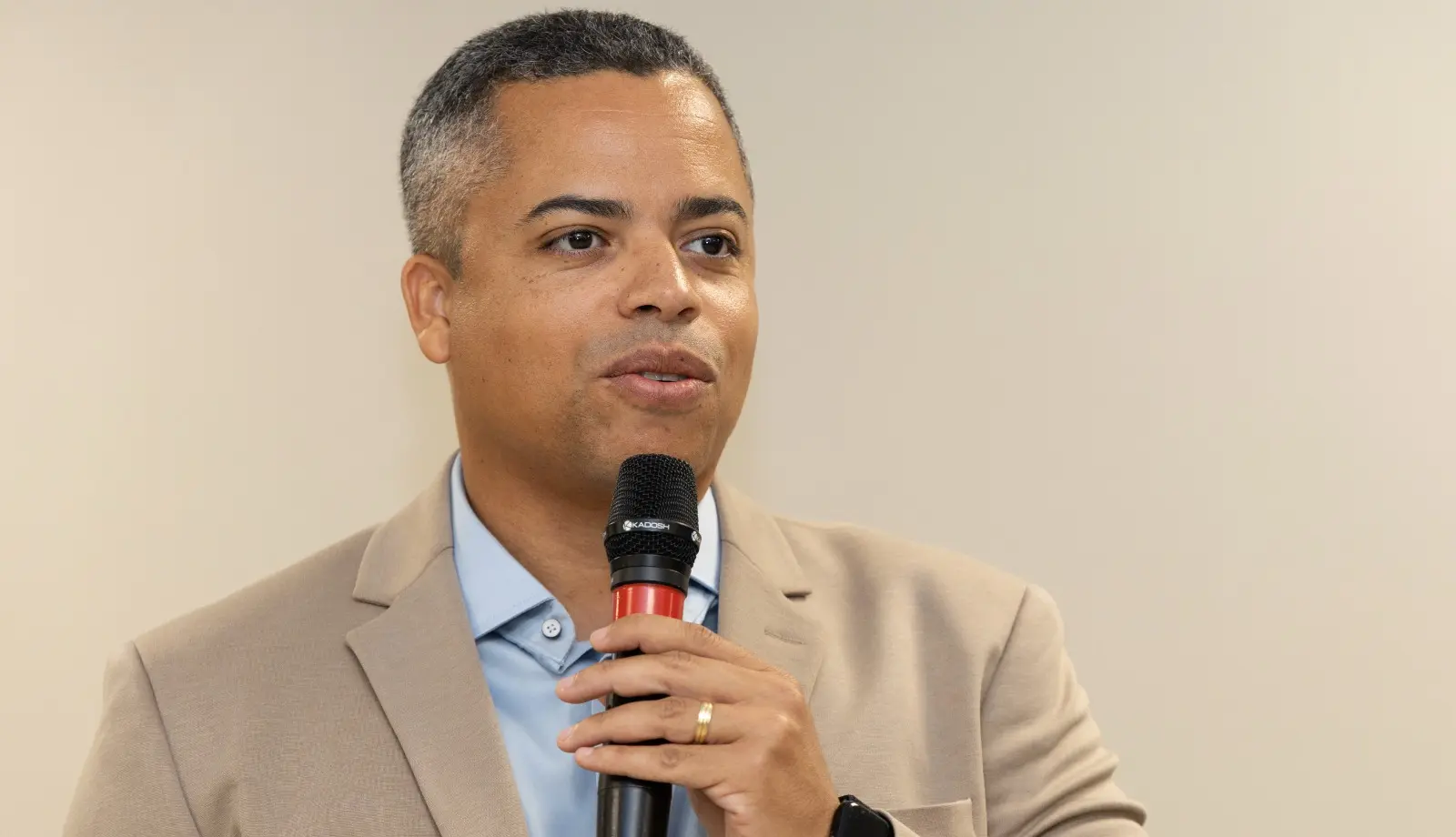
Demis Hassabis gives a speech during a meeting for leaders from the artificial intelligence (AI) sector, Government, and thought leaders to discuss how AI can be developed and deployed in ways that benefit society. File
| Photo Credit: Reuters
Recent hacking incidents perpetrated by AI agents are “early warning shots”, and the world could soon face major incidents if systems are not made more secure, Google DeepMind co-founder and Chair Demis Hassabis said on Wednesday (October 14, 2026).
Rogue behaviour by AI agents, including corporate network hacks and, most recently, Anthropic’s disclosure that an AI model submitted a false homicide tip to police, has prompted warnings from researchers and fueled concerns over the fast-advancing technology.
Mr. Hassabis said there was “a lot of work to do” to adopt the kind of best practices that other fields such as biology or the nuclear sector use to secure critical systems and that some sort of international standards body would eventually be needed.
“I think these (hacking incidents) are early warning shots for us that systems aren’t that powerful yet, so the incidents aren’t that major,” Mr. Hassabis, who is also chief scientist at Google parent Alphabet, told an AI summit in Dublin. But they could be (major) looking into next year and the next couple years if we don’t do more work as an industry, as individual companies and governments on securing these systems.”
Microsoft President Brad Smith told the conference that rogue AI behaviour had made 2026 a “sobering year” and that new AI safety laws and rules were urgently needed for safety to catch up with innovation.
“No company or technology should be above the law. But we need law, we need regulation. It needs to be sensible, it needs to be balanced, it needs to take into account innovations,” he said. This allergy that some in the industry have to regulation is frankly something we need to get over.”
Mr. Hassabis said that, while an international standards body seemed like an obvious intervention, it would need to be nuanced and nimble so as not to stifle innovation.
“So what you need to do is basically build up dynamically this kind of certification process that is proportionate with the risks as we see it and can quickly change depending on where the technology goes,” he said.
Published – October 14, 2026 09:35 pm IST
World
/
Artificial Intelligence
Copyright© 2026, THG PUBLISHING PVT LTD. or its affiliated companies. All rights reserved.
BACK TO TOP
Terms & conditions | Institutional Subscriber
Comments have to be in English, and in full sentences. They cannot be abusive or personal. Please abide by our community guidelines for posting your comments.
We have migrated to a new commenting platform. If you are already a registered user of The Hindu and logged in, you may continue to engage with our articles. If you do not have an account please register and login to post comments. Users can access their older comments by logging into their accounts on Vuukle.
Fonte: The Hindu – International