Sexually transmitted diarrhea cases soaring in US — and its growing resistant to medicine
Por Julia Musto — – World RSS Feed
The Independent’s journalism is supported by our readers. When you purchase through links on our site, we may earn commission.
Sexually transmitted diarrhea cases soaring in US — and its growing resistant to medicine
There are 450,000 infections each year in the US including 240,000 cases that do not respond to regular treatment
Julia Musto in New York Friday 09 October 2026 14:56 BST
- Bookmark
- Comments Go to comments
Bookmark popover
Removed from bookmarks
Close popover


Become an Independent member to bookmark this article
Want to bookmark your favourite articles and stories to read or reference later? Start your Independent Membership today.
Already a member?
Log in
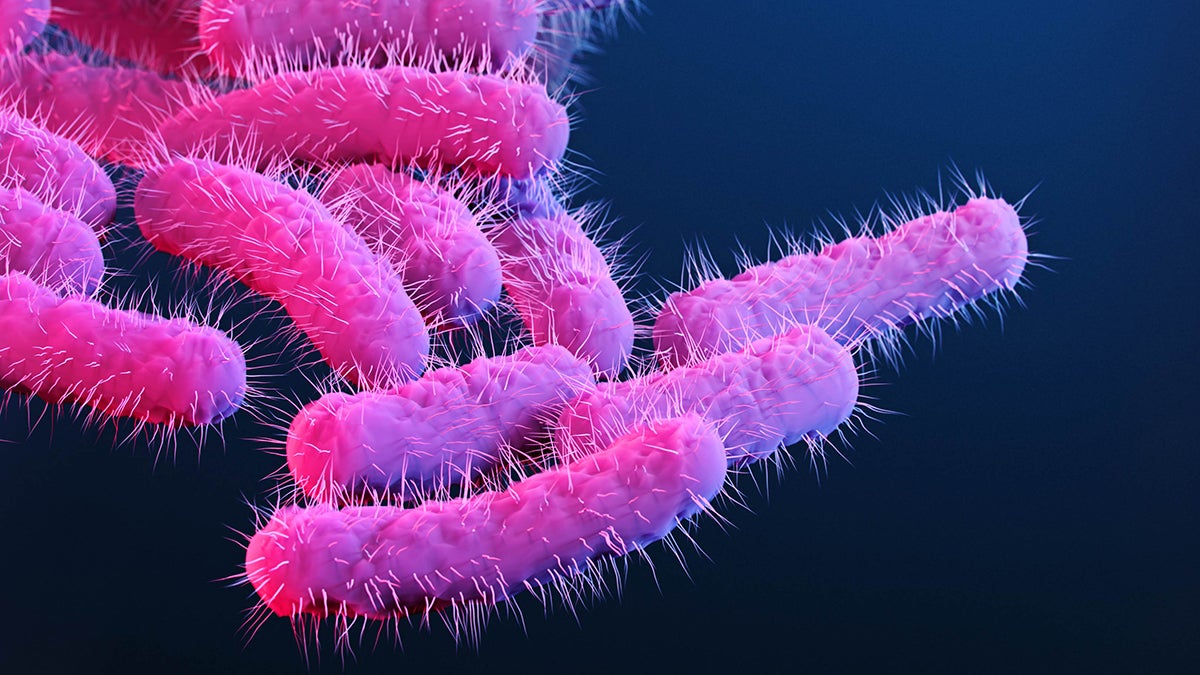
Cases of the highly contagious and often drug-resistant bacterial disease, Shigella, are rising across the U.S., with dozens of doctors issuing warnings.
Shigella infections, known as shigellosis, can cause bloody diarrhea, dysentery, fever, vomiting, dehydration, stomach cramps, seizures, blood infections and in rare cases, death.
Experts have long been aware that drug-resistant strains of Shigella disproportionately cause severe illness in children under the age of 5. But doctors from health departments across the U.S. announced in April that white men are now the most susceptible to infections from drug resistant Shigella.
That findings could change the way hospitals respond to the pervasive illness, the doctors noted in a federal report.
There are 450,000 Shigella cases and 38 deaths each year in the U.S., according to the medical Merck Manuals textbook. A Louisiana child was diagnosed with Shigella after swimming in a lake last month, according to KALB.
.jpg) open image in gallery
open image in galleryThe majority of people recover by drinking water and the electrolyte-rich drink Pedialyte, according to the Mayo Clinic.
But serious infections, which can last for months, may require antibiotics to reduce the severity and length of symptoms. That can be a problem for the 242,000 people who have drug resistant strains of Shigella each year, per CDC data. Options for treating drug resistant strains are limited to just a couple of drugs, such as ceftriaxone and pivmecillinam.
The federal report also notes that there has been higher transmission of an “excessively drug resistant” strain over the last decade, for which there is no government-approved oral antibiotic. It remains unclear how many of the annual drug-resistant infections are due to the excessive strain.
“The high transmission potential of XDR Shigella strains highlights the importance of susceptibility testing and timely reporting of this nationally notifiable disease for prevention,” the doctors wrote.
There are currently no vaccines available to treat infections, but a candidate provided high-level protection among U.S. adults in a two week clinical trial, researchers said in July.
 open image in gallery
The key to staying safe is remaining aware and taking steps to prevent possible infections, the clinic says. Shigella spreads from person to person by touching or swallowing things infected by the bacteria. Exposure can occur when you touch your mouth or consume tainted food or drinks.
The bacteria also spreads during sexual contact that involves the anus, putting men who have sex with men at a higher risk of infection.
People who are homeless and have reduced access to clean water and toilets are also at a higher risk.
A few simple steps can prevent illness. Wash your hands with soap and water for at least 20 seconds before you eat, engage in sexual activity or change a diaper, according to the clinic. Avoiding sexual contact for at least two weeks with anyone who has diarrhea or who recently recovered from diarrhea is also advised.
More about
USinfectionBacteriacasesCDCCenters for Disease Control and Prevention
Join our commenting forum
Join thought-provoking conversations, follow other Independent readers and see their replies
Most popular
Popular videos
Bulletin
Read next
Fonte: – World RSS Feed