US bans $1 billion of Canadian imports. Here’s what you won’t see on shelves anymore
Por Paul Wiseman — – World RSS Feed
US bans $1 billion of Canadian imports. Here’s what you won’t see on shelves anymore
U.S.-Canada relations, already tense, are likely to deteriorate further after the United States went ahead early Tuesday with a decision to ban nearly $1 billion worth of Canadian imports
Paul Wiseman Tuesday 29 September 2026 11:04 BST
- Bookmark
- Comments Go to comments
Bookmark popover
Removed from bookmarks
Close popover

Become an Independent member to bookmark this article
Want to bookmark your favourite articles and stories to read or reference later? Start your Independent Membership today.
Already a member?
Log in
Your support helps us to tell the story
Read more Support Now
From reproductive rights to climate change to Big Tech, The Independent is on the ground when the story is developing. Whether it’s investigating the financials of Elon Musk’s pro-Trump PAC or producing our latest documentary, ‘The A Word’, which shines a light on the American women fighting for reproductive rights, we know how important it is to parse out the facts from the messaging.
At such a critical moment in US history, we need reporters on the ground. Your donation allows us to keep sending journalists to speak to both sides of the story.
The Independent is trusted by Americans across the entire political spectrum. And unlike many other quality news outlets, we choose not to lock Americans out of our reporting and analysis with paywalls. We believe quality journalism should be available to everyone, paid for by those who can afford it.
Your support makes all the difference. Read more
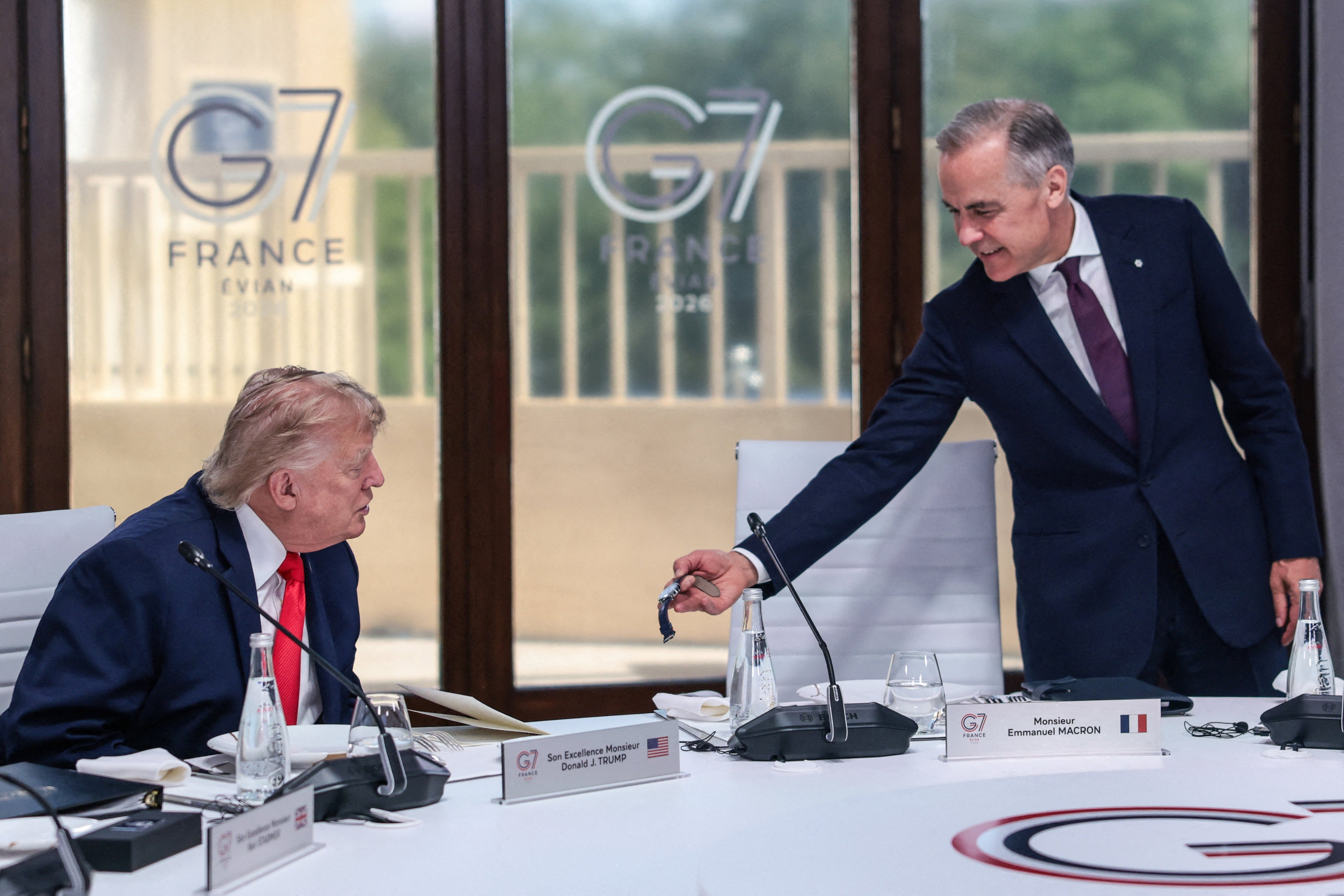
Already strained relations between the United States and Canada are set to worsen after Washington decided early Tuesday to prohibit roughly $1 billion in Canadian goods, targeting dairy items, motorcycles, and alcoholic drinks.
While representing only a small fraction of the $880 billion in annual cross-border commerce between the two allies, the move signals a fresh escalation in President Donald Trump’s second-term trade dispute with the neighboring nation.
Patrick Childress, a partner at Holland & Knight and former U.S. trade official, remarked that the import prohibition “certainly won’t do anything to help the trade tensions between the United States and Canada.’’
 open image in gallery
The current friction intensified during the summer after Trump invoked a Great Depression-era statute to apply 50% tariffs on roughly $20 billion of Canadian products, alleging unfair Canadian treatment of American alcoholic beverage, auto, and dairy producers. Ottawa quickly responded by levying matching tariffs ranging from 15% to 50% on U.S. imports.
In retaliation for Canada’s counter-tariffs, Trump imposed the product prohibition, which came into effect at 12:01 a.m. Eastern time on Tuesday.
Analysts expect the direct financial fallout to remain limited, as the affected items were already subject to heavy duties. “For a lot of these goods, the 50% was already acting as a de facto ban by making importation from Canada into the United States uneconomical,″ Childress explained.
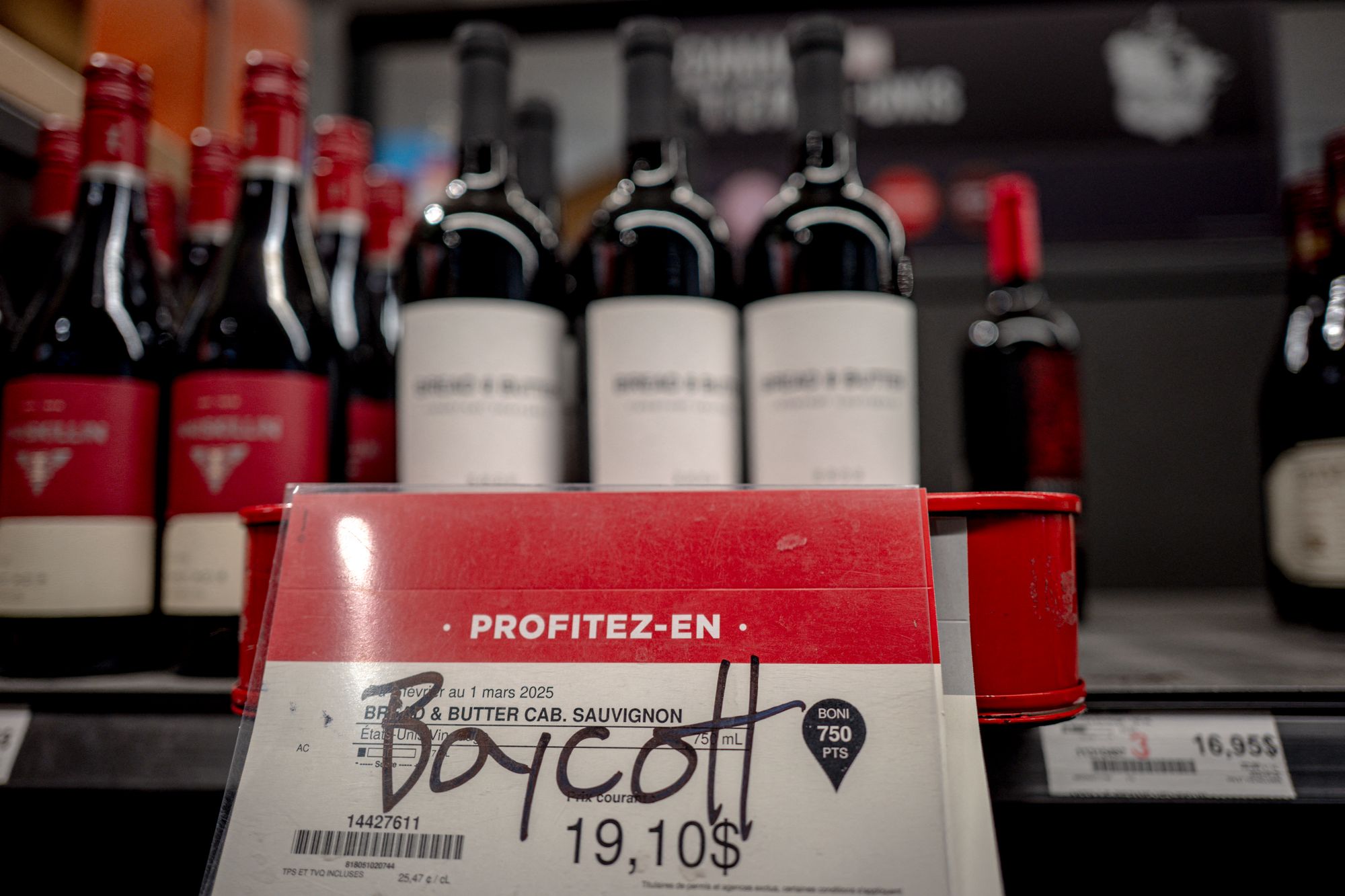
According to Jacob Jensen, trade policy director at the American Action Forum think tank, 2025 projections indicate the measure applies to $967 million in Canadian exports. About 87% of that total consists of alcoholic beverages—a sector singled out by Washington after several Canadian provinces pulled American liquor from retail shelves in reaction to Trump’s earlier moves.
 open image in gallery
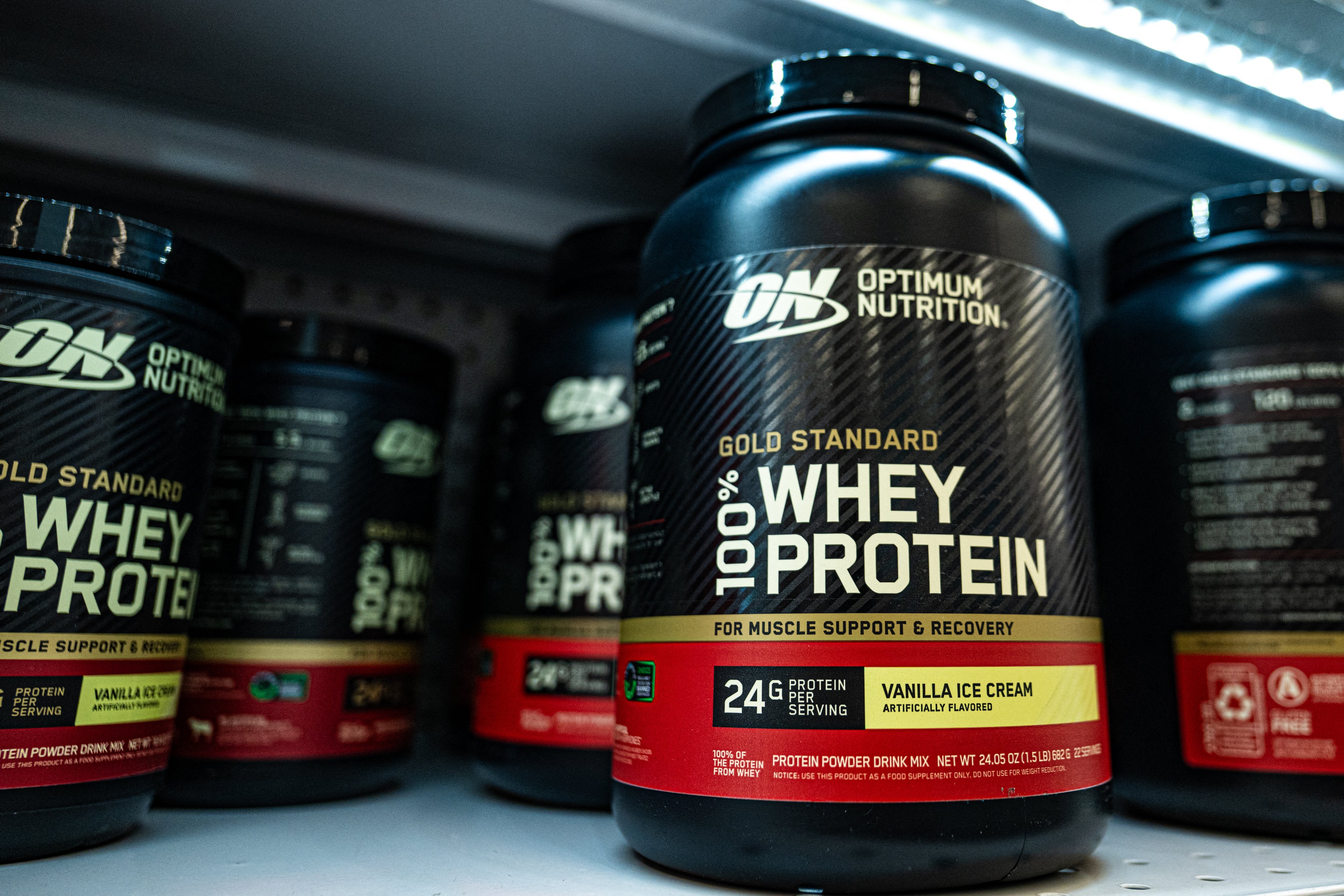
The ban also includes certain dairy goods, such as the byproduct whey. Dairy access has long been a point of contention, driven by Ottawa’s practice of imposing steep tariffs on imports that exceed established quota limits to shield domestic farmers.
Motorcycles are affected as well. Quebec-based Bombardier Recreational Products (BRP) acknowledged that its Can-Am Spyder and Canyon three-wheel models “will be excluded from importation into the U.S.’’ However, the company noted that because most shipments for the present season are already complete, significant fallout will not occur until next year.
“This marks yet another escalation in the trade war that may result in further retaliation on the Canadian side,” Jensen observed, anticipating that businesses “impacted by these bans will be highly motivated’’ to push negotiators toward a “resolution of this whole ordeal.’’
The ongoing feud threatens upcoming talks to renegotiate the U.S.-Mexico-Canada Agreement. Trump previously coerced neighboring nations into adopting the trilateral pact during his first term, calling it “the most modern, up-to-date, and balanced trade agreement in the history of our country.’’
Although the accord permitted duty-free movement for most goods, Trump’s imposition of various import duties since returning to office last year has cast uncertainty over regional commerce.
 open image in gallery
Much of Trump’s pressure has focused specifically on Canada, as he attempts to lure manufacturing operations south of the border. He has also stirred outrage among Canadians by repeatedly proposing that their country become the 51st American state.
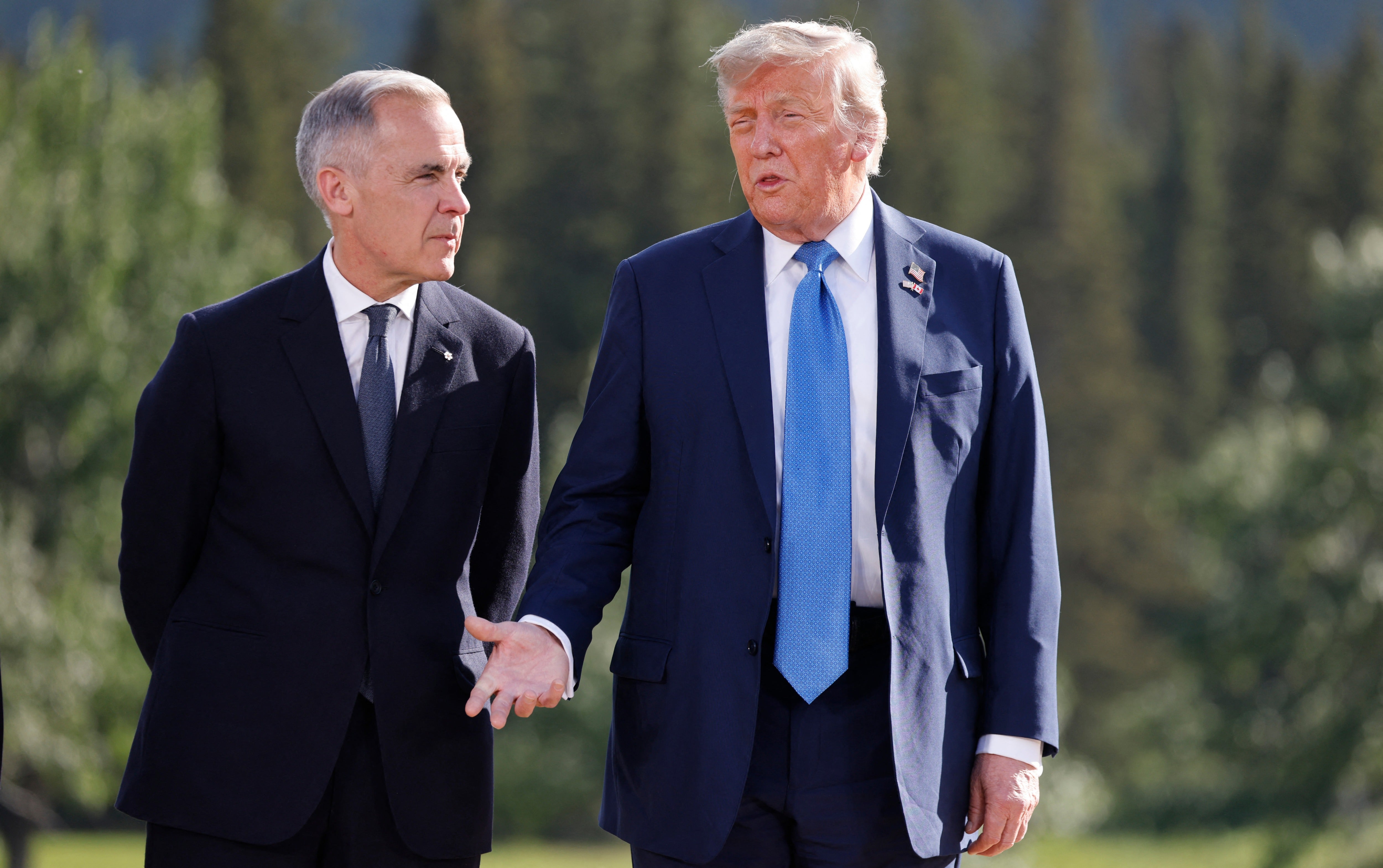
Canadian Prime Minister Mark Carney won office last year pledging to resist Trump’s demands. Alongside introducing reciprocal tariffs—making Canada one of only two nations, along with China, to respond in kind—Carney aims to diversify trade away from the U.S., which previously received over 70% of Canadian exports.
“There is now a price to be paid for access to the United States market,” Carney stated earlier this month, outlining a target to double non-U.S. commerce within ten years. The Canadian prime minister has also expressed interest in making Canada the European Union’s initial associate member.
He also announced last week that bilateral trade discussions with India are showing “good progress,” with both governments seeking to finalize an agreement before the mid-December G20 summit.
Earlier this year, Carney further diverged from Washington by reaching a compromise with Beijing that admitted a set allocation of Chinese electric vehicles at reduced duty rates in return for lowered Chinese tariffs on Canadian canola.
 open image in gallery
Addressing the latest sanctions, Gabriel Brunet, speaking for Canada-U.S. Trade Minister Dominic LeBlanc, stated: “We take note of the coming into force of the Administration’s previously announced trade measures. Our first priority remains on protecting and supporting Canadian workers, farmers, families, and businesses from these unjustified actions. Our core focus is on what we can control: building strength at home, diversifying our partnerships abroad, and building Canada strong for all Canadians.”
Trump maintained that Canadian leadership would ultimately yield. “They’re gonna come in and they’re gonna say, ‘Sir, we are sorry,’” he told reporters on Monday. “They’ve treated the United States very, very badly. I think a deal will be made but it’s gonna be fair.”
Childress predicted the confrontation could last months rather than weeks, adding that existing tariffs and import bans “probably won’t cause enough economic upheaval to force either party back to the negotiating table.”
More about
Donald TrumpMark CarneyCanadaGreat DepressionQuebecEuropean Union
Join our commenting forum
Join thought-provoking conversations, follow other Independent readers and see their replies
Most popular
Popular videos
Bulletin
Read next
Fonte: – World RSS Feed