How China is seeking to transform the meaning of great power
Por Regina Ip — South China Morning Post – News feed
Advertisement Diplomacy Opinion China Opinion
Opinion Regina Ip How China is seeking to transform the meaning of great power
By promoting a more just world order, Beijing hopes to exercise influence without making domination the organising principle of international relations
3 -MIN READ 3 -MIN
Regina Ip Regina Ip Lau Suk-yee is convenor of the Executive Council and chairwoman of the New People’s Party. Published: 5:30am, 27 Sep 2026
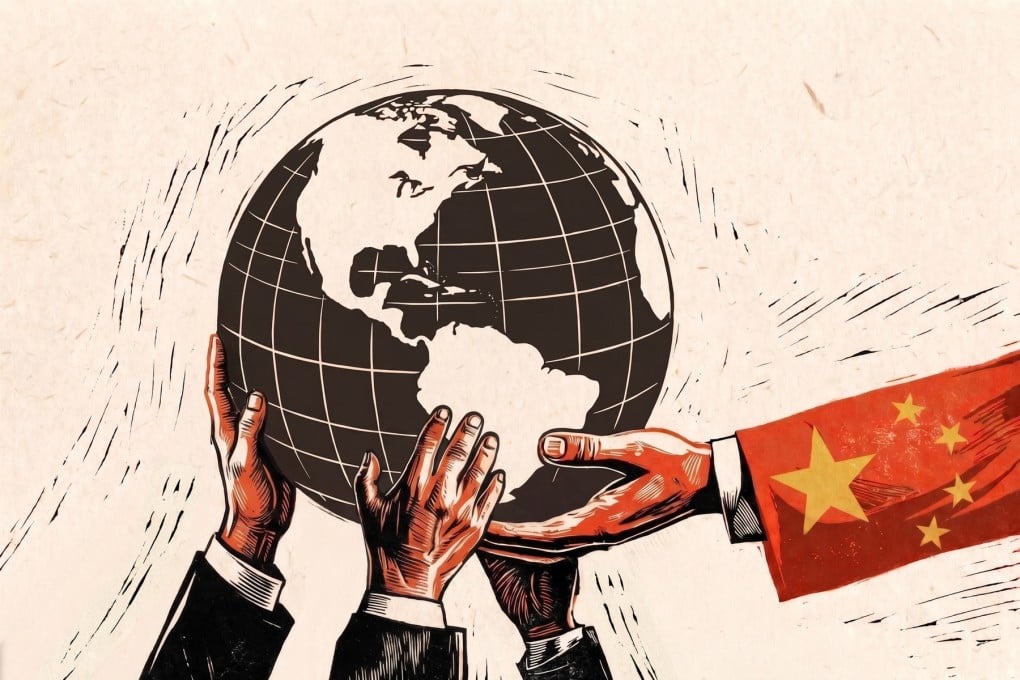
As China has emerged as a peer competitor to the United States in many areas, an increasingly familiar question is whether it has become a superpower. The question, however, may rest on a definition of power that belongs to another era.
China possesses many attributes traditionally associated with great powers: a large population, vast territory, a major economy, advanced technological capabilities and growing military strength. Yet Beijing describes China as a “major country” rather than a “great power” or “superpower”. Its white paper on global governance, for example, presents China as a major country advocating a more just and equitable international order.
It reflects a different conception of what power is for, and perhaps what constitutes responsible power in the 21st century.
The term “superpower” dates from the second world war. In his 1944 book The Super-Powers: The United States, Britain, and the Soviet Union – Their Responsibility for Peace, American political scientist William T.R. Fox identified the three as a new category of states whose military and geopolitical capabilities gave them an exceptional role in shaping the post-war order.
Select Voice Select Speed 0.8x 0.9x 1.0x 1.1x 1.2x 1.5x 1.75x 00:00 00:00 1x AI-generated voice