Trump admin will spend $2 billion to boost power grid amid electricity bill and data center fury
Por Matthew Daly and Marc Levy — – World RSS Feed
Trump admin will spend $2 billion to boost power grid amid electricity bill and data center fury
The upgrades could improve power reliability and lower electricity costs for about 100 million Americans, officials said
Matthew Daly & Marc Levy Thursday 24 September 2026 15:55 BST
- Bookmark
Bookmark popover
Removed from bookmarks
Close popover
 open image in gallery
Become an Independent member to bookmark this article
Want to bookmark your favourite articles and stories to read or reference later? Start your Independent Membership today.
Already a member?
Log in
Your support helps us to tell the story
Read more Support Now
From reproductive rights to climate change to Big Tech, The Independent is on the ground when the story is developing. Whether it’s investigating the financials of Elon Musk’s pro-Trump PAC or producing our latest documentary, ‘The A Word’, which shines a light on the American women fighting for reproductive rights, we know how important it is to parse out the facts from the messaging.
At such a critical moment in US history, we need reporters on the ground. Your donation allows us to keep sending journalists to speak to both sides of the story.
The Independent is trusted by Americans across the entire political spectrum. And unlike many other quality news outlets, we choose not to lock Americans out of our reporting and analysis with paywalls. We believe quality journalism should be available to everyone, paid for by those who can afford it.
Your support makes all the difference. Read more
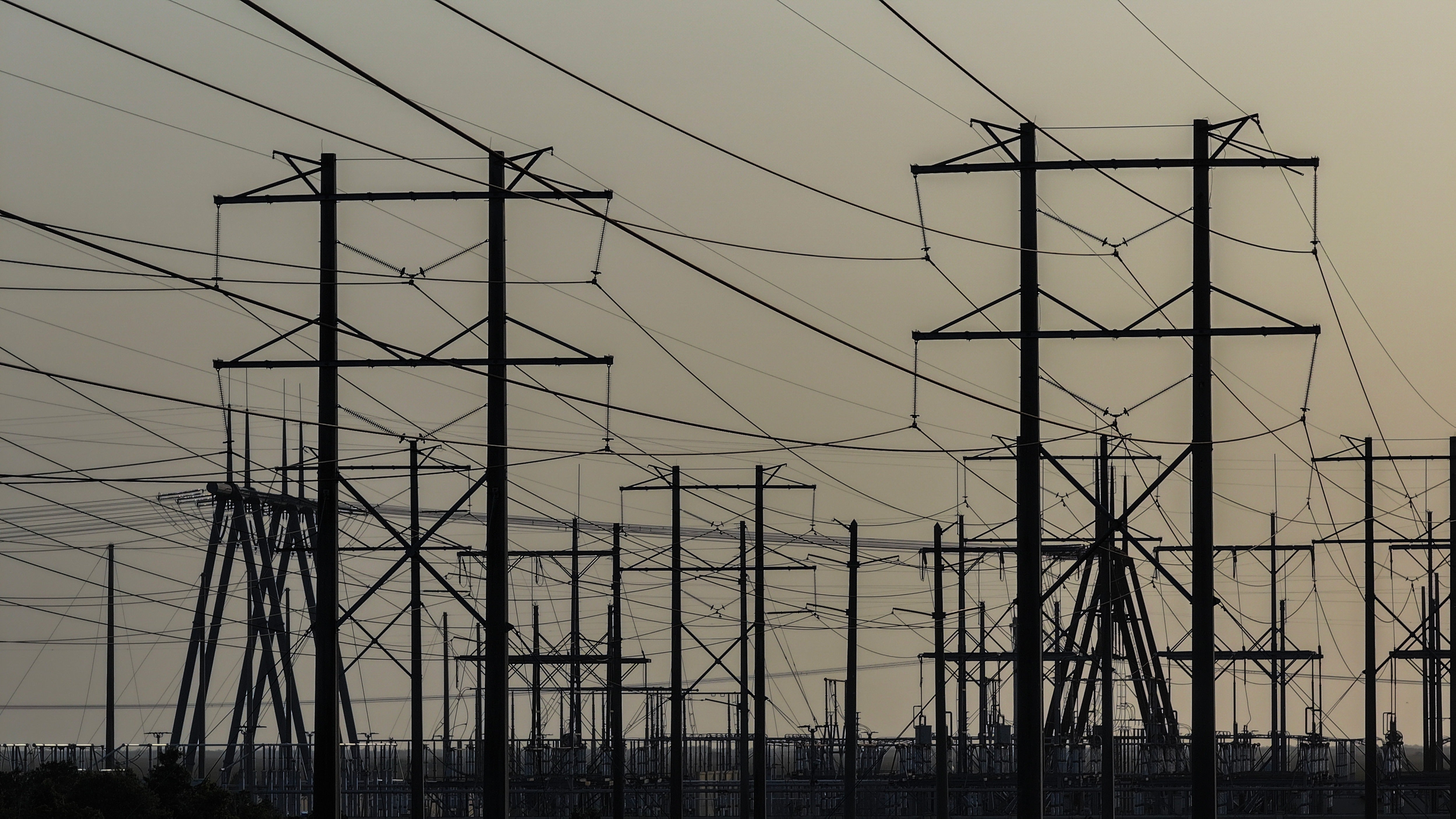
The Trump administration is set to announce a nearly $2 billion investment to try and squeeze more electricity out of the nation’s aging and stressed power grid.
The new initiative comes as the United States steps up efforts to avoid blackouts amid skyrocketing energy demand spurred by artificial intelligence.
Distributed across 31 separate initiatives in 26 states, the funding aims to generate over 23 gigawatts of supplemental grid capacity—a supply capable of supporting 16 million residences. The projects will use new technologies such as sensors and other devices to measure real-time weather conditions to ensure safe transmission or direct power away from congested or overloaded paths, according to the Energy Department.
Officials say the infrastructure upgrades could strengthen grid resilience and reduce power costs for roughly 100 million citizens.
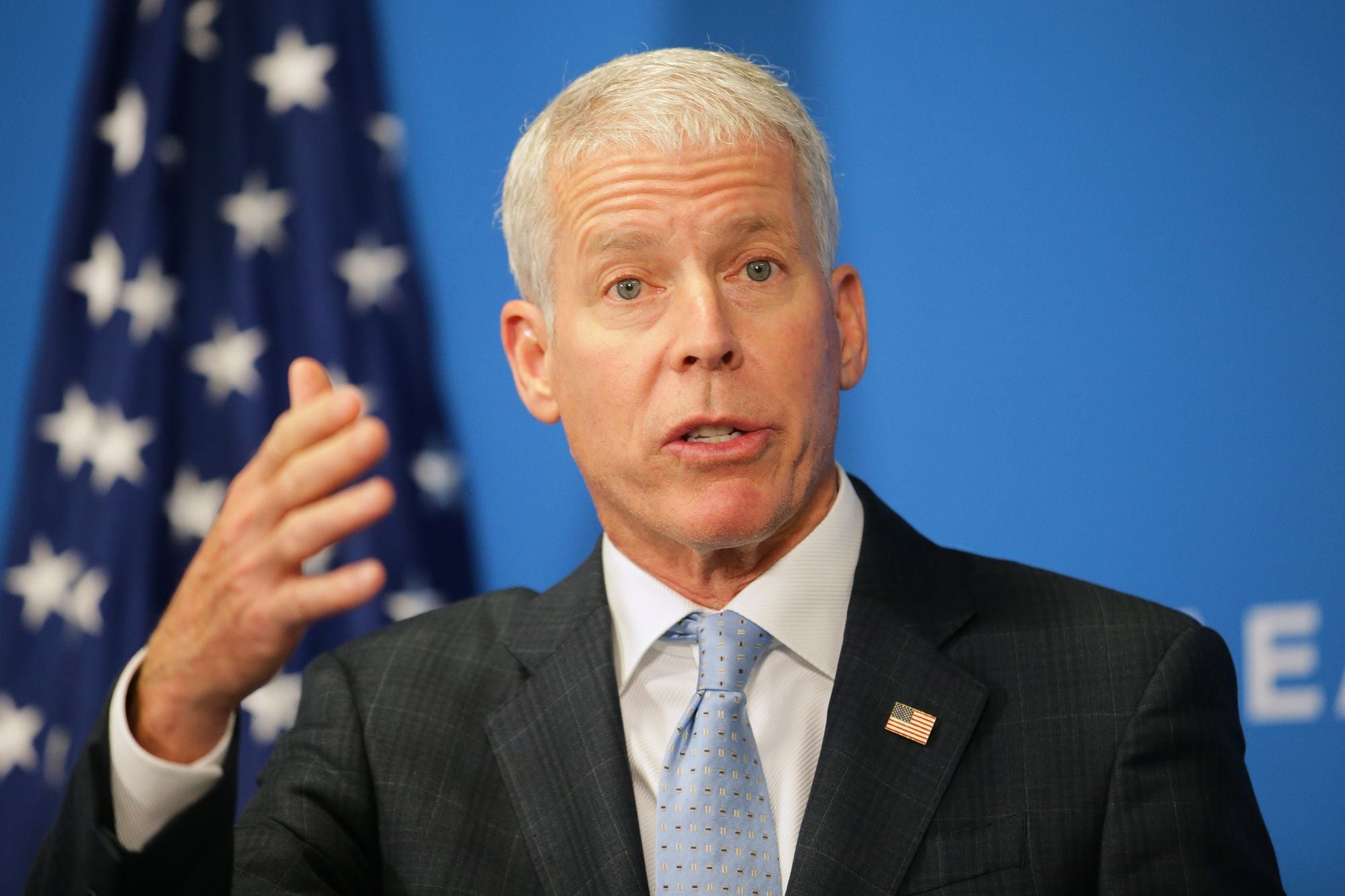
“These investments will get more out of the infrastructure we already have, move more electricity across the grid, and help deliver affordable, reliable and secure power that will fuel American prosperity for decades to come,” Energy Secretary Chris Wright said in a statement.
 open image in gallery
Details of the initiative were acquired by The Associated Press prior to an official presentation by Wright scheduled for Thursday in Allentown, Pennsylvania.
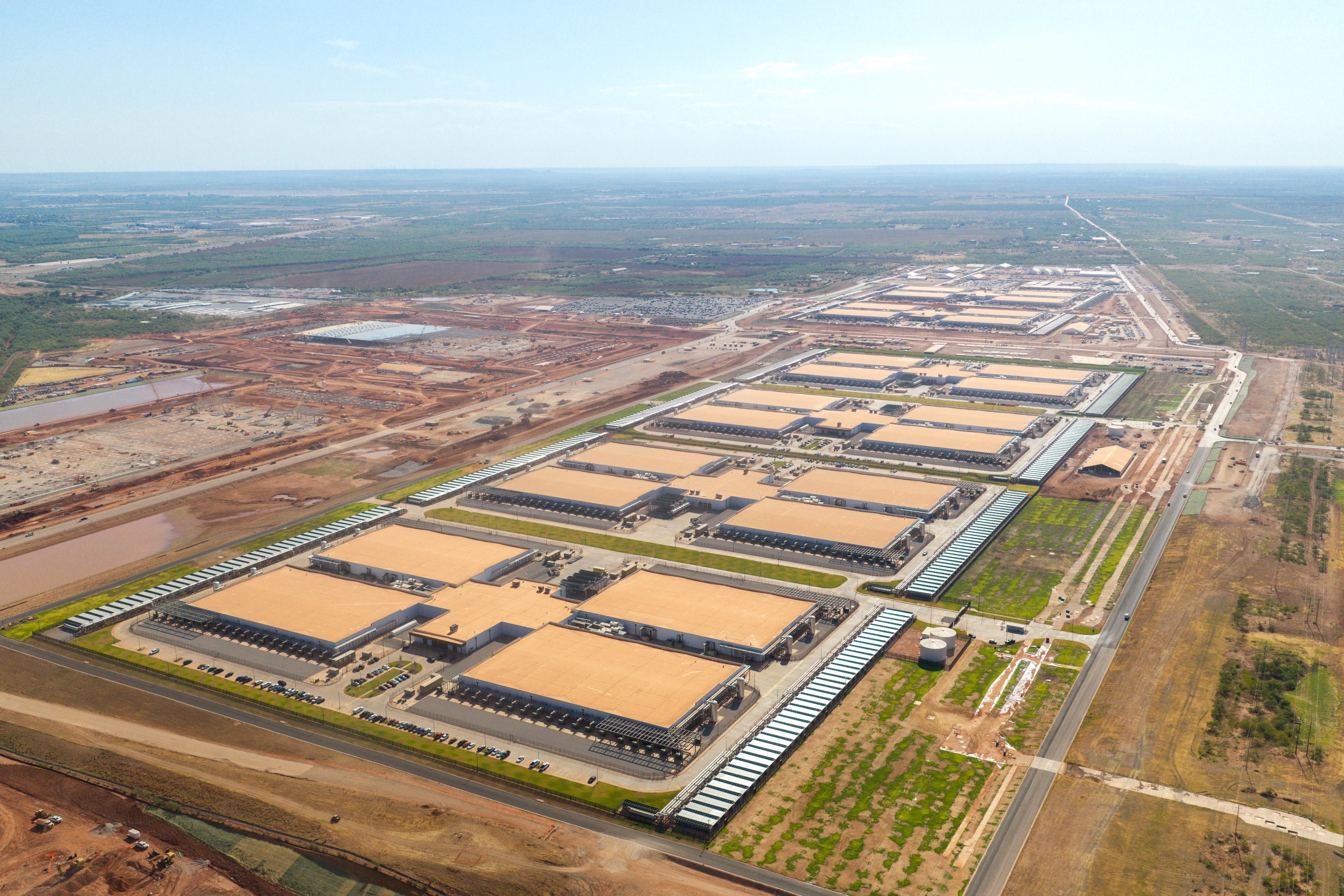
The plan arrives alongside mounting concerns over AI’s massive consumption of energy, which risks straining national capacity as energy-intensive data hubs open far quicker than new generation facilities can be constructed. Concurrently, household electricity rates in several regions are outpacing inflation, a trend linked by observers to the expansion of data facilities.
Widespread local resistance against data center developments has hindered major technology firms while becoming a focal point in upcoming political contests.
Despite pushback from local groups and lawmakers on both sides of the aisle, President Donald Trump remains supportive of the sector. The Republican figure stated last month that areas lacking data centers would “end up being backwards and poor.”
 open image in gallery
Federal and state lawmakers are currently encouraging regulatory bodies to mandate efficiency-enhancing grid hardware, enabling utility firms to integrate new customers without building extra power generation.
Yet industry observers highlight that power providers—whose financial valuations have climbed during the tech-driven boom—frequently resist efficiency upgrades, as constructing costlier power plants and extensive hardware yields higher profit margins over longer periods.
The department confirmed that Thursday’s grants will fund physical upgrades covering more than 1,500 miles (2,400 kilometers) of power lines, alongside technological updates across almost 21,000 miles (34,000 kilometers).
Selection criteria favored fast-to-deploy proposals, officials explained. Funding originates from the bipartisan infrastructure legislation passed during the administration of then-President Joe Biden, a Democrat. Federal contributions totaling $1.9 billion will be paired with $3.35 billion in matching capital from project recipients.
 open image in gallery
Broadly, Trump has pledged to “unleash” American energy production, intending to expand oil and gas extraction, loosen environmental regulations governing power plants, and extend the operational life of aging coal facilities.
Furthermore, his officials have facilitated connections between tech enterprise facilities and power infrastructure, even exploring plans to redevelop legacy nuclear enrichment sites into combined data and energy complexes.
Earlier this summer, Trump’s Environmental Protection Agency introduced proposals that would restrict public transparency and feedback regarding future artificial intelligence data hubs.
More about
Most popular
Popular videos
Bulletin
Read next
Fonte: – World RSS Feed