Oil prices rise by almost 3% after new strikes on Saudi Arabia
Por Amanda Cooper — – World RSS Feed
Oil prices rise by almost 3% after new strikes on Saudi Arabia
Global stocks fell on Monday as investors were unnerved by another surge in the oil price ahead of likely interest-rate hikes in the United States and Japan this week
Amanda Cooper Monday 14 September 2026 10:48 BST
- Bookmark
- Comments Go to comments
Bookmark popover
Removed from bookmarks
Close popover
Your support helps us to tell the story
Read more Support Now
From reproductive rights to climate change to Big Tech, The Independent is on the ground when the story is developing. Whether it’s investigating the financials of Elon Musk’s pro-Trump PAC or producing our latest documentary, ‘The A Word’, which shines a light on the American women fighting for reproductive rights, we know how important it is to parse out the facts from the messaging.
At such a critical moment in US history, we need reporters on the ground. Your donation allows us to keep sending journalists to speak to both sides of the story.
The Independent is trusted by Americans across the entire political spectrum. And unlike many other quality news outlets, we choose not to lock Americans out of our reporting and analysis with paywalls. We believe quality journalism should be available to everyone, paid for by those who can afford it.
Your support makes all the difference. Read more
Global stock markets slipped on Monday as a sharp drop in technology equities and rising crude prices rattled investors ahead of anticipated interest-rate increases in the United States and Japan this week.
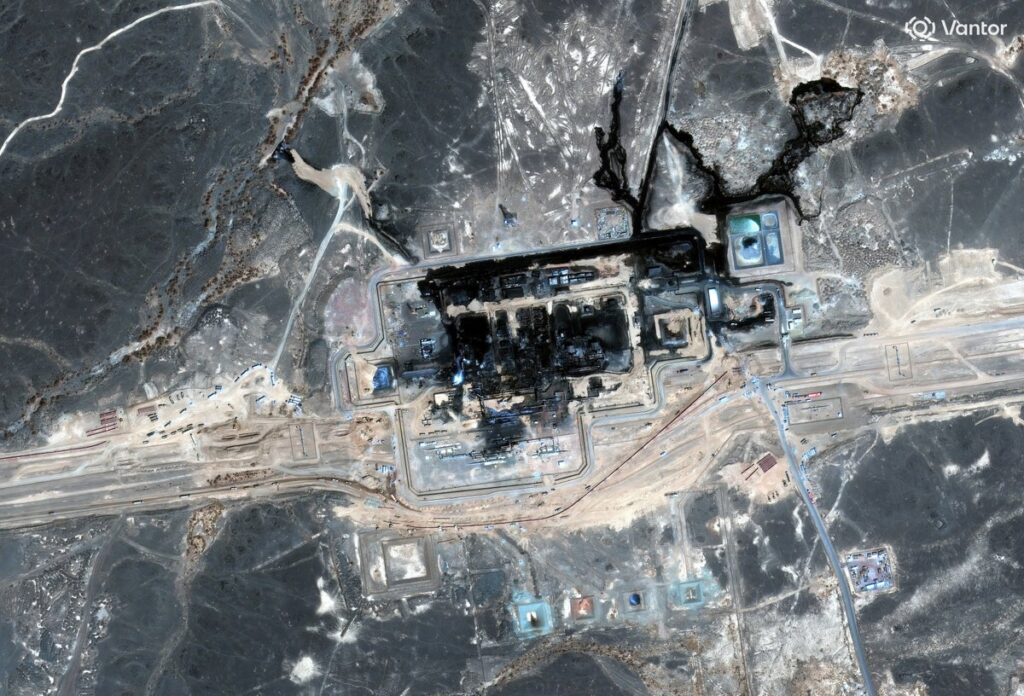
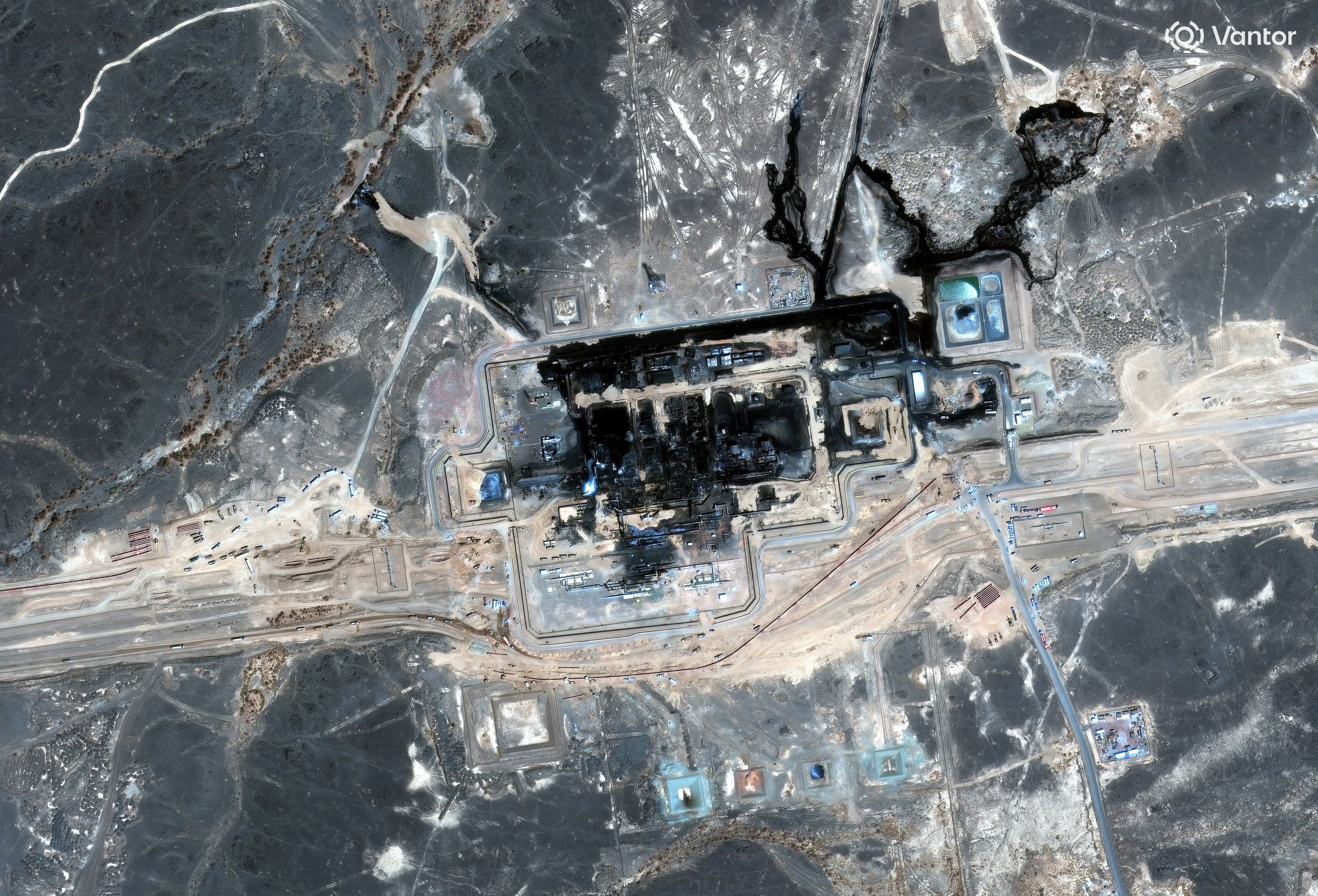
Brent crude rose by almost 3 per cent after fresh strikes targeted Saudi Arabia and Gulf shipping, following a previous attack on a Saudi oil pipeline.
A scheduled Monday meeting in Oman between Iran and Gulf Arab states to negotiate opening the Strait of Hormuz was also postponed.
Sentiments were further depressed by Friday’s higher-than-expected US consumer inflation data.
Markets now indicate a near-90 per cent likelihood of the Federal Reserve raising rates on Wednesday, which would mark its first increase since mid-2023.
The European Central Bank increased rates last week, signalling further action if inflation accelerates.
Additionally, artificial intelligence shares were dragged down after leaders at OpenAI and Anthropic urged a slowdown in AI development to mitigate risks and safeguard humanity.
 open image in gallery
“There’s been no real equity-market drama in the face of 5% yields and high oil prices. But, clearly, one thing we have to add to the mix is that if the disruption in Hormuz continues, were going to have to add a couple of hikes by central banks, which is what the market is pricing,” Lombard Odier chief economist Samy Chaar said.
“The Fed is more impatient than it was, and central banks are more impatient than they were, the ECB included. They’re not just going to let time do its work. They want to get ahead of it,” he said.
Oil price spike
Brent futures were last up 2.5% at $107.18 a barrel, having gained almost 9% last week.
Prices for diesel, gasoline and jet fuel are all far higher than they were before the war, meaning a direct hit for consumers.
In Europe, the STOXX 600 was down 0.3% as gains in oil and gas stocks were offset by losses in tech, which were swept lower after the concerns expressed in a letter by Anthropic CEO Dario Amodei, echoed by Elon Musk, who runs xAI, and Sam Altman, CEO of OpenAI.
For markets, the immediate risk is that of a slowdown in the billions of dollars being spent on the AI boom, particularly after Altman also said his company would not proceed with an IPO this year, citing safety concerns.
“This is a highly unusual unified message from a group of tech CEOs, and it is weighing on the AI trade this morning,” XTB research director Kathleen Brooks said.
“Is this warning about AI a sign that hyperscaling AI compute and infrastructure has reached its endpoint? If so, this will have massive repercussions for financial markets, and it could also lead to a sharp selloff in chip stocks and other components of the AI trade at the start of the new trading week.”
 open image in gallery
S&P 500 futures fell 0.7%, while Nasdaq futures fell 1.7%, reflecting the premarket slide in shares of AI staples such as Marvell, Intel and Micron , which fell between 4.5% and 5.7%. Tech-heavy markets in Asia, such as Tokyo and Seoul, fell between 1% and 3%.
High yields test equity valuations
Government bond yields, which posted their worst weekly performance since mid-May last week, edged higher.
Yields on benchmark 10-year Treasuries are on the verge of hitting 5%, the most since 2023, while German 10-year yields topped 3.53% to reach their highest since 2009.
Markets also imply around a 76% chance the Bank of Japan will lift its cash rate by a quarter point, to 1.25%, when it meets on Friday and is expected to signal further tightening couldtake place as it struggles to support the yen, after market intervention helped to pull it from a 40-year low.
The dollar rose 0.6% to 154.46 yen, having fallen around 4% over the last two weeks and away from a July peak of 163.99. The euro was 0.54% lower at $1.1535.
More about
oil pricesStock Marketsoil pipelineSaudi ArabiagulfStrait of Hormuz
Join our commenting forum
Join thought-provoking conversations, follow other Independent readers and see their replies
Most popular
Popular videos
Bulletin
Read next
Fonte: – World RSS Feed