25 years after 9/11, its accused mastermind still hasn’t faced trial — and may never
Por Larry Neumeister — – World RSS Feed
25 years after 9/11, its accused mastermind still hasn’t faced trial — and may never
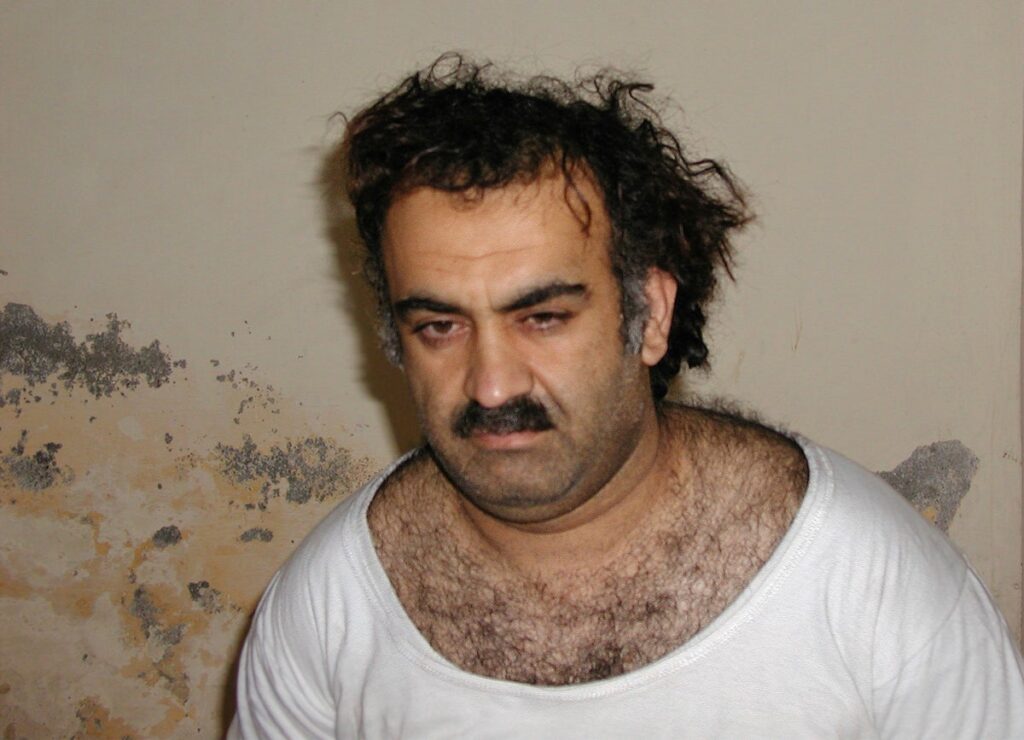
Two decades after U.S. authorities locked Khalid Sheikh Mohammed away at a military detention center in Cuba, the purported mastermind of the Sept. 11 attacks sometimes seems barely any closer to being put on trial than the day he arrived
Larry Neumeister Friday 11 September 2026 11:07 BST
- Bookmark
Bookmark popover
Removed from bookmarks
Close popover
Your support helps us to tell the story
Read more Support Now
From reproductive rights to climate change to Big Tech, The Independent is on the ground when the story is developing. Whether it’s investigating the financials of Elon Musk’s pro-Trump PAC or producing our latest documentary, ‘The A Word’, which shines a light on the American women fighting for reproductive rights, we know how important it is to parse out the facts from the messaging.
At such a critical moment in US history, we need reporters on the ground. Your donation allows us to keep sending journalists to speak to both sides of the story.
The Independent is trusted by Americans across the entire political spectrum. And unlike many other quality news outlets, we choose not to lock Americans out of our reporting and analysis with paywalls. We believe quality journalism should be available to everyone, paid for by those who can afford it.
Your support makes all the difference. Read more
As America marks the 25th anniversary of the September 11 attacks, the man accused of masterminding the plot remains behind bars at Guantanamo Bay — without ever having faced trial.
Khalid Sheikh Mohammed has spent two decades at the U.S. military detention center in Cuba, and despite a judge recently setting a June 5, 2028 trial date, some lawyers believe the case may never reach a verdict.
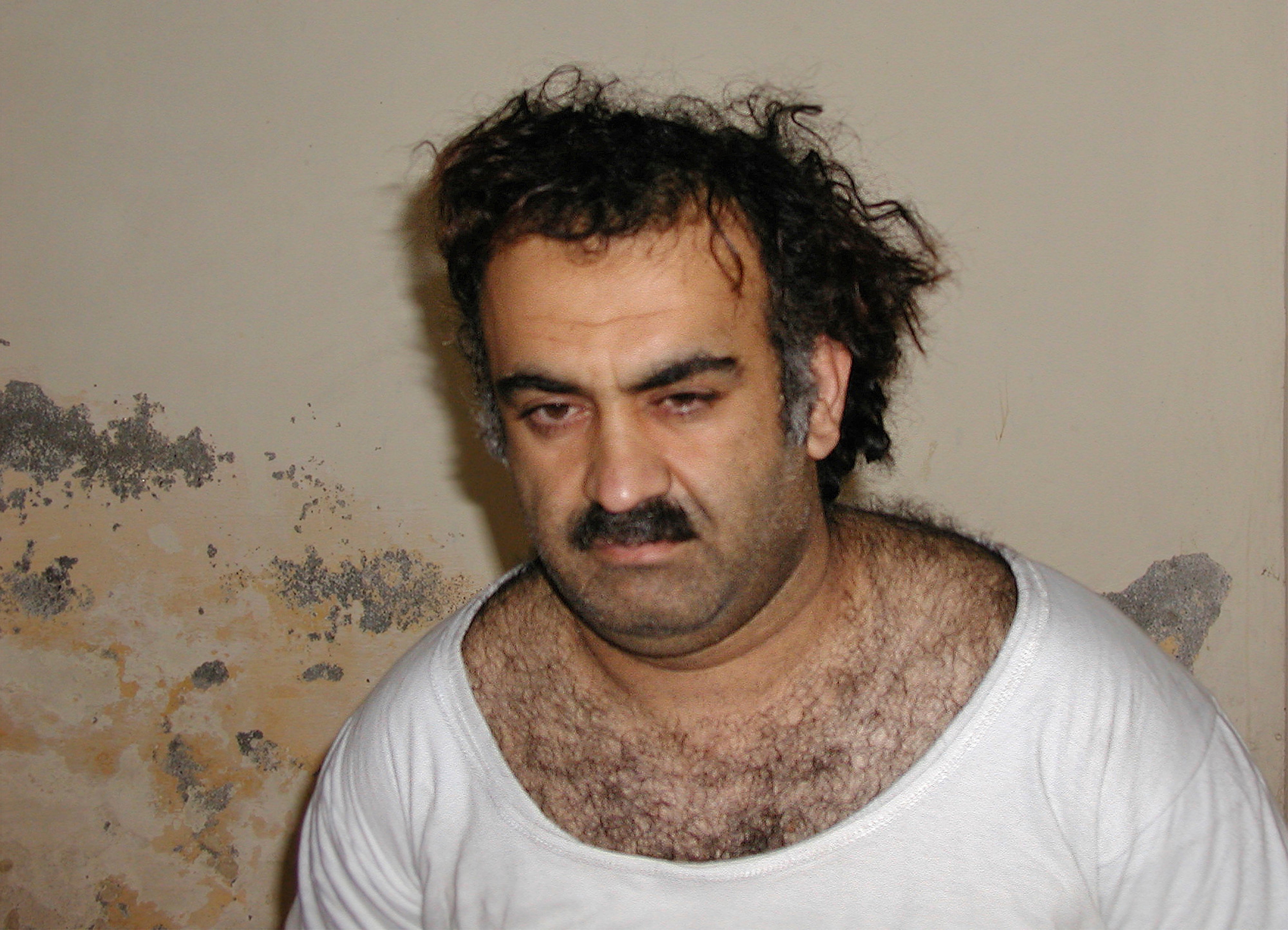
At the heart of the extraordinary delay is Mohammed’s treatment after his 2003 capture in Pakistan. He was held for more than three years in secret prisons and subjected to torture in CIA custody, including 183 instances of waterboarding, according to a U.S. Senate report.
 open image in gallery
The consequences continue to complicate the government’s case.
In August, a military judge ruled that prosecutors could not use an alleged confession Mohammed made to the FBI in 2007, finding the statements were tainted by the “enhanced interrogation techniques” used against him.
The government declined to appeal, in part because doing so risked delaying the case even further.
“It’s all contaminated by politics and the lack of accountability on torture,” said Joshua Dratel, an attorney who helped ensure Mohammed received legal representation.
 open image in gallery
Mohammed, accused of developing and directing the 9/11 plot as an al-Qaida leader, was transferred to Guantanamo Bay on Sept. 5, 2006.
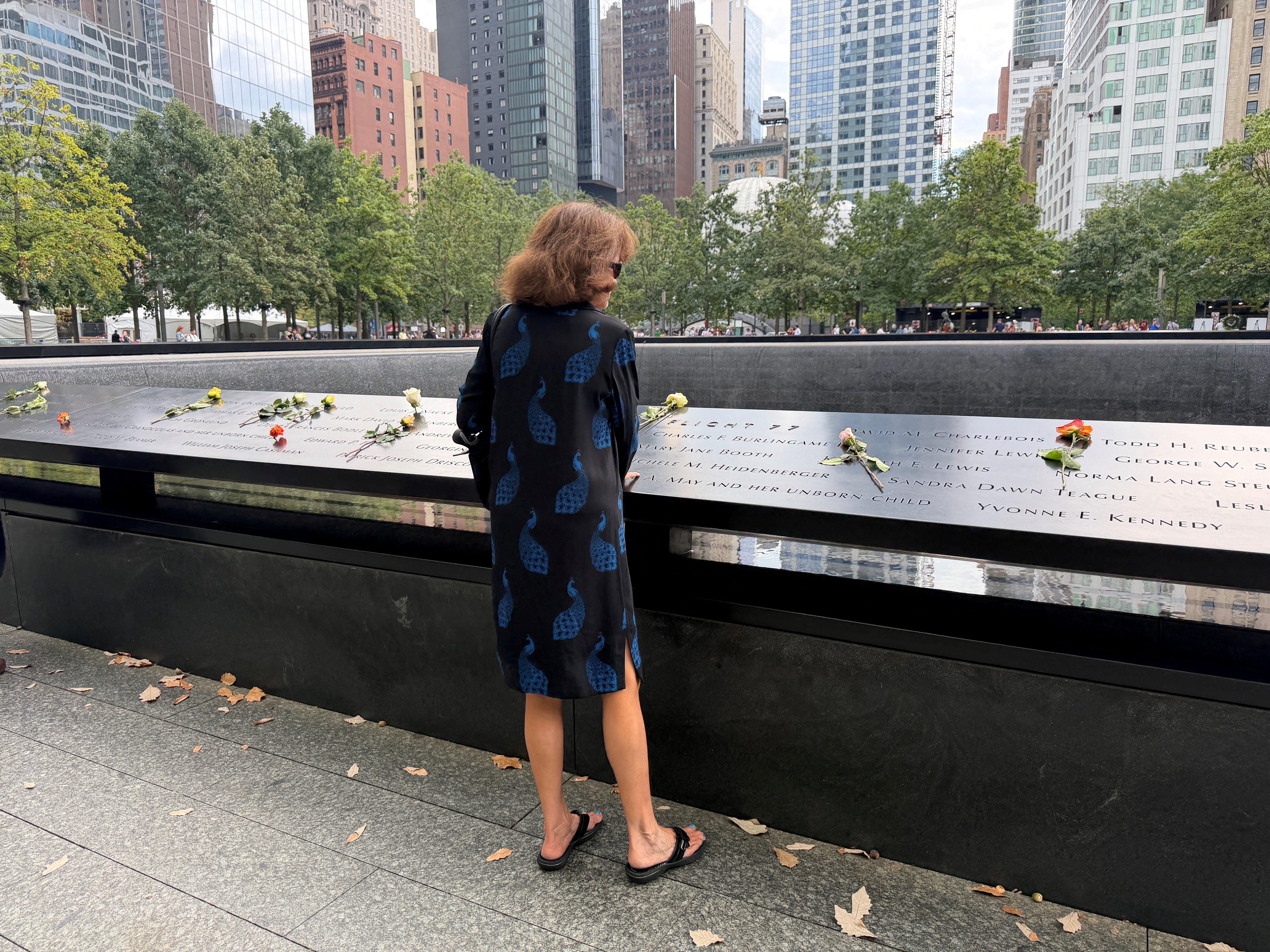
For families of the nearly 3,000 people killed on Sept. 11, 2001, the wait for a resolution has now lasted a quarter-century.
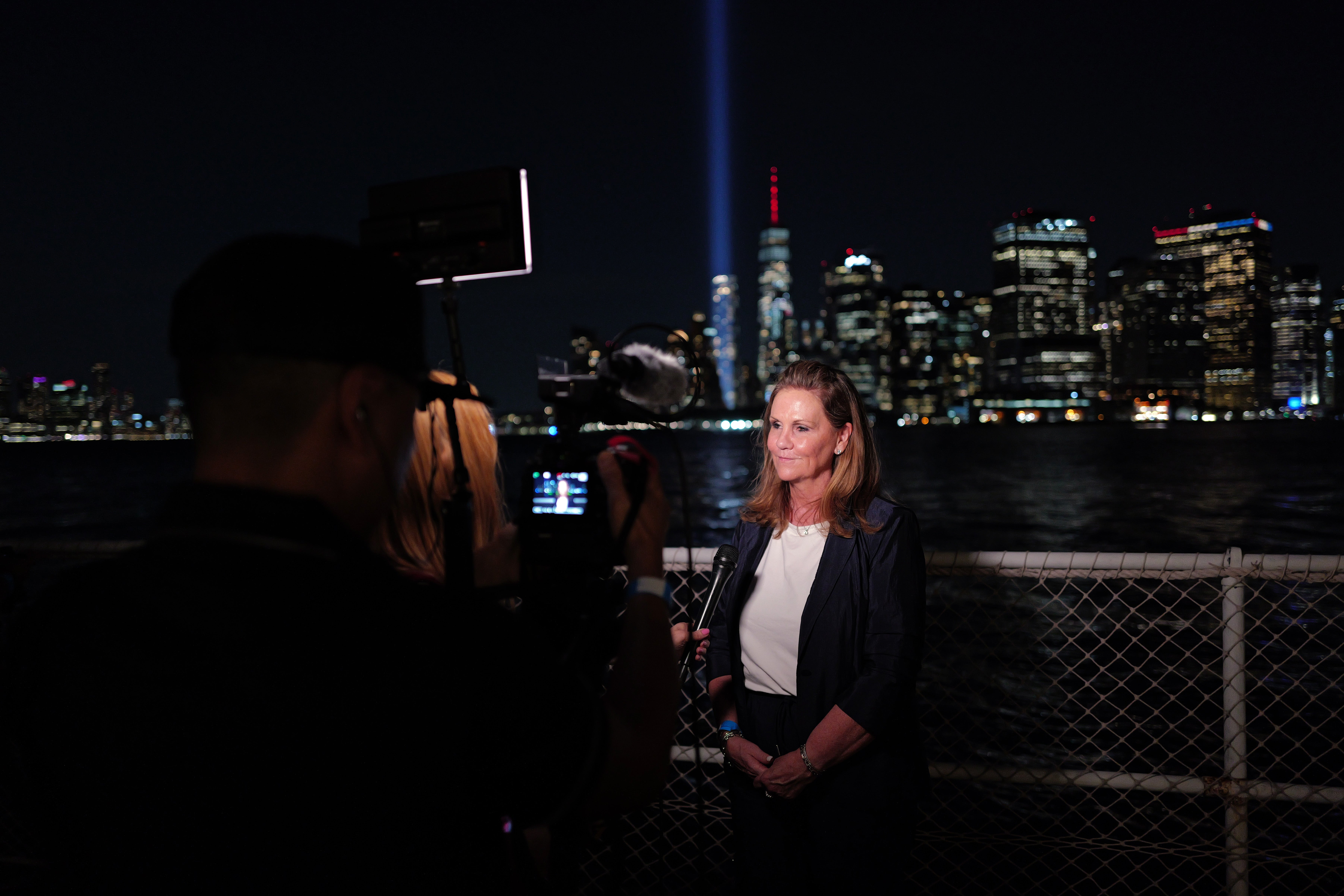
Terry Strada, whose husband, Tom, was killed at the World Trade Center, said families still want to see Mohammed brought to justice.
“We very much want to see this come to an end at some point. We do want to see justice served. It’s just as important as 25 years ago,” said Strada, national chair of 9/11 Families United.
Strada said she would rather see Mohammed remain imprisoned indefinitely at Guantanamo than support an agreement that removed the possibility of the death penalty.
 open image in gallery
A plea deal that would have spared Mohammed a possible execution in exchange for life imprisonment began unraveling shortly after it was announced in 2024 and collapsed for good last year.
Strada said she fears that without a death sentence, a future administration could potentially seek to exchange Mohammed for Americans imprisoned overseas.
The death penalty “fits the crime and it would prevent that from ever happening,” she said.
There was once a plan to put Mohammed on trial just blocks from where the World Trade Center stood.
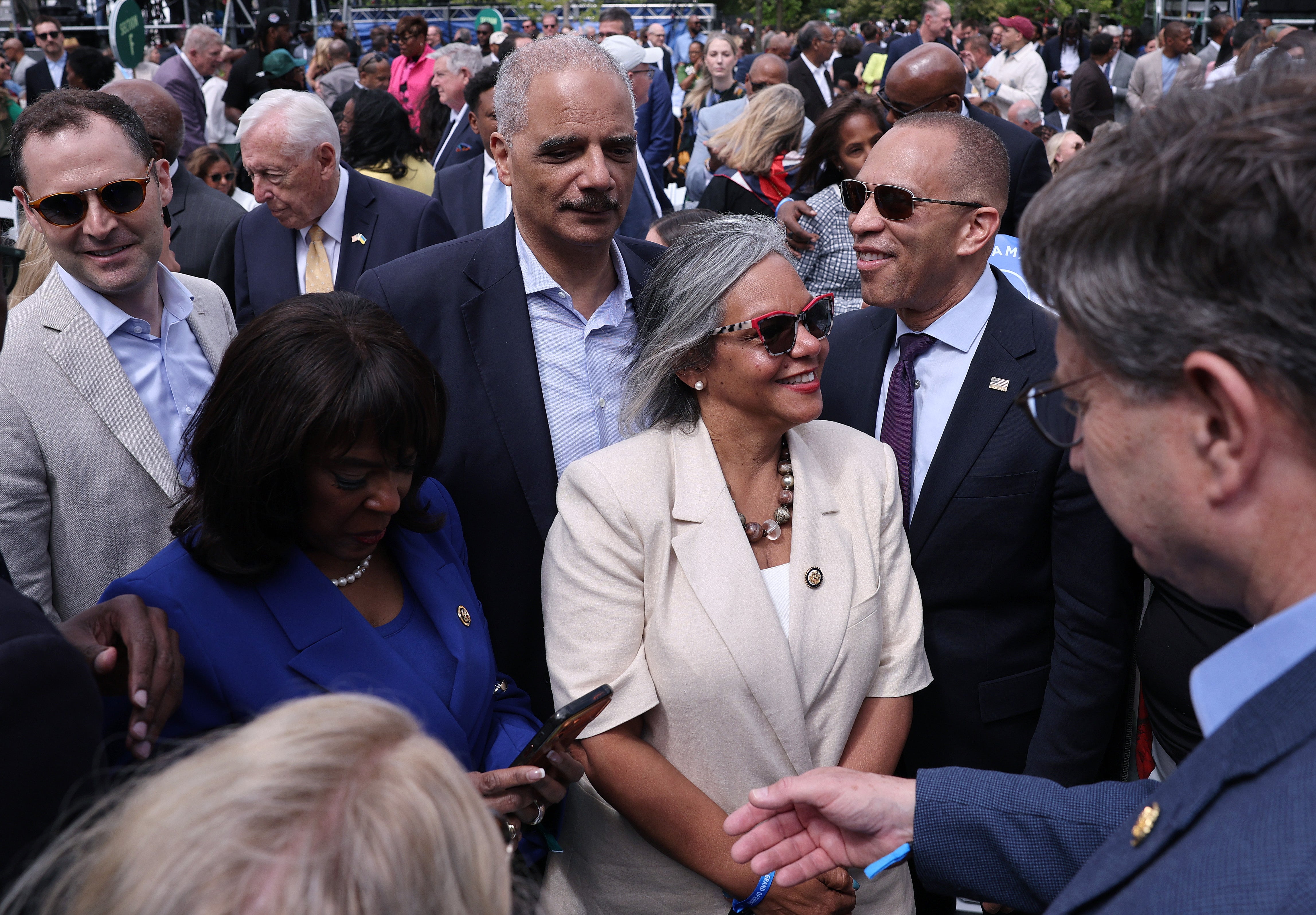
In 2009, then-Attorney General Eric Holder announced that Mohammed and four other men charged over the attacks would face a civilian trial in Manhattan.
Then-President Barack Obama, who had pledged to close Guantanamo, said Mohammed would face “the most exacting demands of justice.”
 open image in gallery
But the proposal quickly encountered fierce opposition. Critics raised security concerns and warned that Mohammed could use proceedings as a platform for extremist views.
Former New York City Mayor Rudy Giuliani called the plan unwise and accused the administration of showing “a lack of concern for the rights of the public.”
The civilian trial was ultimately abandoned, leaving the case to the military commission system.
Dratel described the abandoned effort as “a charade in many respects” but said the military tribunal system had proved even less effective.
“Each time you reach an impasse, no one knows what to do,” he said.
David Raskin, the former federal prosecutor who would have led the government’s New York case, argued this week that a civilian prosecution likely would have secured a conviction.
Instead, he wrote in The Washington Post, the military commission became “a defense lawyer’s dream,” plagued by years of litigation over its legality and procedures.
Twenty-five years after the attacks and more than two decades after Mohammed’s capture, Raskin believes the wait may never end.
“I predict there will never be a completed military commission trial for Mohammed and the other Sept. 11 defendants,” he said.
More about
New YorkGuantanamo BayCubaUnitedRudy GiulianiPakistanWorld Trade CenterBarack ObamaFBIIslamicRepublicanWashingtonCIA
Most popular
Popular videos
Bulletin
Read next
Fonte: – World RSS Feed