60 million kids to be auto-enrolled in Trump Accounts
Por Isabel Keane — – World RSS Feed
60 million kids to be auto-enrolled in Trump Accounts
Children cannot access the Trump Account until they are 18, and it can only be used for specific things like paying for a home or education
Isabel Keane in New York Tuesday 29 September 2026 21:58 BST
- Bookmark
- Comments Go to comments
Bookmark popover
Removed from bookmarks
Close popover

Become an Independent member to bookmark this article
Want to bookmark your favourite articles and stories to read or reference later? Start your Independent Membership today.
Already a member?
Log in
Your support helps us to tell the story
Read more Support Now
From reproductive rights to climate change to Big Tech, The Independent is on the ground when the story is developing. Whether it’s investigating the financials of Elon Musk’s pro-Trump PAC or producing our latest documentary, ‘The A Word’, which shines a light on the American women fighting for reproductive rights, we know how important it is to parse out the facts from the messaging.
At such a critical moment in US history, we need reporters on the ground. Your donation allows us to keep sending journalists to speak to both sides of the story.
The Independent is trusted by Americans across the entire political spectrum. And unlike many other quality news outlets, we choose not to lock Americans out of our reporting and analysis with paywalls. We believe quality journalism should be available to everyone, paid for by those who can afford it.
Your support makes all the difference. Read more
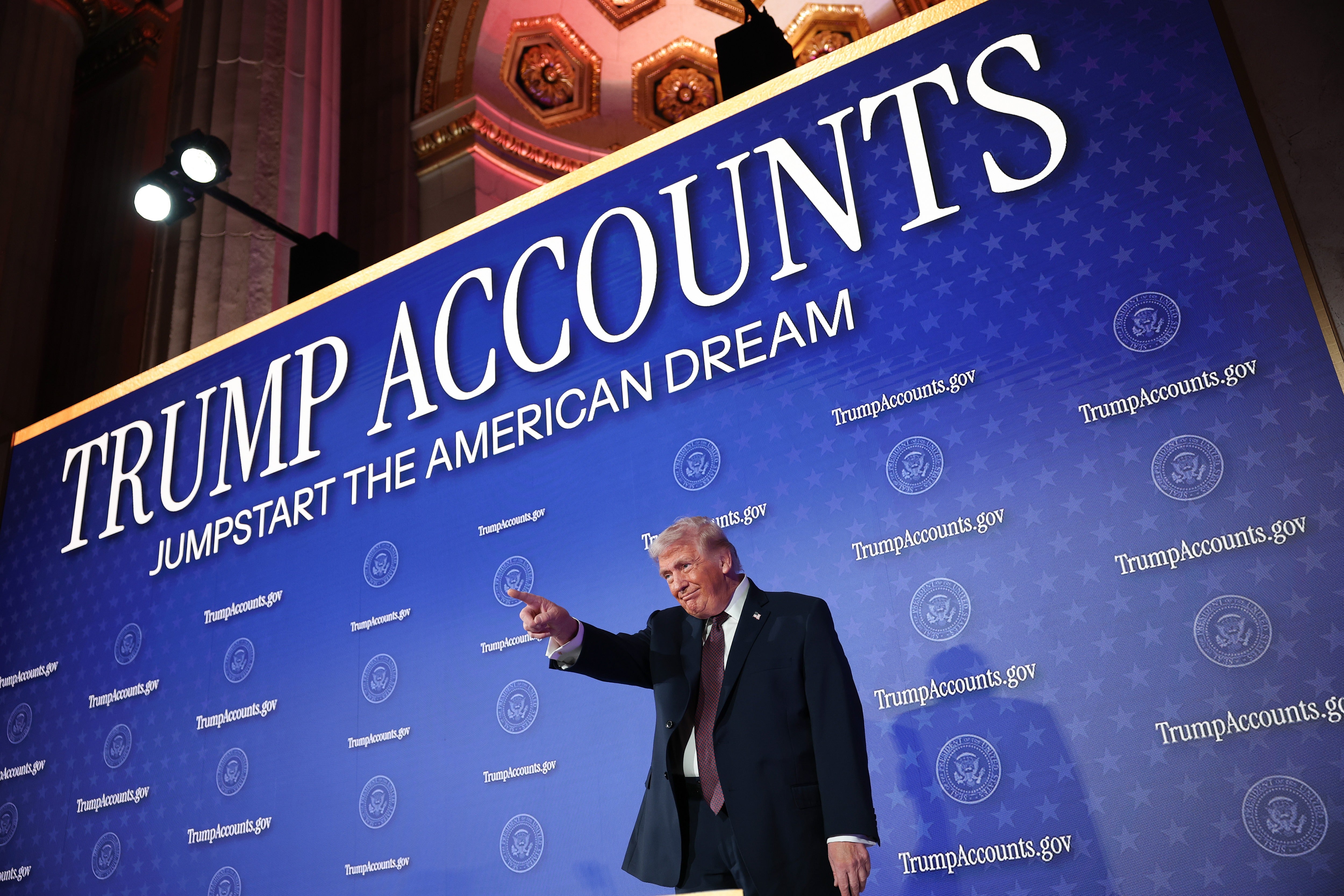
Tens of millions of children will be automatically enrolled in the government’s new Trump Accounts as soon as this week, the Treasury Department said as part of temporary regulations published Tuesday.
Previously, parents or guardians had to sign their children up for the investment account. But the shift to automatic enrollment, which could come as early as Wednesday, may increase the number of kids under 18 with Trump Accounts to over 60 million by the end of the year, according to the Treasury Department.
In the future, the change could boost enrollment by about two million accounts a year, according to the agency.
So far, between 7 and 8 million children have been signed up for Trump Accounts, the tax-deferred investment accounts that officially launched for America’s 250th anniversary on July 4.
The accounts come with a $1,000 deposit from the Treasury Department for American children with a Social Security number who were born in the U.S. from 2025 to 2028.
 open image in gallery
That money, and anything else deposited by employers, philanthropies and relatives, is invested in the stock market by private firms. Children will not be able to access the funds until they turn 18, and it can only be used for specific purposes, like paying for a home or schooling.
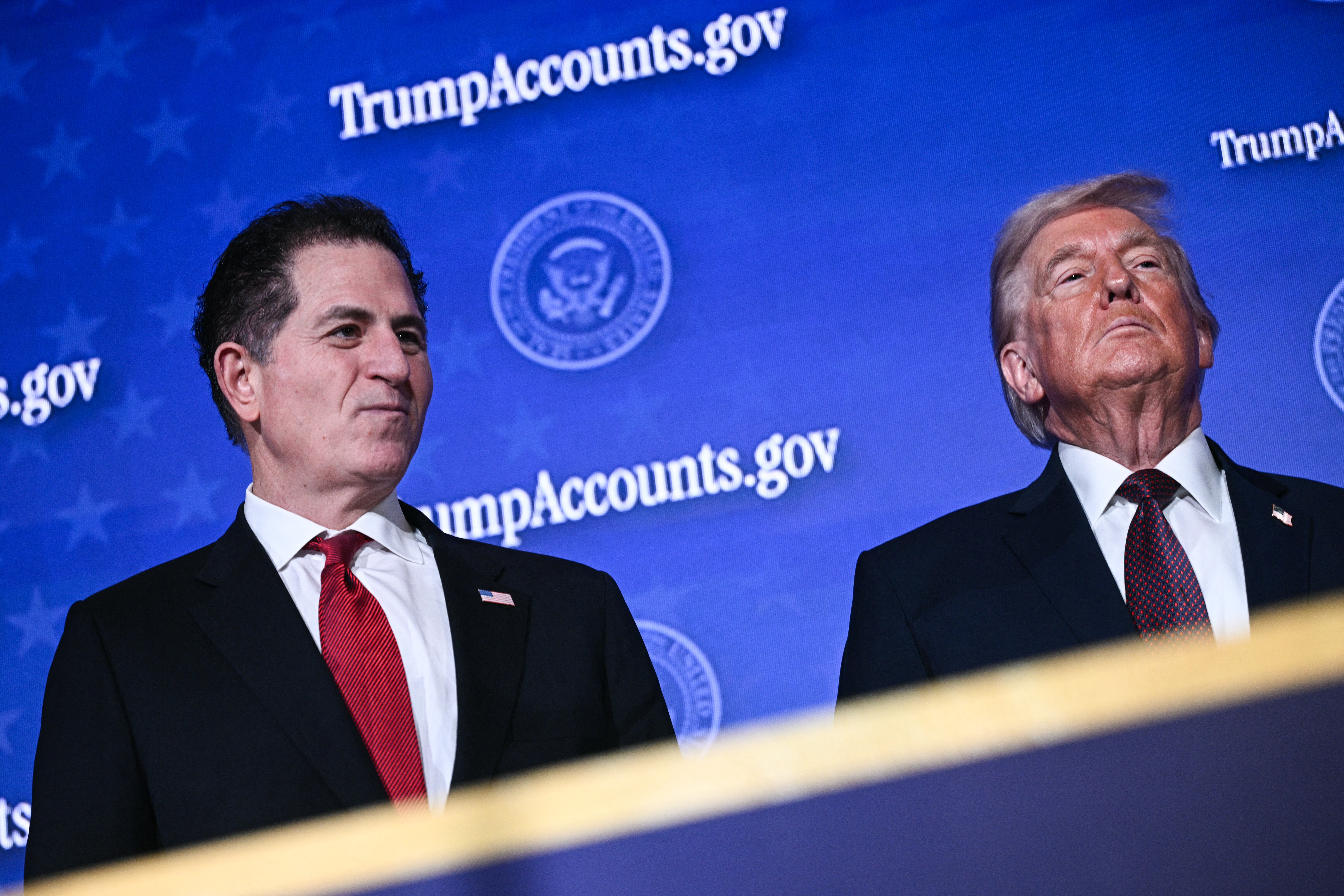
The accounts have also gotten a boost from billionaire donors, including Michael Dell, the founder of Dell Technologies, and his wife, Susan, who pledged to give $6.25 billion to the accounts of some kids who don’t qualify for the government’s $1,000.
However, the new auto-enrollment does not automatically trigger that contribution, and parents or guardians are still required to opt in through their tax return in order to get that money.
Because of this, participation rates, especially among low-income families, have been low.
Only five percent of low-and-moderate income families (those earning up to $80,000 annually) have opened a Trump Account, according to a report from the nonprofit Commonwealth.
Auto-enrollment “would certainly reach the vast majority of parents and children,” Madeline Brown, senior policy associate at the Urban Institute, a Washington-based think tank, told CNBC.
 open image in gallery
But even with automatic enrollment, there is still “a lot of work to be done to build engagement and awareness,” Brown said.
Depending on how the new auto-enrollment is enacted, it could be “positive for lower-income folks,” Omeed Firouzi of the low-income taxpayer clinic at Temple University’s Beasley School of Law, told CNBC, noting this group largely faces barriers to some tax breaks and government programs.
The new rules also included a new framework for private donors to put appreciated stock directly into the investment accounts, which could prompt more wealthy Americans to donate.
“It undermines the entire purpose of the regulated index fund requirement, which is stability,” Nina Olson, the executive director of the Center for Taxpayer Rights, told the Wall Street Journal. “Let’s say someone donates a bunch of tech stocks and then we have another dot-com meltdown so that you end up with worthless stocks. How does that help the child?”
Those stocks have to be held for five years before being sold, according to the rules. The rules change helps wealthy donors contribute stock while avoiding capital-gains taxes on the shares, according to the report.
The Treasury Department noted in the rules that there are several donors ready to make sizable donations — akin to Dell’s — but don’t want to donate cash. The agency said the benefit of those donations outweighs the risk from more concentrated portfolios, according to the report.
More about
Treasury DepartmentU.S.TrumpFederal Reserve
Join our commenting forum
Join thought-provoking conversations, follow other Independent readers and see their replies
Most popular
Popular videos
Bulletin
Read next
Fonte: – World RSS Feed