Japan’s Takaichi says chores and makeup add hours to her workday, sparking debate on gender roles
Por Mari Yamaguchi — – World RSS Feed
Japan’s Takaichi says chores and makeup add hours to her workday, sparking debate on gender roles
Being a prime minister is tough, with daily schedule packed with meetings and hourslong parliamentary sessions
Mari Yamaguchi Thursday 15 October 2026 17:47 BST
- Bookmark
Bookmark popover
Removed from bookmarks
Close popover

Become an Independent member to bookmark this article
Want to bookmark your favourite articles and stories to read or reference later? Start your Independent Membership today.
Already a member?
Log in
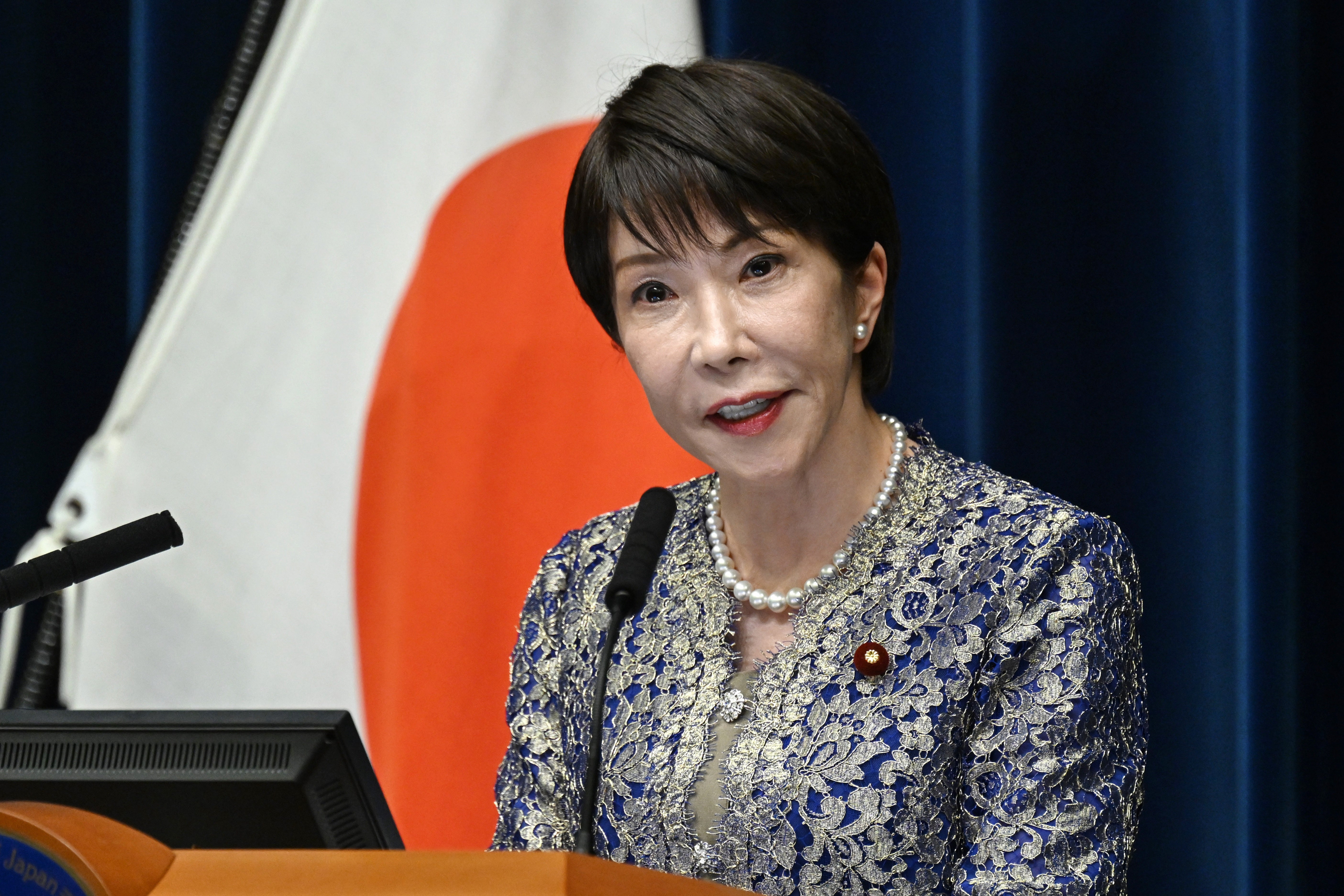
Japan’s Prime Minister Sanae Takaichi ’s comments about the additional work she has to take on as a woman compared to her male predecessors have sparked a debate about gender roles in the country and have put her performance under the spotlight.
On Wednesday, Takaichi said she works longer hours than her male predecessors because she needs to fulfill requirements for women, such as house chores and applying makeup.
“In the morning, I take a bath, fix breakfast and do the dishes, then apply makeup,” Takaichi told a parliamentary session Wednesday. “Doing these things, I feel I’m spending three or four more hours than male prime ministers.”
It took a while for her aides to learn that she needs extra time to fix her makeup and be more presentable before going on camera, Takaichi said.
Her emphasis on makeup, bathing and house chores quickly backfired, because she was seen as promoting old-fashioned gender roles and excessive working hours that have long been considered problems in Japan.
In a country where gender roles remain rigid and long hours at work are the norm for men, working women are also burdened with house chores and child care. Women spend nearly five hours doing house chores daily, compared to about 40 minutes spent by an average male, the latest government figures show.
Comments on social media noted that many working women in Japan who raise children or take care of elderly parents face even heavier demands than Takaichi, saying that her comment is a matter of time management and her outdated view on gender equality.
“As long as she gets her job done, it’s fine if she needs more time than men … but seeking forgiveness because she needs time to put on makeup as an excuse is unacceptable,” said Fusako Miwa, a lawyer, on social media.
Takaichi’s work mantra and her revelation of zero to three hours of sleep at night due to her homemaking burden on top of her heavy workload after taking office last year triggered criticism that she was setting the wrong example for a work-life balance and gender equality.
While Takaichi regularly comments on X, she has been scaling back on her appearances at parliament and has largely holed up at her residence at night and on weekends, a tendency criticized as neglect of policy debate.
Takaichi also suffered a setback as her newly-appointed farm minister Kazuo Yana resigned Wednesday over multiple scandals, including boasting about cutting road construction budget for municipalities that did not support him in an election. Yana also admitted arranging questionable free transportation for his supporters at his political rallies.
The prime minister’s time management was brought up by Fumitake Fujita, a top official of Takaichi’s junior coalition partner, Japan Innovation Party, on Wednesday when he suggested reducing hourslong parliamentary sessions that ministers need to attend almost daily.
Japan’s prime minister attended parliamentary sessions for 72 days in 2022, compared to 50 in Britain and 13 in Germany, Fujita said, citing a recent report by a political think tank NXJI Research.
The report proposed introducing cooks and other housekeeping staff at the prime minister’s official residence so the leader can concentrate on official duties and get sufficient sleep.
Takaichi said managing her busy schedule has been difficult, and she routinely brings home a thick stack of documents.
“I do enjoy reading them late at night,” Takaichi said. “Honestly, I feel it is not easy to squeeze out time to sit down and think about the future direction of Japan or have a grand vision.”
More about
Sanae TakaichiJapanTokyoBritainGermany
Most popular
Popular videos
Bulletin
Read next
Fonte: – World RSS Feed