Trump hit by brutal midterm poll as voters turn against his economy and Iran war
Por Steve Peoples and Linley Sanders — – World RSS Feed
Trump hit by brutal midterm poll as voters turn against his economy and Iran war
A strong majority of voters believe that President Donald Trump is falling short at home and abroad
Steve Peoples & Linley Sanders Thursday 15 October 2026 12:54 BST
- Bookmark
- Comments Go to comments
Bookmark popover
Removed from bookmarks
Close popover

Become an Independent member to bookmark this article
Want to bookmark your favourite articles and stories to read or reference later? Start your Independent Membership today.
Already a member?
Log in
A large majority of voters feel President Donald Trump is falling short at home and abroad, creating a strong appetite for political change in the upcoming midterm elections, according to a survey by the AP-NORC Center for Public Affairs Research that signals clear warnings for Republicans.
The poll, conducted less than four weeks before Election Day, indicates that registered Democratic voters are showing higher enthusiasm for voting than their Republican counterparts. More respondents favor Democratic control of Congress and hold a distinctly negative view of the Republican Party.
Although the Democratic advantage is narrow across certain metrics, the cumulative data presents severe obstacles for Republicans striving to maintain their congressional majorities while dealing with persistent inflation and an unpopular war in Iran.
 open image in gallery
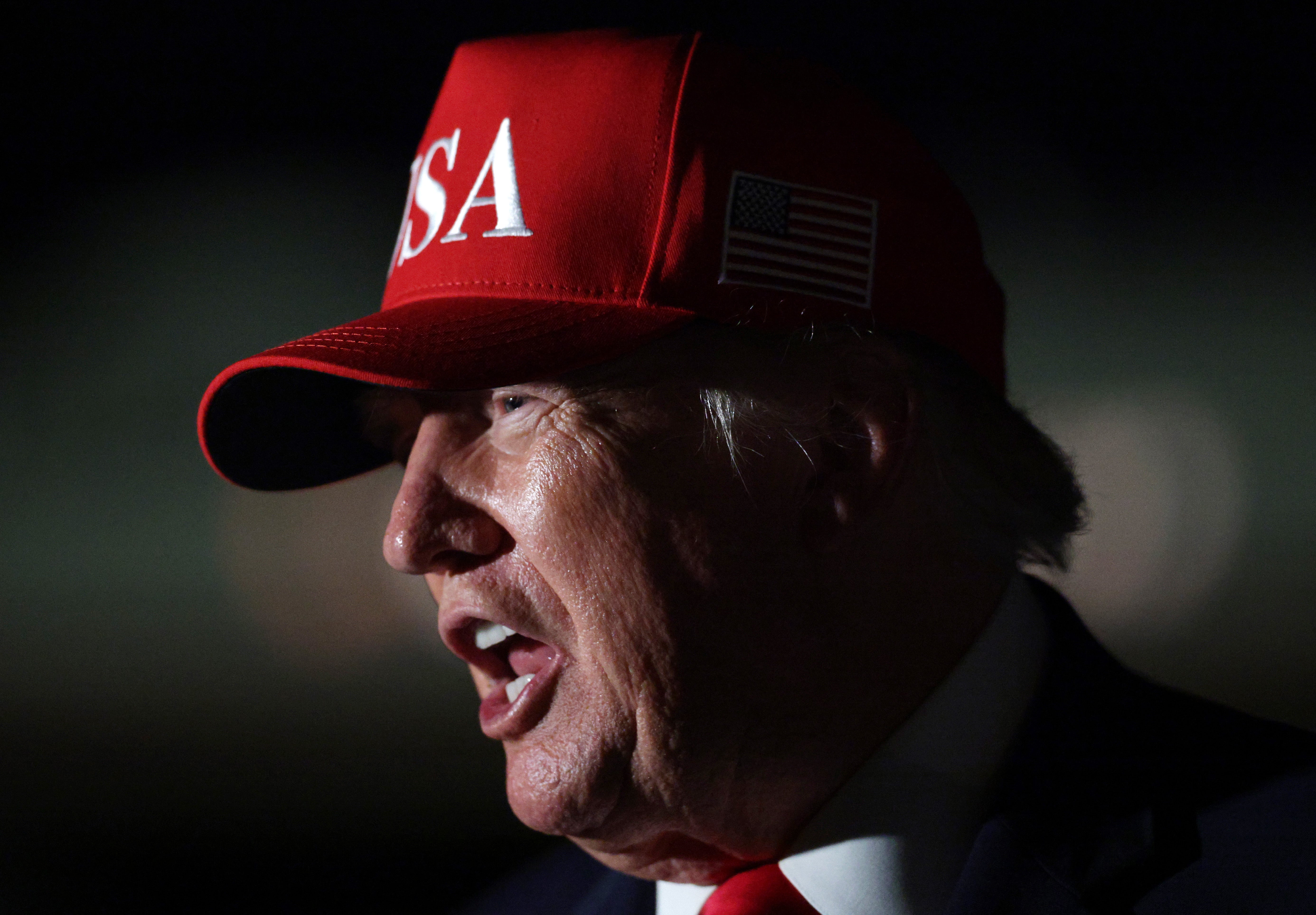
Approximately 8 in 10 voters identify the economy or the cost of living as top concerns for the midterms. Healthcare and the conflict in Iran follow, cited by roughly two-thirds of respondents. Conversely, topics where Trump traditionally polls better, such as crime and immigration, rank lower.
“The world is going backwards. We can barely afford anything,” said Diana Walker, a 65-year-old Democrat from Decatur, Georgia. “Everybody’s down. I don’t care if you’re a Democrat or Republican, we’re all catching hell.”
With under a month remaining before the final midterm ballots are submitted, the findings highlight a notable motivation gap between the two major parties.
Overall, roughly two-thirds of registered voters consider casting a ballot in November to be “extremely” important, with an additional 2 in 10 labeling it “very” important.
However, nearly three-quarters of Democratic voters consider voting “extremely” important, compared to around 6 in 10 Republicans.
 open image in gallery
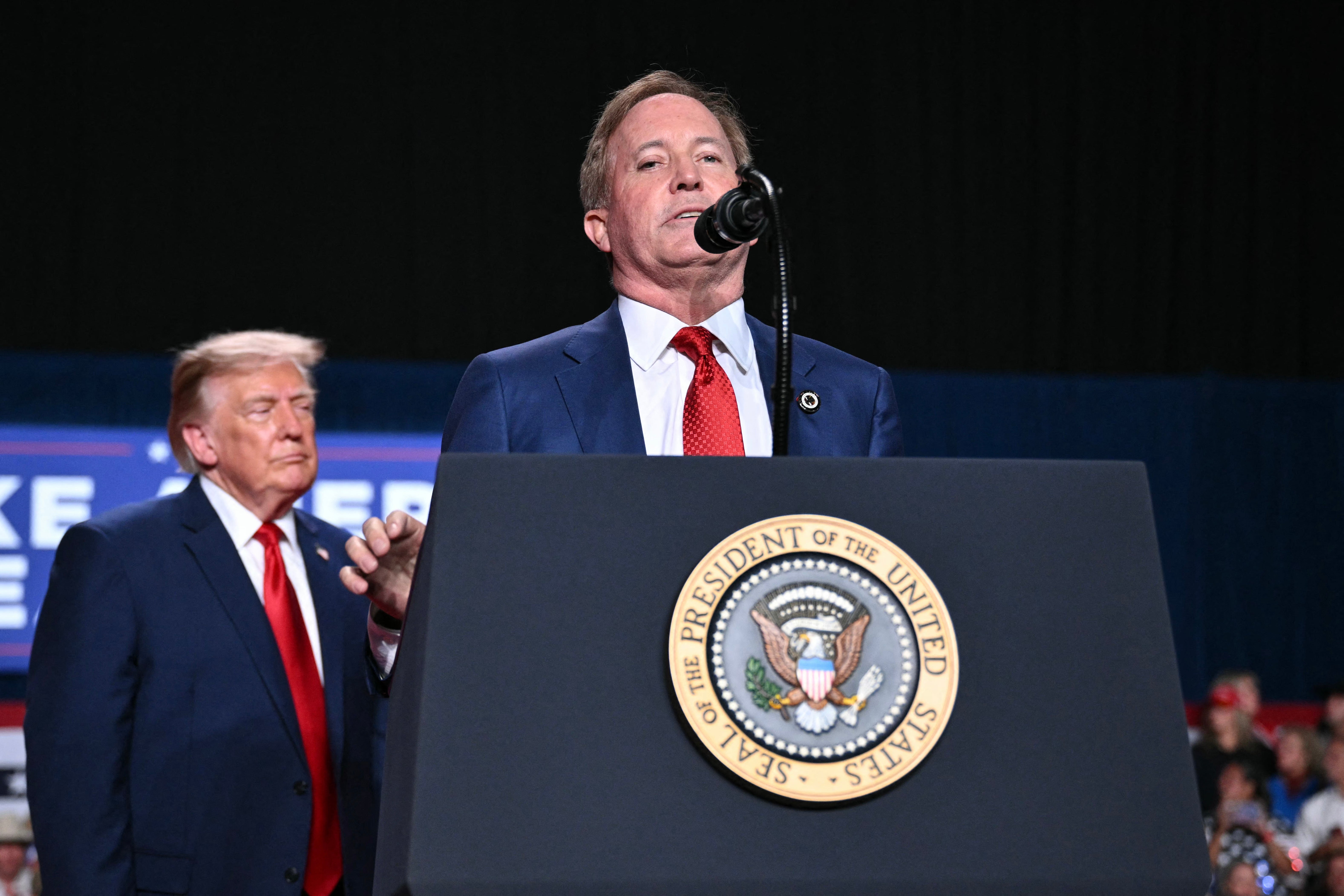
Ryan Longbrake, a 52-year-old tech marketing professional and Democrat from Columbus, Ohio, said he is eager to participate in the election and has ensured his wife and two college-aged daughters plan to vote as well.
“I believe that there is change on the horizon and there is an excitement within our party,” he said, referencing Democratic momentum in Ohio’s races for governor and U.S. Senate. He also noted Democratic investments in traditionally Republican-leaning states such as Iowa and Kansas, where candidates face a more receptive electorate.
While Republicans have controlled Congress for two years, about half of registered voters now prefer Democratic leadership in both the House and Senate. Roughly 4 in 10 favor Republican control, while 15% remain undecided.
Heading into the 2026 midterms, voters strongly want systemic change.
About half of respondents say they want “substantial change,” while nearly 3 in 10 want “complete and total upheaval” in national governance.
While Democrats and independent voters are far more likely to back a comprehensive overhaul of the nation’s trajectory, Republican voters also want new directions. Slightly under half of Republicans, 45%, support substantial change, and 13% favor upheaval.
“I’m kind of tired of sending people there and nothing gets done,” said Krista Kohles, a 70-year-old Republican living near Davey, Nebraska. “Nothing’s changing.”
 open image in gallery
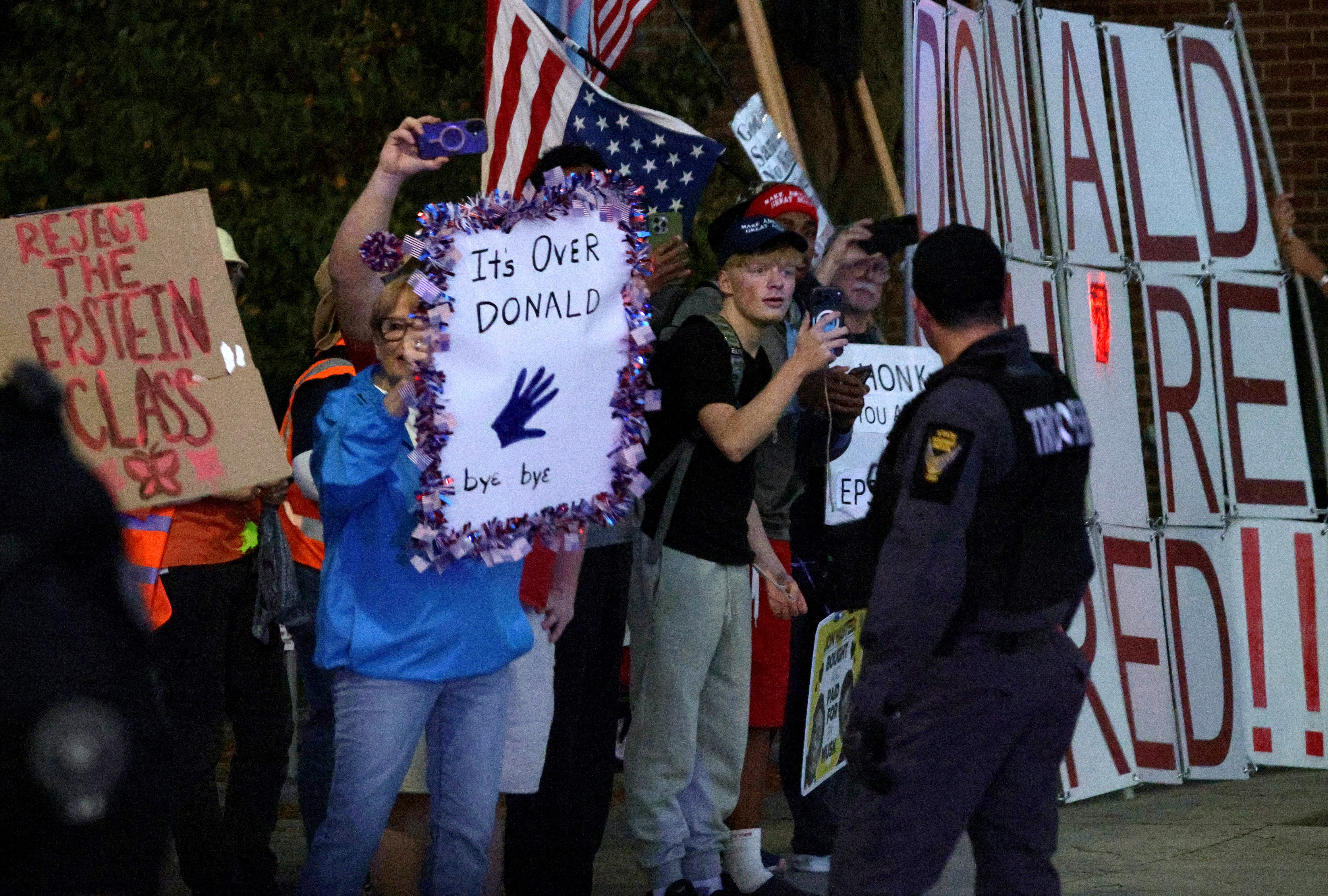
Voter dissatisfaction extends directly to Trump and his policy management.
Only about one-third of registered voters hold a “very” or “somewhat” favorable opinion of the Republican president, with a matching proportion approving of his job performance.
Frustration remains widespread over the high cost of living, an issue Trump promised to curb before securing his second term in the White House.
Nearly two years into his presidency, roughly 8 in 10 voters disapprove of Trump’s handling of living costs, consistent with an AP-NORC survey from September. About three-quarters also disapprove of his broader economic performance.
Dissatisfaction spans into the president’s own base: just 44% of Republican voters approve of Trump’s performance on the cost of living, while 54% approve of his overall economic stewardship. This marks a sharp decline compared to issues like crime, where Republican support is significantly higher.
Cracks are also apparent in Republican backing on foreign affairs. Only 69% of Republican voters approve of Trump’s handling of foreign policy as the Iranian conflict enters its eighth month, despite earlier assurances that the war would conclude in four to five weeks.
DonnaJean Weber, a 72-year-old Republican from Manistee, Michigan, noted she plans to support Republican candidates this fall, but remains discontented with economic conditions under Trump.
“Everything’s going up,” she said, pointing to consequences stemming from the Iranian conflict and other presidential decisions. “I don’t agree with him fully on all of these tariffs, either. It’s making this country look bad.”
Economic concerns and living costs remain paramount across political lines, with high proportions of both Democrats and Republicans ranking them as critical midterm issues.
 open image in gallery
Voter sentiment is similarly cool toward potential presidential successor Vice President JD Vance. Approximately half of respondents hold a “somewhat” or “very” unfavorable view of Vance, compared to around one-third who view him favorably.
Despite Trump’s weak polling, voter enthusiasm for the Democratic Party remains measured.
Overall, about 4 in 10 voters view Democrats favorably, whereas half view the party negatively. These figures roughly parallel sentiment toward the GOP, though 6 in 10 voters view Republicans unfavorably.
Both Democratic and Republican partisans display equal enthusiasm for their respective parties, with about 8 in 10 in each camp expressing favorable views of their own side.
Crucially, independent voters view Republicans far more negatively than Democrats. Around two-thirds of independents view the GOP unfavorably, compared to about 4 in 10 who view Democrats unfavorably.
Michael Russo, a 51-year-old unaffiliated voter from Texas, characterized current conditions under Republican rule as “a nightmare.”
Asked if he wanted Republicans to retain control of Congress, Russo replied: “No, I want them in prison — several of them,” though he added he lacks faith in the alternative option.
“I’m not confident they’re going to do anything if they get into power,” Russo said.
More about
Donald TrumpElection DayCongressIranDecaturGeorgiaColumbusOhioJD VanceVice PresidentTexas
Join our commenting forum
Join thought-provoking conversations, follow other Independent readers and see their replies
Most popular
Popular videos
Bulletin
Read next
Fonte: – World RSS Feed