Broken dating apps and delayed takeaways: How Ukrainian strikes on data centres are upending daily life in Russia
Por Alex Croft — – World RSS Feed
Broken dating apps and delayed takeaways: How Ukrainian strikes on data centres are upending daily life in Russia
After Russian energy attacks left Ukrainians without heating and electricity last winter, Kyiv has in 2026 sought to disrupt Russian daily life in response
Alex Croft Thursday 15 October 2026 12:29 BST
- Bookmark
- Comments Go to comments
Bookmark popover
Removed from bookmarks
Close popover


Become an Independent member to bookmark this article
Want to bookmark your favourite articles and stories to read or reference later? Start your Independent Membership today.
Already a member?
Log in
After battering Russia’s version of Amazon, Ukraine has set its sights on data centres – dealing an unlikely blow to Moscow’s dating scene.
A barrage of attacks on data centres and telecommunications infrastructure has wreaked havoc on Russian daily life, including three strikes in the past week on buildings owned by Yandex – the Russian equivalent of Google.
Yandex said its infrastructure had been damaged, causing the complete shutdown of its data centre in the Vladimir region on Sunday. On Wednesday, Kyiv’s drones struck a data centre owned by Sberbank, the country’s largest bank.
Ukraine says it is responding to Russian attacks on its own data sites. President Volodymyr Zelensky claimed that his military’s strikes had led to a decrease in Russian bot activity, but this could not be verified.
 open image in gallery
The Kremlin has admitted that Russian technology is facing problems, with spokesman Dmitry Peskov saying it is too early to assess whether users had suffered financial losses from outages caused by the attacks.
Why is Ukraine targeting data centres?
Ukrainian president Volodymyr Zelensky has been clear in Kyiv’s justification for attacking Russian data centres, stating that it was “mirroring” Russian attacks on its own datacentres.
Speaking to reporters in Kyiv last week, Mr Zelensky said: “We always respond in mirror-like fashion. You all know, they have been hitting and continue to hit our data centres. We are responding. I can’t share all the details.”
Moscow was first to launch a campaign of drone strikes against Ukrainian data centres in late September, with attacks disrupting phone service for thousands of households in Kyiv.
 open image in gallery
He said that when the attacks began, it “suddenly became a little easier to breathe on many social media platforms”.
However, it has since emerged that claims the attacks affected Russian disinformation may have stemmed from misinterpreted data produced by tech firm Cloudflare, according to BBC Verify.
How could it impact Russian daily life?
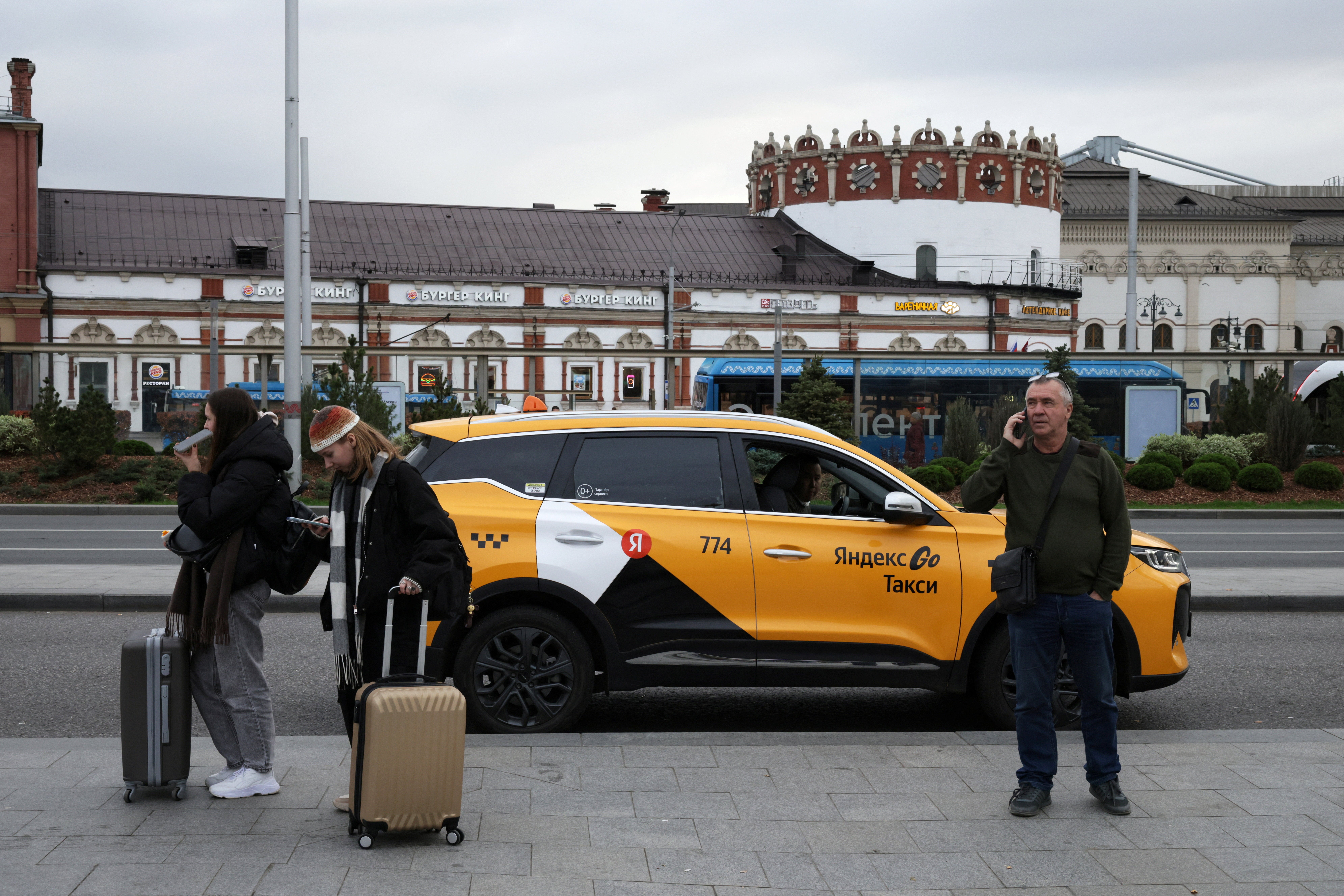
The attacks have widely disrupted public services, including email, taxi apps, dating sites, and electronic fobs for buildings in Moscow.
Asked whether the government was considering a mechanism to compensate users, Kremlin spokesman Peskov said Yandex was “currently facing difficulties, and of course the matter is being discussed by the government, but the company is taking urgent steps to address the consequences of the attack.”
Muscovites told the Financial Times that they are concerned they have lost years of work stored online. Alyona Zhiganova, founder of travel agency Proadventure said she had “lost a website I had for 10 years” and that “all the databases, photos, reviews are likely gone”.
 open image in gallery
Some residents in Moscow have not been able to access their homes due to the impact on barrier gates being operated by a company which uses Yandex infrastructure, the outlet added.
There are even widespread fears that people have lost all their personal savings, with account balances having disappeared on Yandex Pay, an app that replaced Apple Pay – although Yandex says the money is safe.
Ukraine’s strike on the Sberbank facility in the Saratov region was its largest attempt to disrupt Russian banking, but Sberbank, which reportedly serves 100 million customers in Russia and is owned largely by the Kremlin, said its systems were operating as normal.
Music streaming, deliveries, and cloud computing have also been hit by the Ukrainian strikes.
 open image in gallery
What sort of impact it could have on the war going forward?
Ukraine’s strategy this year – after a winter that saw Russia launch a brutal assault on its energy infrastructure leaving hundreds of thousands in the cold and dark – has been to bring the war home to ordinary Russians.
This started with retaliatory attacks on Russia’s energy infrastructure, causing widespread fuel shortages including in the Russian-occupied Crimean peninsula.
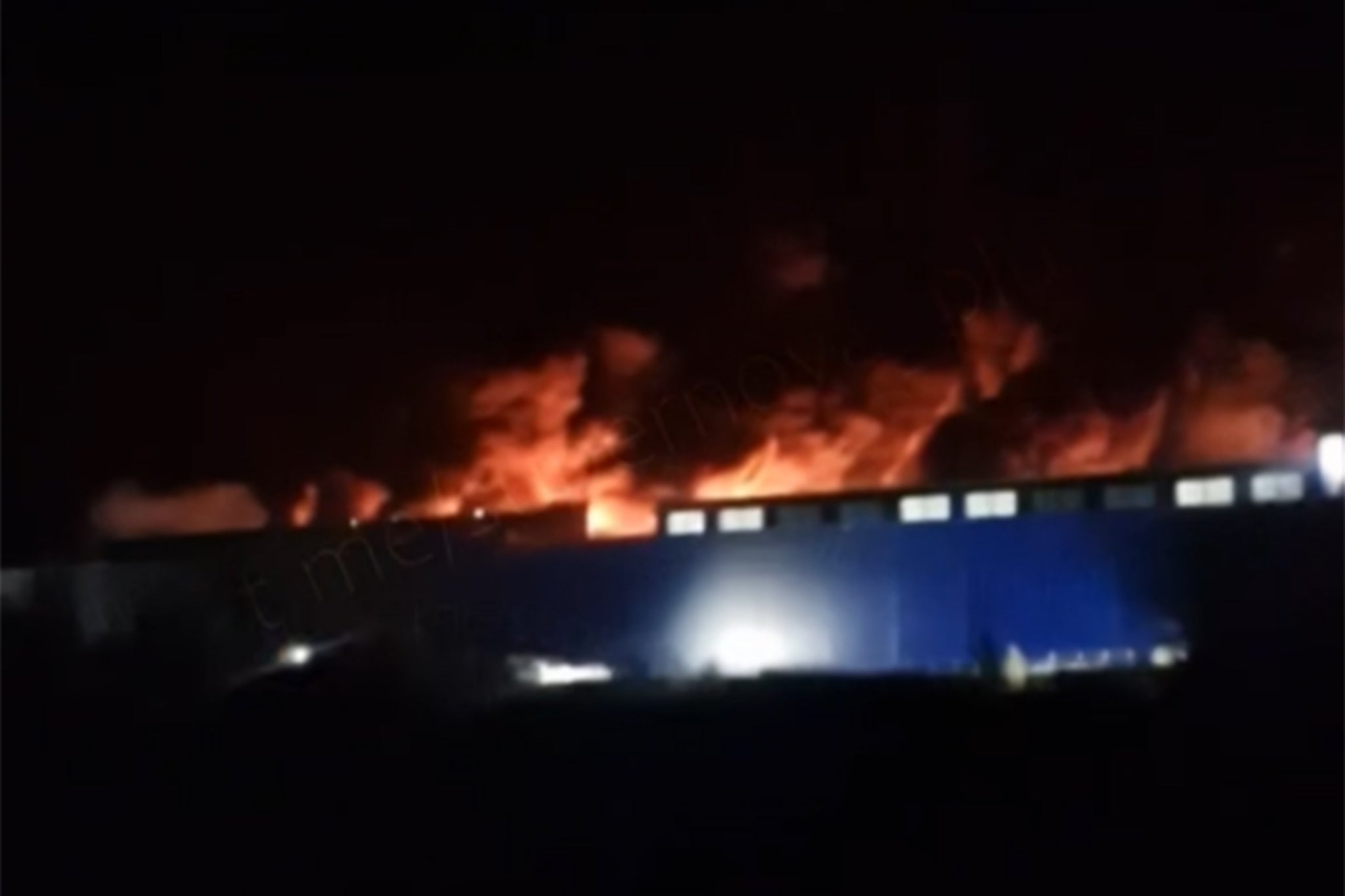
Kyiv then launched a campaign of strikes against Wildberries, the large online retailer described as Russia’s answer to Amazon, inflicting significant damage on its warehouses.
Part of the logic behind this is to increase the pressure on Vladimir Putin’s regime from within Russia, where economic discontent has been simmering in recent months.
The latest strikes on Russia’s datacentres are perhaps the most comprehensive attacks on Russian daily life, affecting across the board – but it remains to be seen how far it can go in stirring discontent among ordinary Russians.
More about
UkraineRussiaVolodymyr ZelenskyMoscowKyivVladimir Putin
Join our commenting forum
Join thought-provoking conversations, follow other Independent readers and see their replies
Most popular
Popular videos
Bulletin
Read next
Fonte: – World RSS Feed