How a Bush-era New York Fed account gave the US ultimate leverage over Iraq’s oil wealth
Por Ahmed Rasheed — – World RSS Feed
How a Bush-era New York Fed account gave the US ultimate leverage over Iraq’s oil wealth
Since its 2003 invasion of Iraq, the US has held effective control of the country’s oil revenue dollars
Ahmed Rasheed Wednesday 30 September 2026 12:35 BST
- Bookmark
- Comments Go to comments
Bookmark popover
Removed from bookmarks
Close popover

Become an Independent member to bookmark this article
Want to bookmark your favourite articles and stories to read or reference later? Start your Independent Membership today.
Already a member?
Log in
Your support helps us to tell the story
Read more Support Now
From reproductive rights to climate change to Big Tech, The Independent is on the ground when the story is developing. Whether it’s investigating the financials of Elon Musk’s pro-Trump PAC or producing our latest documentary, ‘The A Word’, which shines a light on the American women fighting for reproductive rights, we know how important it is to parse out the facts from the messaging.
At such a critical moment in US history, we need reporters on the ground. Your donation allows us to keep sending journalists to speak to both sides of the story.
The Independent is trusted by Americans across the entire political spectrum. And unlike many other quality news outlets, we choose not to lock Americans out of our reporting and analysis with paywalls. We believe quality journalism should be available to everyone, paid for by those who can afford it.
Your support makes all the difference. Read more
American troops are scheduled to exit their final military posts in Iraq on Wednesday, a pullout welcomed as a triumph by Iran and its partners. Their sway runs deep across the country, where over two decades of fighting claimed 4,500 U.S. lives.
Nevertheless, the United States has retained practical power over Iraq’s oil revenue since its 2003 invasion. That financial leverage grants Washington immense control over affairs in Baghdad, carrying significant implications for regional dynamics involving Iran.
How the Federal Reserve Bank of New York controls Iraq’s oil wealth
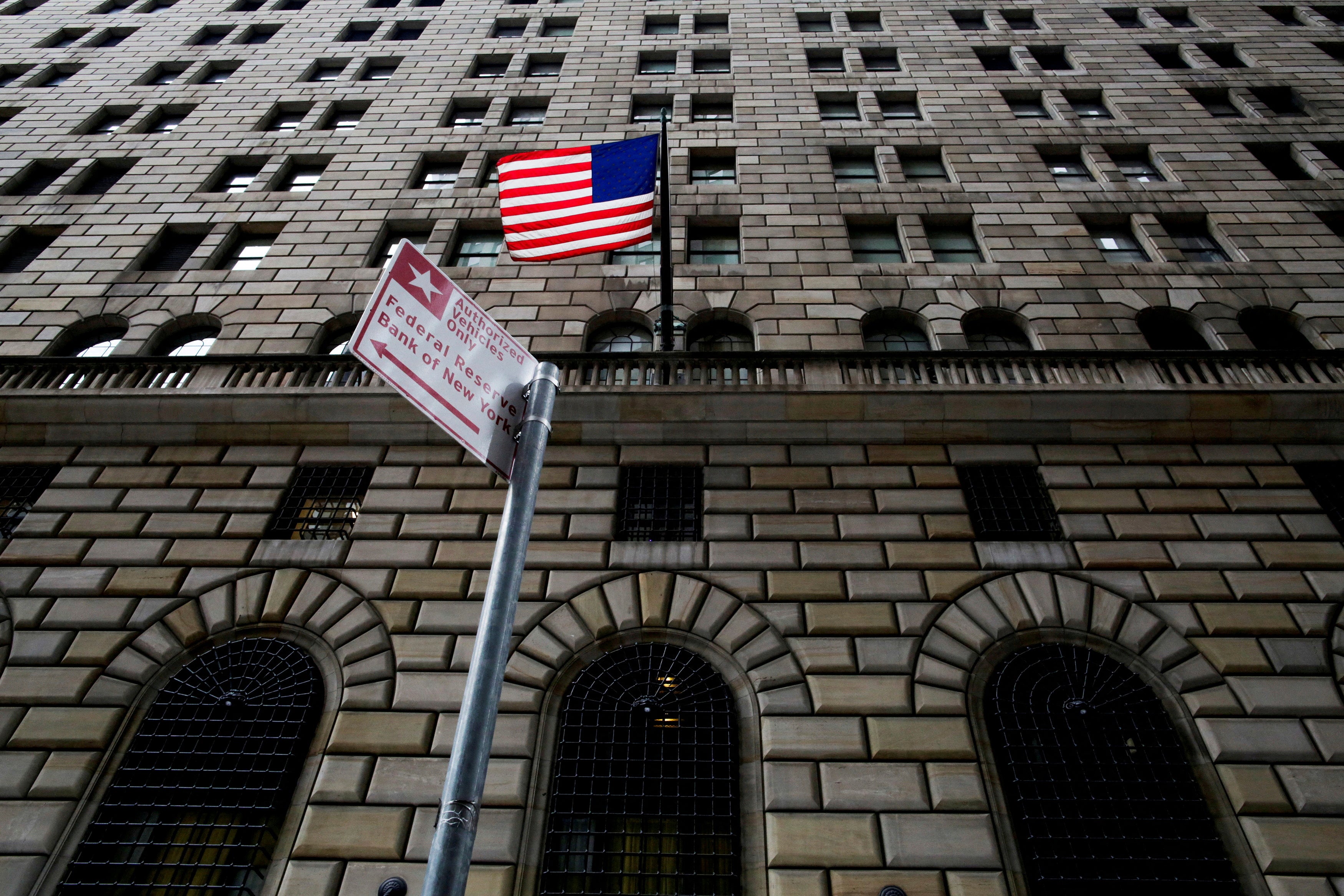
At the center of the issue is how the Federal Reserve Bank of New York handles Iraq’s oil earnings.
Following the 2003 military campaign, the American-led Coalition Provisional Authority (CPA) created the Development Fund for Iraq (DFI). Housed at the New York Fed, this mechanism was established to gather energy income intended for national rebuilding and redevelopment projects.
 open image in gallery
The initiative was also structured to safeguard these assets from legal actions and claims originating from Saddam Hussein’s regime.
Formed under an executive directive from then-President George W. Bush, the system has been extended by every president since. The DFI was ultimately converted into a Central Bank of Iraq account at the New York Federal Reserve, where it continues to operate.
Why Iraq remains financially bound to the U.S. despite pushing for full sovereignty
Generating roughly 90 percent of its total state budget, crude oil is Iraq’s primary economic resource, giving Washington considerable influence over the nation’s political and financial stability.
When Iraqi leaders requested the withdrawal of American forces in 2020, Washington reportedly threatened to block access to Baghdad’s New York Federal Reserve accounts, forcing the government to back down.
 open image in gallery
Although Iraq has gained greater authority over its financial matters since the initial occupation years, this connection underscores the US’s lasting influence on the Iraqi economy, even as the country tries to assert full political independence and national sovereignty.
Iraq’s secret weapon against Iran
Iraq’s financial stability has been secured by the mechanism, which protects public funds, government sources told Reuters anonymously.
According to officials, the framework strengthens international trust in oil revenue oversight, facilitates access to American currency required for commercial trade and imports, and shields state income from external legal claims, creditor demands, and broader economic shocks.
 open image in gallery
The setup stabilizes exchange rates and reinforces faith in the national economy, helping fortify local financial institutions while asserting broader economic control, officials added.
It also gives the government leverage to push back against factions, including Iran-backed groups, that demand fewer restrictions on dollar access. Last year, the U.S. targeted several Iraqi banks and figures with sanctions over allegations of money laundering for Tehran.
How U.S. dollar curbs are squeezing Iraq’s economy
Heavy curbs on U.S. dollar supply led to a parallel, informal market for dollars, creating a price spread between the central bank’s official exchange rate and the black-market rate. The price difference is essentially a risk premium for dealing outside the formal system. In his second term,
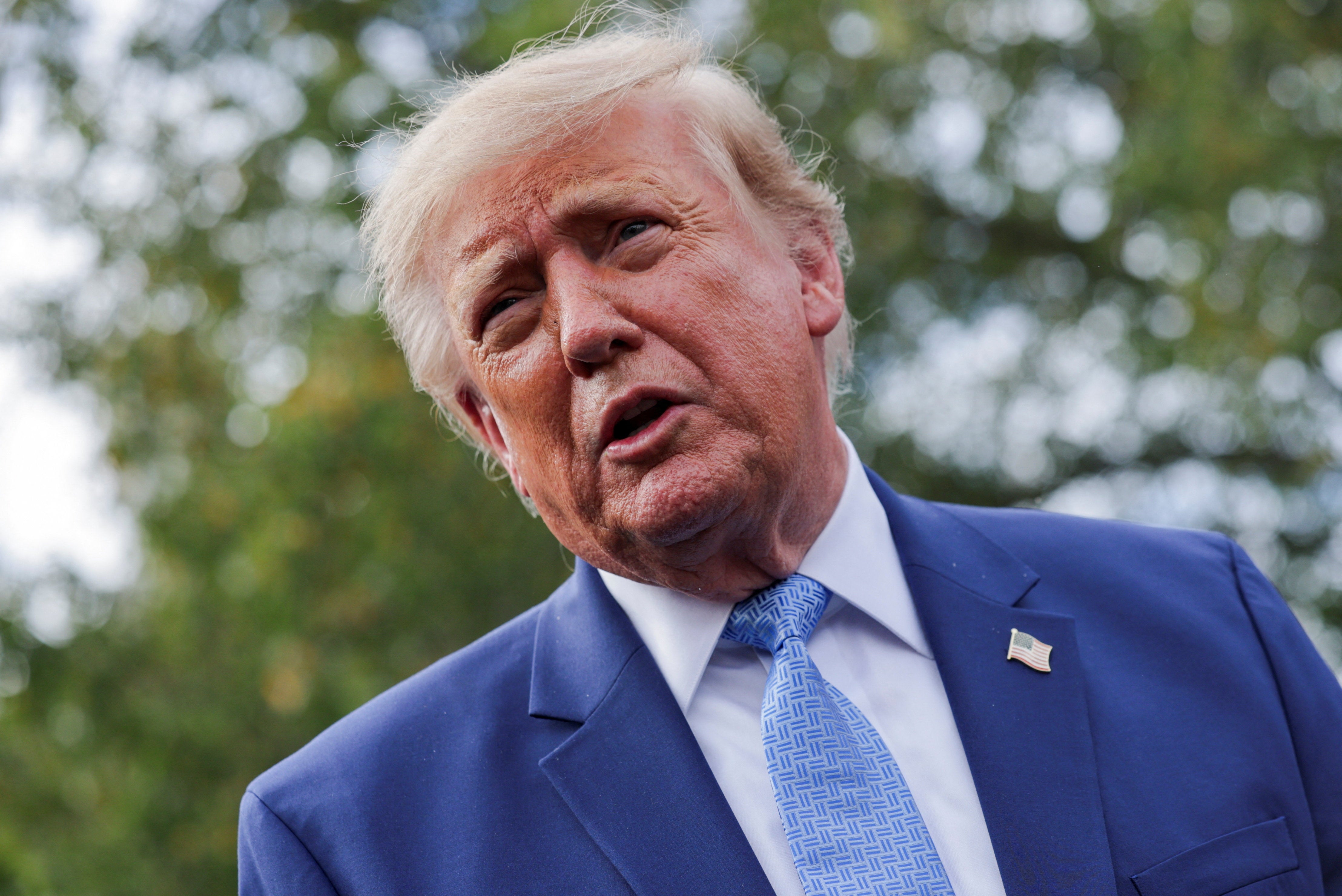
Trump has pursued a campaign of maximum pressure on Iran, with Iraq often caught in the crossfire as Tehran has used it as a vital economic lung. The war he launched with Israel against Iran on February 28 added further pressure on Baghdad.
The Federal Reserve Bank of New York continues to hold custody of Iraq’s oil earnings.
To supply American dollars, the CBI traditionally relied on dollar auctions, officially known as the foreign currency window. This allowed private banks and exchange firms to bid daily for U.S. currency using Iraqi dinars.
Under heavy U.S. pressure, Iraq officially shuttered this auction framework in early 2025, driven by a broader crackdown targeting the alleged siphoning of dollars to sanctioned parties, particularly Iran.
More about
IraqIranUnited StatesBaghdadWashingtonSaddam HusseinIsraelTehranDonald Trump
Join our commenting forum
Join thought-provoking conversations, follow other Independent readers and see their replies
Most popular
Popular videos
Bulletin
Read next
Fonte: – World RSS Feed